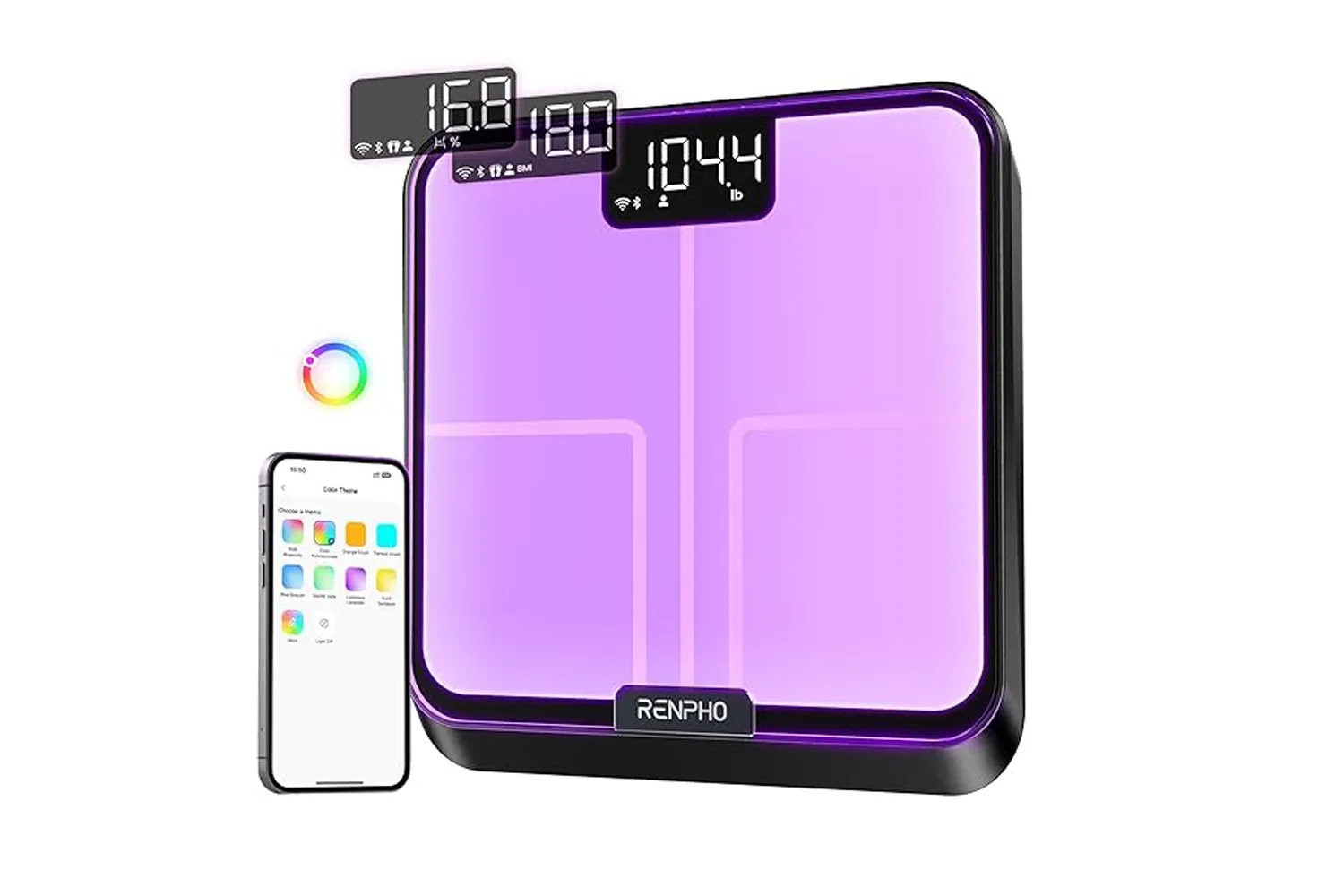
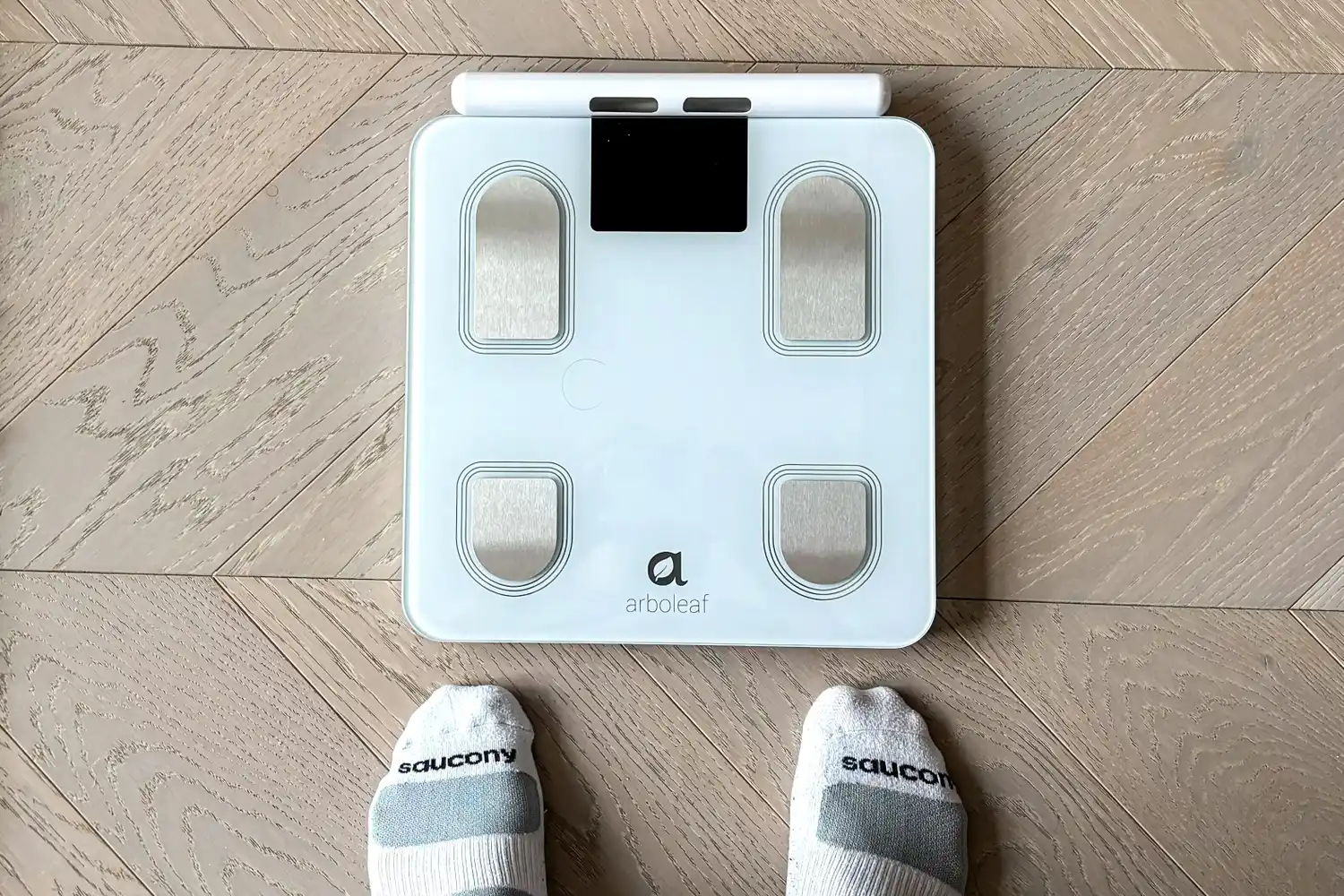
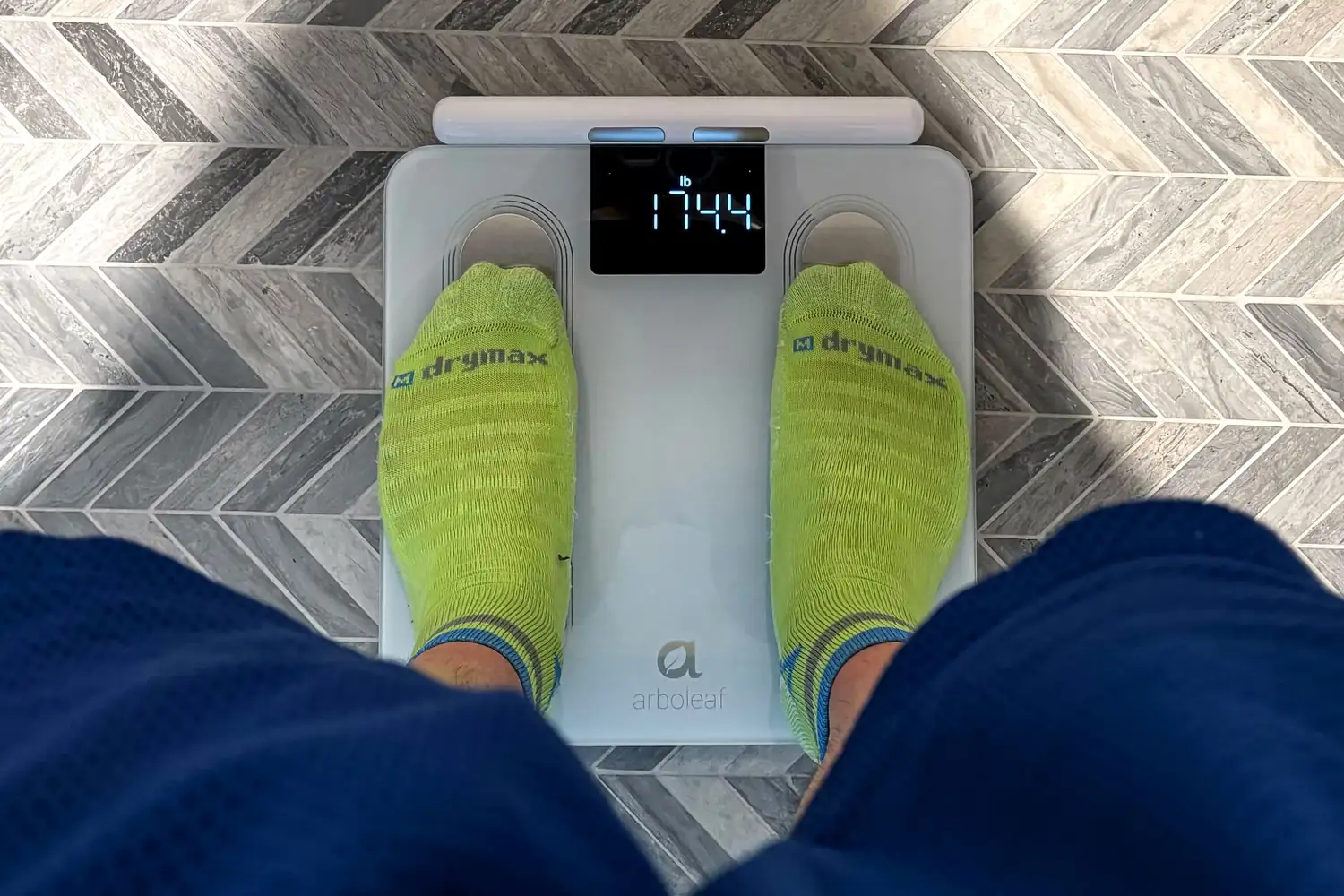
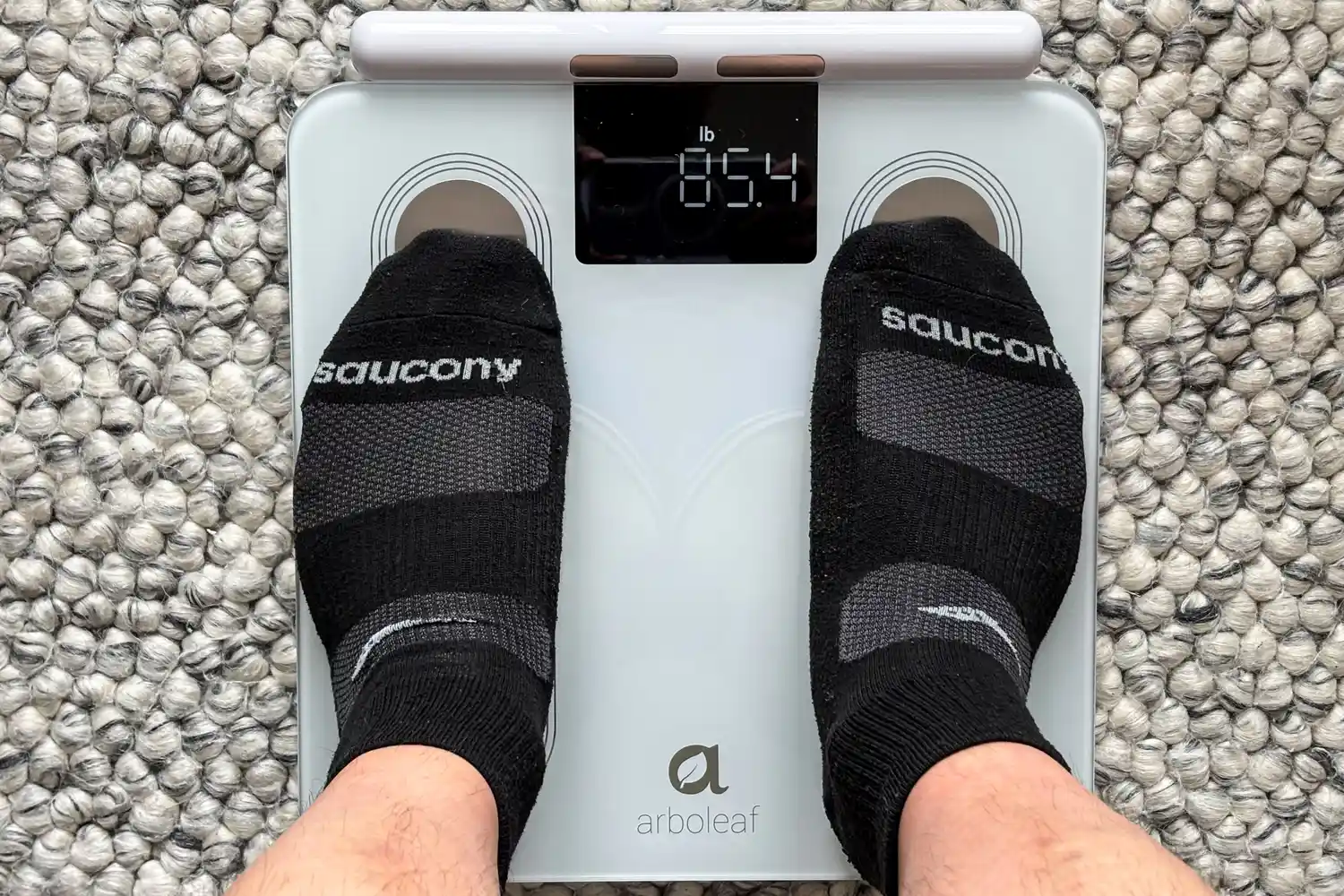
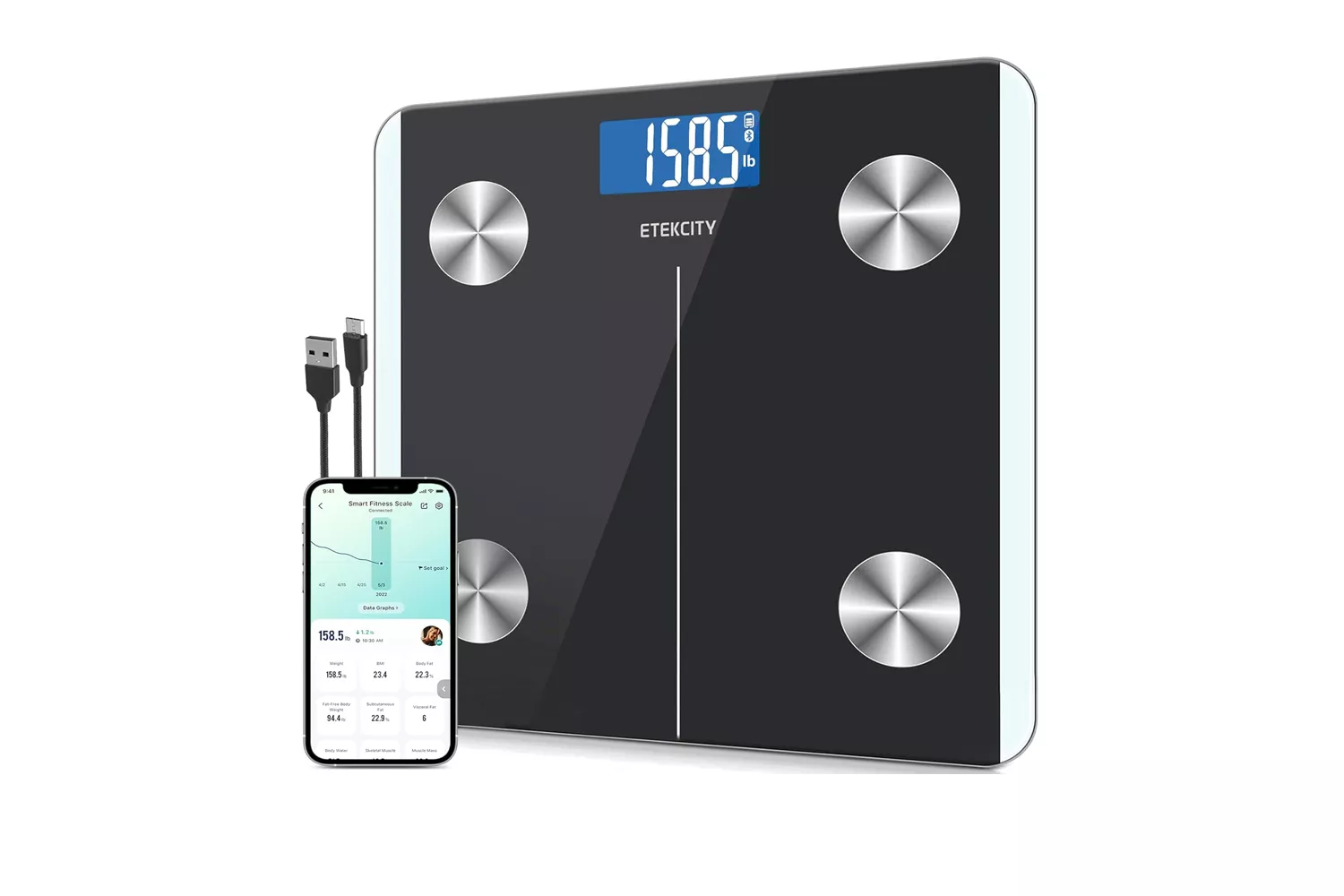
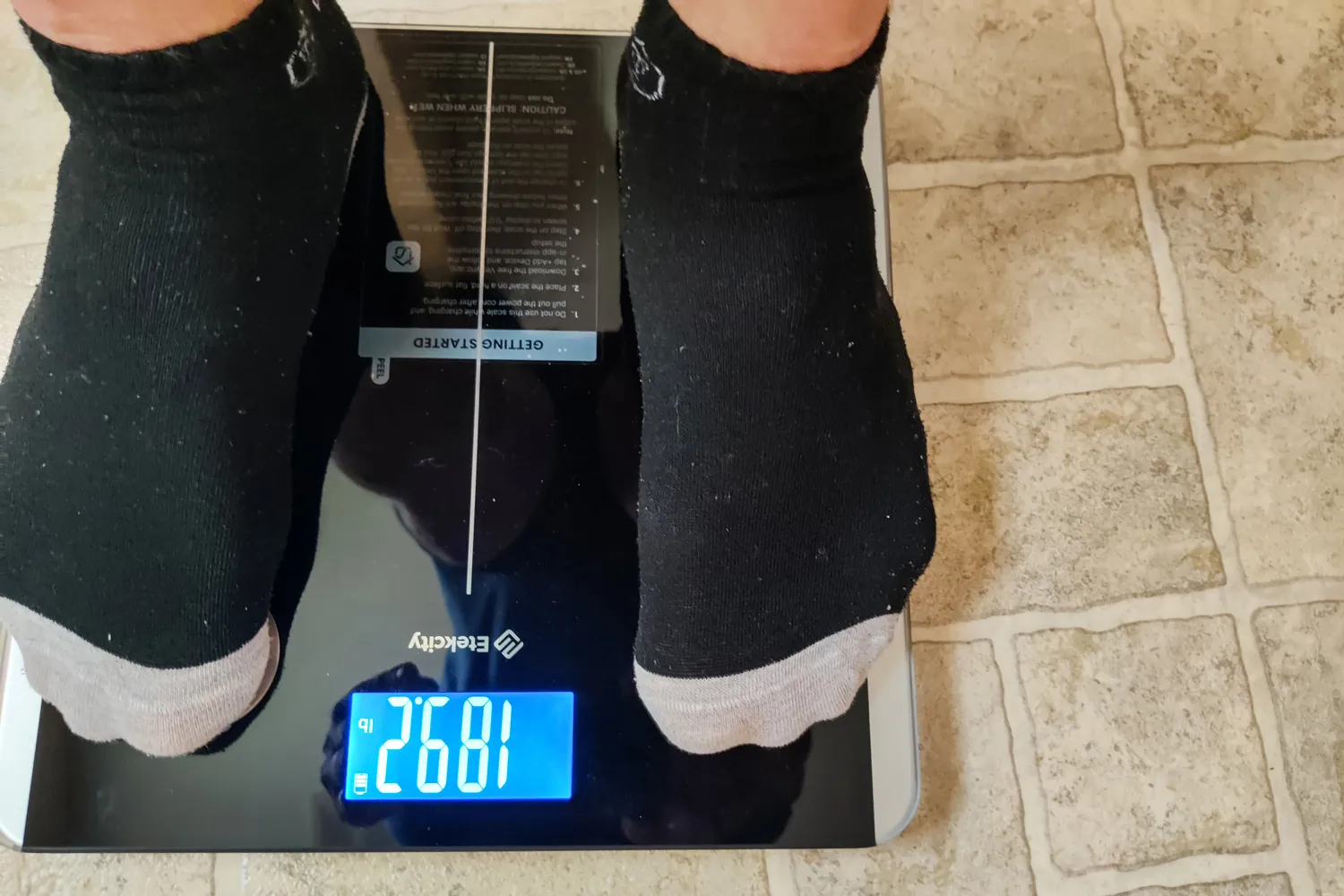
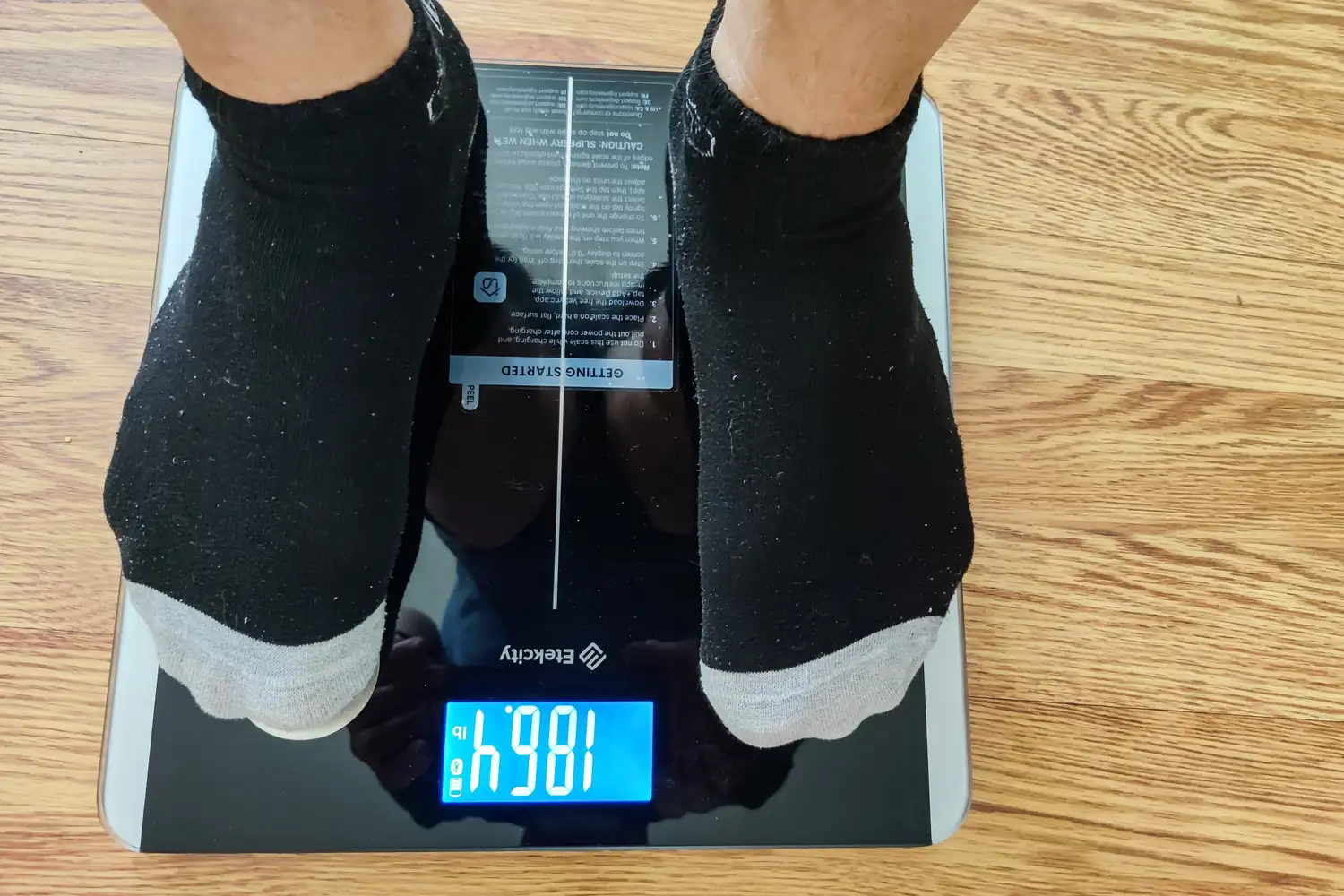
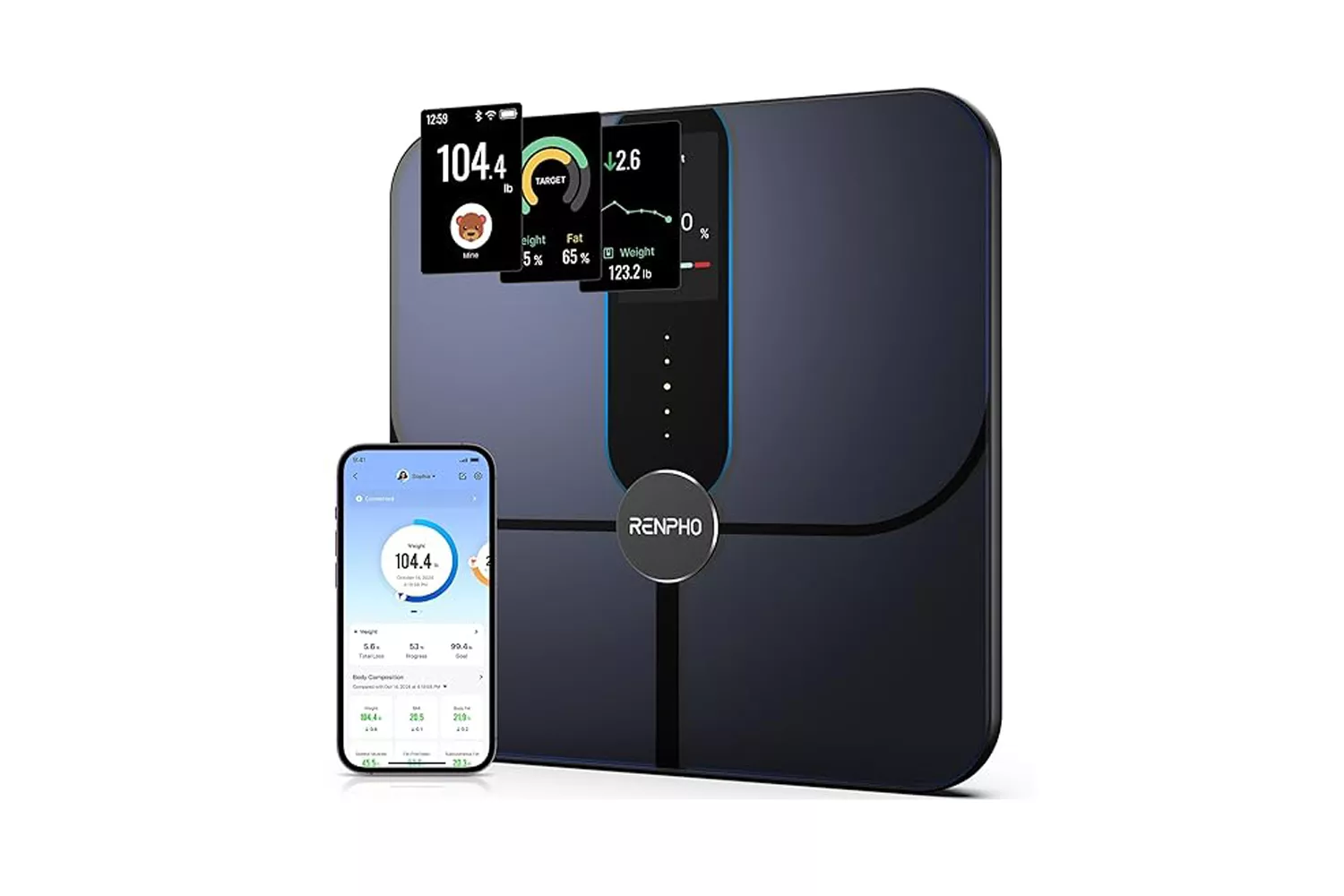
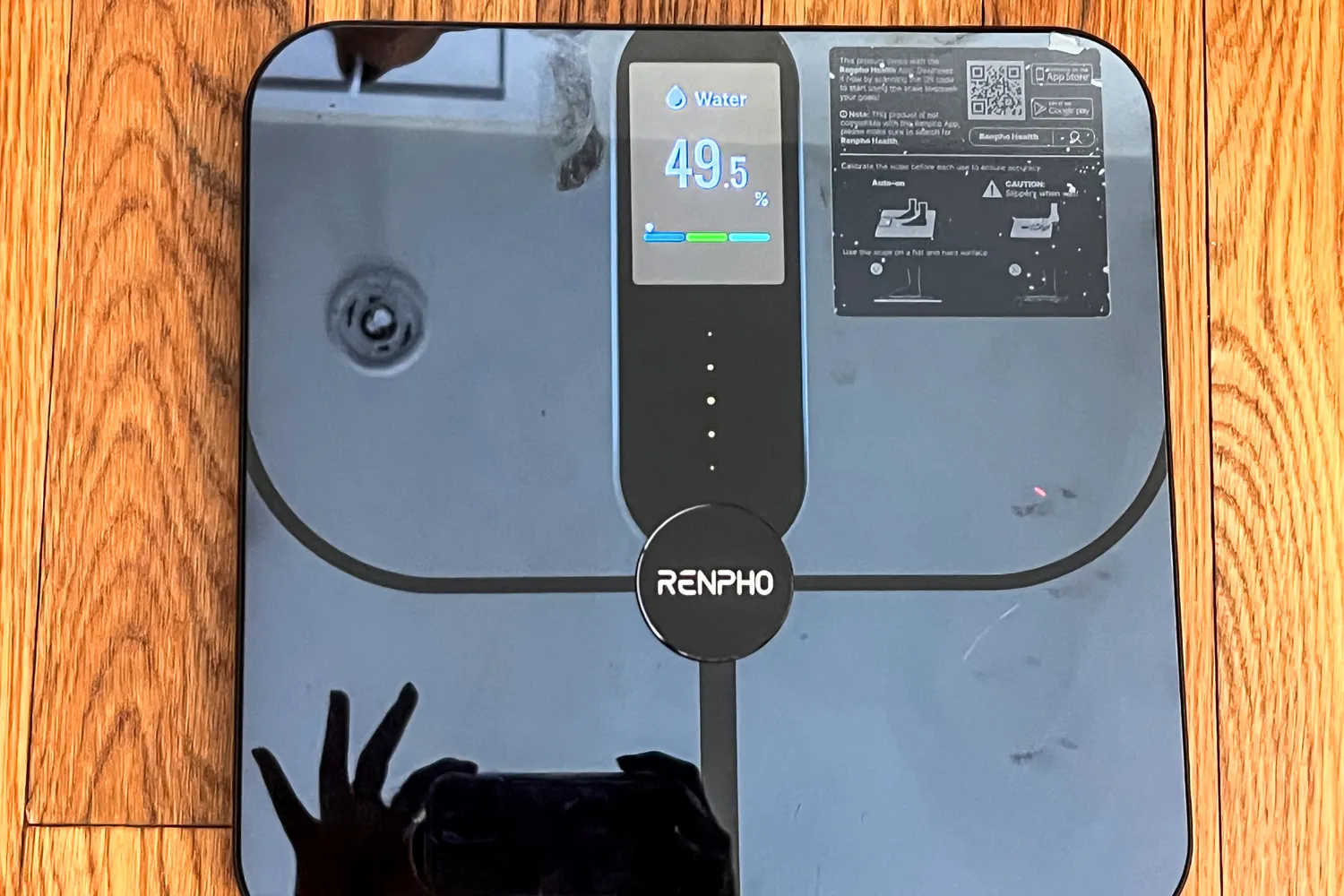
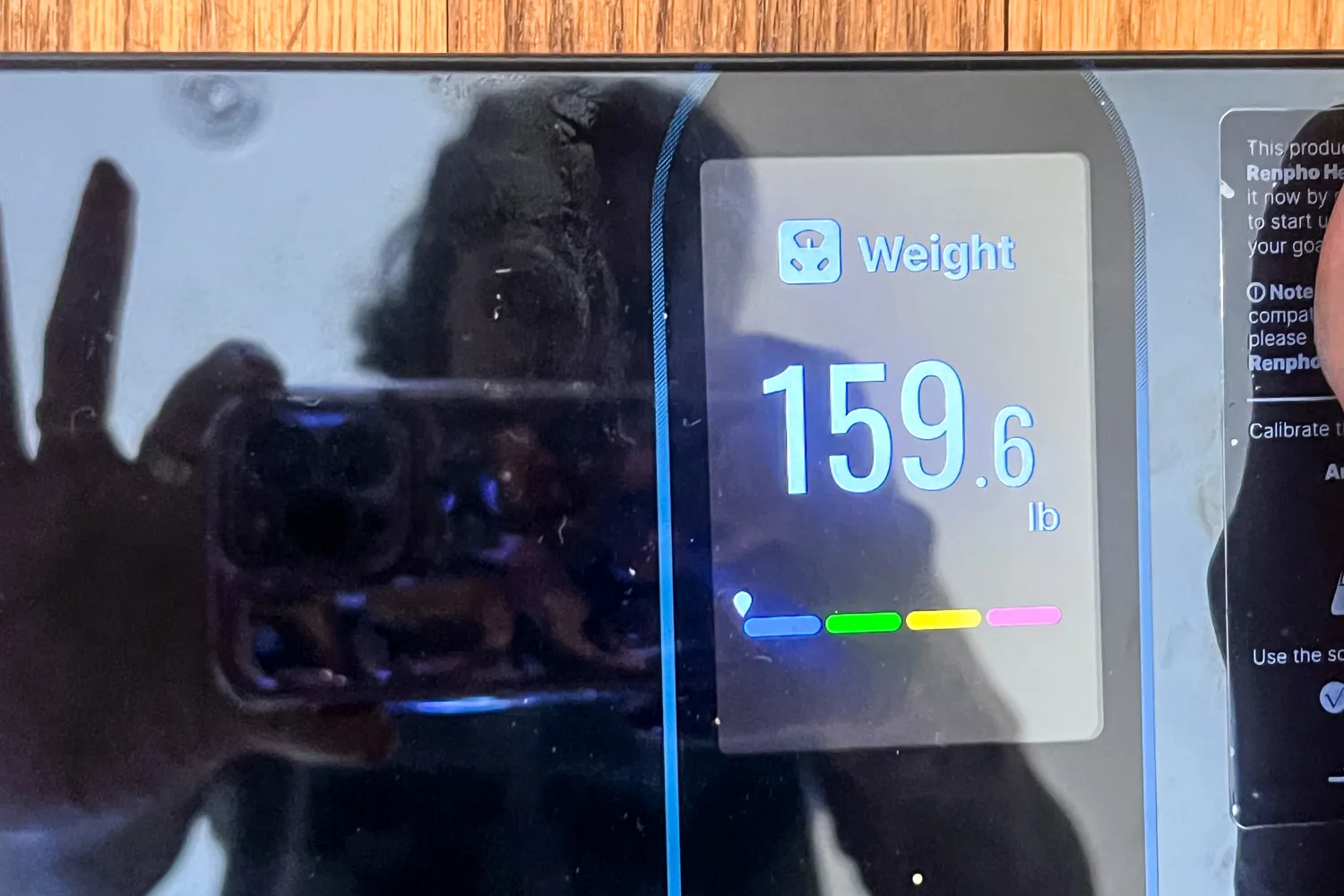
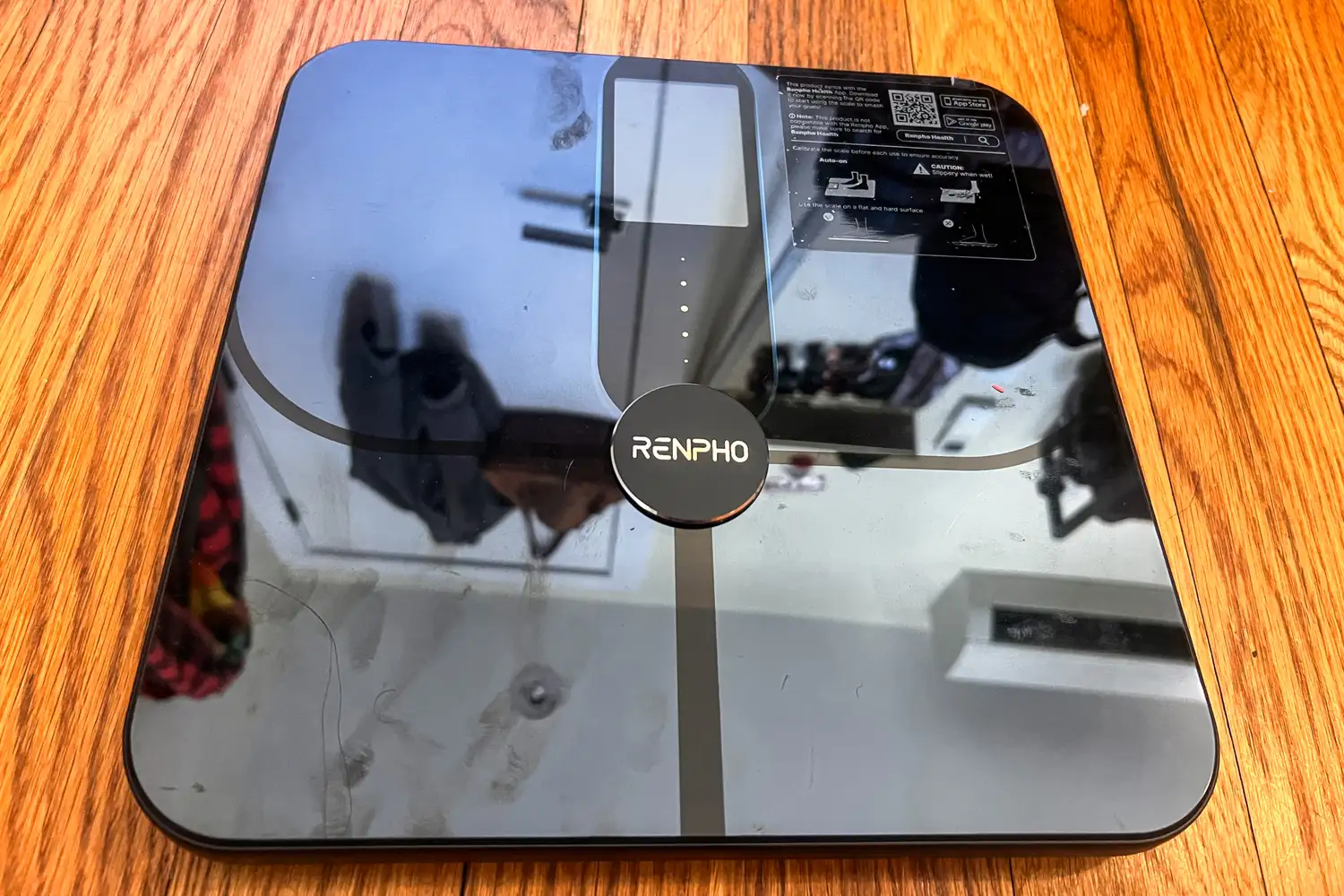
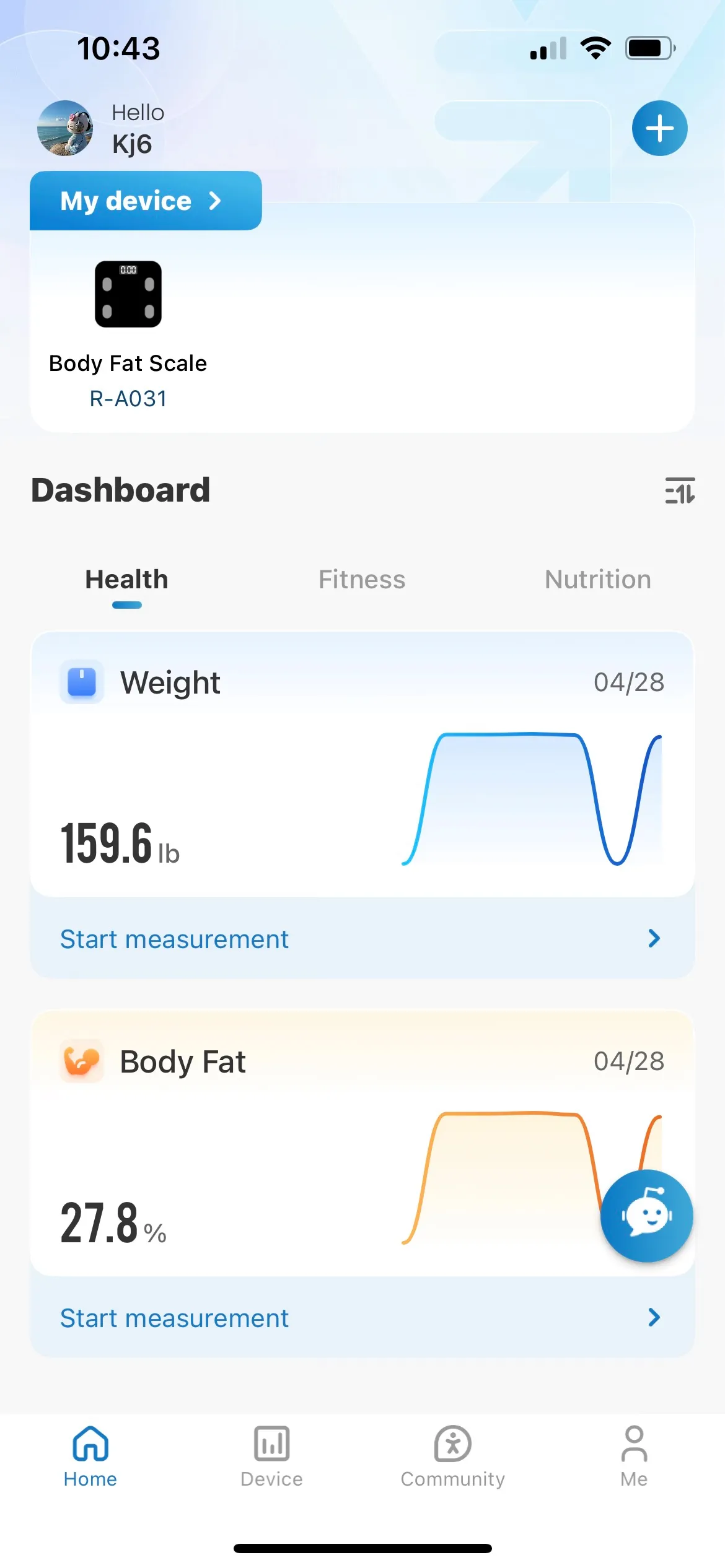
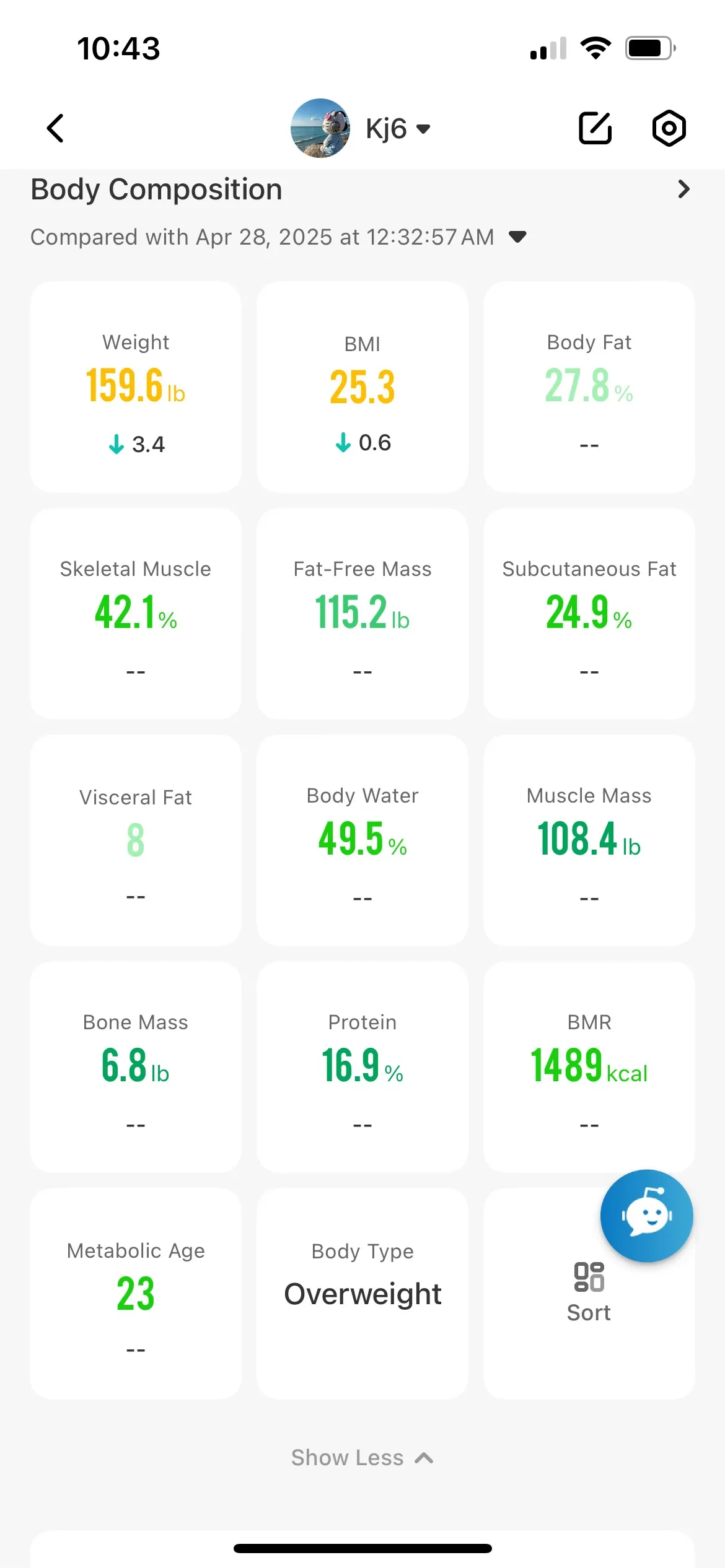
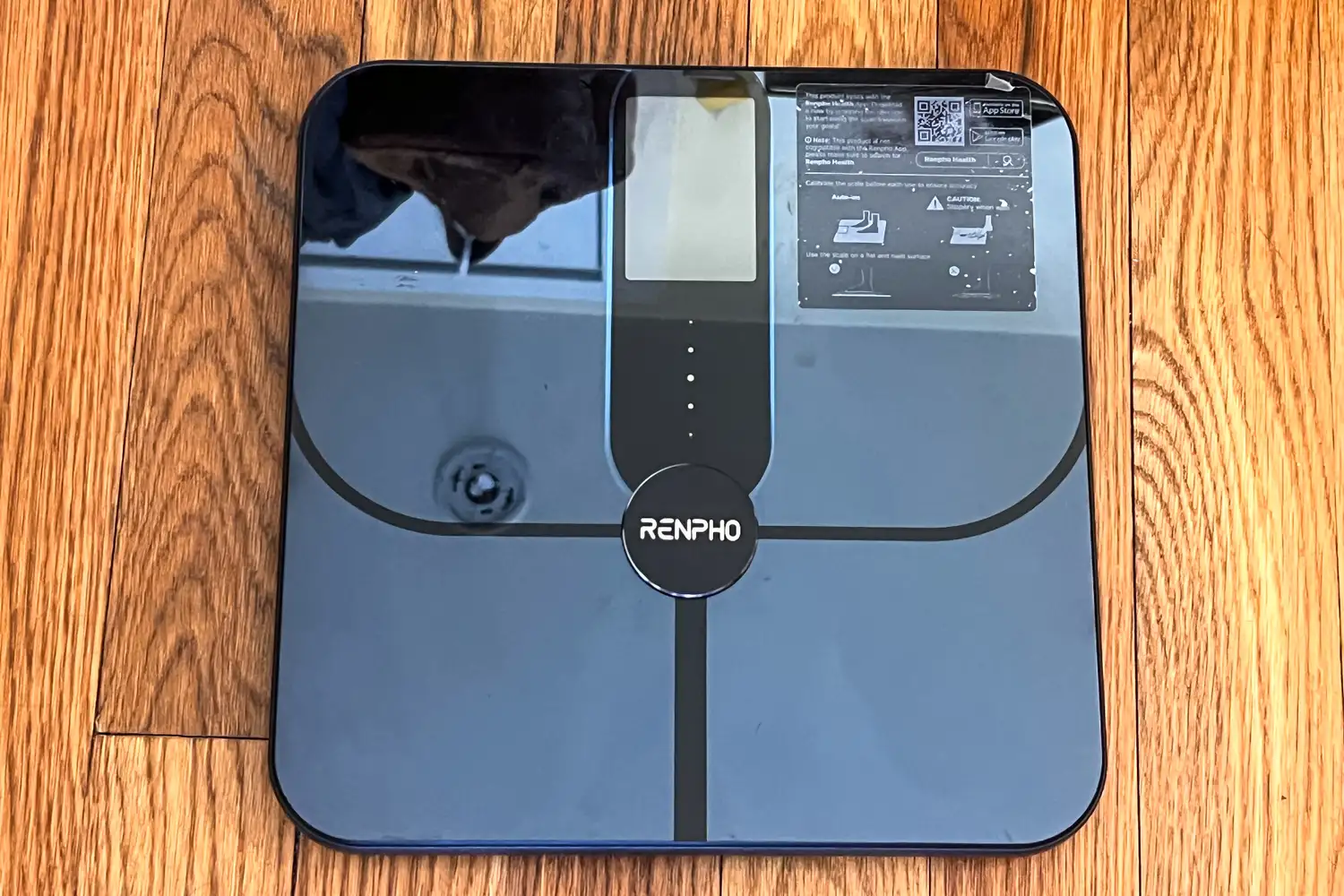
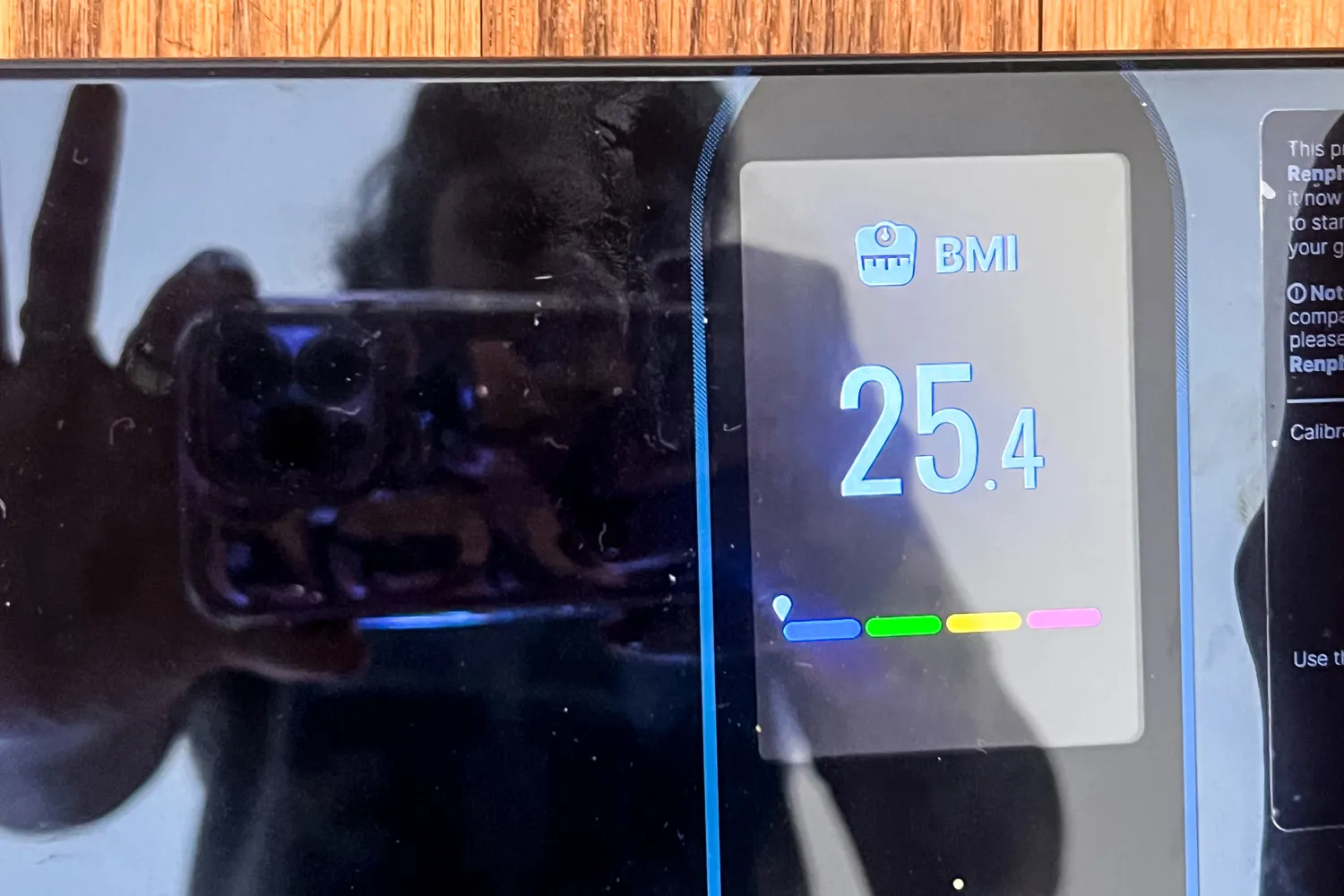
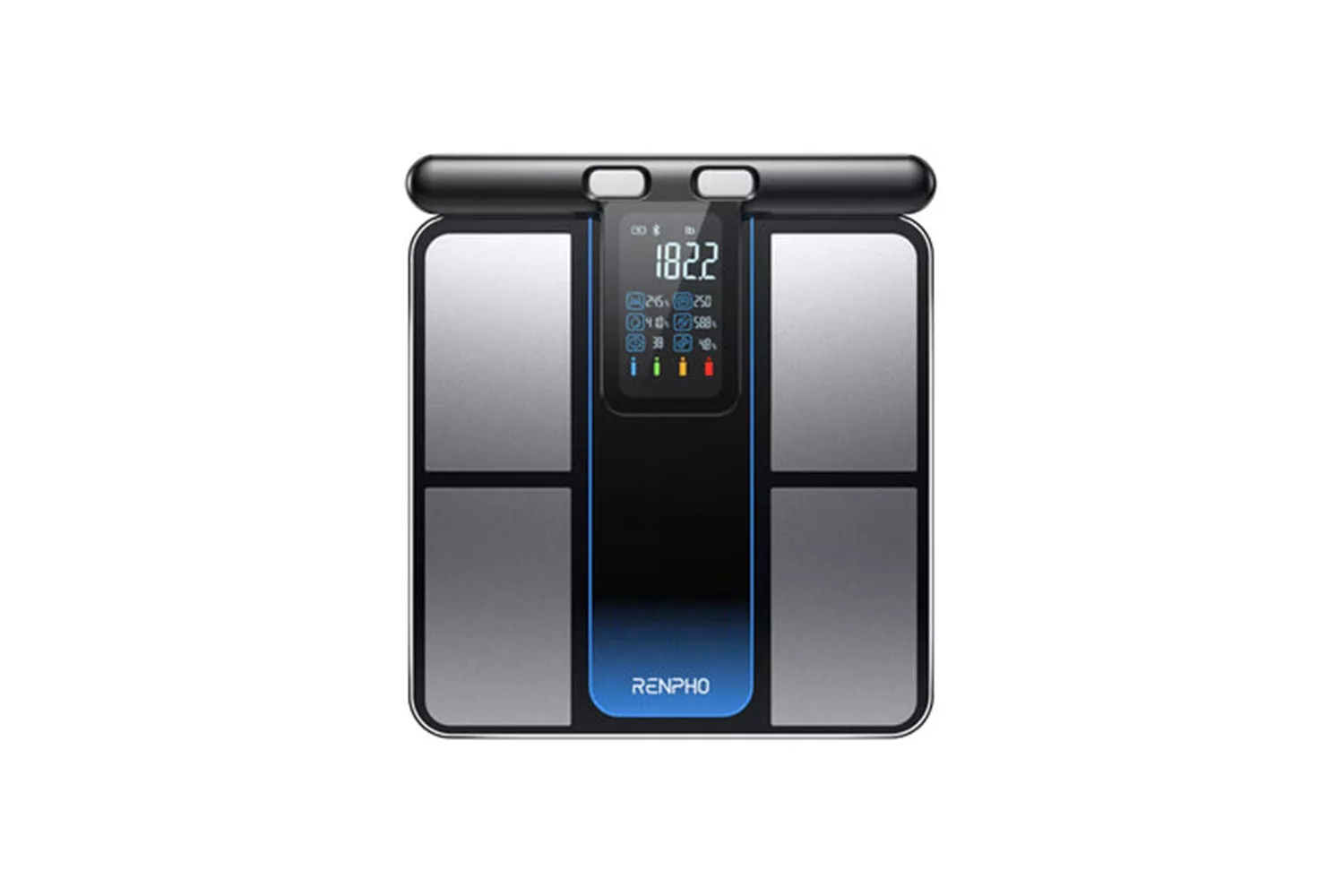
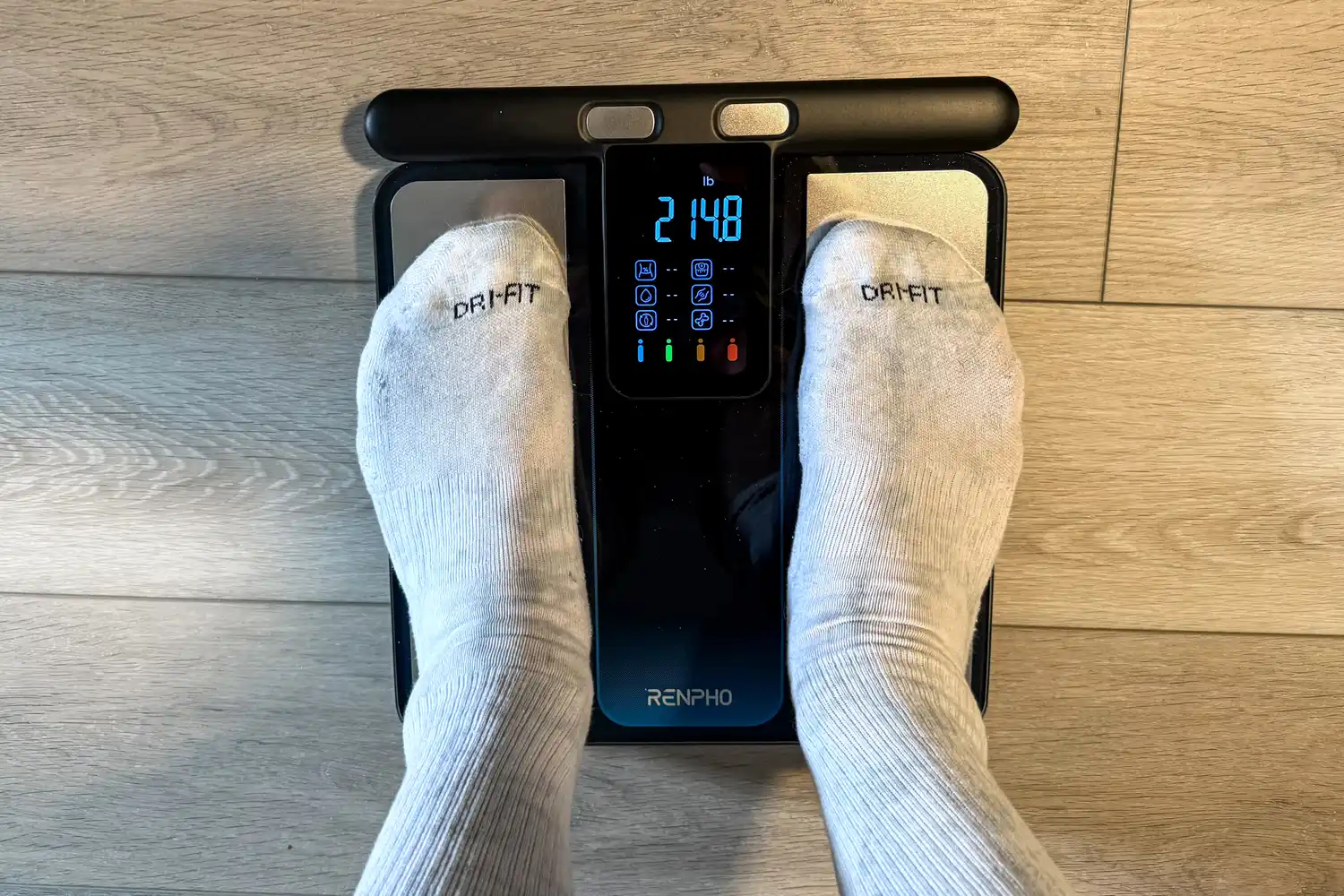
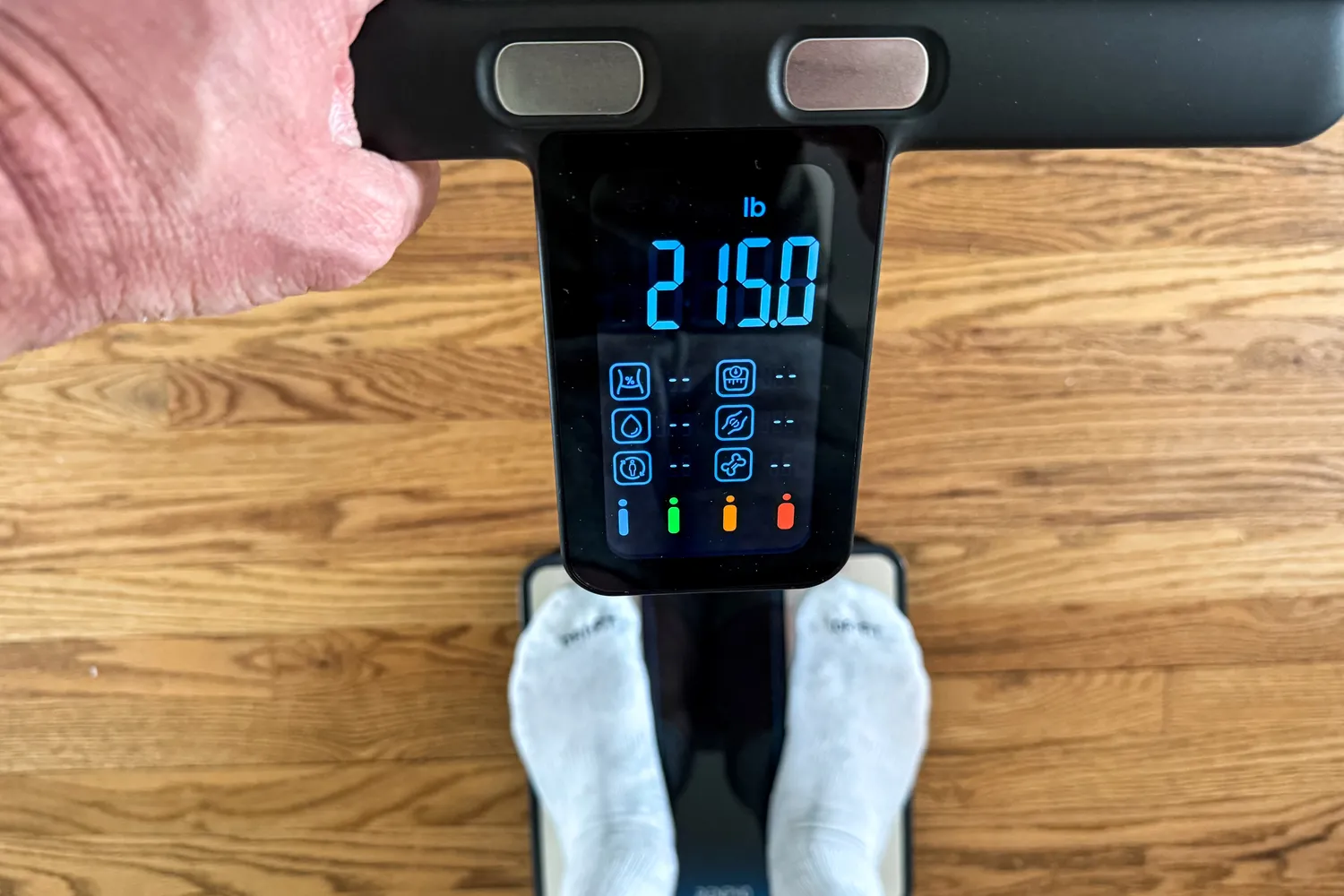
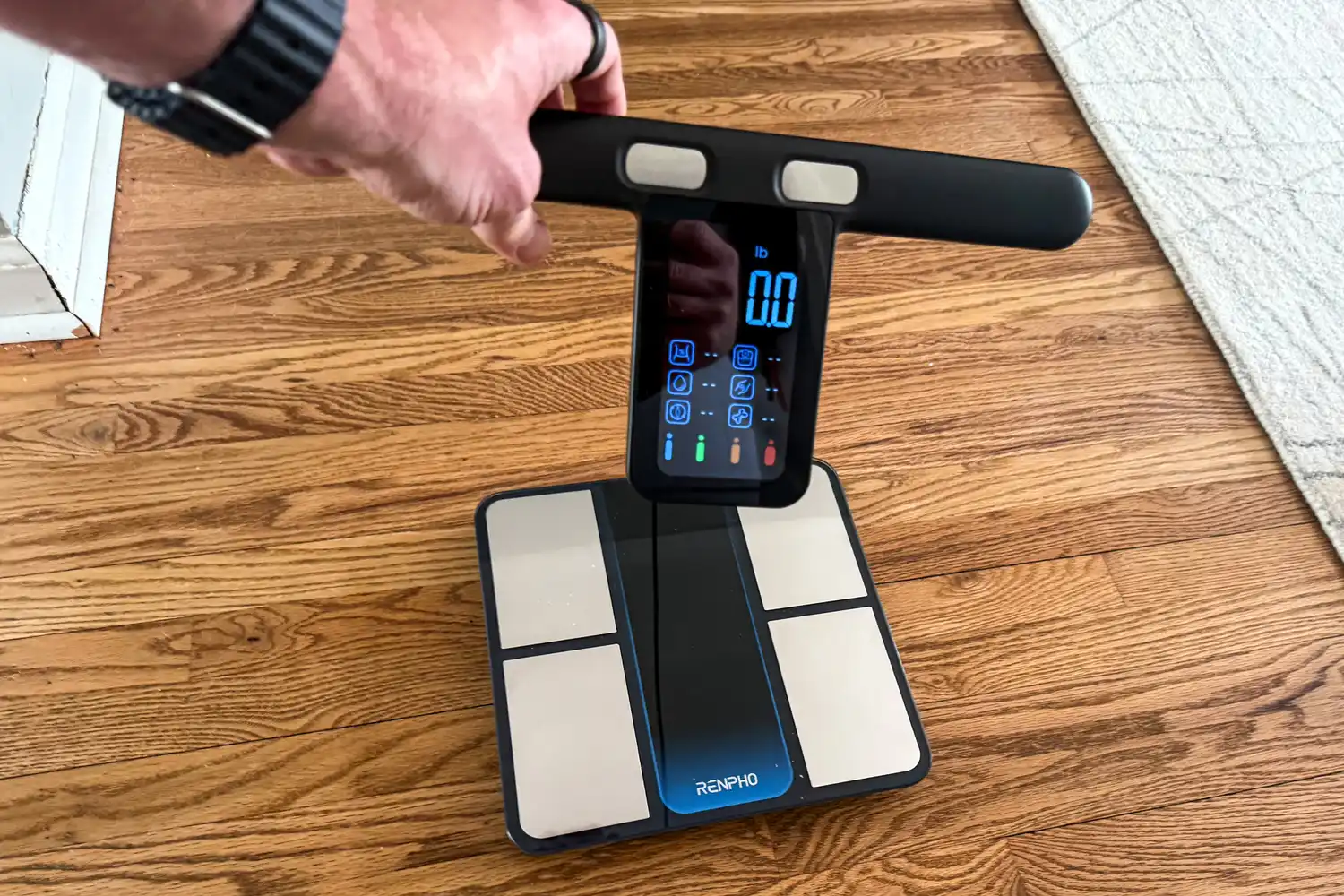
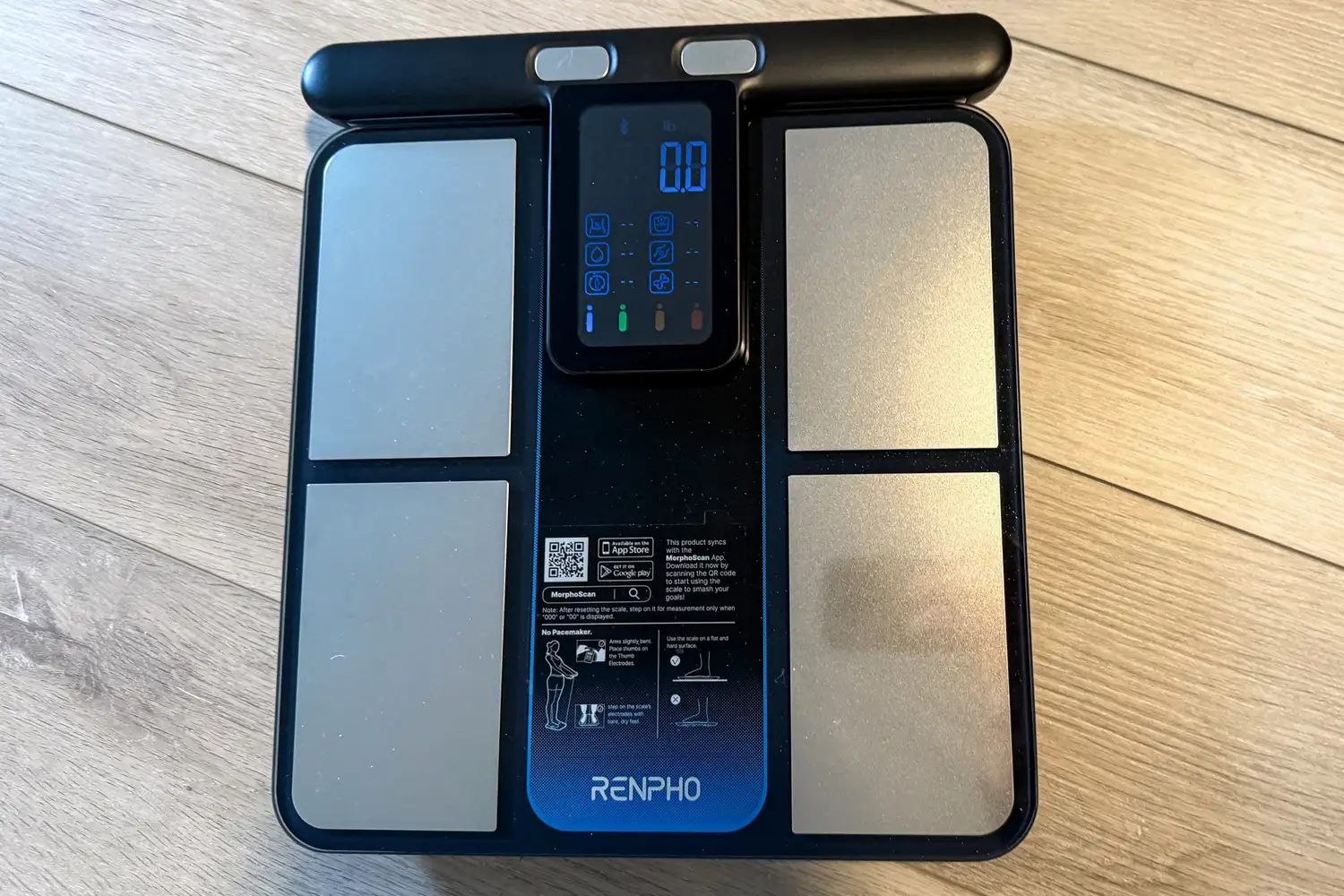
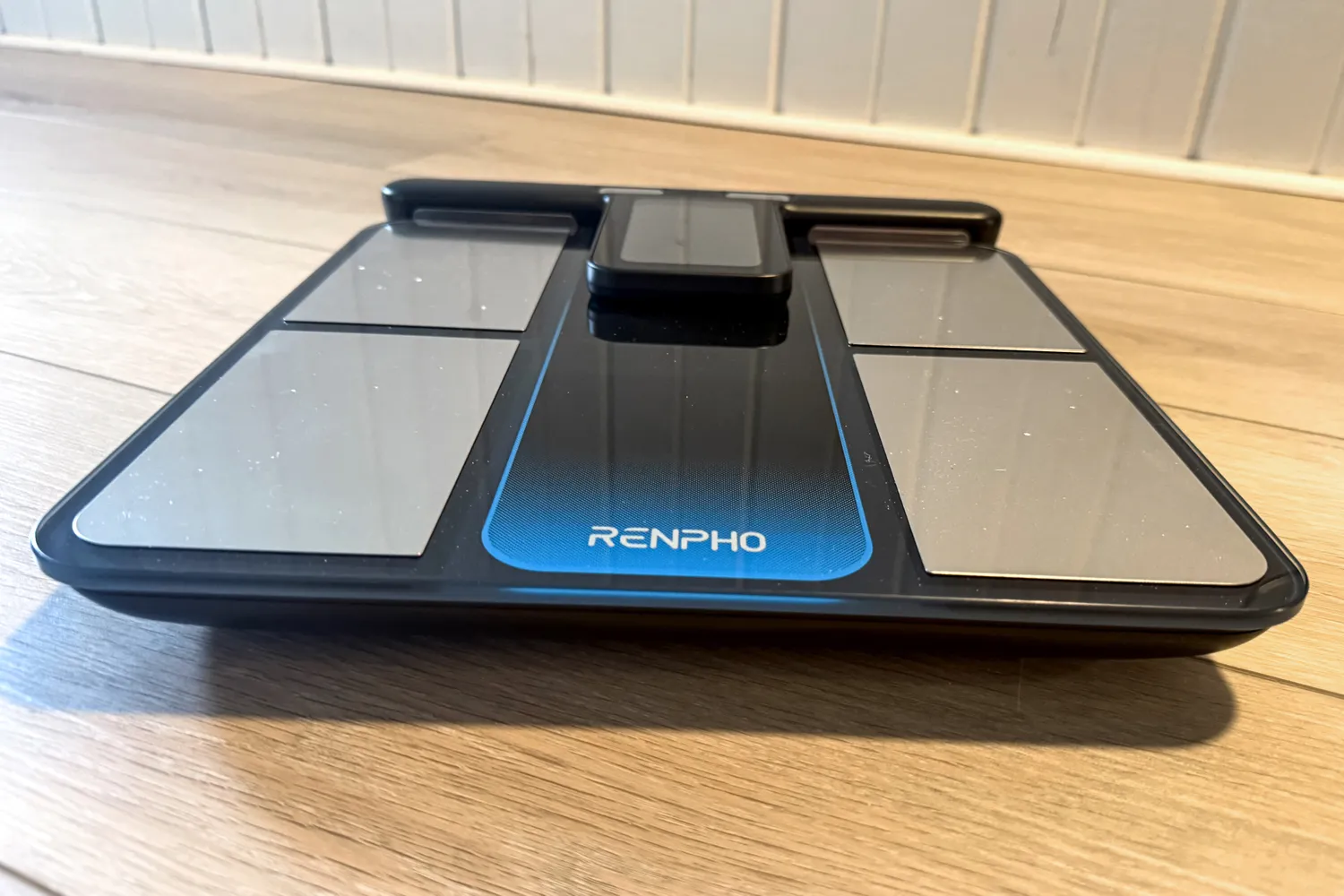
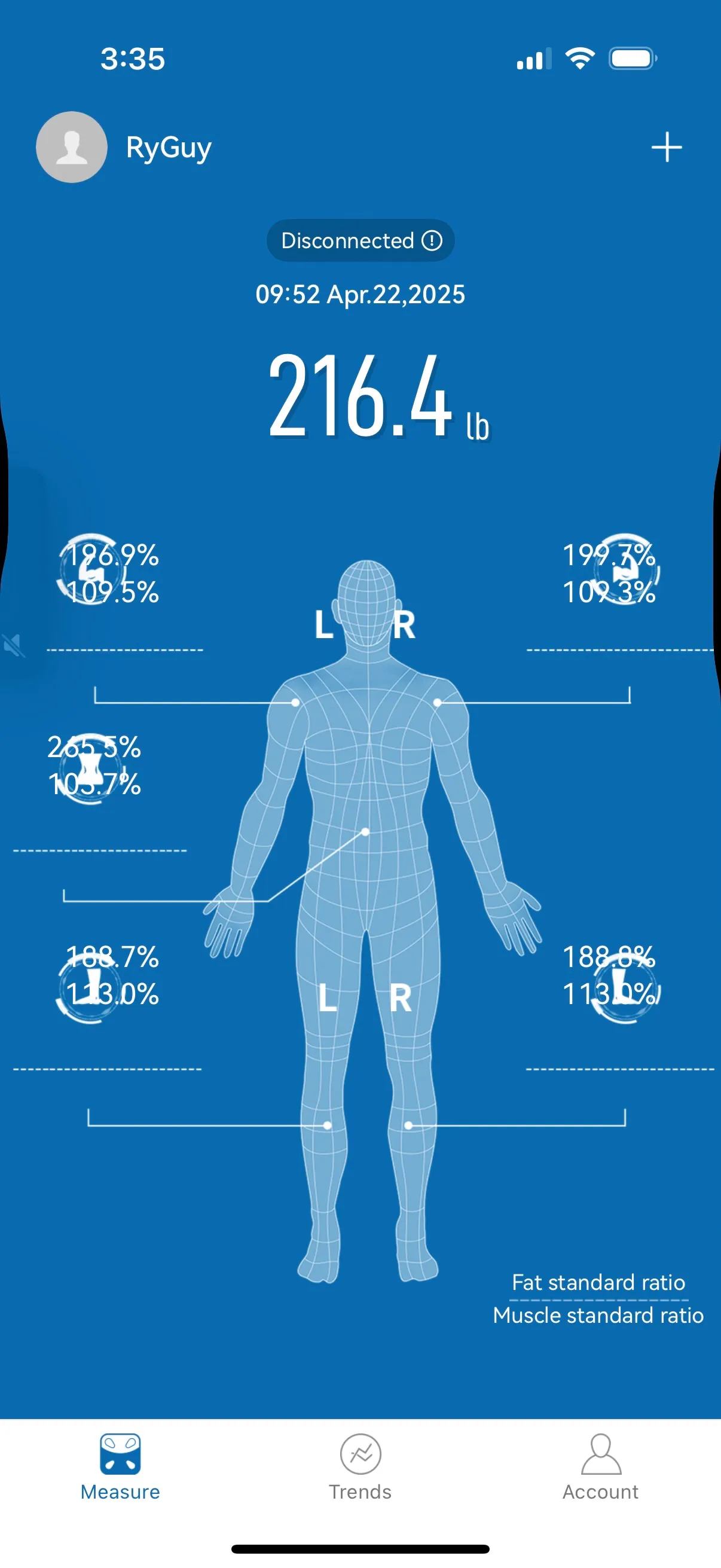
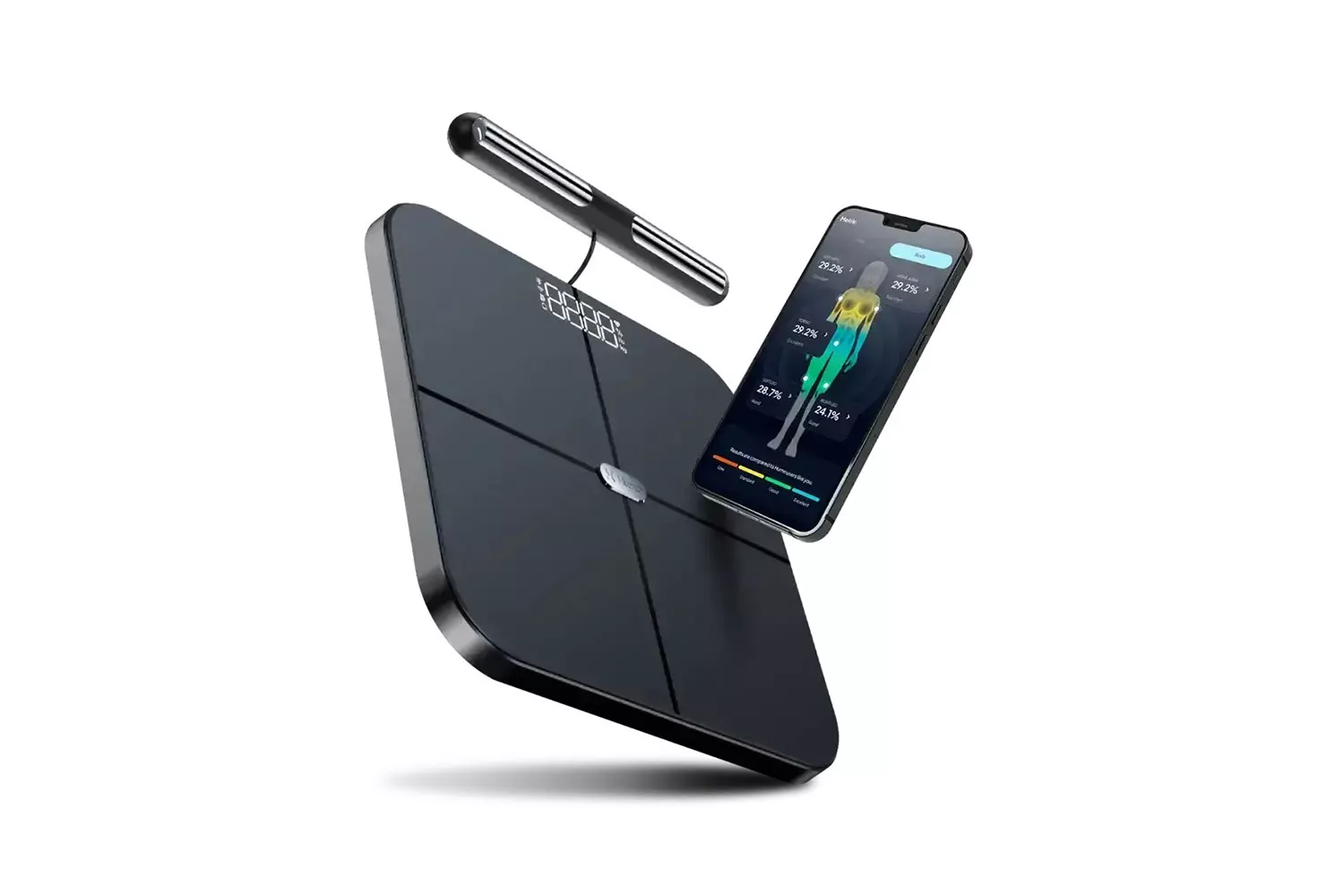
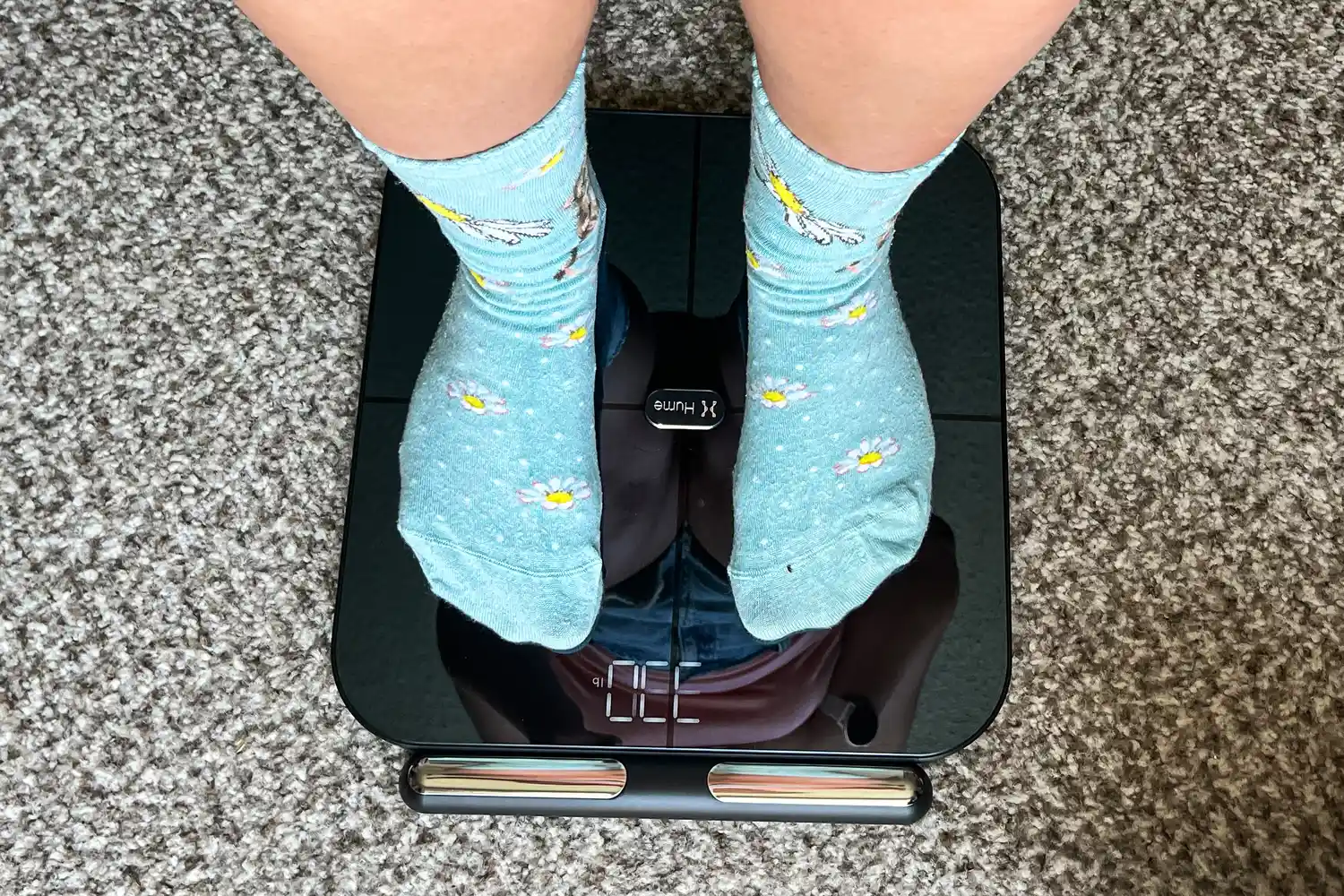
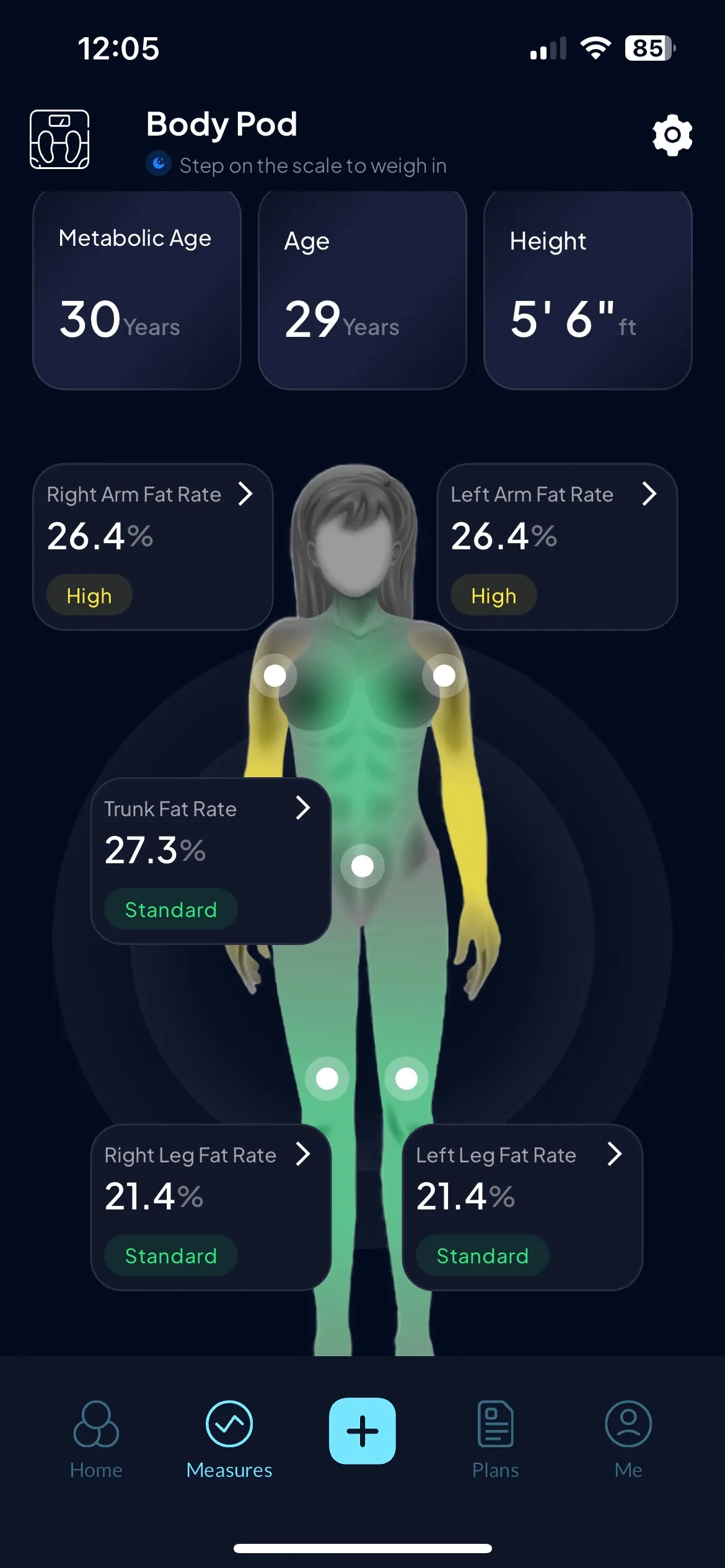
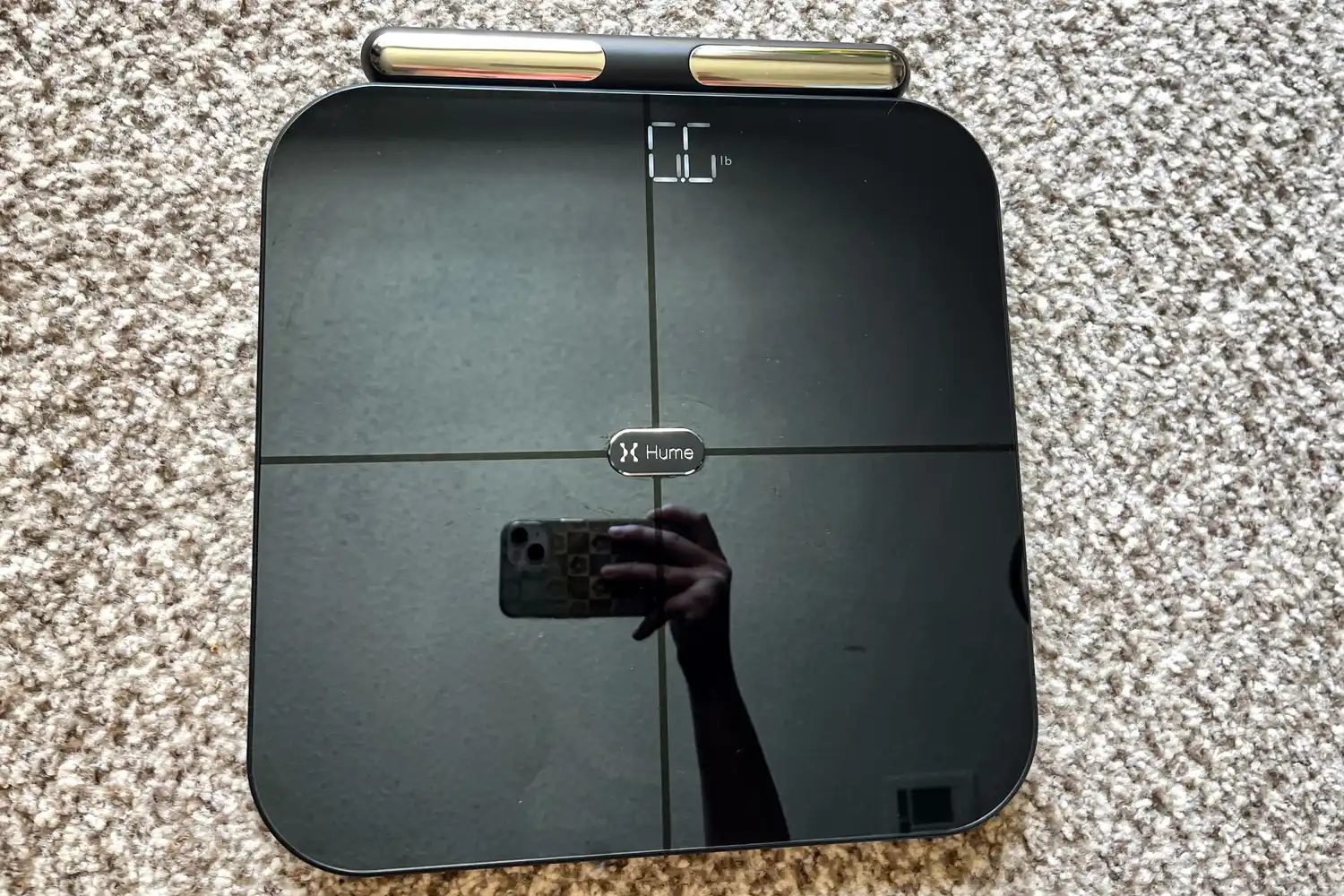
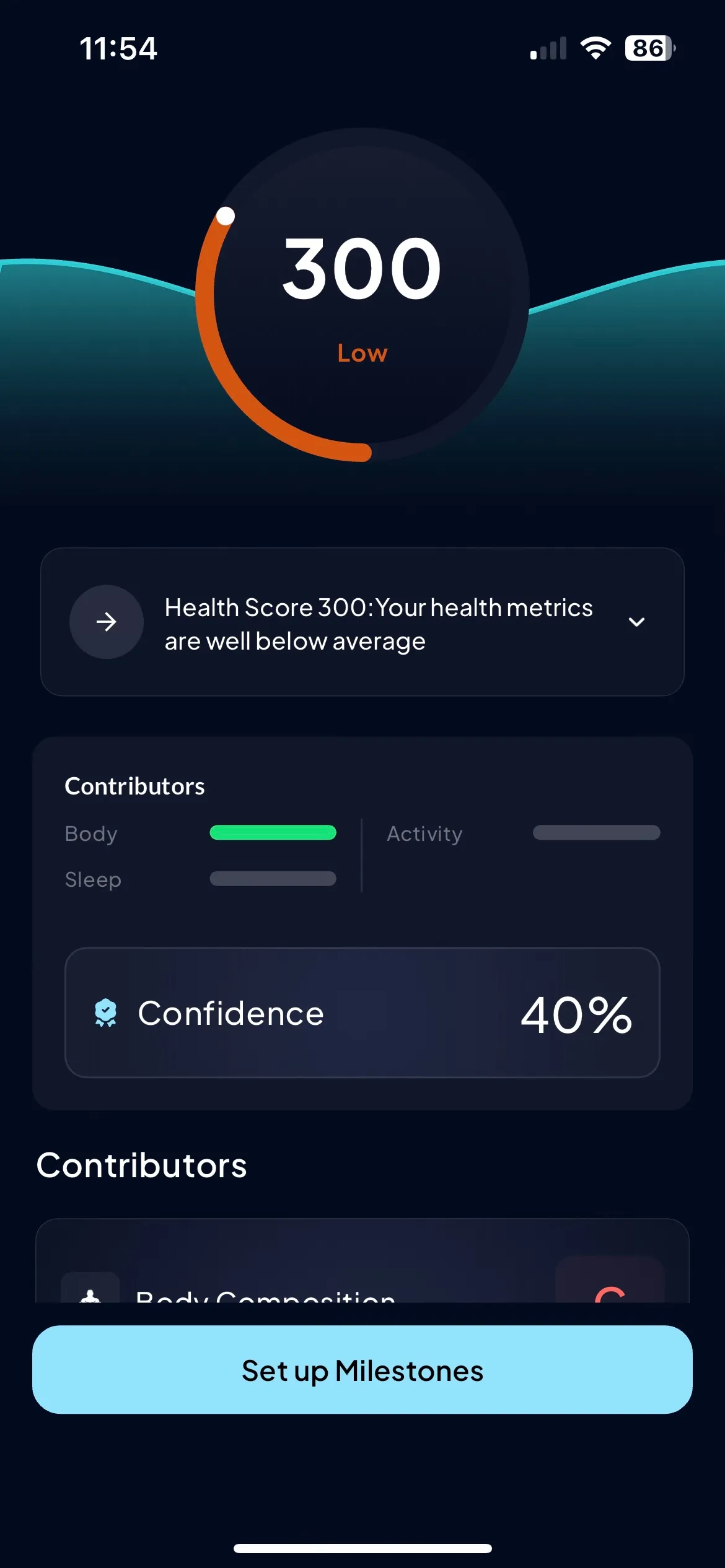
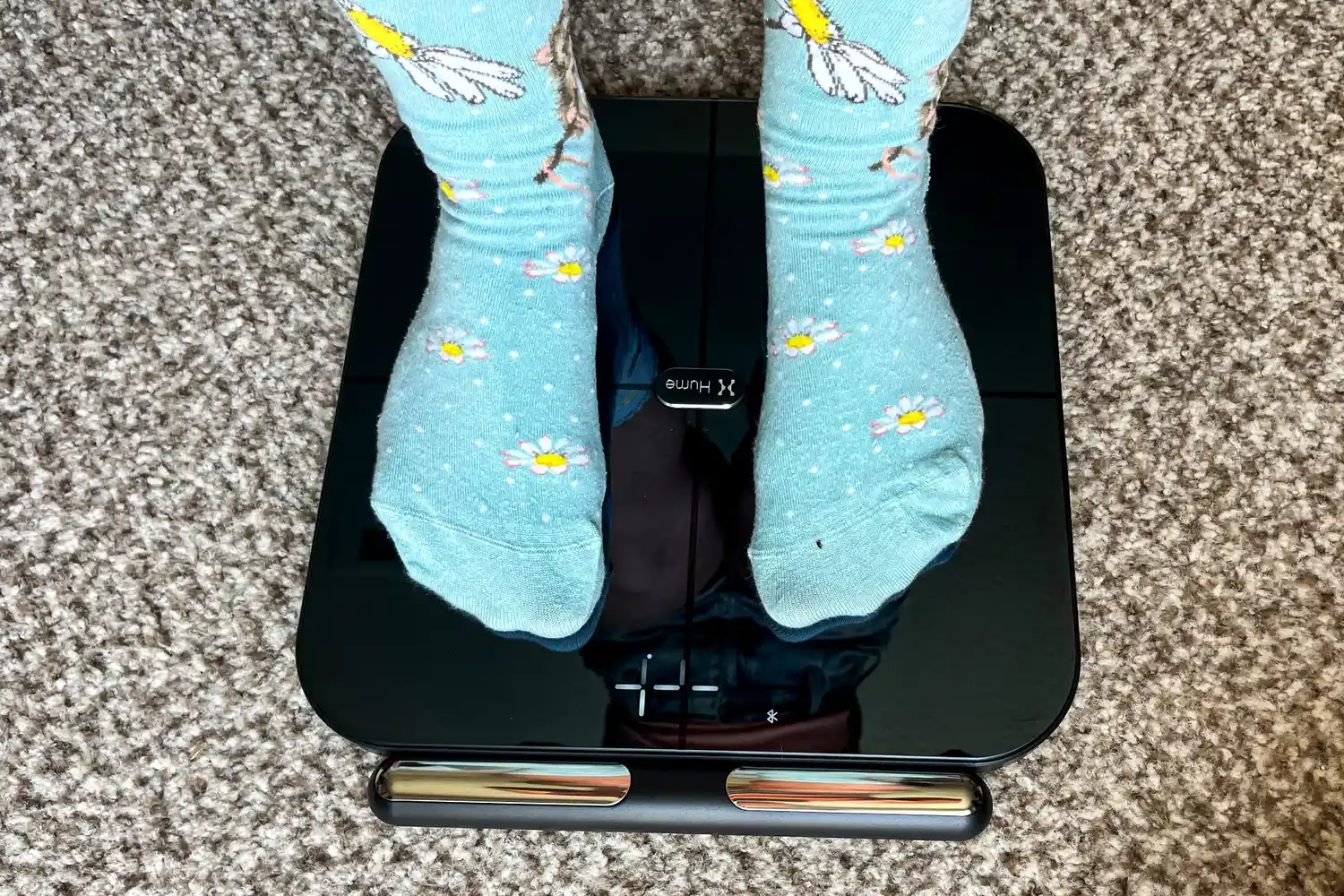
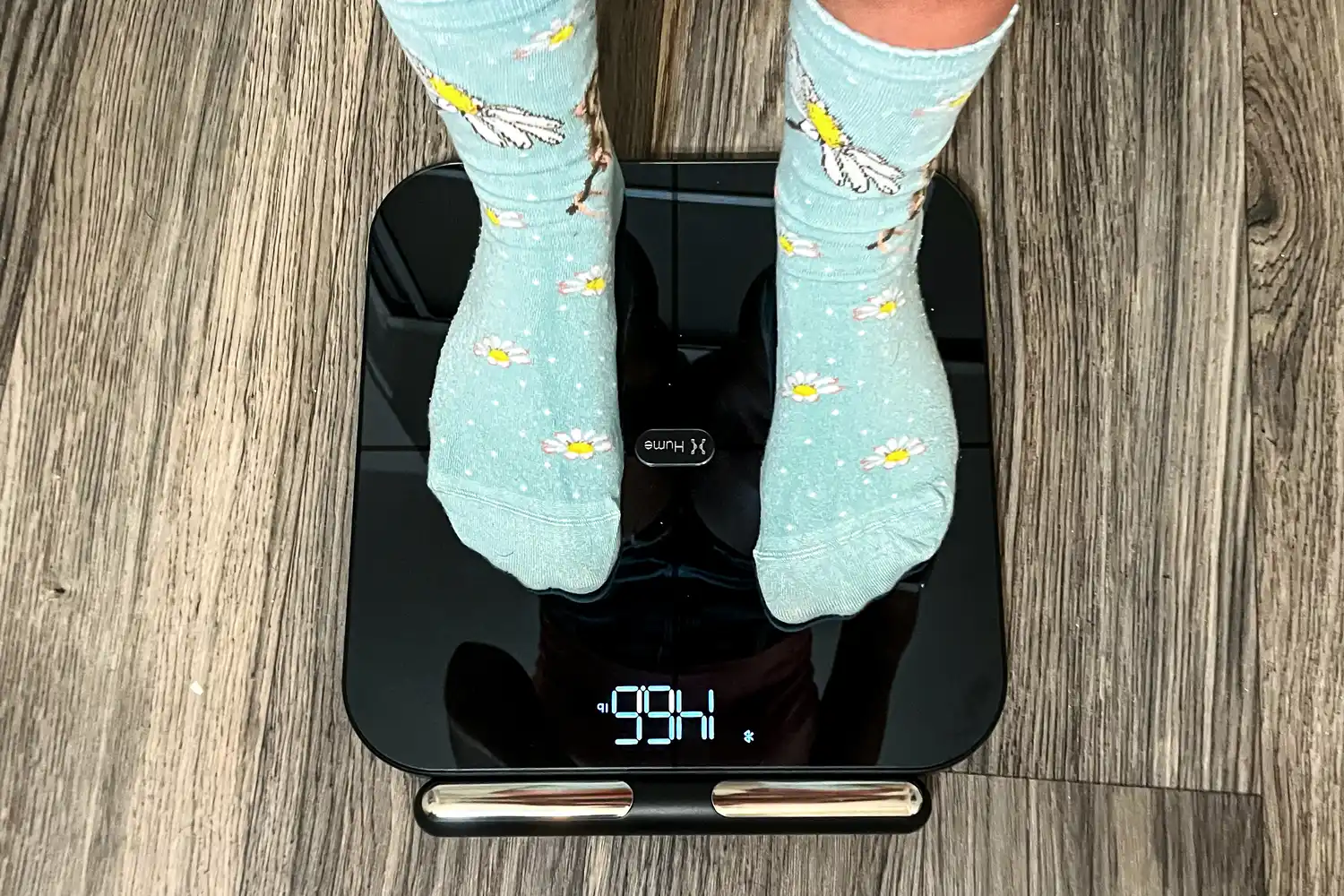
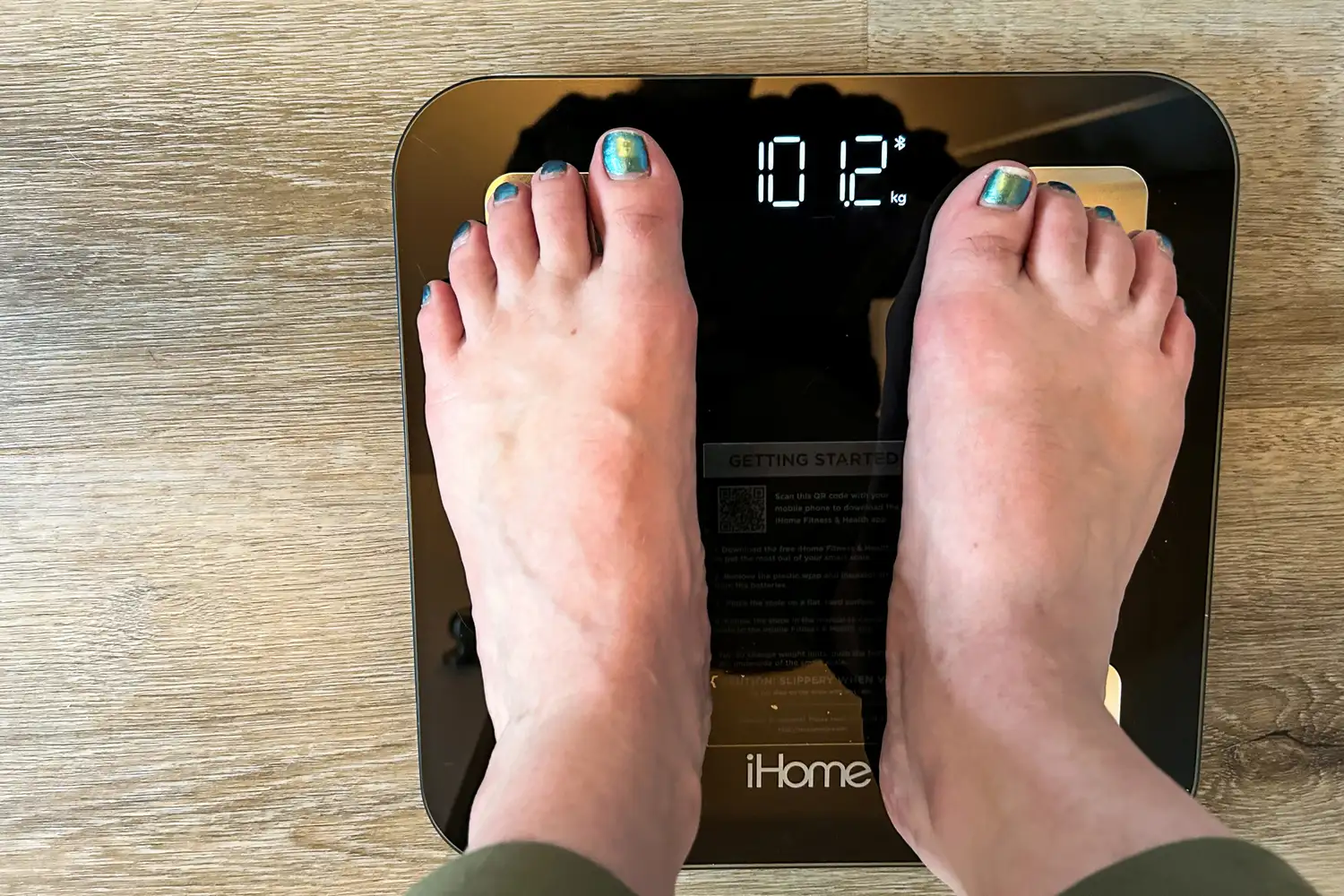
As a fitness professional and regular exerciser, using a smart scale has helped me dial in my health habits to focus on specific goals. I love that the best smart scales offer plenty of data, including body weight, body mass index (BMI), body fat percentage, and more. Even if some users aren't overly data-driven, the most accurate smart scales can help support better-informed health choices in an easy-to-understand format. Standard scales typically only display weight, but I love that smart scales often wirelessly connect to your smartphone, putting your metrics right at your fingertips.
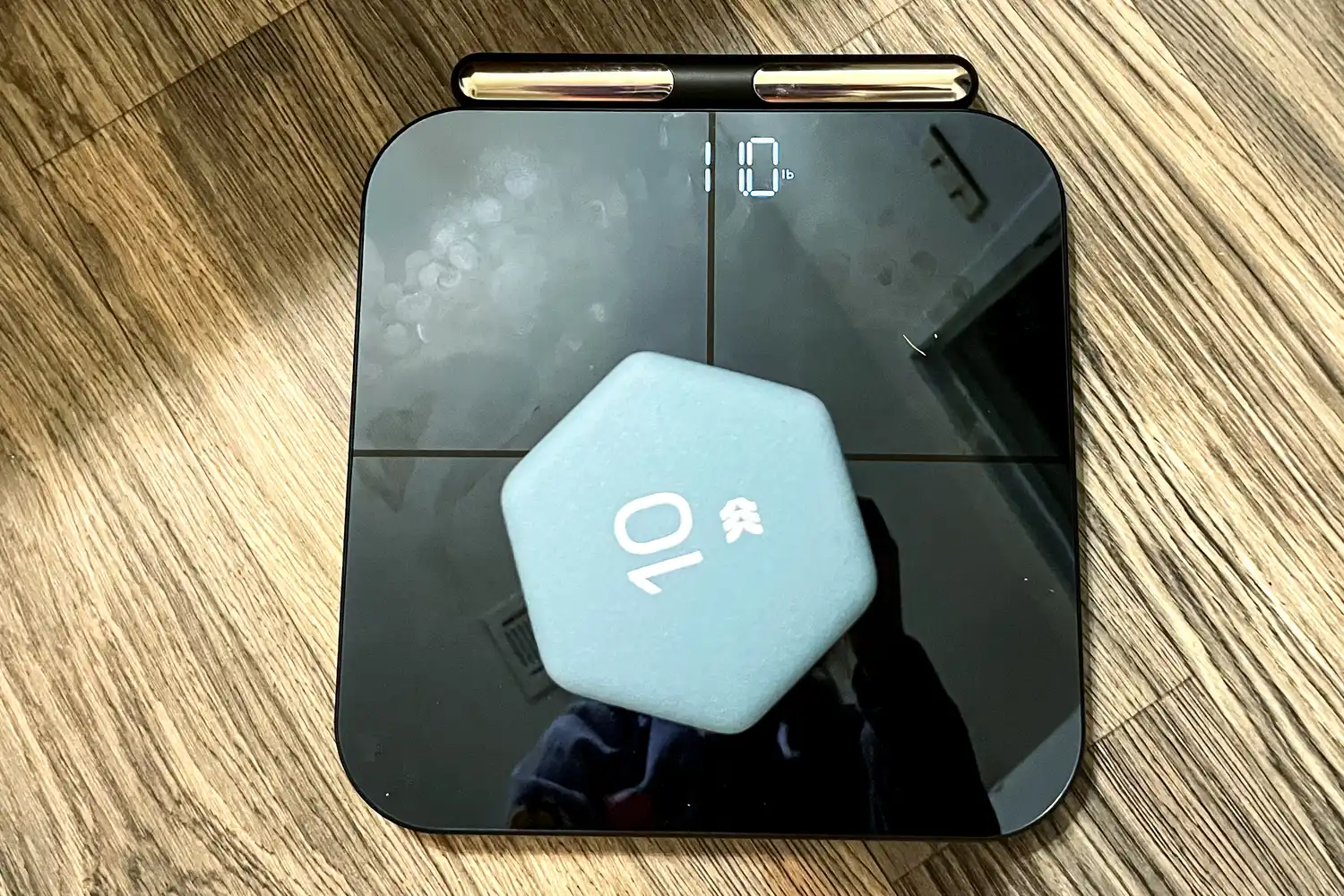
To find the best smart scales, we sought input from medical experts on what key features to look for when shopping for a high-quality, accurate option and how to use it properly. Then, we hands-on tested 40 top-rated options, using each scale daily to evaluate our personal health stats. We evaluated each smart scale's setup, precision, data storage, display, ease of use, and value to find the top options on the market.
Top Picks
What to Know Before You Get Started
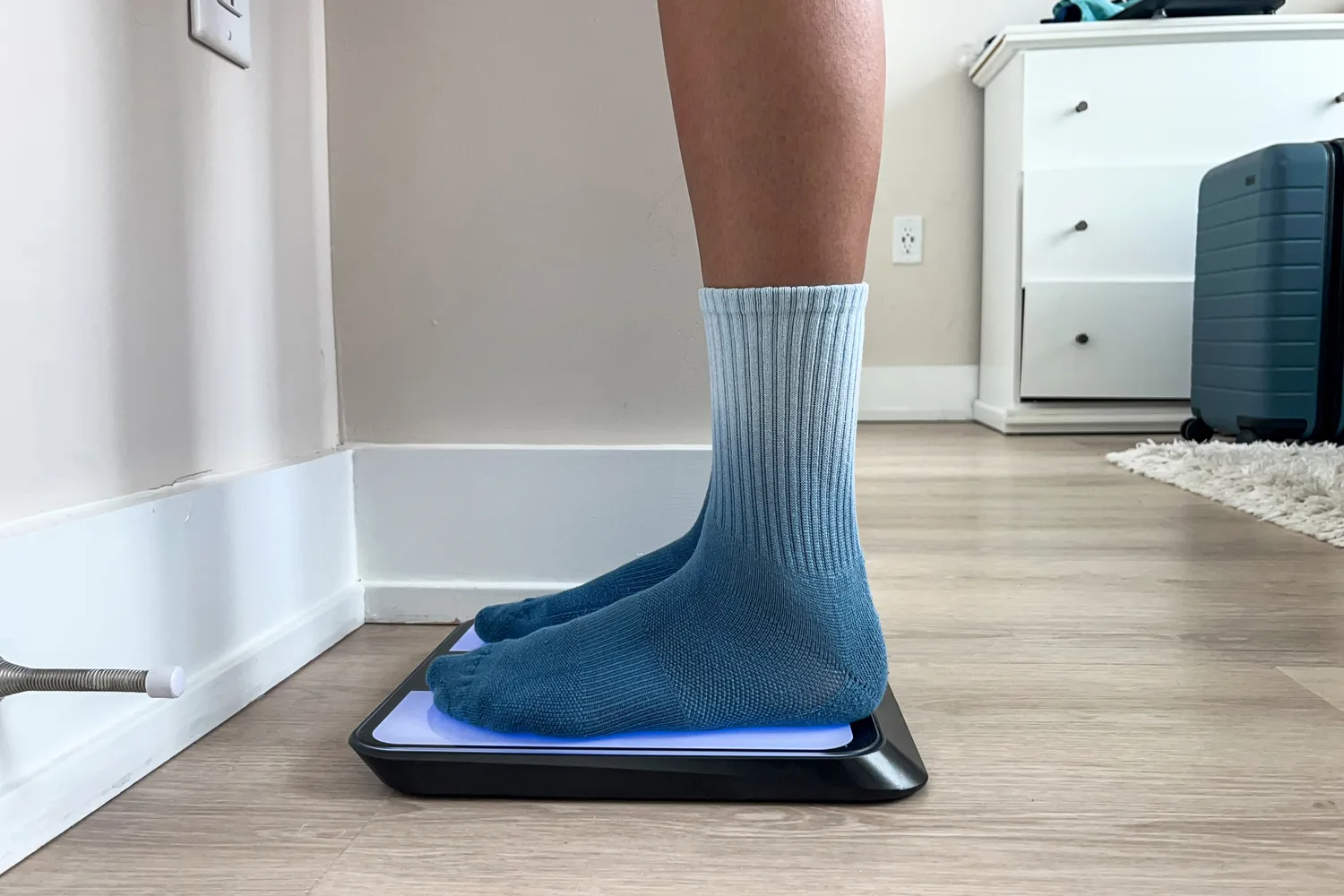
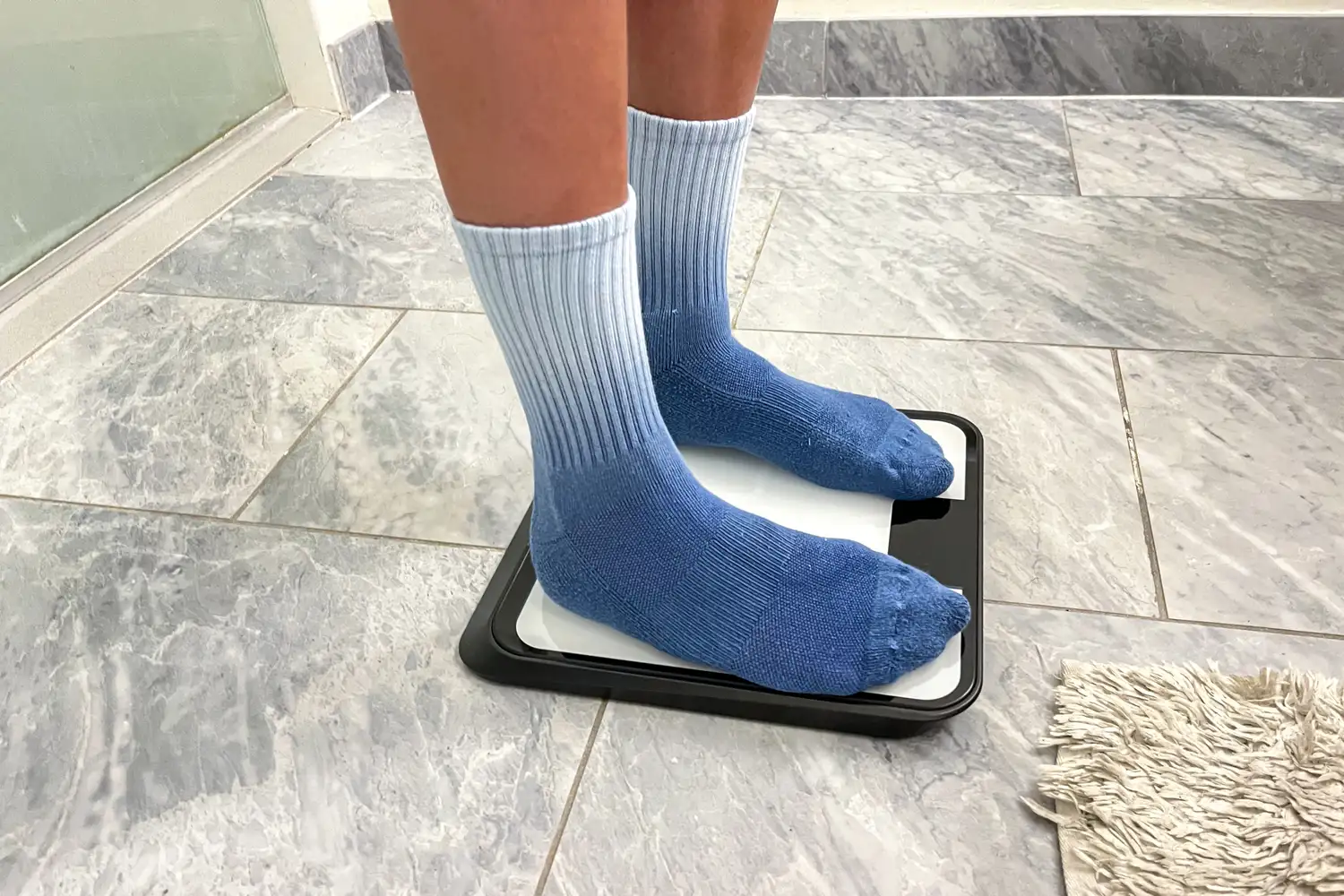
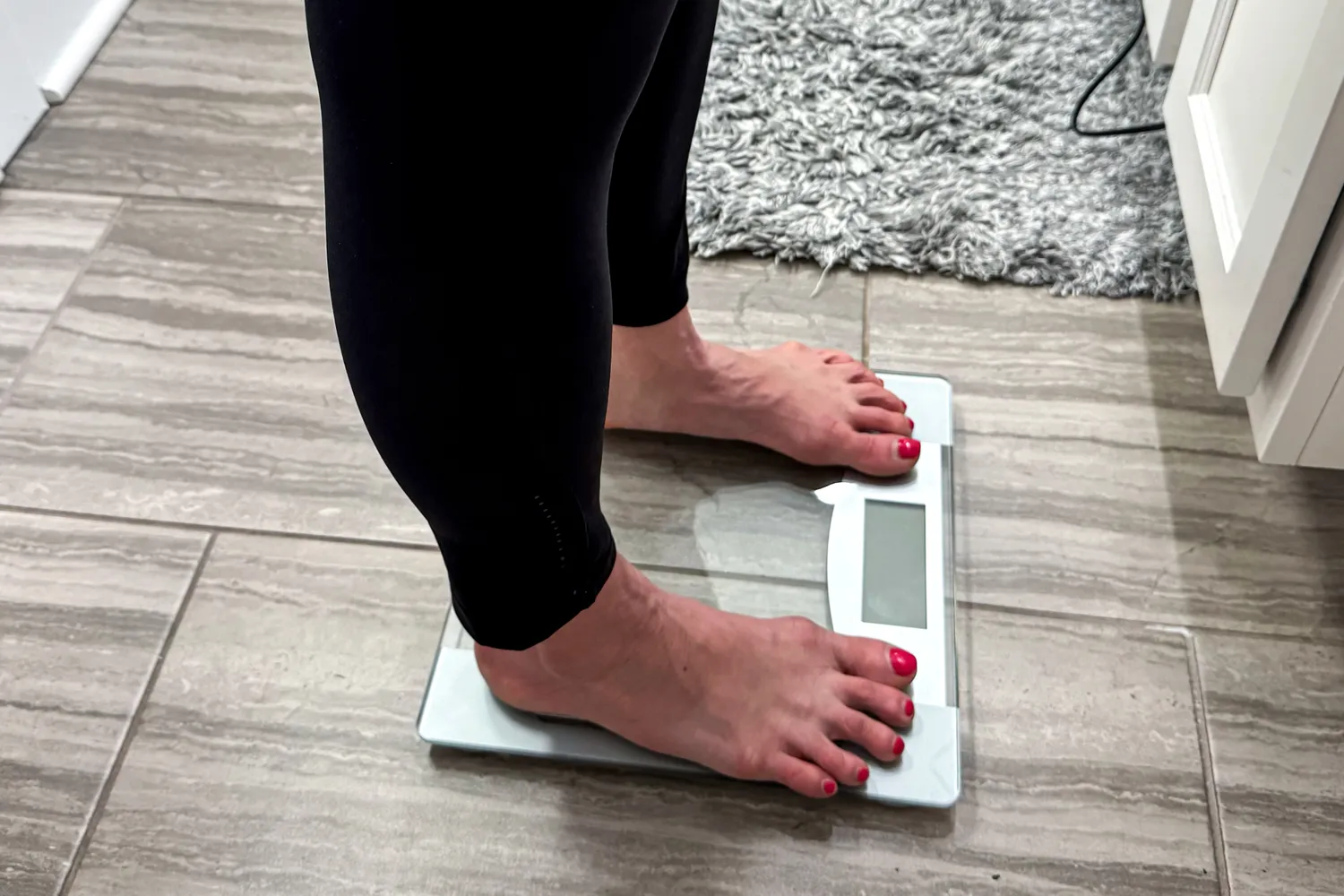
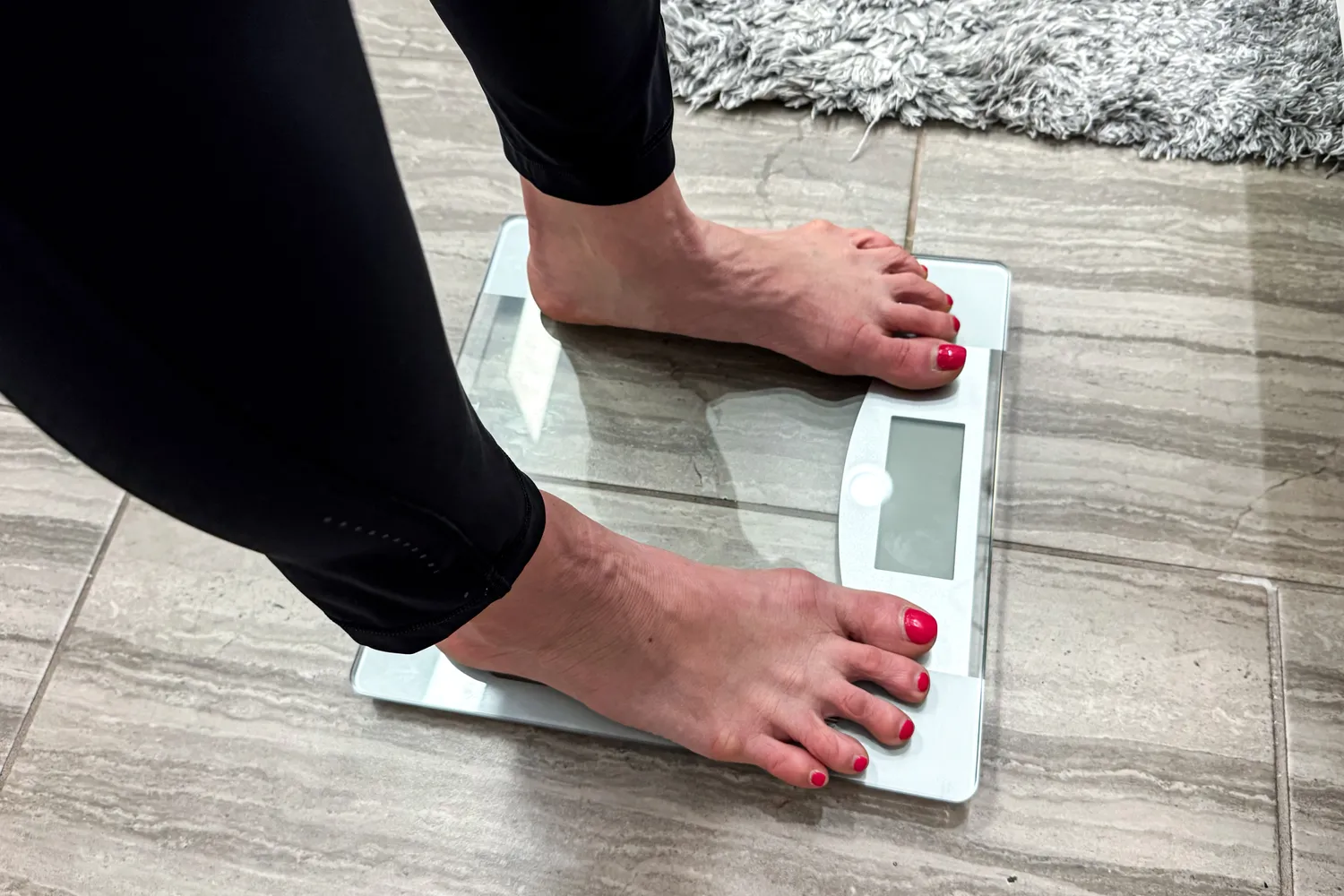
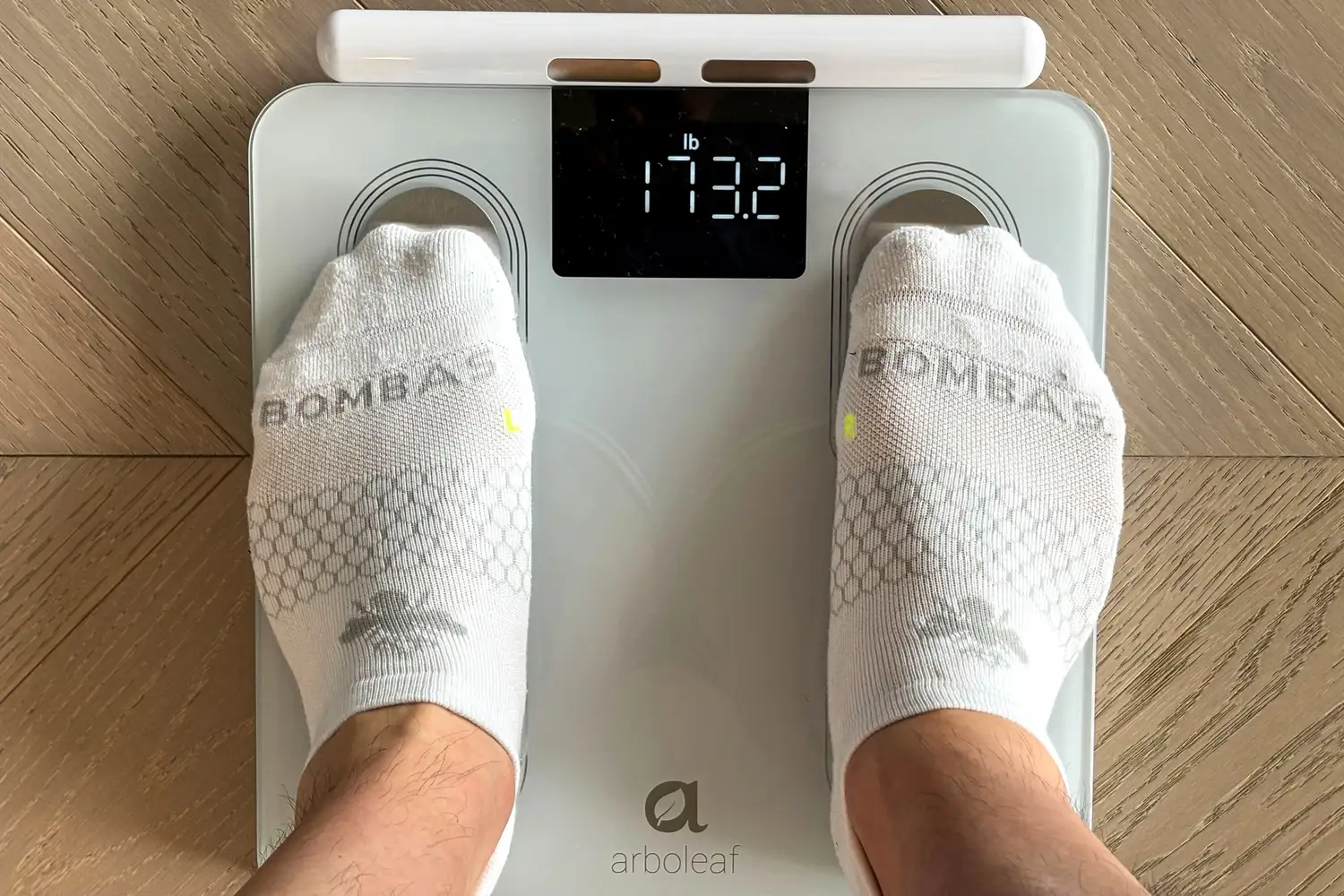
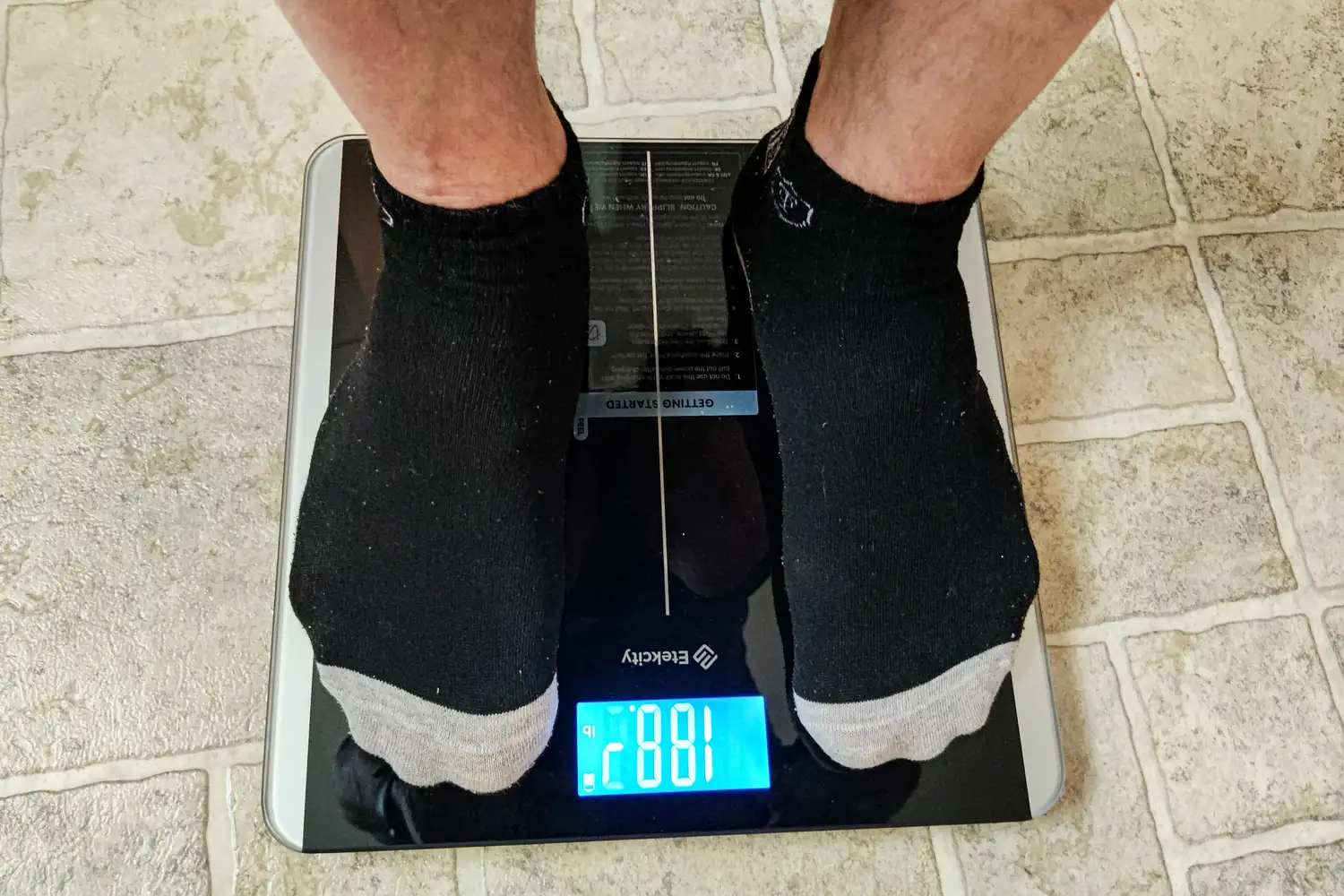
A significant advantage of smart scales is their ability to create a digital, long-term health history by storing your data in a user profile. Compared to traditional dial scales, smart scales tend to be more accurate for routine weight management, says weight loss clinic physician Katie Rosenfeld, DO. When using a smart scale, place it on an even surface, weigh yourself around the same time, and wear about the same amount of clothing each time you use it.
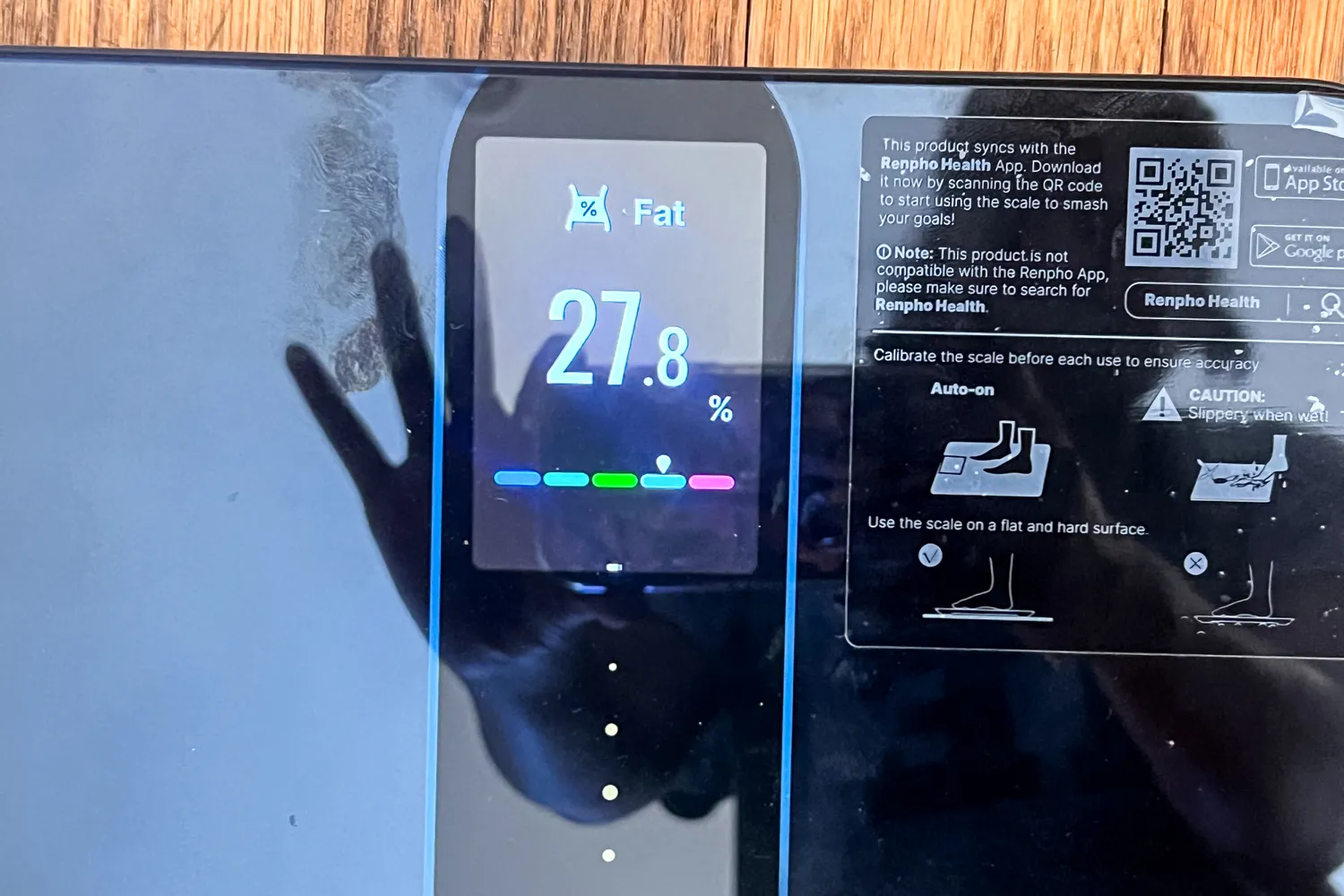
It's important to note, however, that the body fat percentage displayed on smart scales is an estimate and will not be as precise as measurements you’d get with a specialized test at a doctor's office, says obesity medicine physician-scientist Fatima Cody Stanford, MD, MPH, MPA.
Safety Warnings
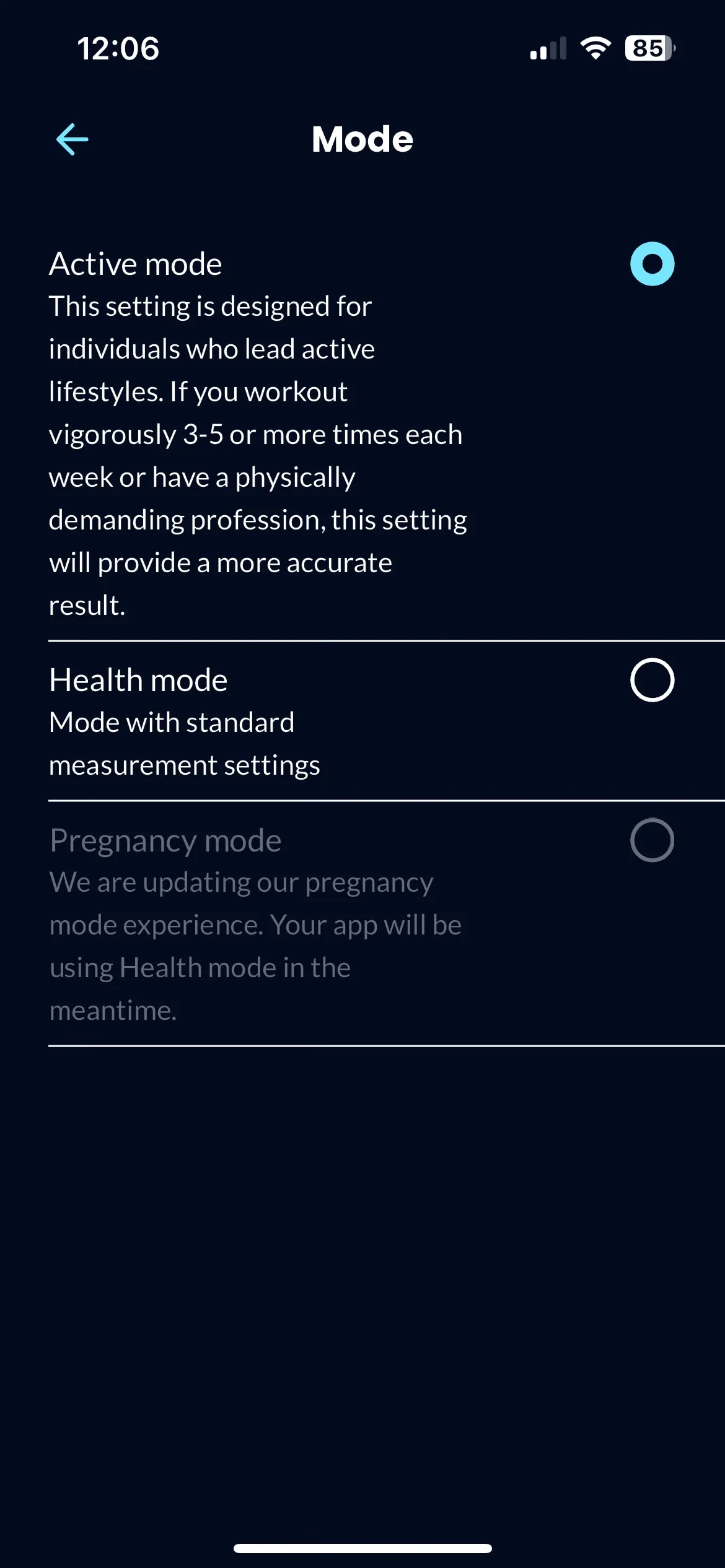
Smart scales should be avoided during pregnancy and by those with pacemakers and other cardiac implantable devices since there's a risk that the scale may interfere with the implanted device. Also, some smart scales give users feedback, which may reinforce inappropriate weight loss goals or expectations and may also feel triggering to some, including those with a history of eating disorders. If you’d like to use a smart scale but aren’t sure if it’s the best choice, speak with your healthcare provider.