Iron is an essential mineral responsible for producing hemoglobin, a protein that allows red blood cells to carry oxygen to every part of your body. It's also a component of myoglobin, similar to hemoglobin but found in muscle cells. If you don't have enough iron your body won't be able to produce enough red blood cells, which can impact your health.
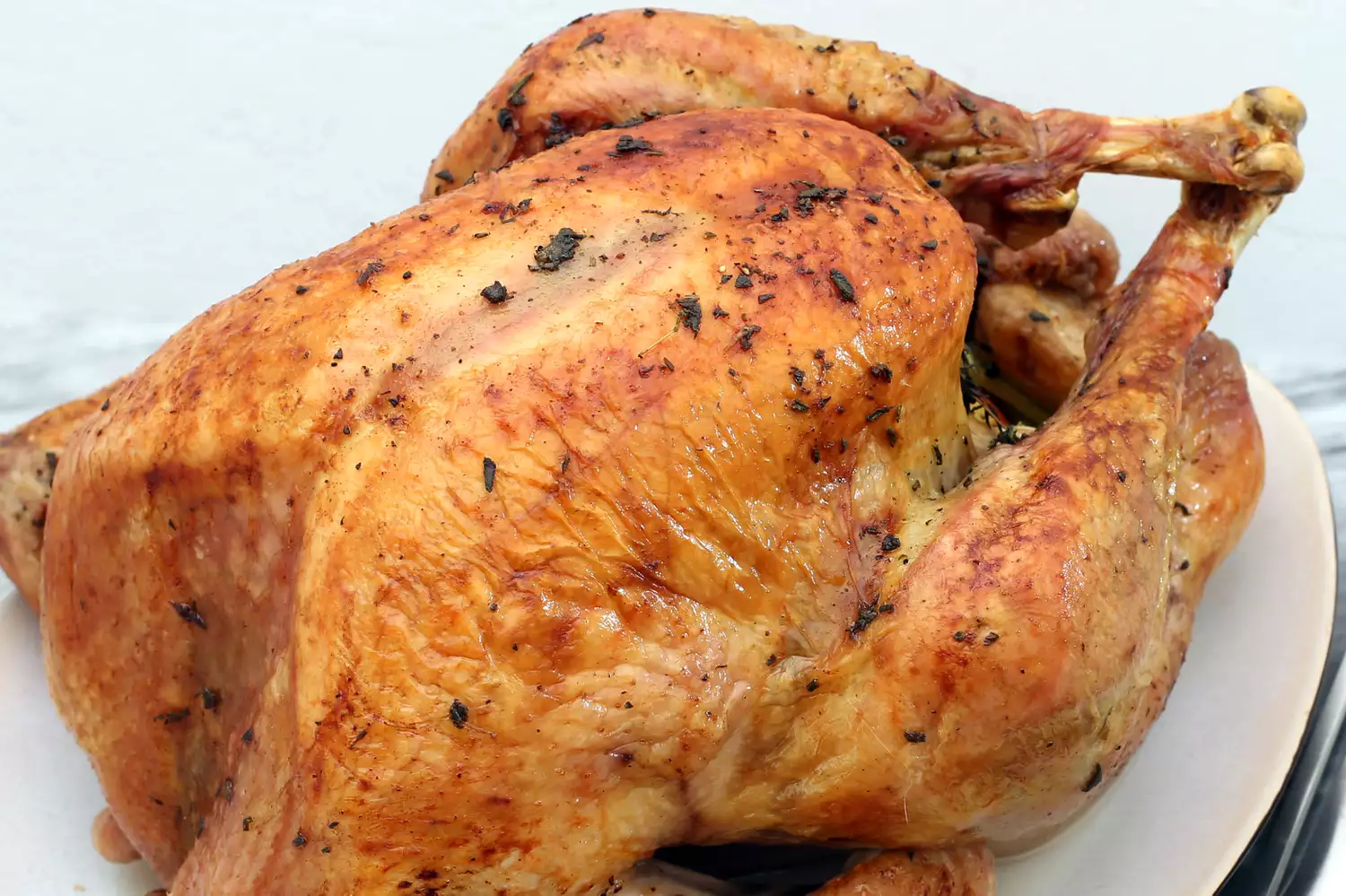
Foods high in iron are key to maintaining optimal red blood cell production. Dietary iron is categorized as either heme or nonheme iron. Heme iron is found in animal sources of food that contain hemoglobin, whereas nonheme iron is derived from plant-based food sources. Your body absorbs the most iron from heme food sources like beef, poultry, and fish which contain both heme and nonheme iron.
The National Institutes of Health (NIH) reports that most people in the United States get enough iron in their diets, but many are still deficient based on factors such as race and sociodemographic variables. According to the NIH, infants, young children, adolescent girls, and women who are pregnant or premenopausal are most at risk for iron deficiency.
You may experience fatigue, brain fog, and other symptoms if you're not eating enough foods high in iron—which can lead to iron-deficiency anemia. Some people who follow low-carb diets can develop an iron deficiency because they've reduced their intake of nonheme sources of dietary iron such as grains.
By contrast, if you get too much iron in your diet you could experience symptoms such as chronic fatigue, joint pain, and abdominal pain. Excessive iron intake can lead to serious health complications such as liver disease, type 2 diabetes, and certain heart conditions. People at risk for iron overload include those with a condition known as hereditary hemochromatosis, which causes excessive absorption of dietary iron.
To assess your iron intake, the following Recommended Dietary Allowances (RDAs) for iron are provided by the NIH. Note that these values do not include the RDAs for vegetarians, which are about 1.8 times higher than carnivores, according to the NIH. That's because nonheme iron from plant-based foods is less bioavailable than heme iron from animal sources.
- Birth to 6 months: 0.27 mg (male and female)
- 7–12 months: 11 mg (male and female)
- 1–3 years: 7 mg (male and female)
- 9–13 years: 8 mg (male and female)
- 14–18 years: 11 mg (male); 15 mg (female)
- 19–50 years: 8 mg (male); 18 mg (female)
- 51 years and up: 8 mg (male and female)
The NIH recommends pregnant women who eat meat should get 27 mg of iron daily and lactating women require about 9 mg. Vegetarian and vegan women who are pregnant need much more—about 49 mg of nonheme (plant-based) iron per day. Lactating vegetarian women should aim for 16 mg.
Nutrition experts recommend getting your iron from food sources rather than dietary supplements. Iron supplements, including some protein bars, can benefit those with certain health conditions such as anemia. Many vegetarian and vegan multivitamins and supplements contain iron, as do supplements for endurance athletes. Be sure to talk to your doctor or a registered dietician before adding iron supplements.
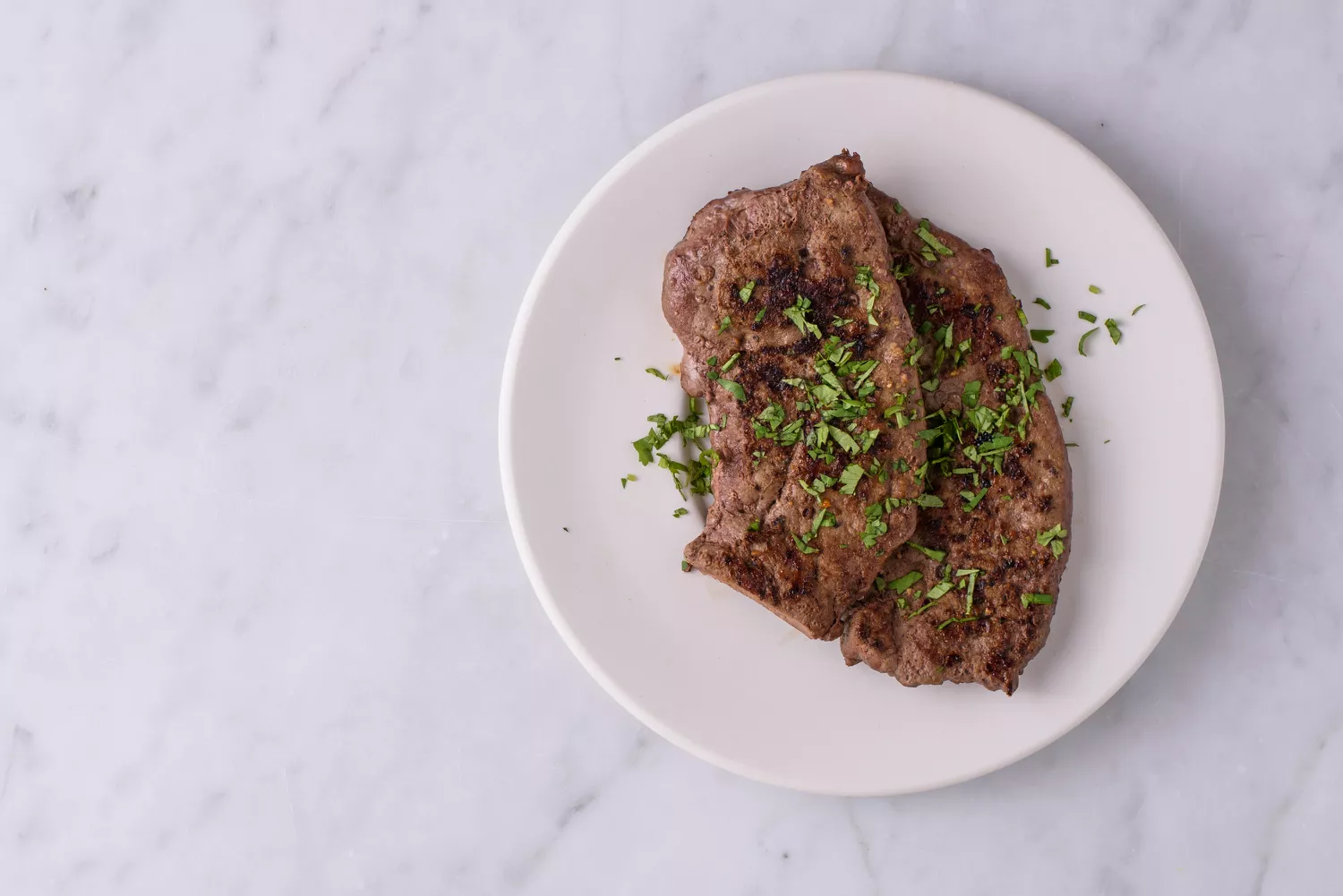
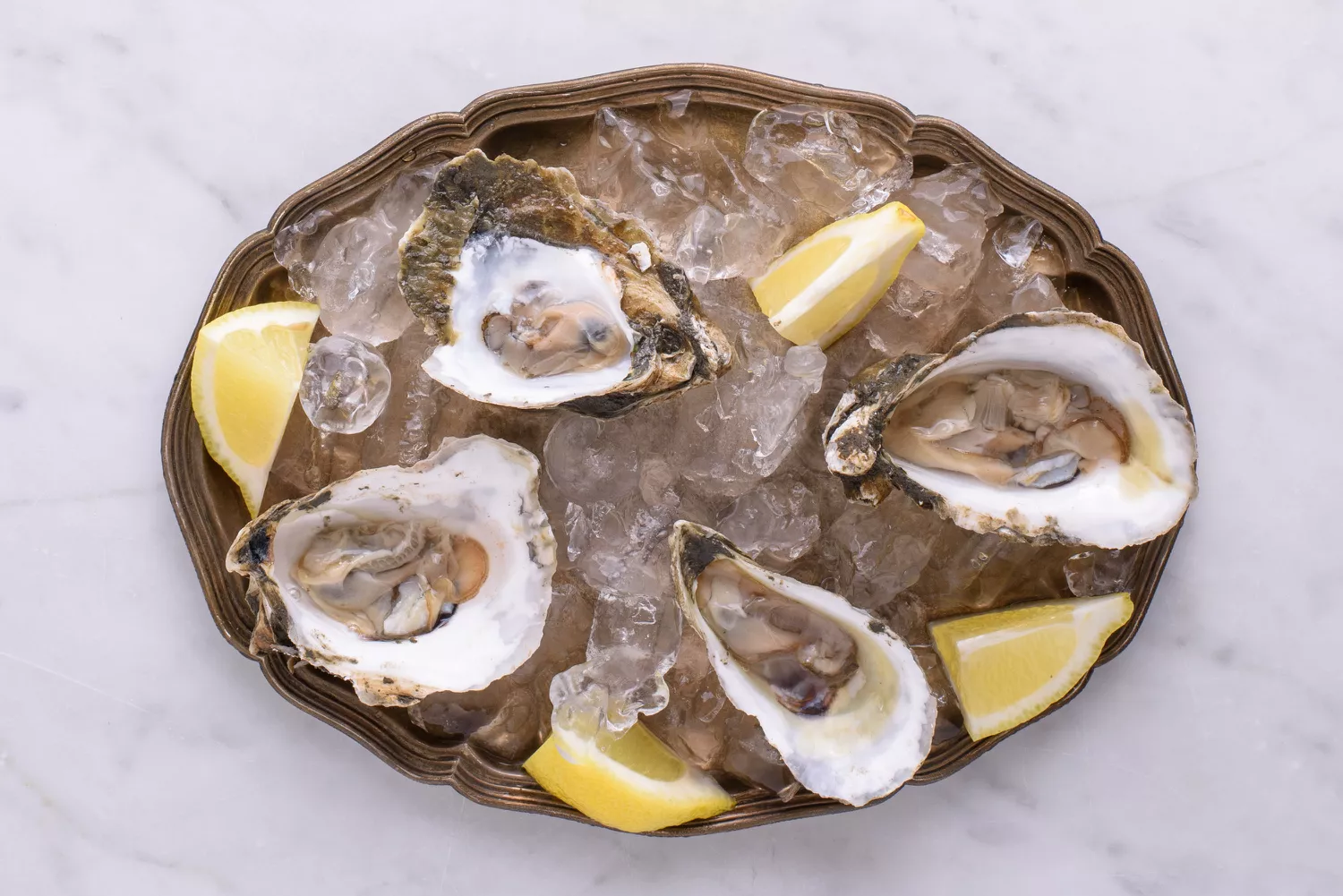
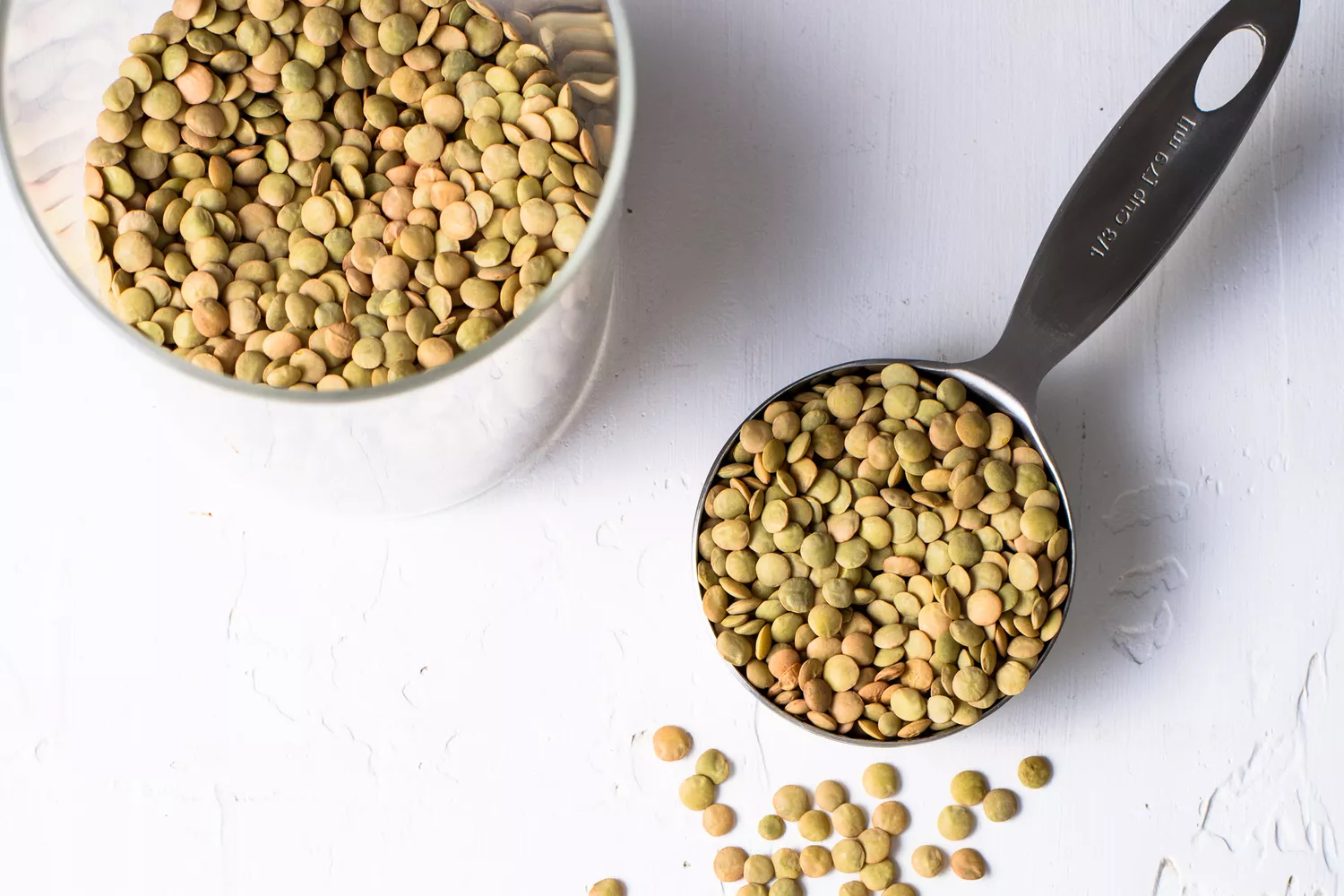
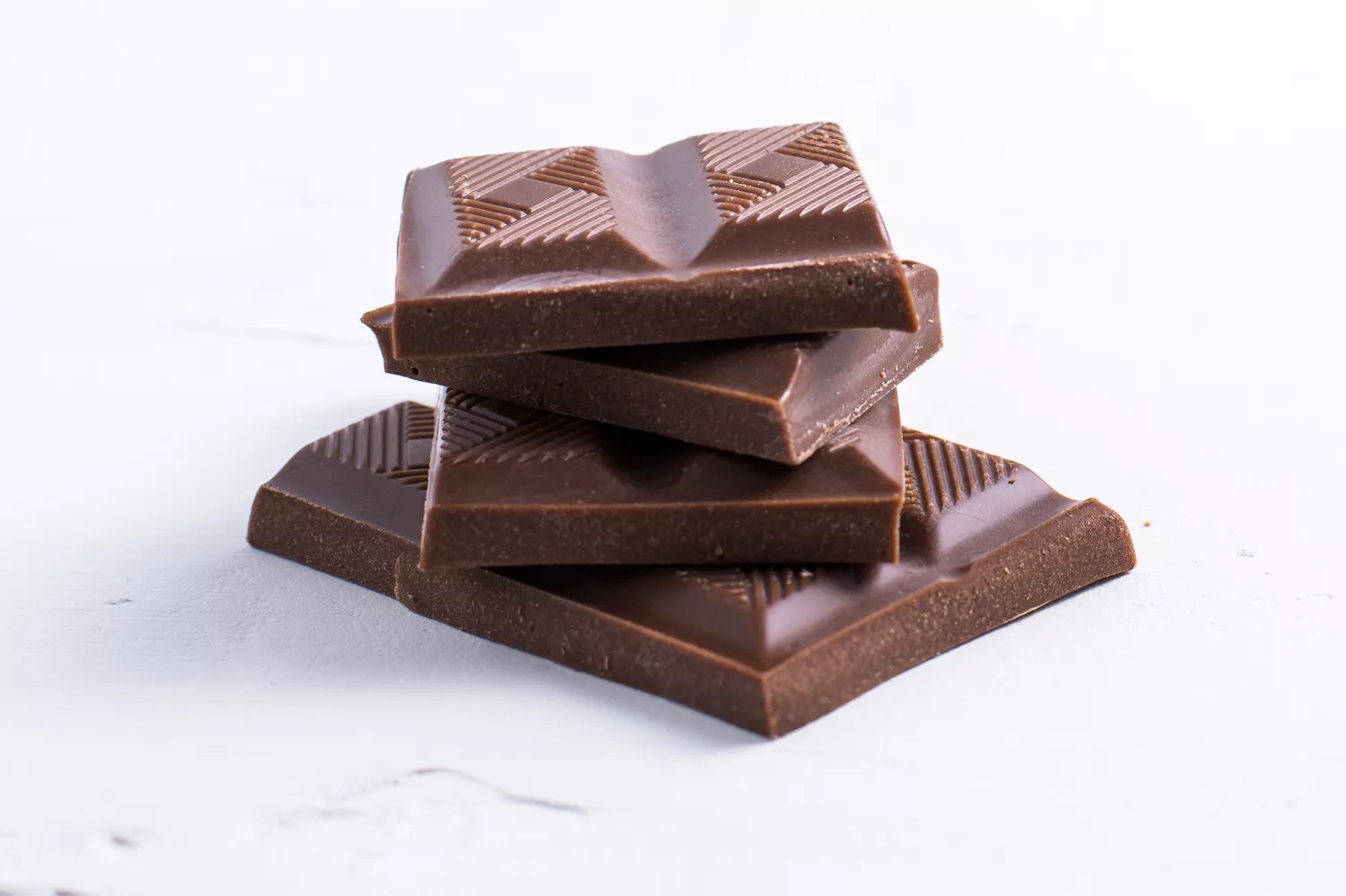
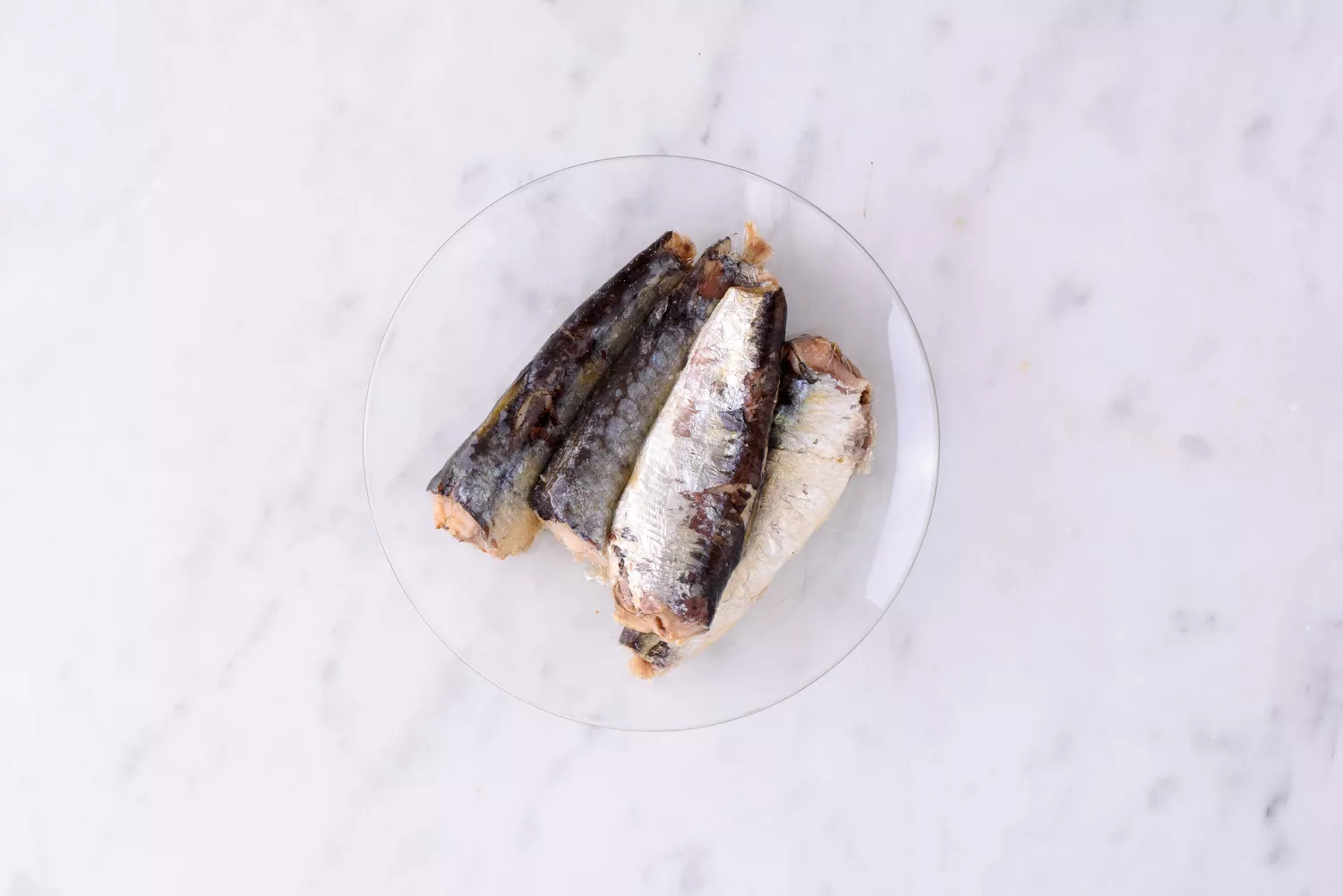
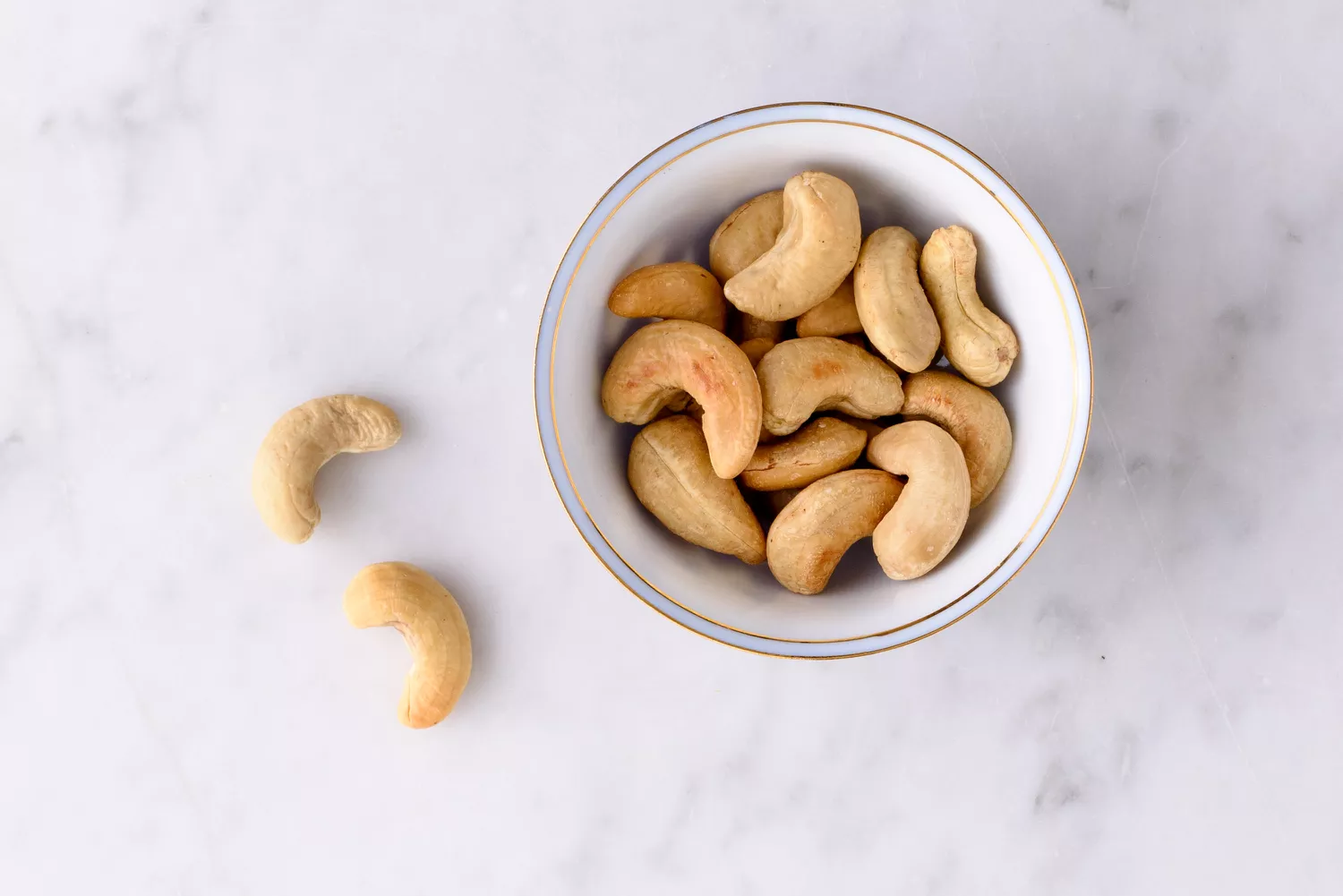
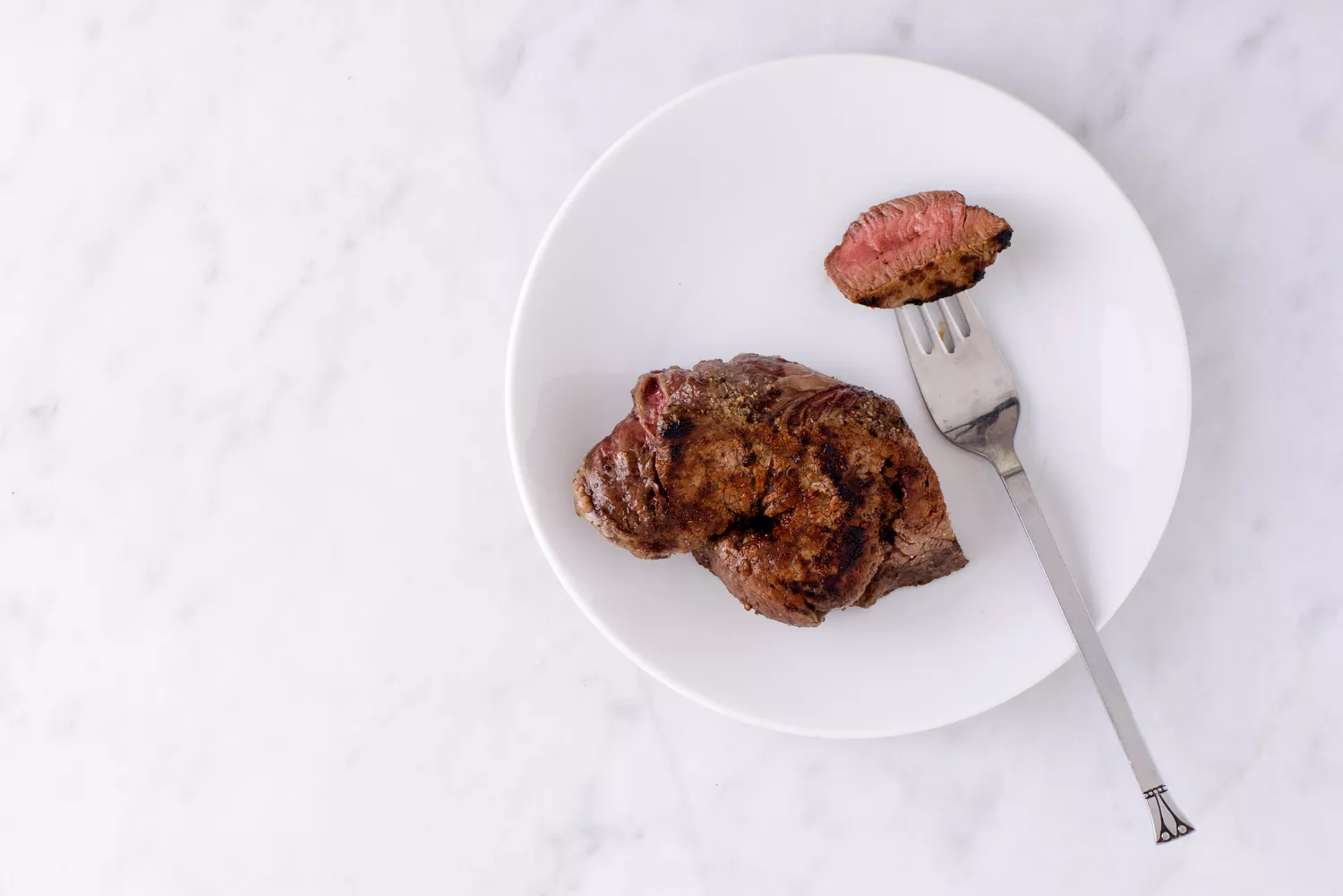
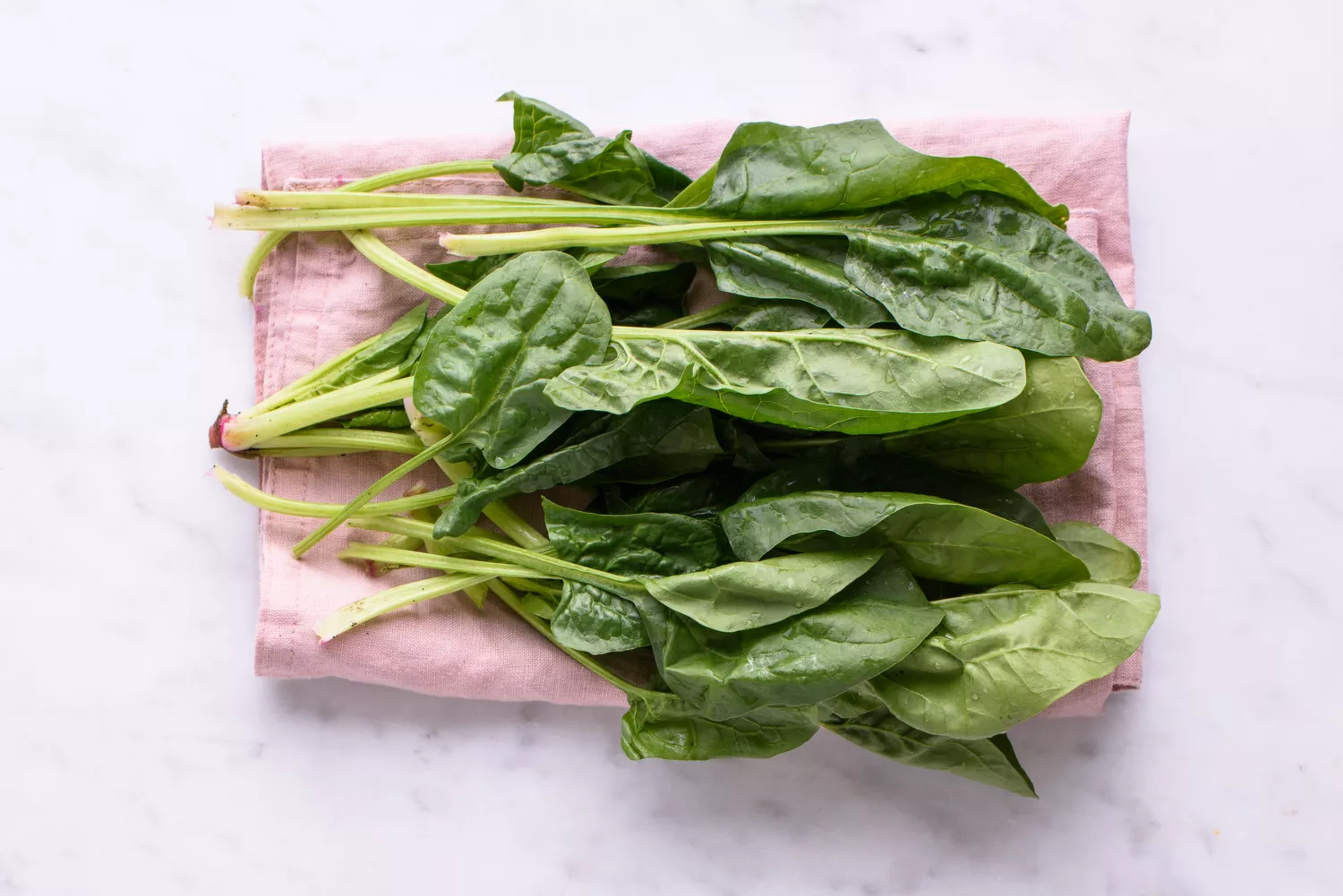
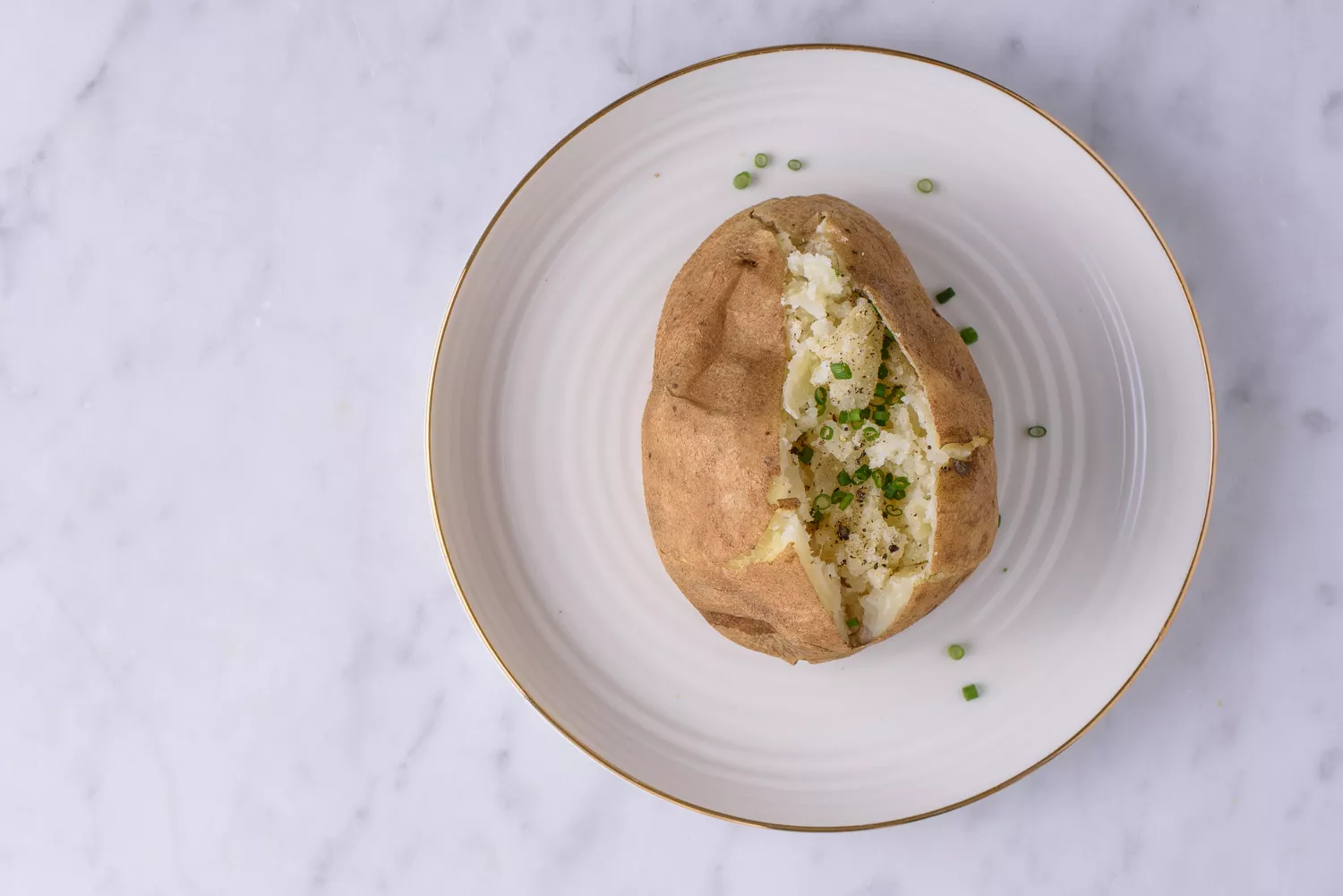
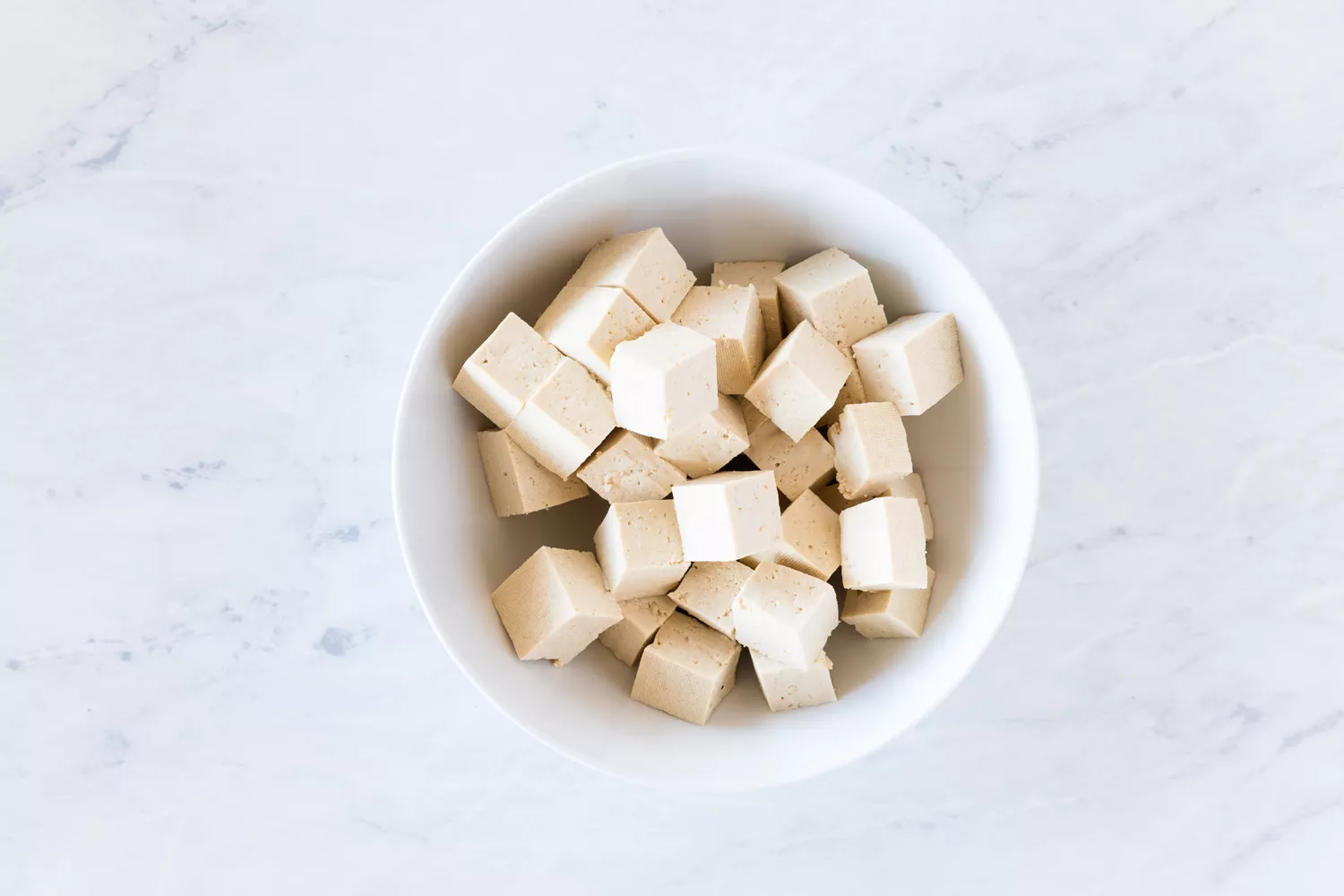
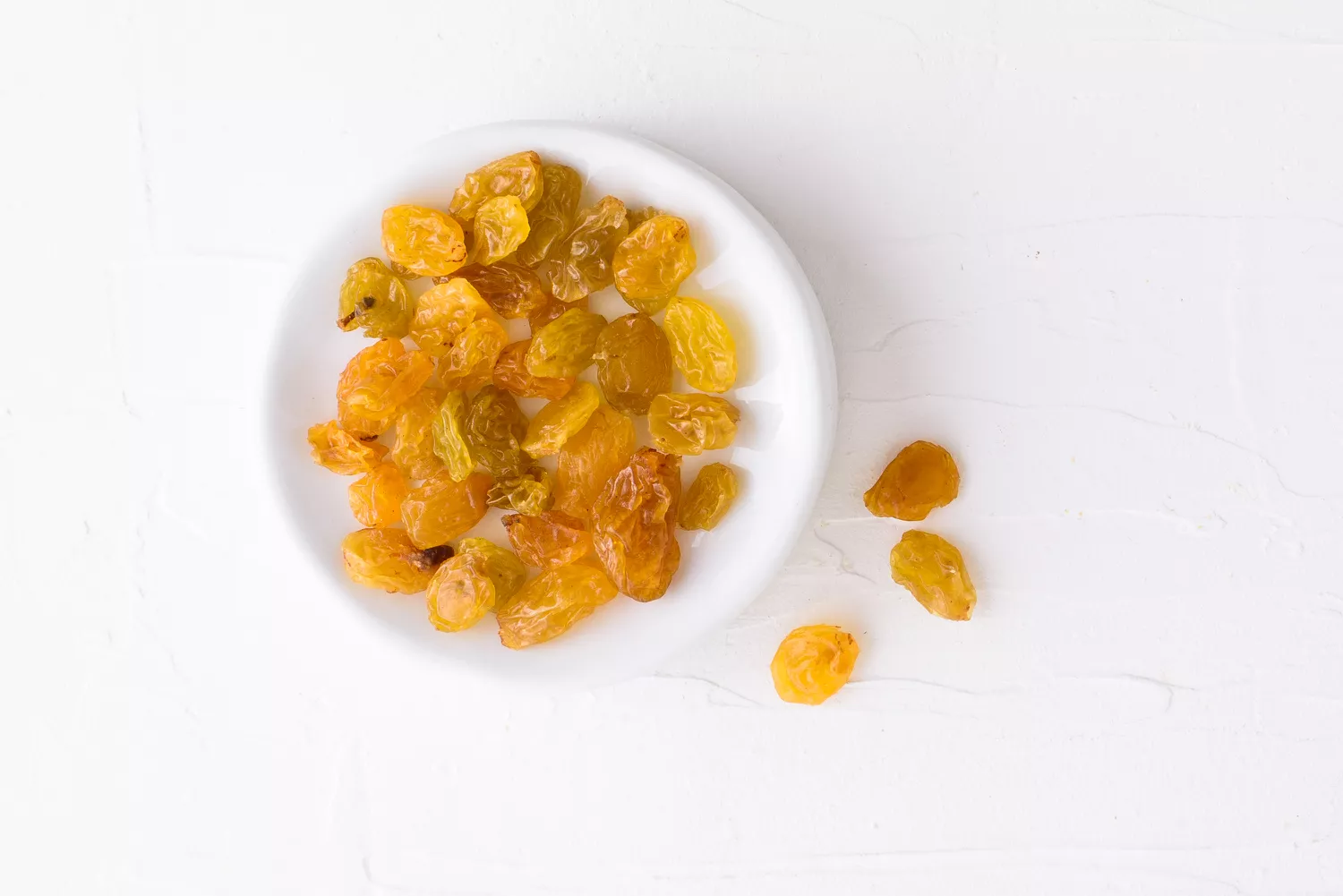
Getting more nutrient-dense whole foods can boost your iron intake and help you meet your RDA. Choose from plant-based or animal sources (or a combination of both) from this list of whole foods high in iron, which also contain other important vitamins and minerals.
:max_bytes(150000):strip_icc():format(webp)/__opt__aboutcom__coeus__resources__content_migration__simply_recipes__uploads__2009__07__quinoa-horiz-a-1200-0a72a2a1d2824928861a53dedcca2214.jpg)
:max_bytes(150000):strip_icc():format(webp)/__opt__aboutcom__coeus__resources__content_migration__simply_recipes__uploads__2020__01__Quinoa-Squash-Skillet-METHOD-6-382a4d2795b2422cae1e6db001076688.jpg)
:max_bytes(150000):strip_icc():format(webp)/__opt__aboutcom__coeus__resources__content_migration__simply_recipes__uploads__2018__09__Broccoli-Cheddar-Quesadillas-METHOD-1-f845cb10e8ae4ac788d94bb1e368d825.jpg)