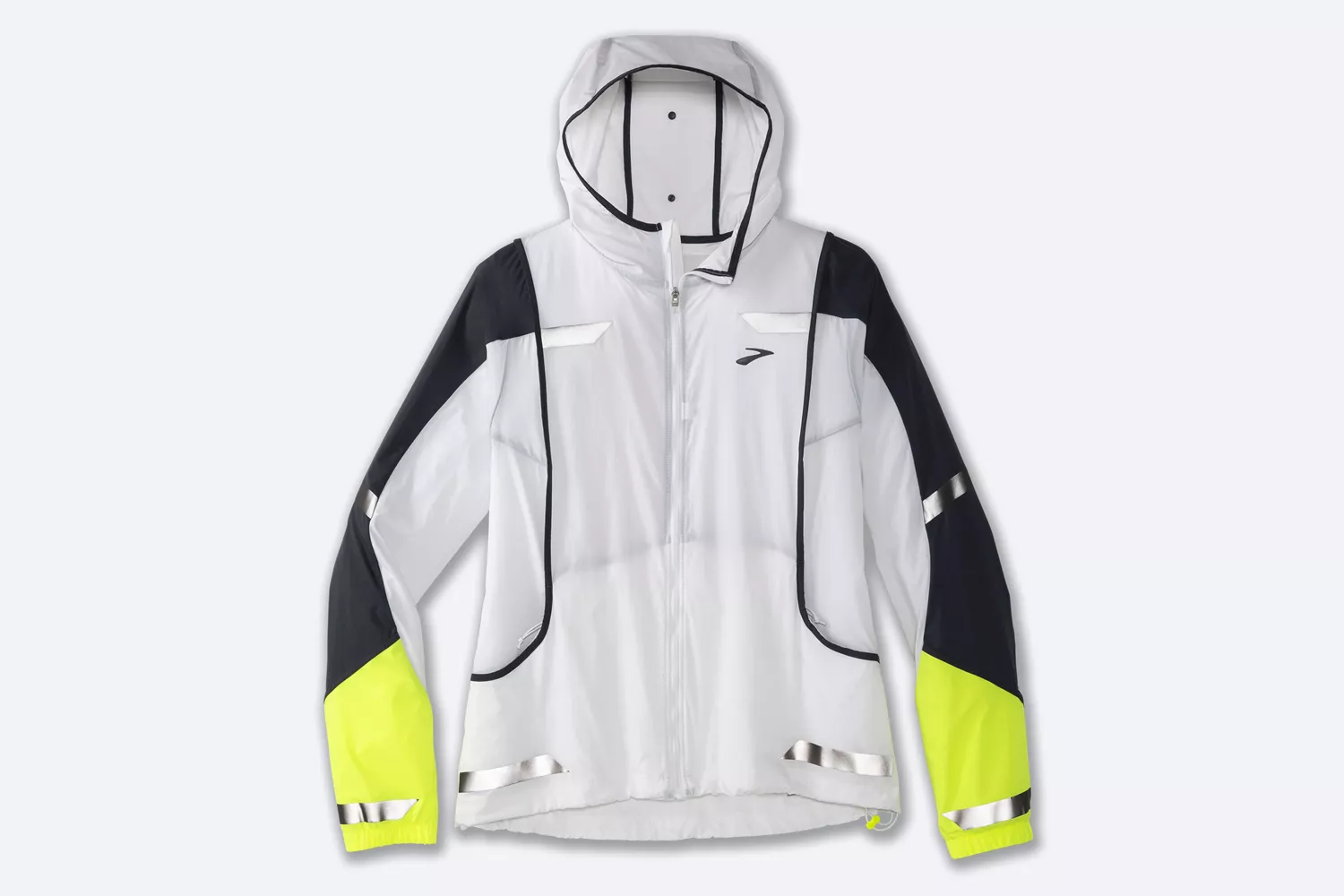
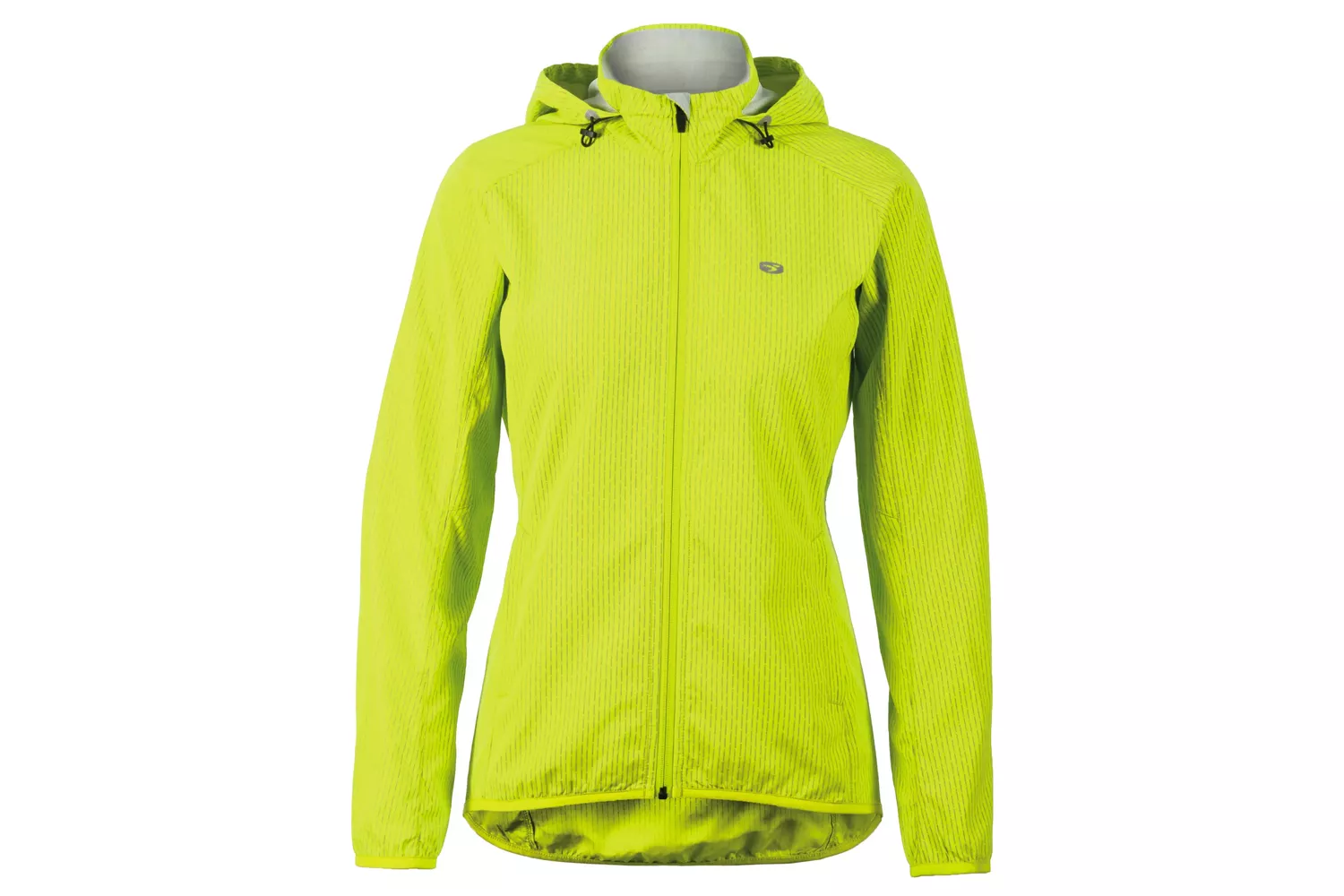
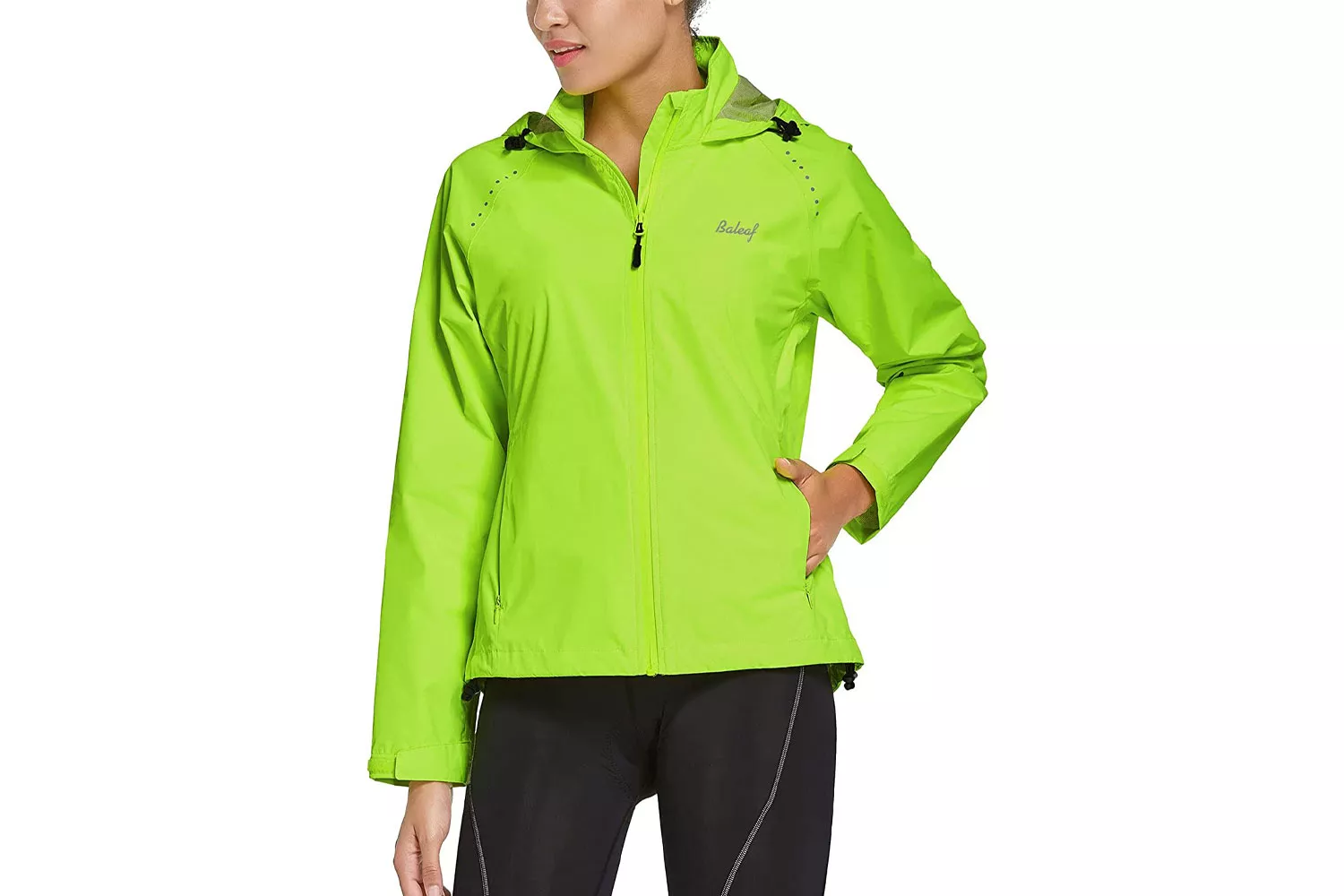
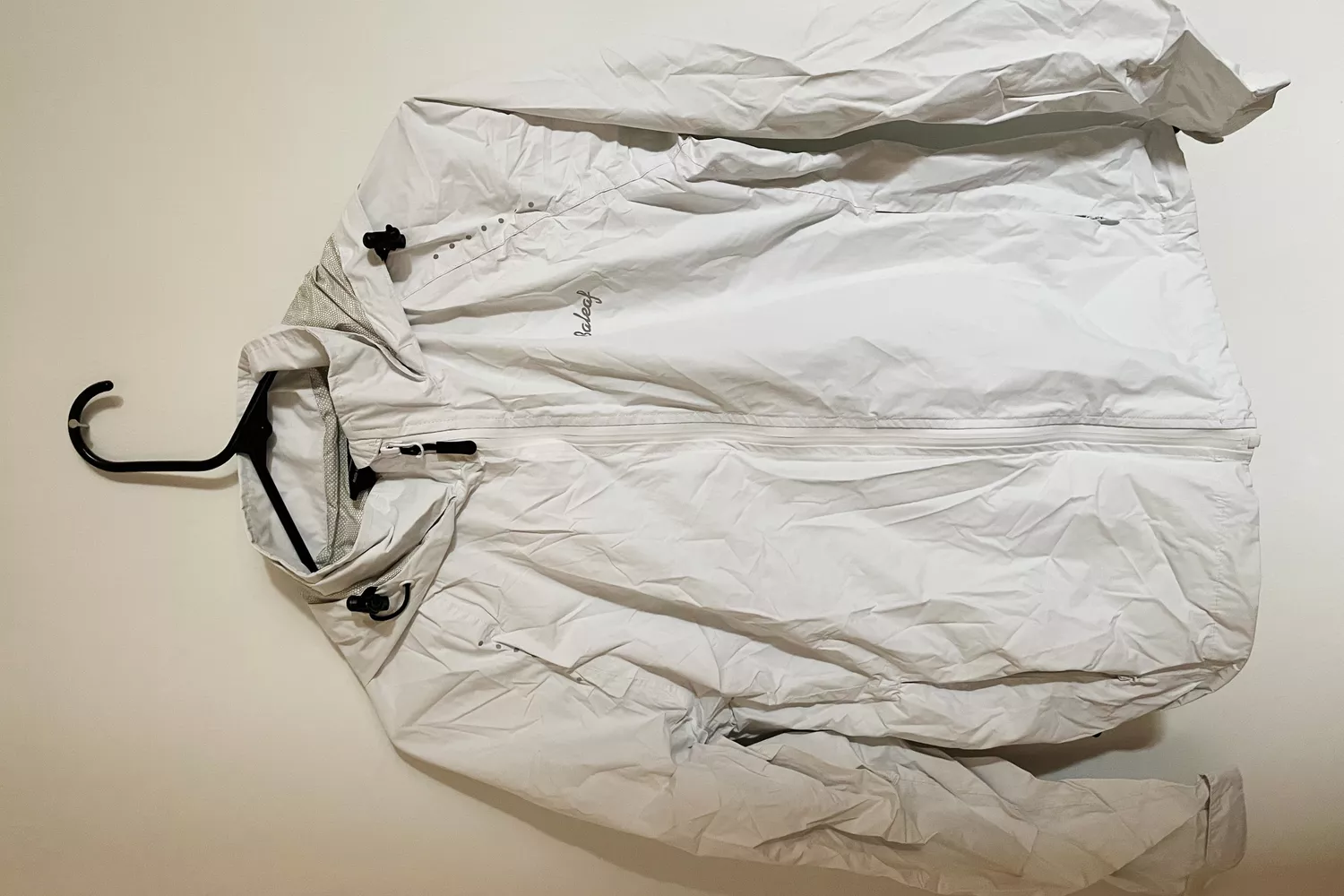
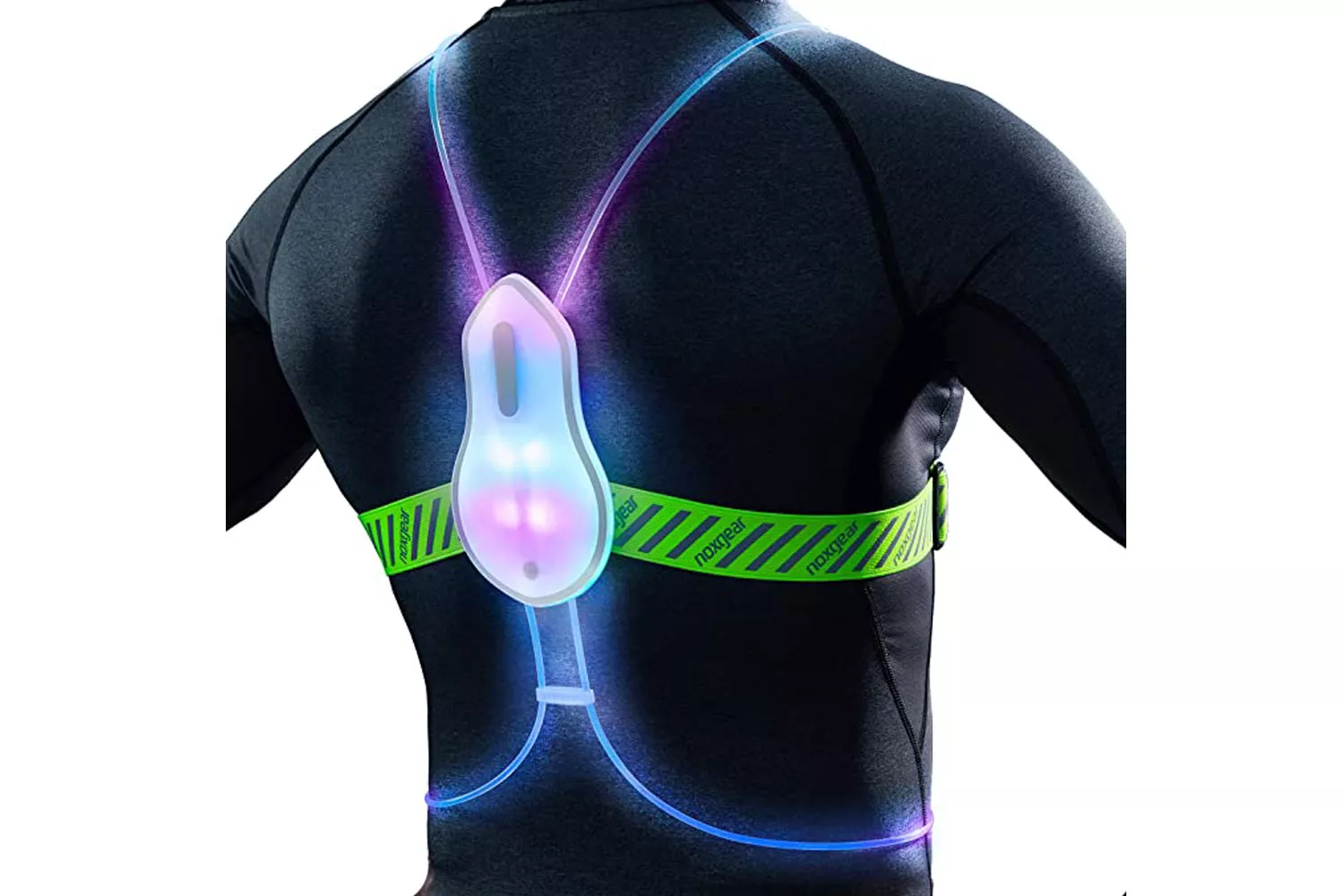
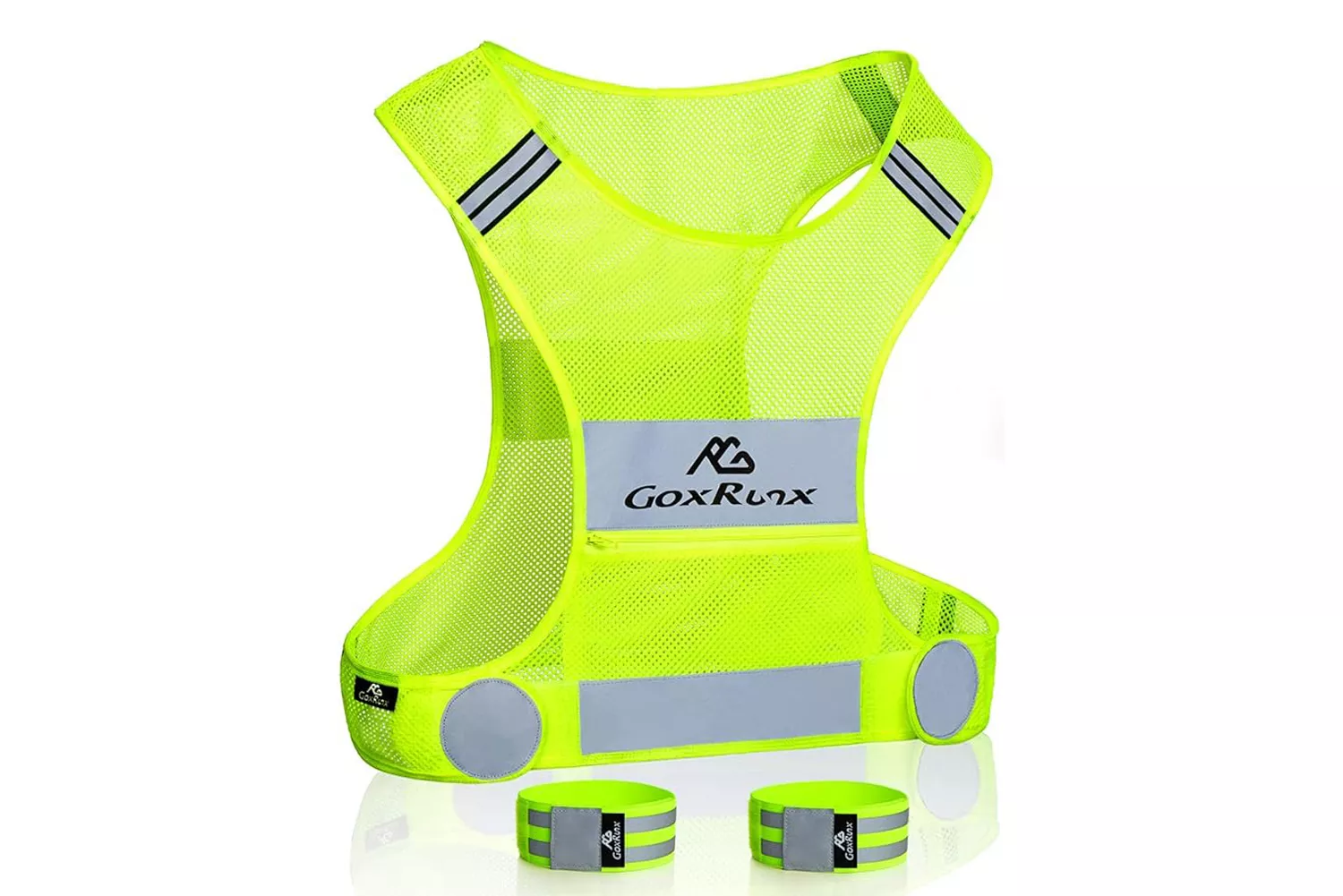
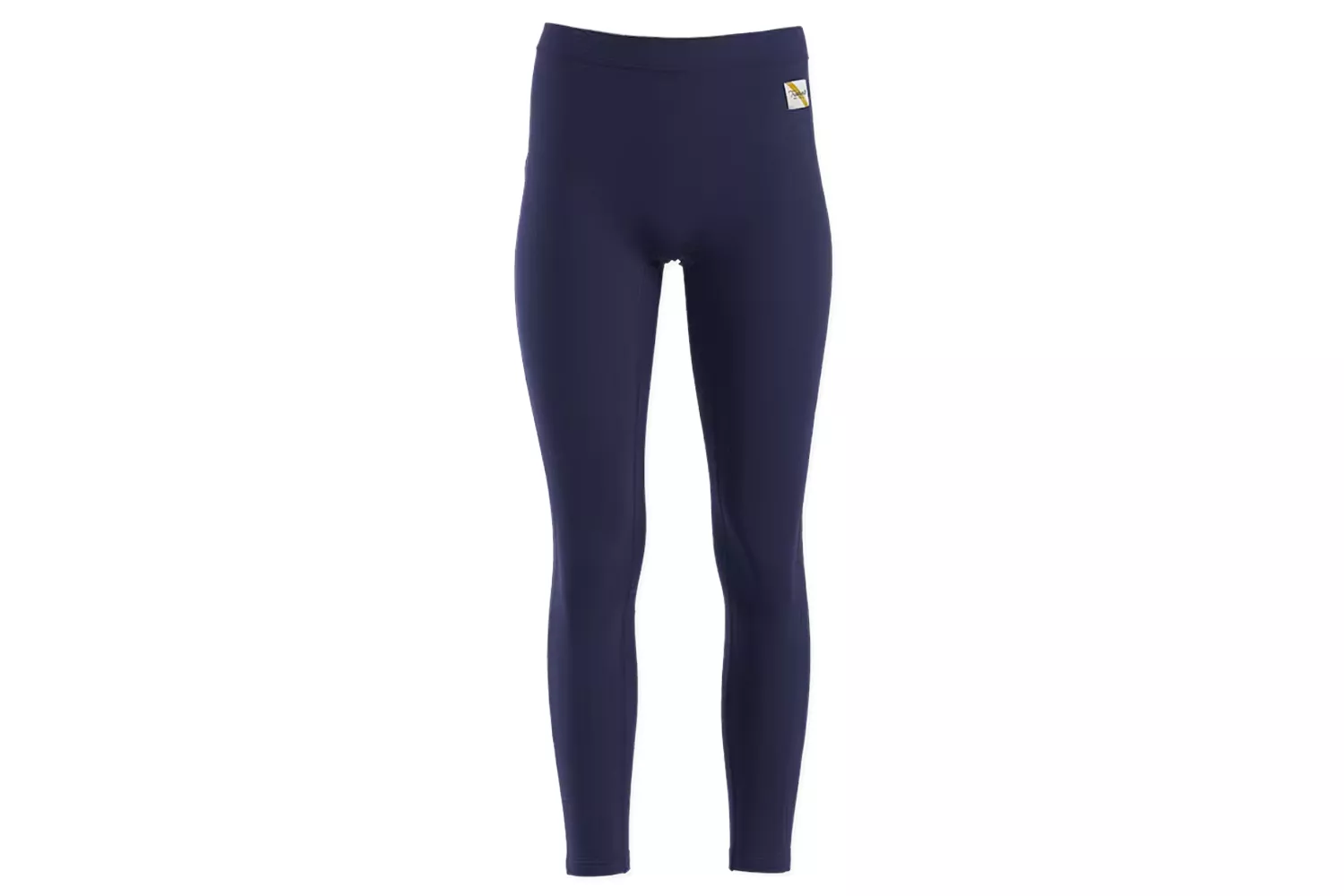
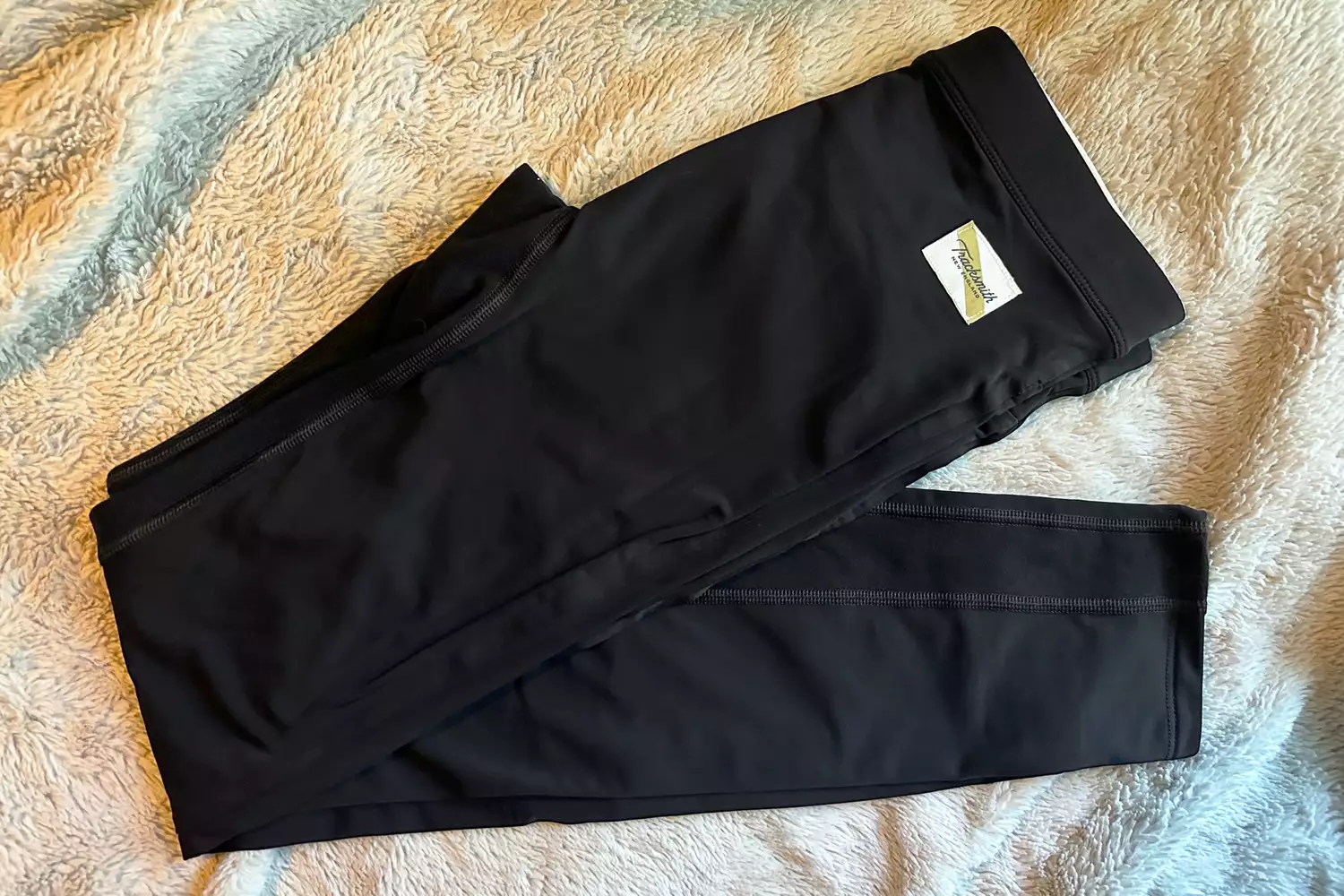
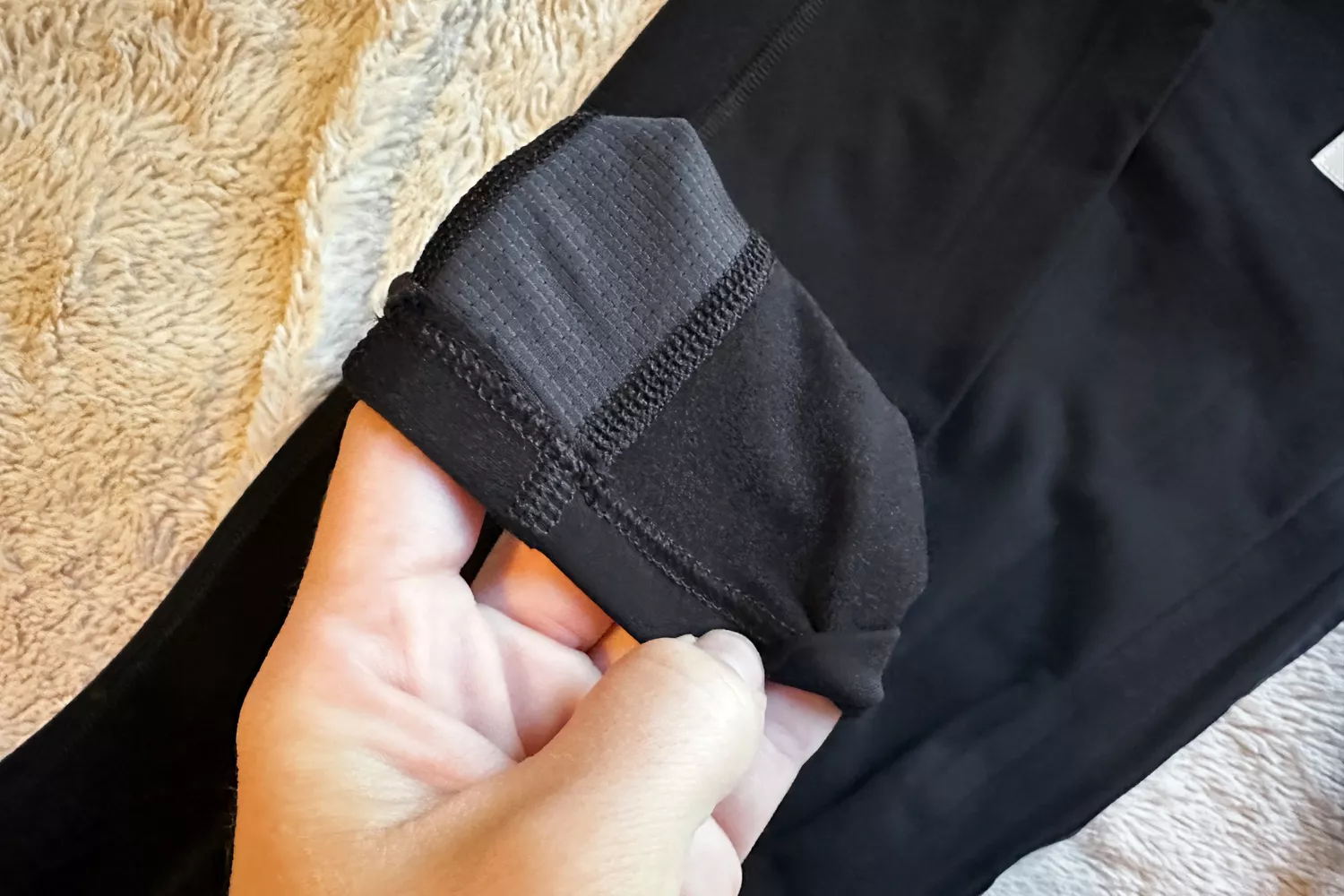
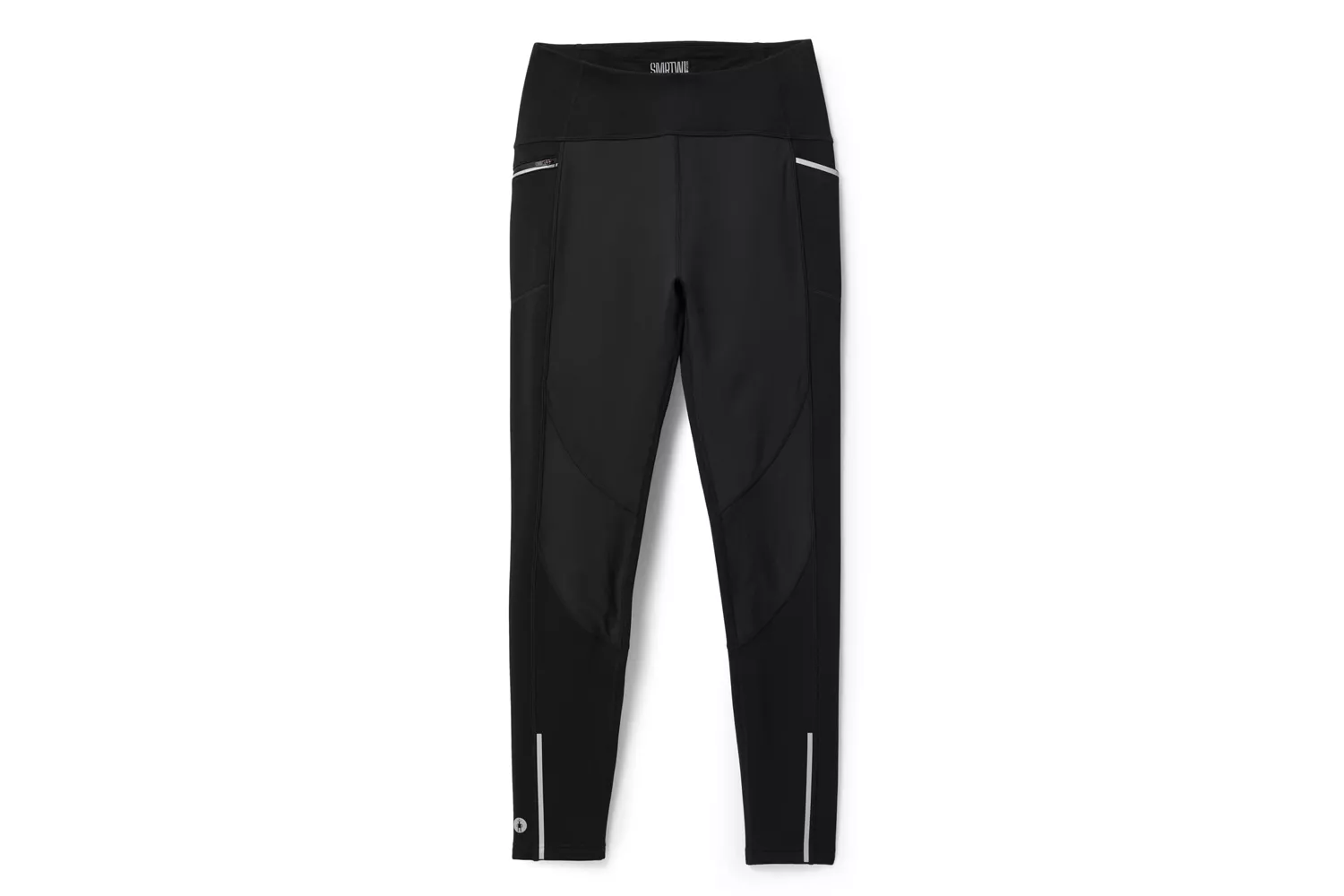
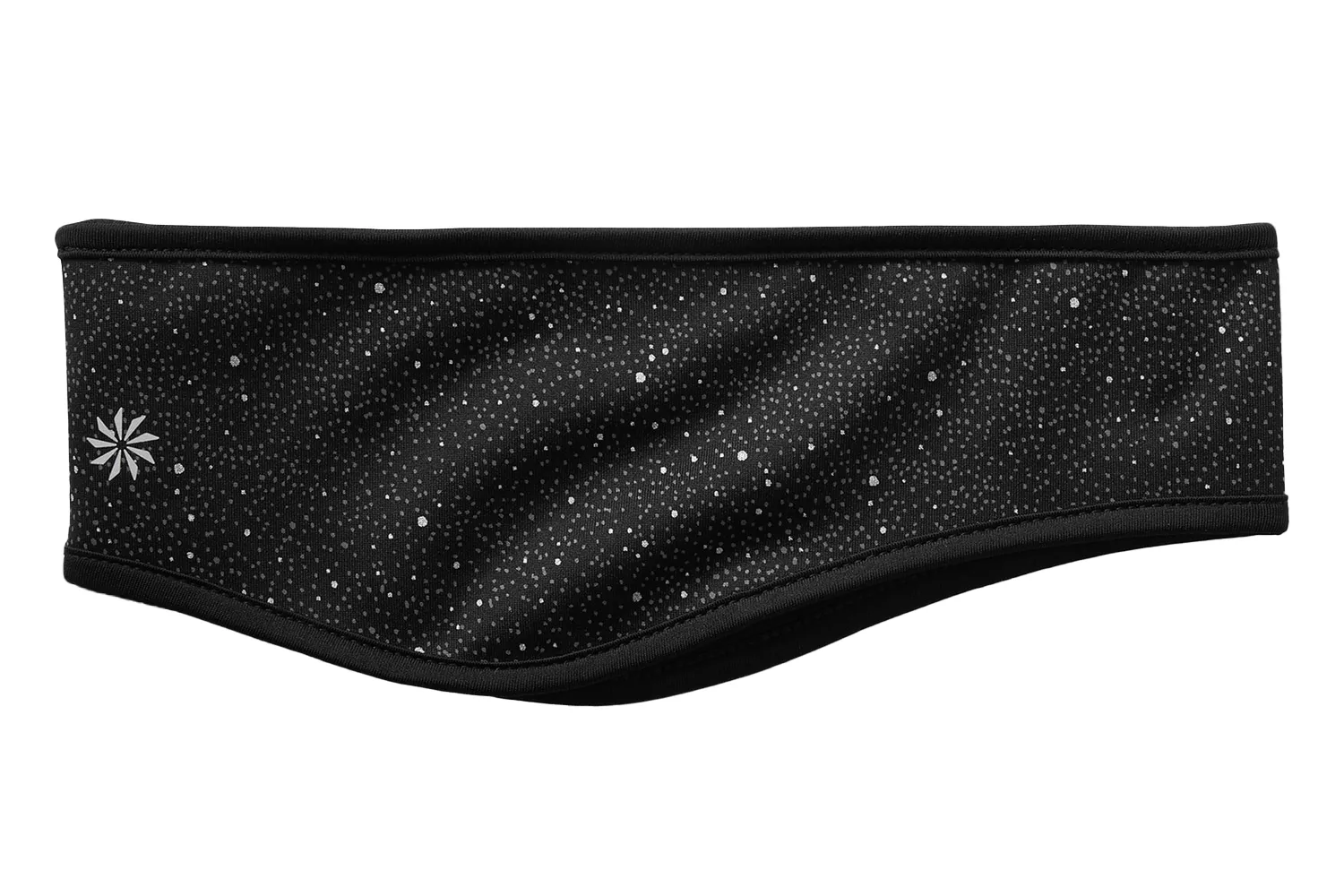
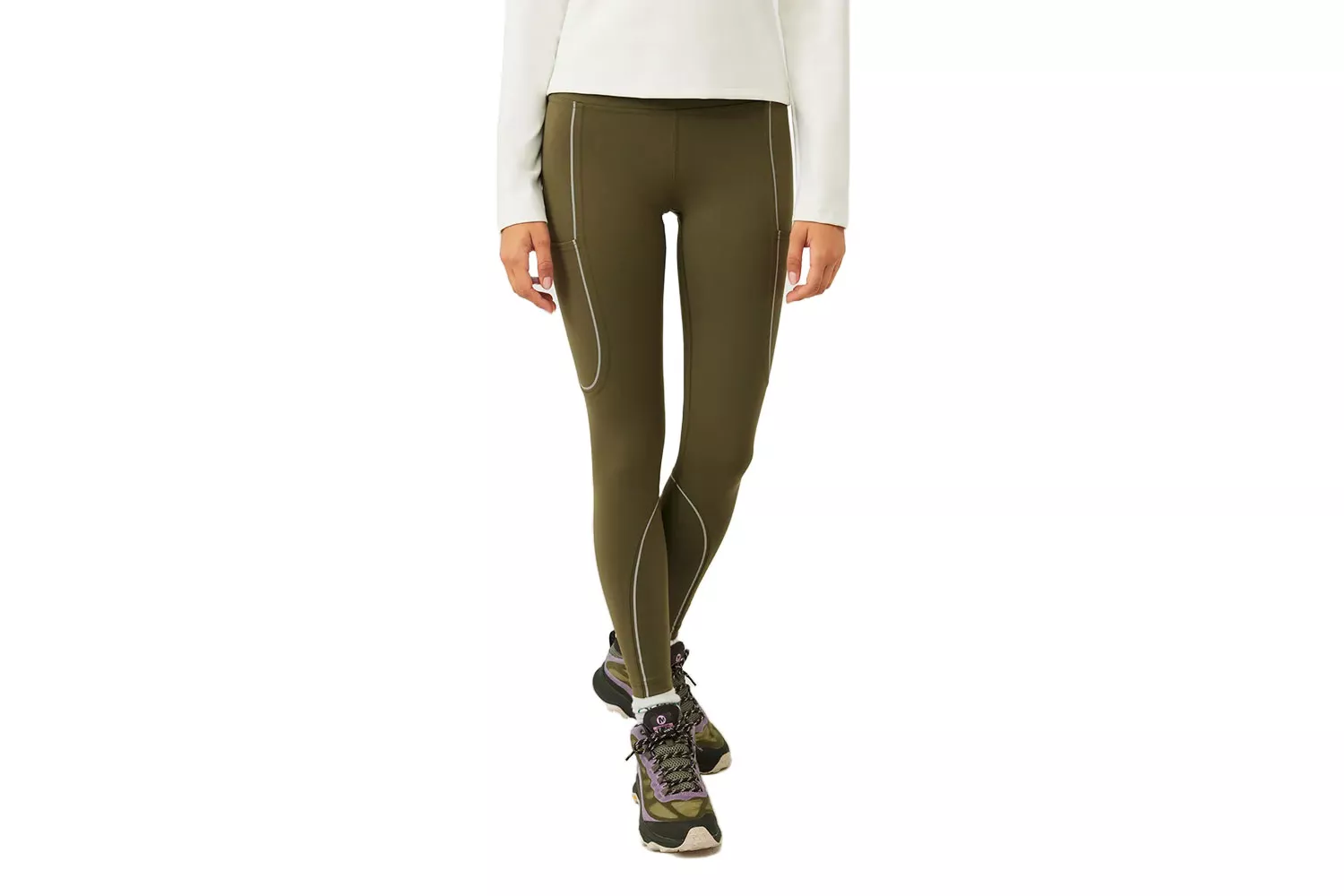
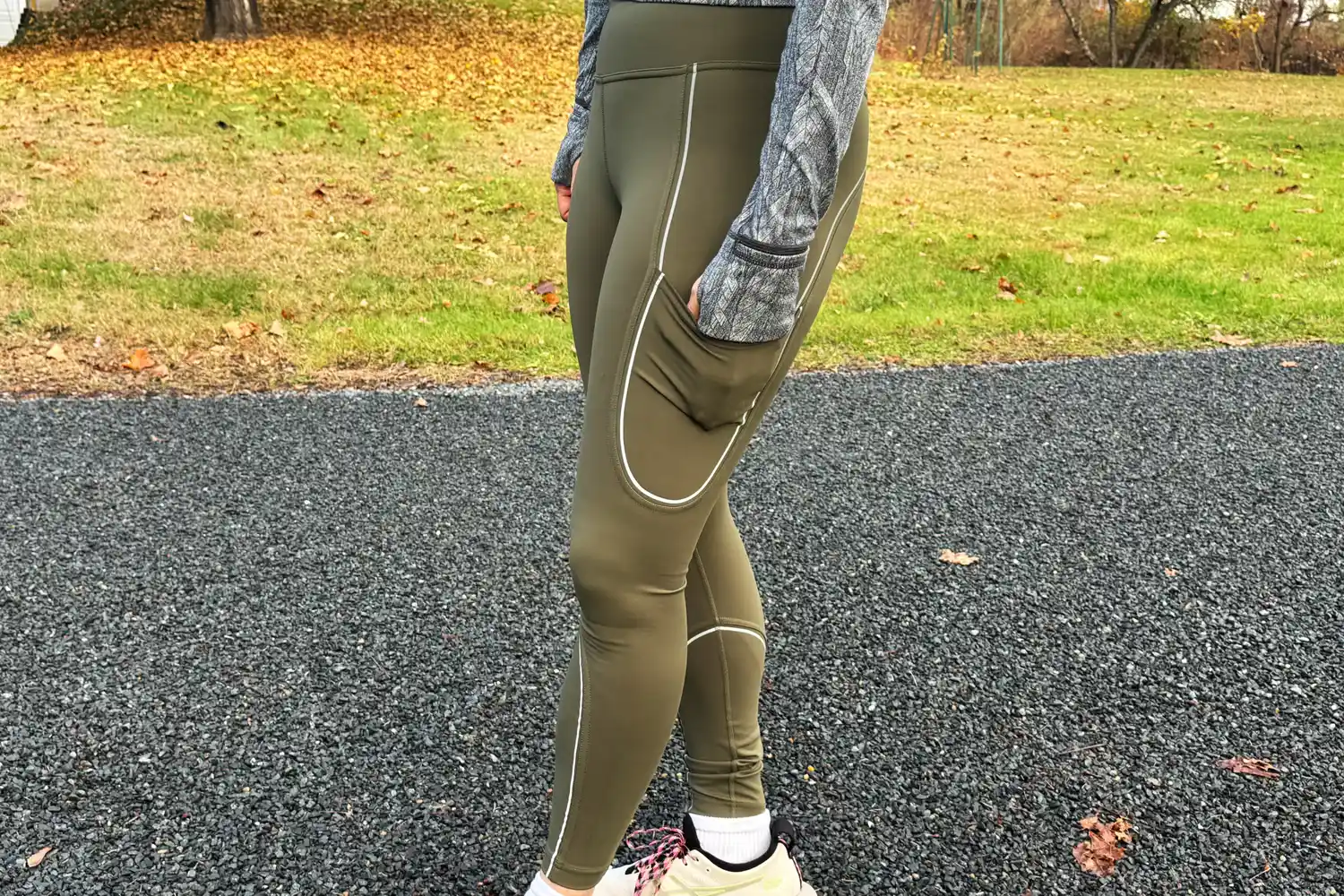
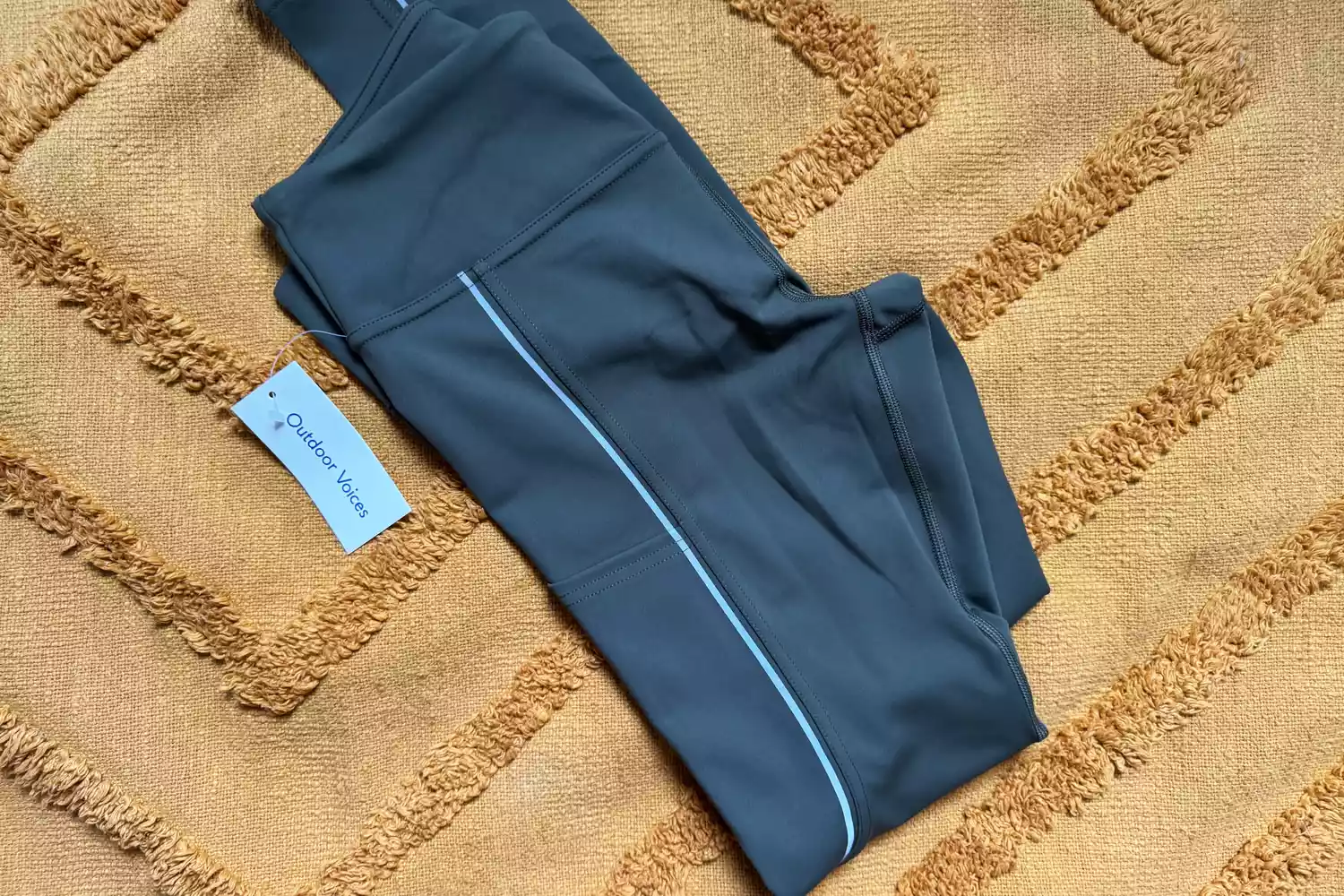
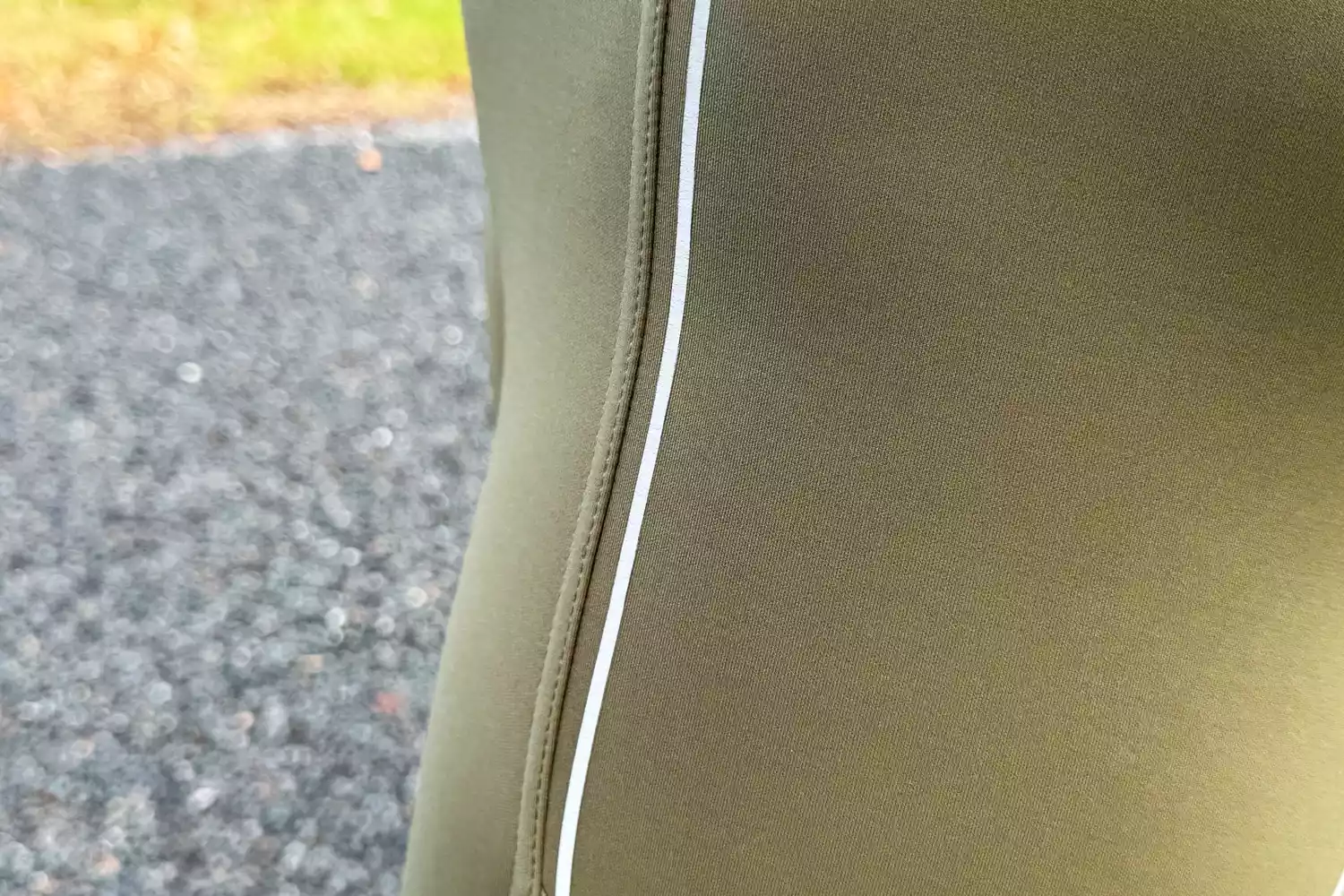
“Staying safe while running in the dark is about two things—being able to see and being seen,” says RRCA-certified running coach Heather Jergensen. “If we want to be seen, the brighter, the better." Wearing reflective gear that provides 360-degree visibility can help drivers, bikers, and pedestrians spot you on the roads or sidewalks. It’s especially important to focus on illuminating your head, chest, and arms since that’s what drivers will notice first, agree RRCA-certified running coach Ben Delaney and certified personal trainer Matt Scarfo, NASM-CPT.
To find the best reflective running gear, we first turned to running coaches and other experts to learn which key features to look for. Next, we tested dozens of products in the real world, prioritizing jackets, vests, pants, and other pieces that are comfortable and well-made. All of our top picks, whether we tested them or not, have been selected for their superior performance, fit, design, durability, and overall value.
What to Know Before You Get Started
Reflective running gear can increase your visibility in different ways.
- Types of Gear: In addition to traditional running pants, tights, and jackets, many brands make reflective or high-visibility accessories (like socks, hats, and headbands). A reflective running vest is one of the most versatile pieces of gear because it can be worn over all types of clothing in various weather conditions.
- Visibility vs. Reflectivity: High-visibility running clothes come in bright, neon colors, which may make you easier to spot at dawn or dusk or in rainy conditions. But they won’t make you more visible in the dark. Reflective running gear has reflective panels, strips, or patches that reflect oncoming light from other people’s flashlights and headlights, so you can be seen at night.
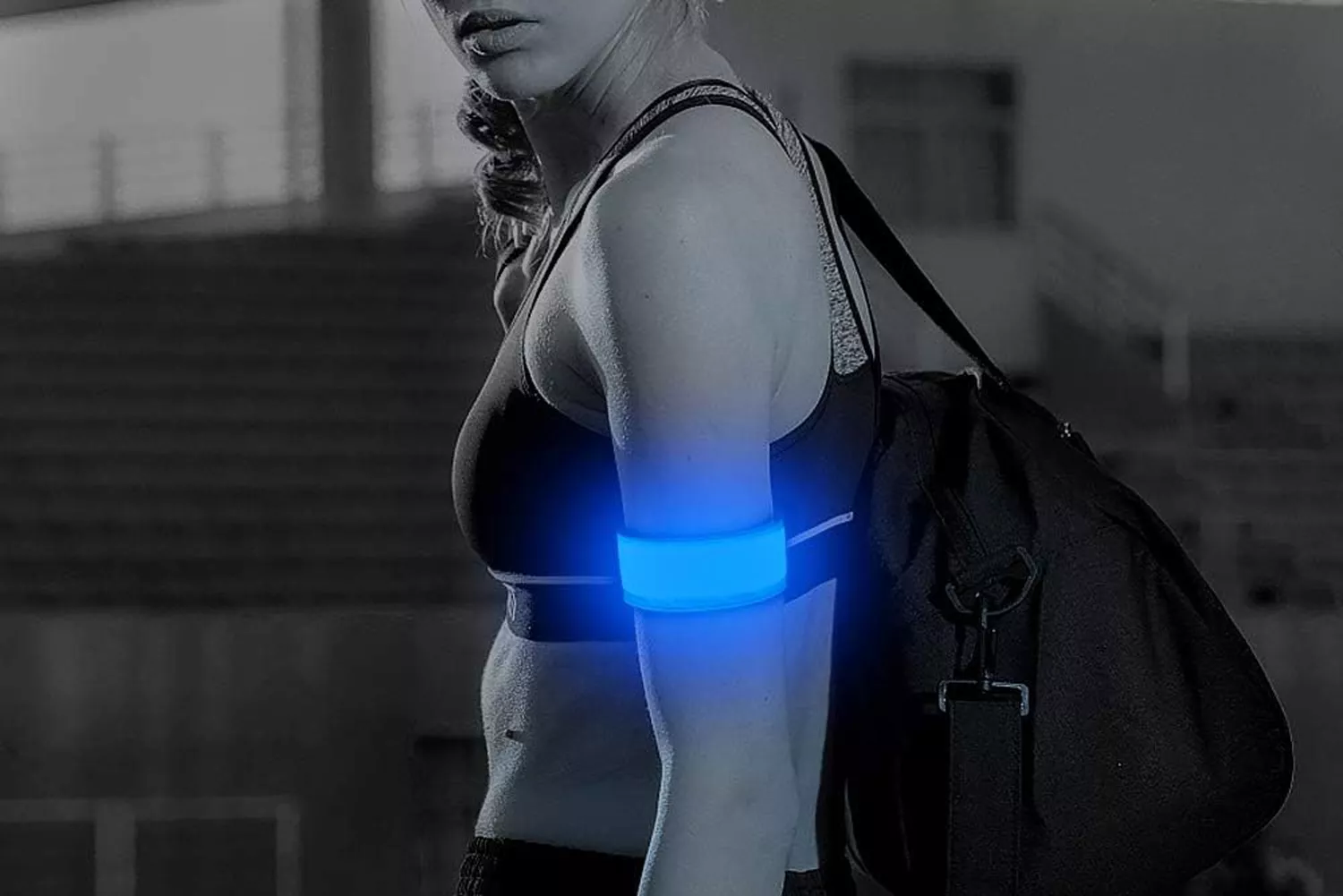
- Lights: Carrying or wearing lights at night, like vests, armbands, or headlamps, helps you stand out and avoid obstacles, Jergensen says. “Adding lights to parts of your body that are moving will help identify you as a moving object instead of an inanimate object,” she adds.
In general, the more reflective you are, the better, notes Scarfo—if it seems like you’re going overboard, then you’re headed in the right direction.
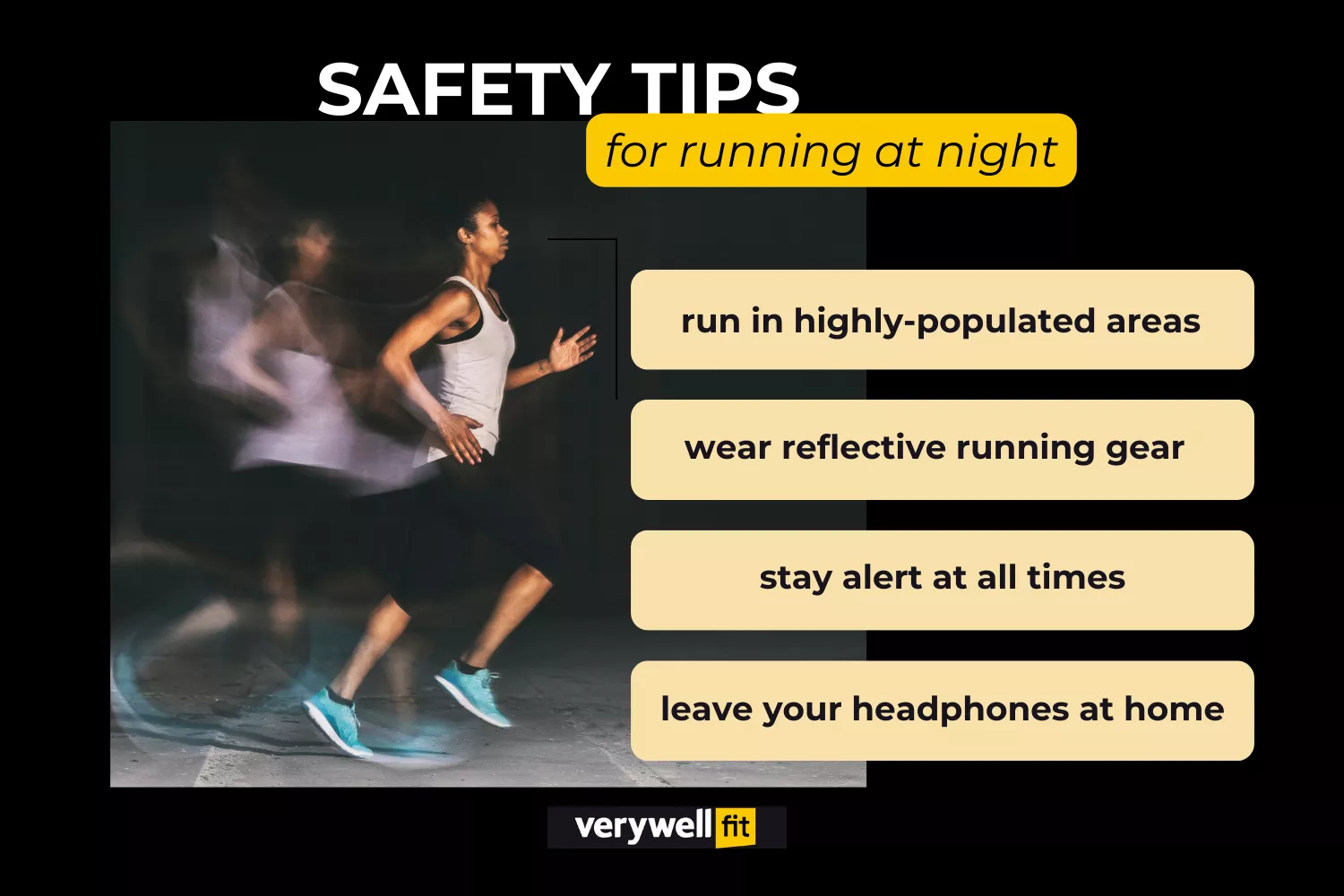
Safety Tips for Running at Night
Aside from wearing reflective gear, there are other steps you can take to stay safe while running at night:
- Run in highly populated, well-lit areas.
- Do your best to make sure oncoming cars can see you.
- Stay alert at all times.
- Limit distractions by leaving your earbuds at home, recommends running coach Steve Stonehouse. Or, try external ear buds, recommends physical therapist and running coach Kathleen Gassner, DPT.