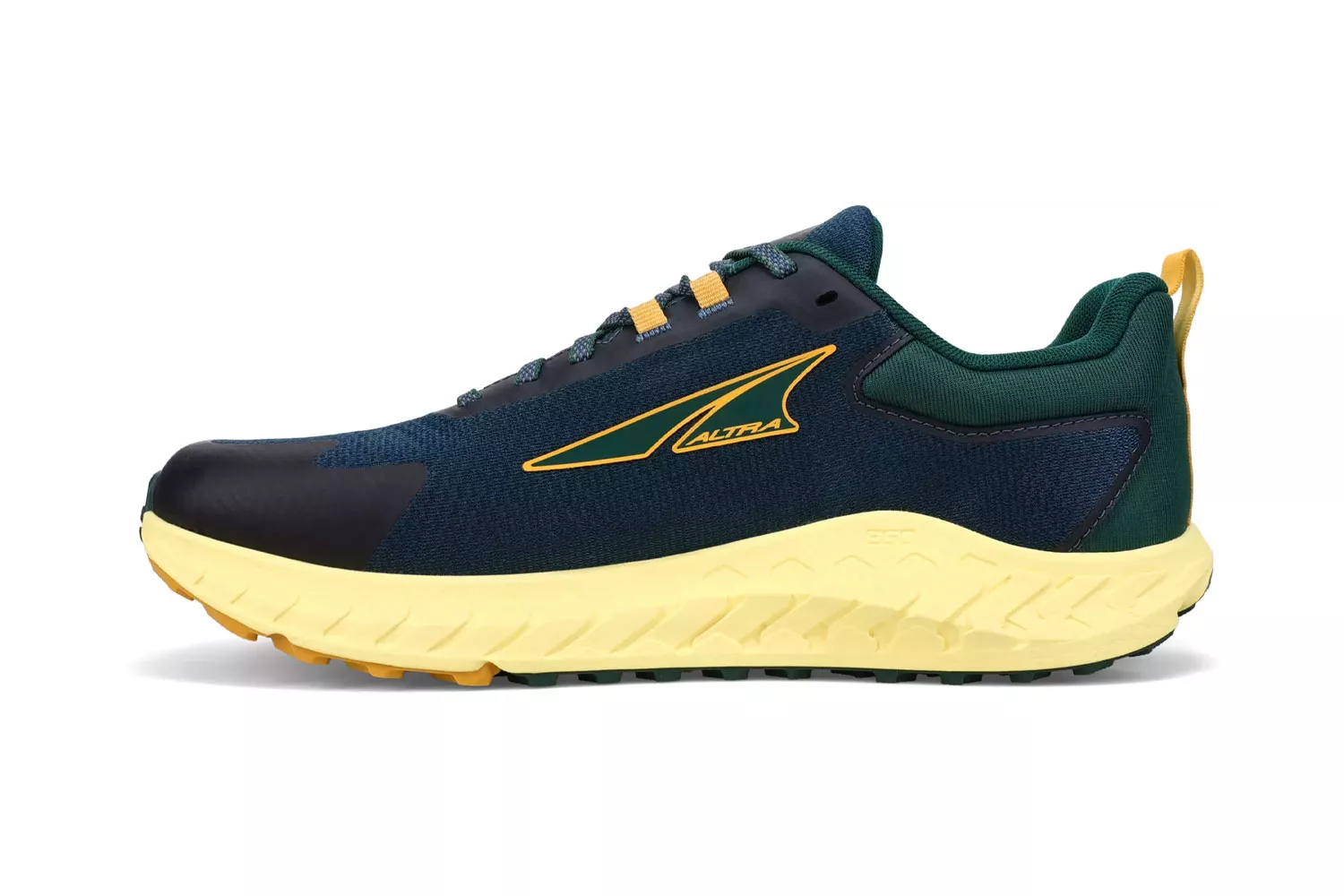
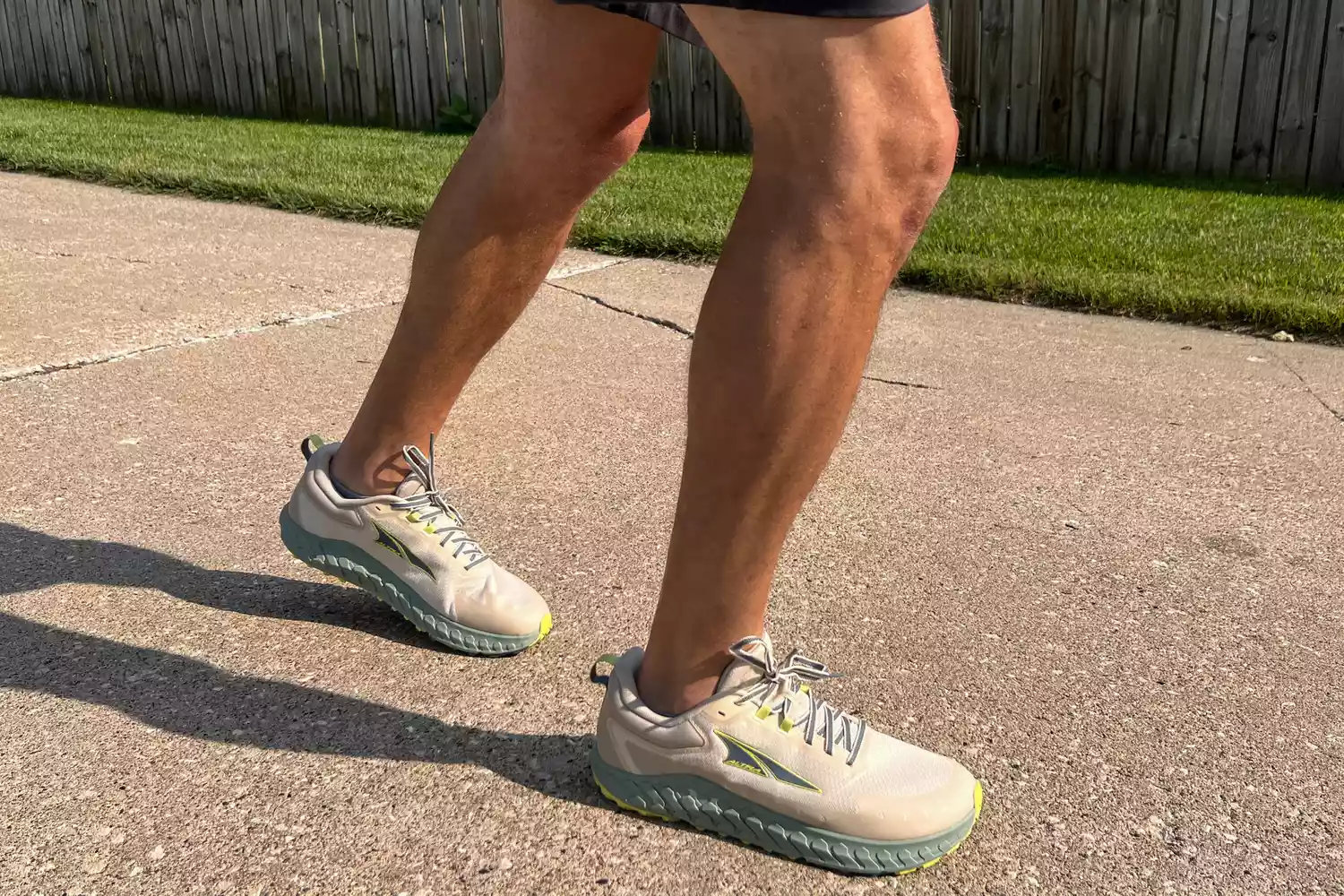
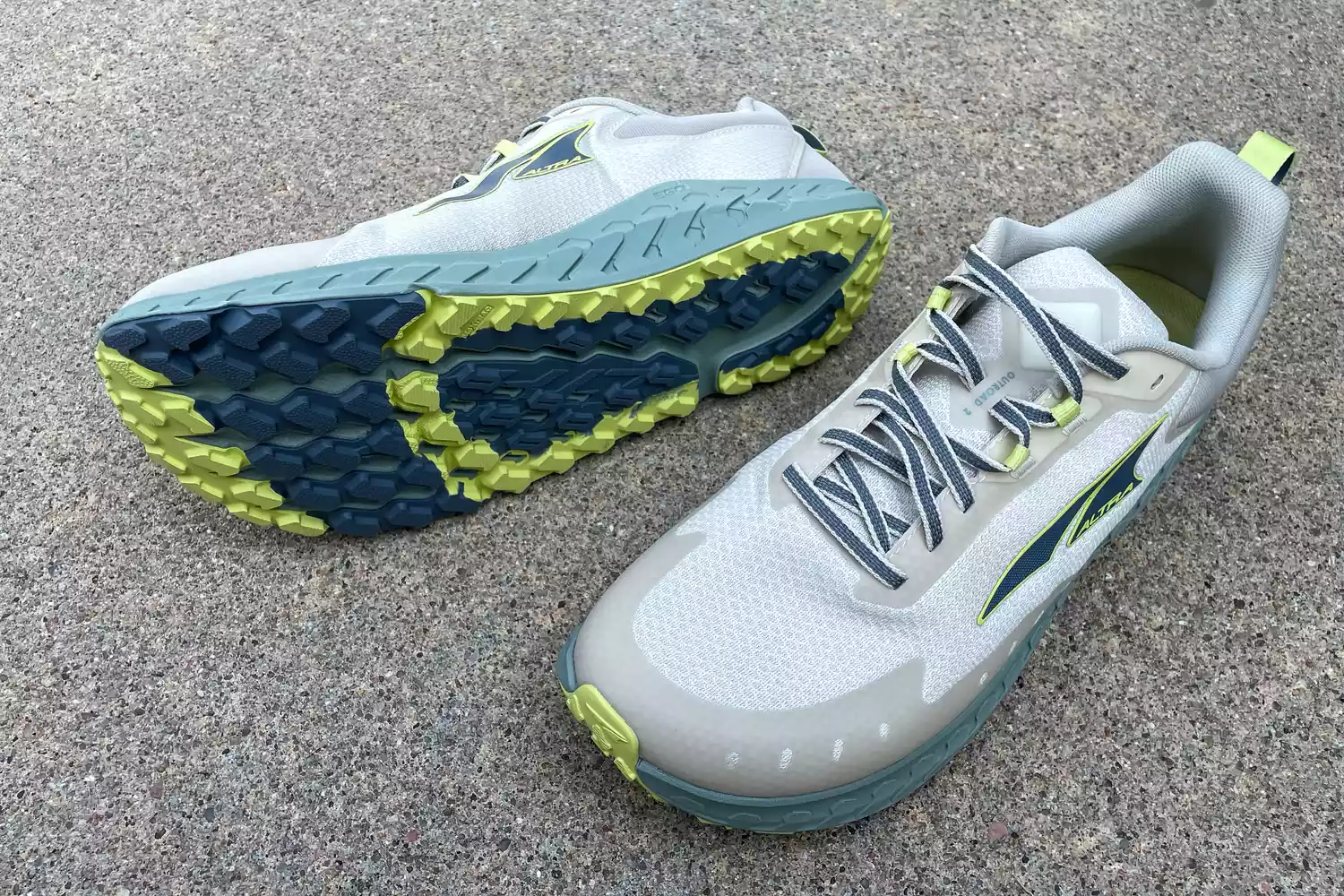
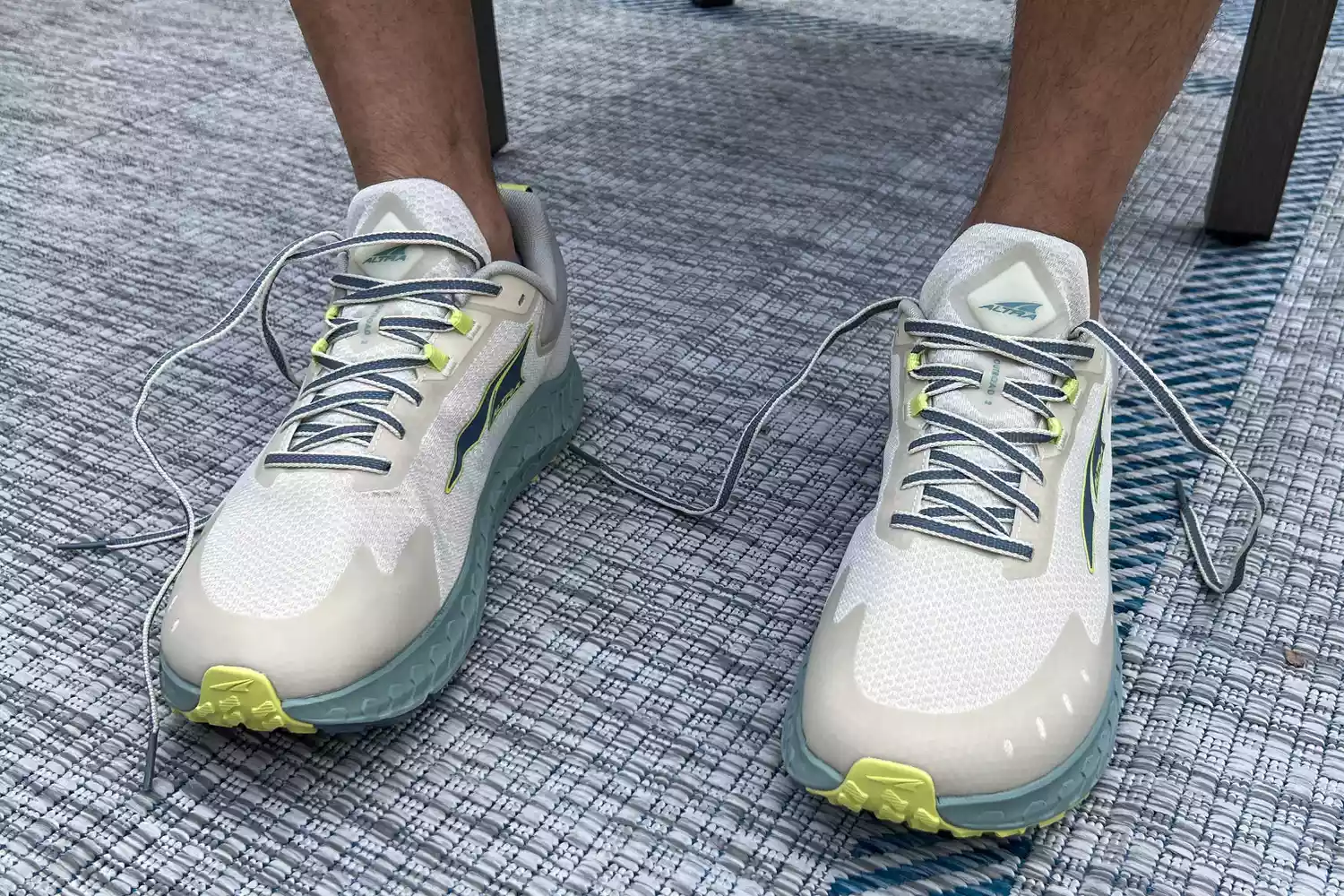
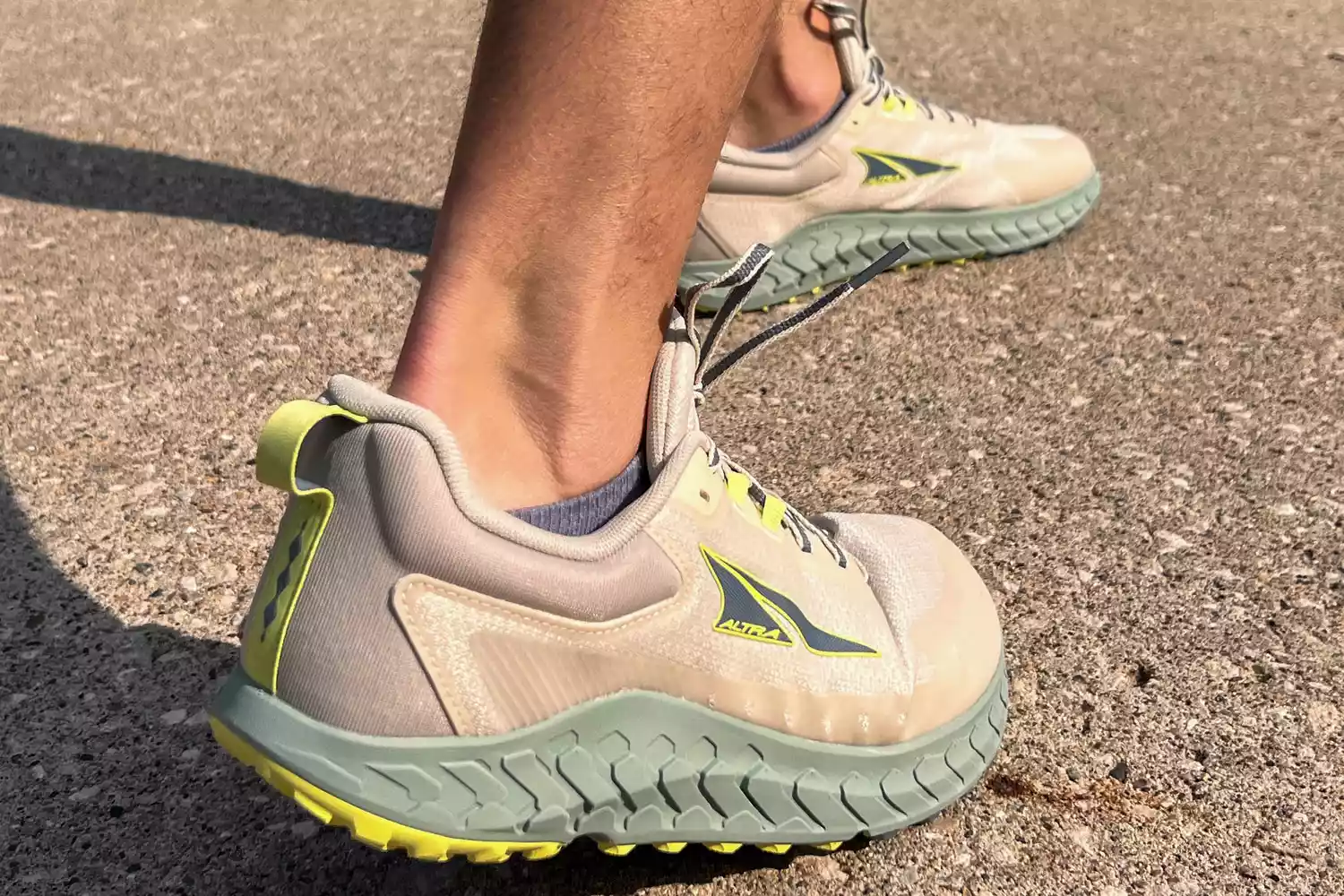
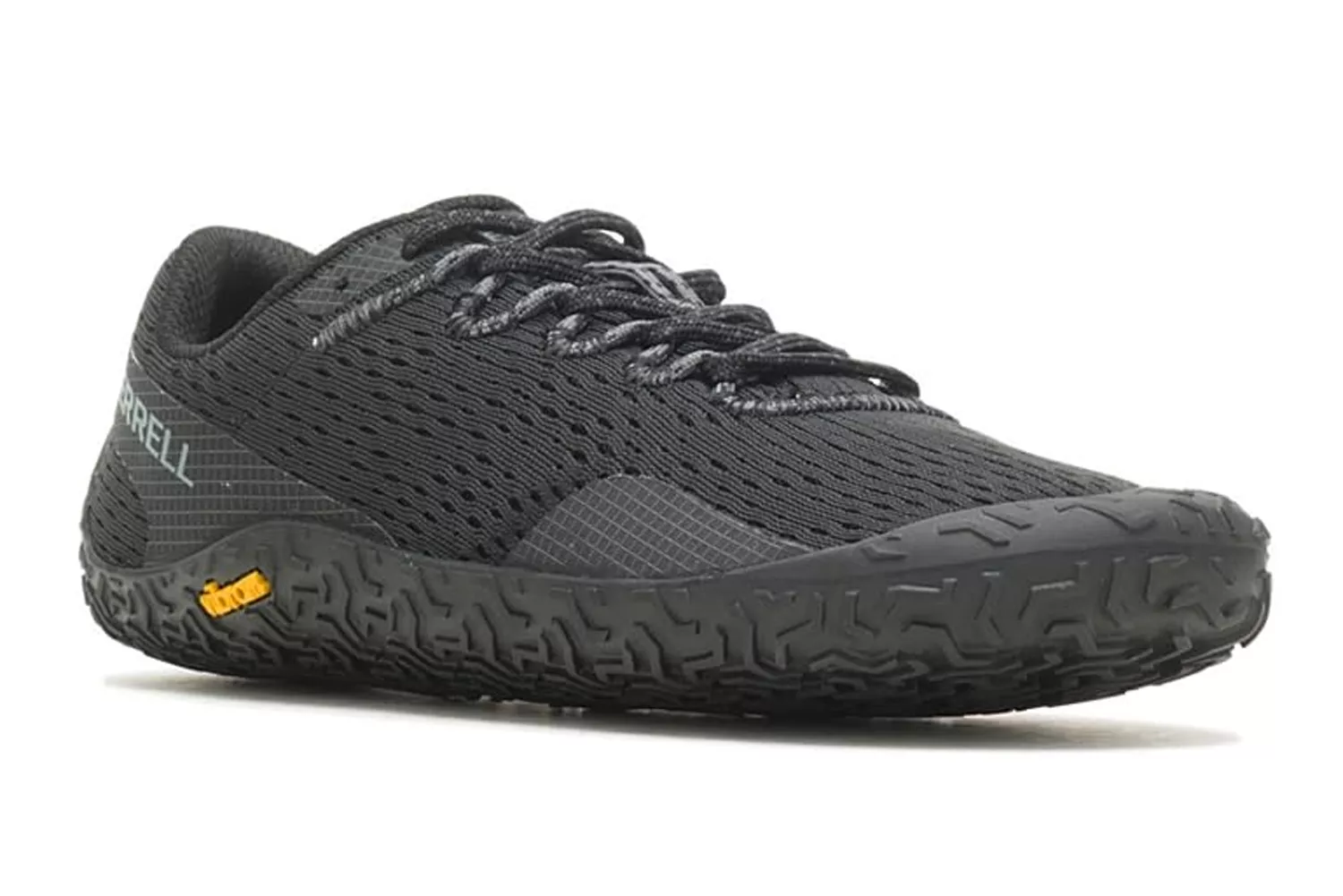
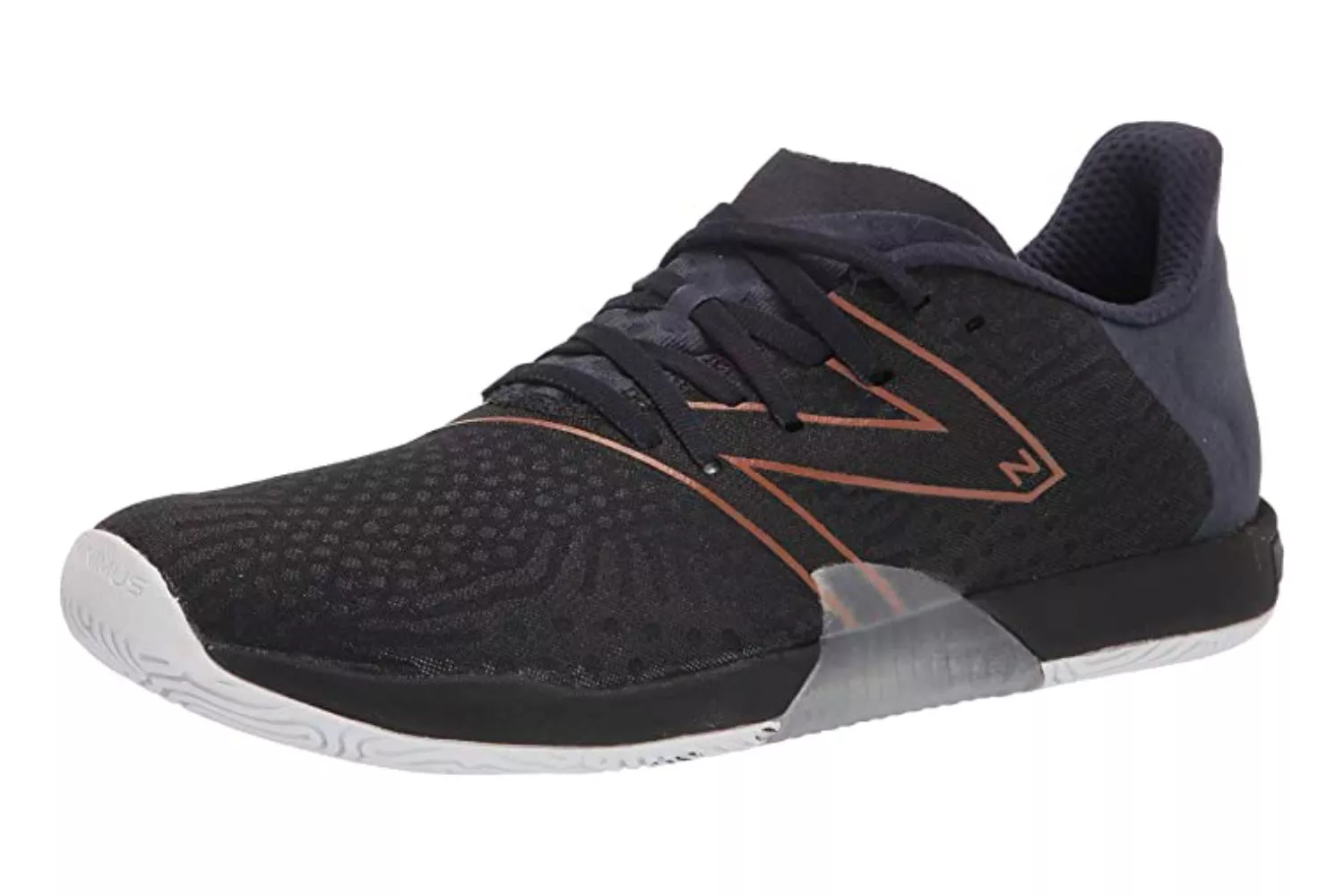
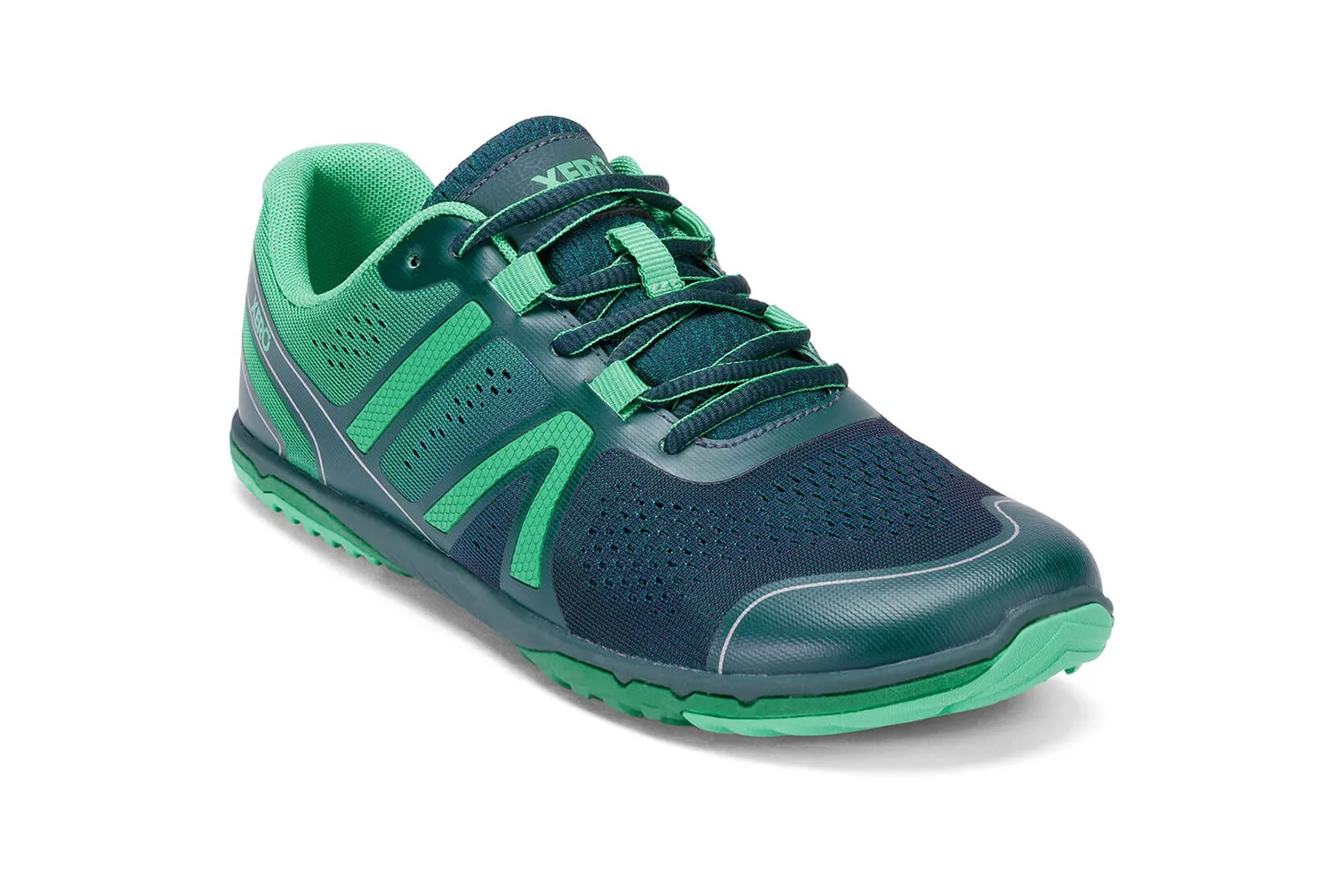
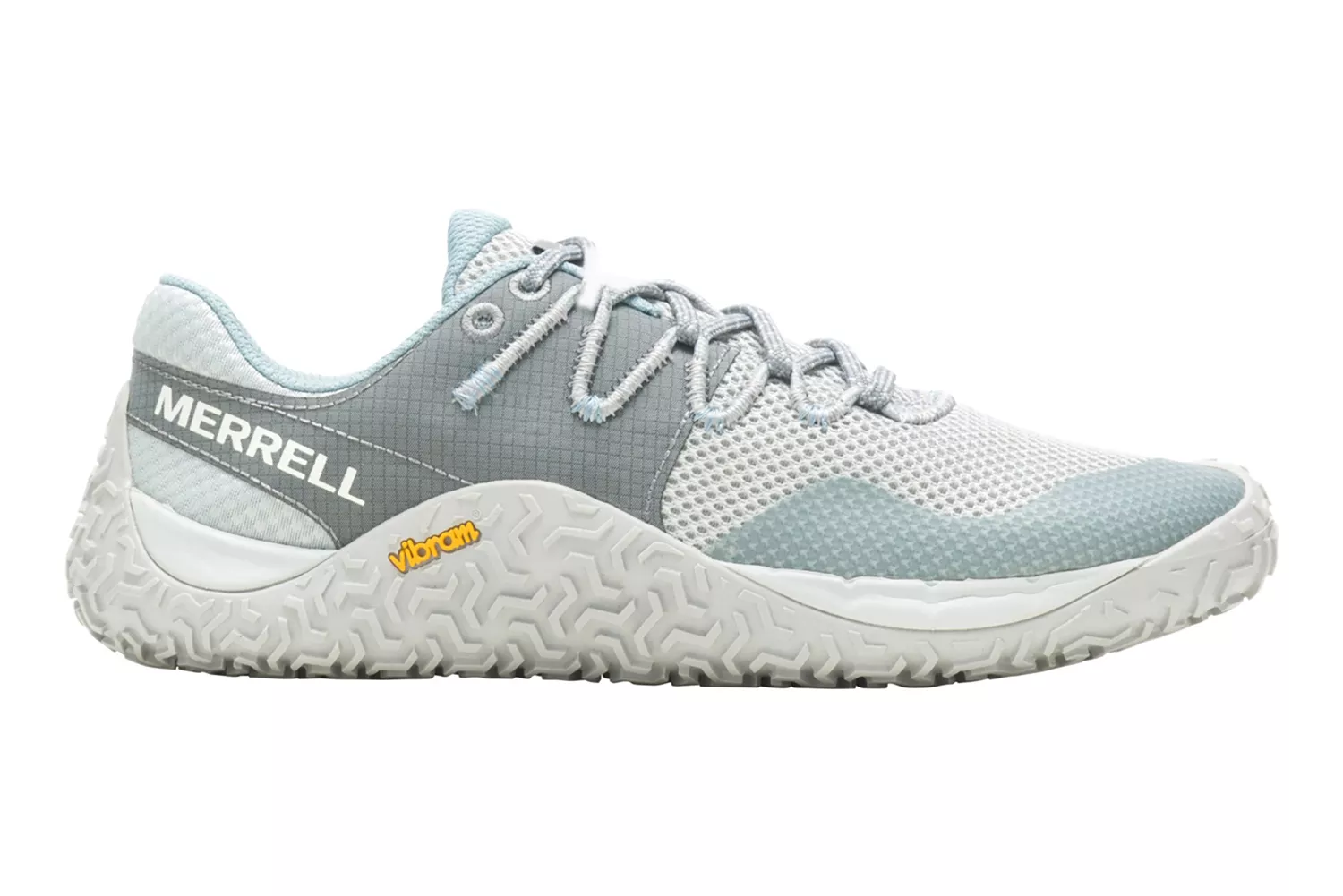
Zero-drop running shoes have a 0-millimeter heel-to-toe drop, which means the forefoot and heel are on the same level. The best zero-drop running shoes promote a more natural stride, have better ankle support, and can help strengthen your feet by making your arches work harder (due to their lack of arch support). Unlike most traditional running shoes, which have a 10-millimeter drop on average and encourage a heel strike, zero-drop shoes encourage a forefoot or midfoot strike, which may reduce impact on your joints and decrease your risk of injury. While some runners prefer their lightweight, flexible feel for racing, zero-drop shoes can also be worn for hiking, weightlifting, and trail running.
To find the best zero-drop running shoes, we first spoke with podiatrists to learn which key features to look for in every pair. Next, we researched dozens of zero-drop shoes from top brands at different price points. We also wear-tested seven pairs in our regular running routines, evaluating their fit, cushioning, comfort, responsiveness, stability, and overall value.
Top Picks
What to Know Before You Get Started With Zero Drop Running Shoes
If you've never worn zero-drop running shoes before, our experts have a few tips to help you get started.
-
Zero drop shoes provide a more natural feel while still protecting your feet from the ground, says podiatrist Mark Mendeszoon, DPM, FACFAS. They're typically made with less material than traditional running shoes are, making them more flexible and lightweight.
-
If you've never worn them before, zero-drop shoes may put extra strain on your calves and may not be supportive or cushioned enough for some runners. You'll likely experience more problems if you have flat feet.
-
Runners with no foot issues, good strength, and good range of motion may appreciate zero-drop shoes' function and lightweight design, says podiatry specialist Jason Hanft, DPM.