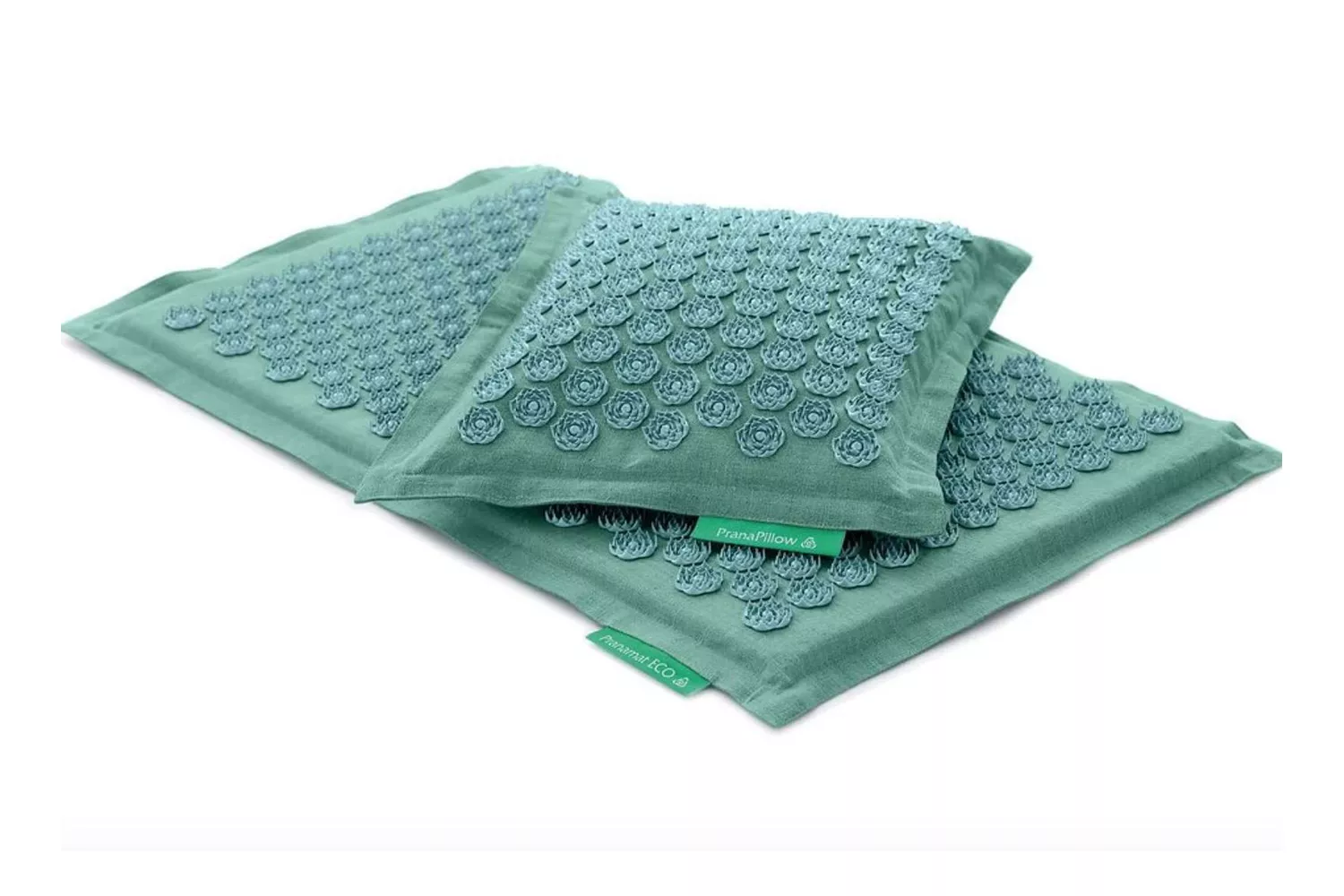
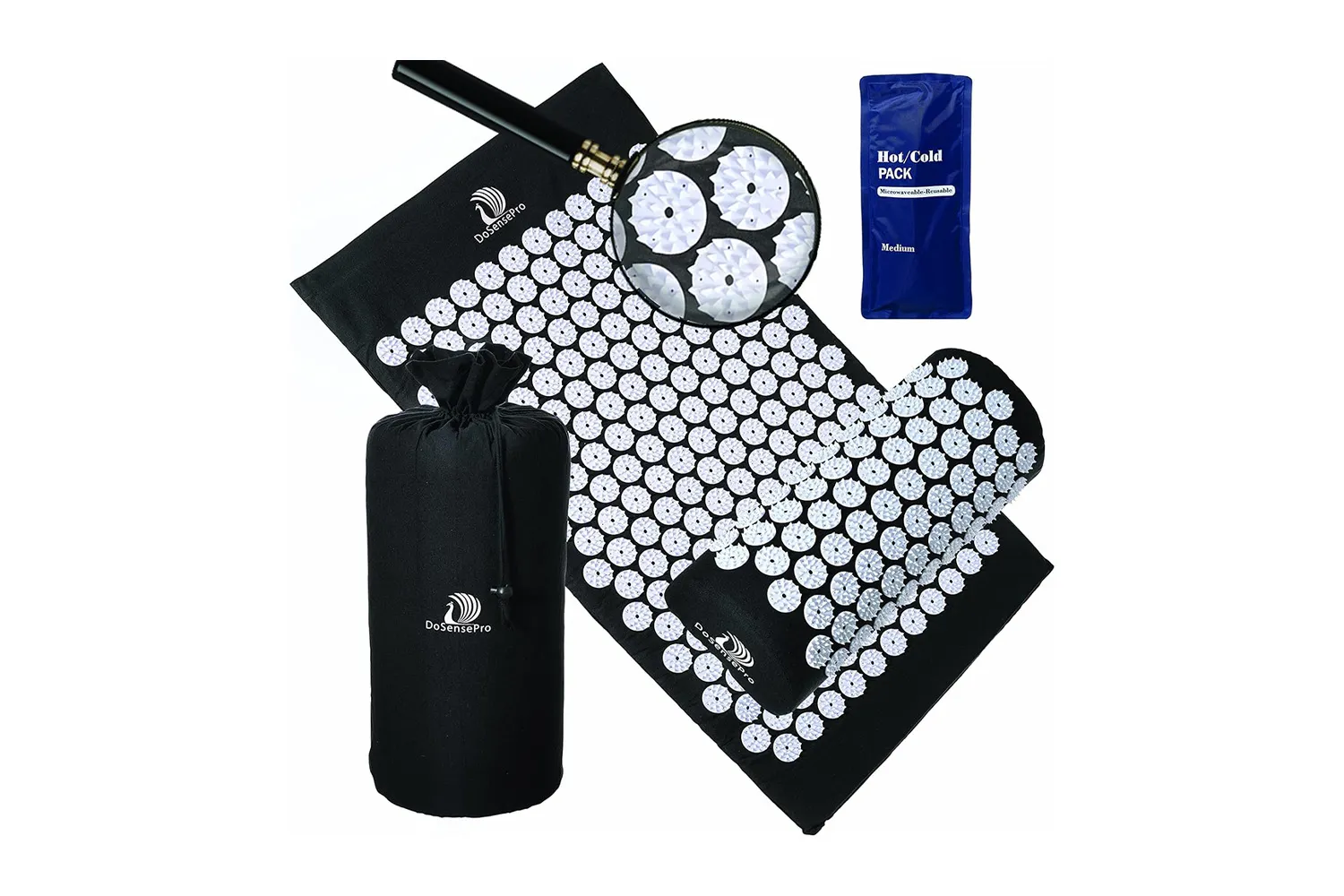
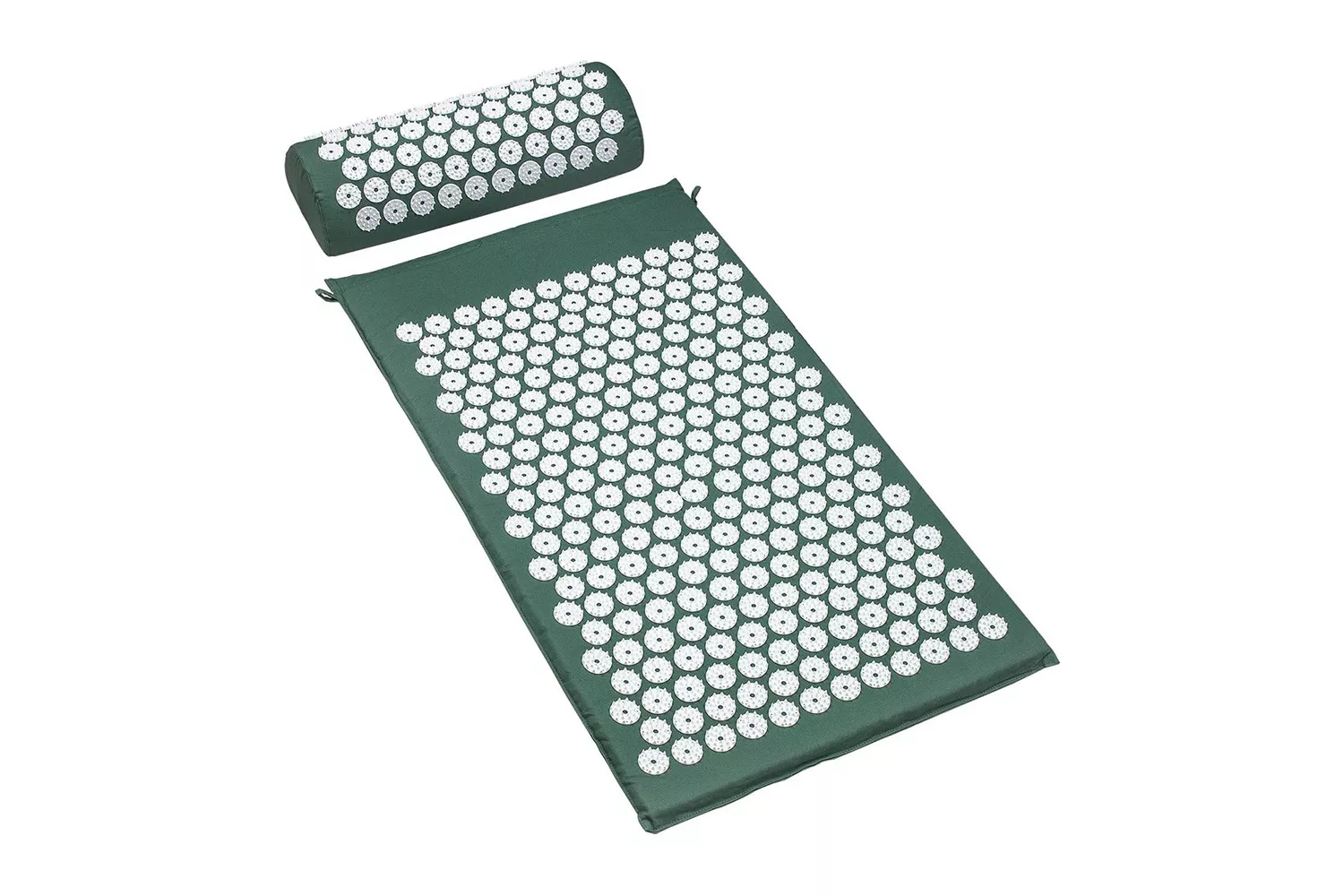
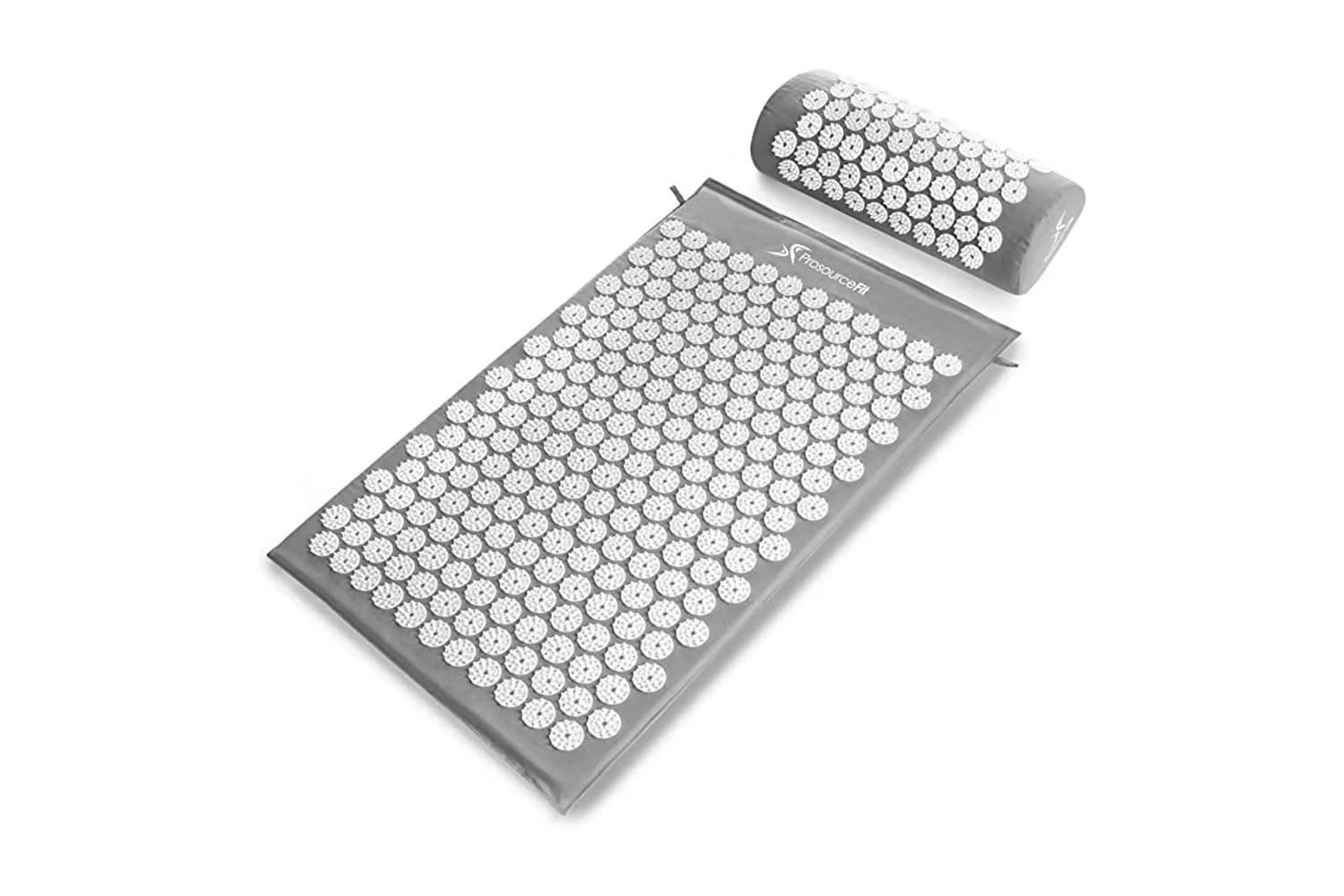
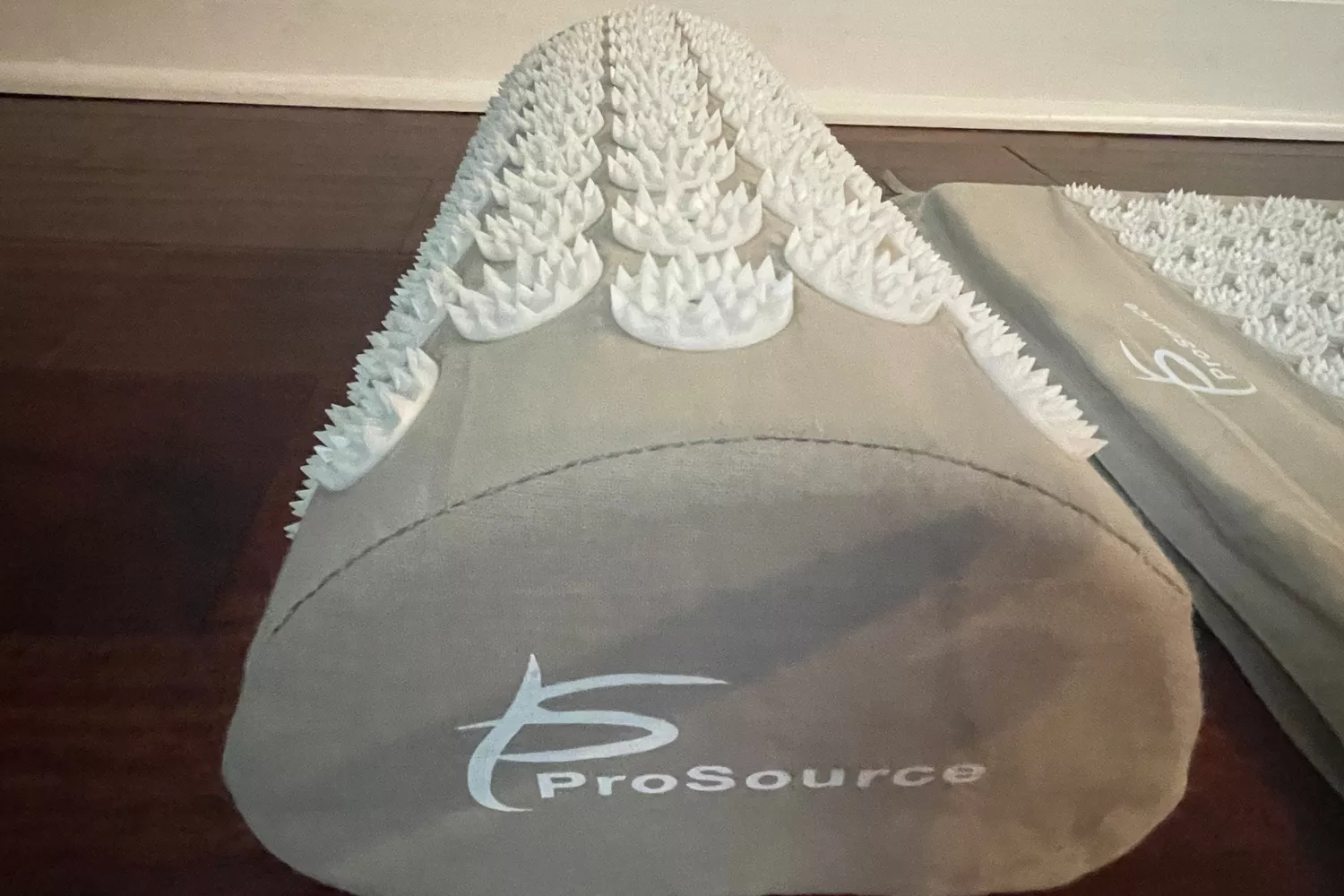
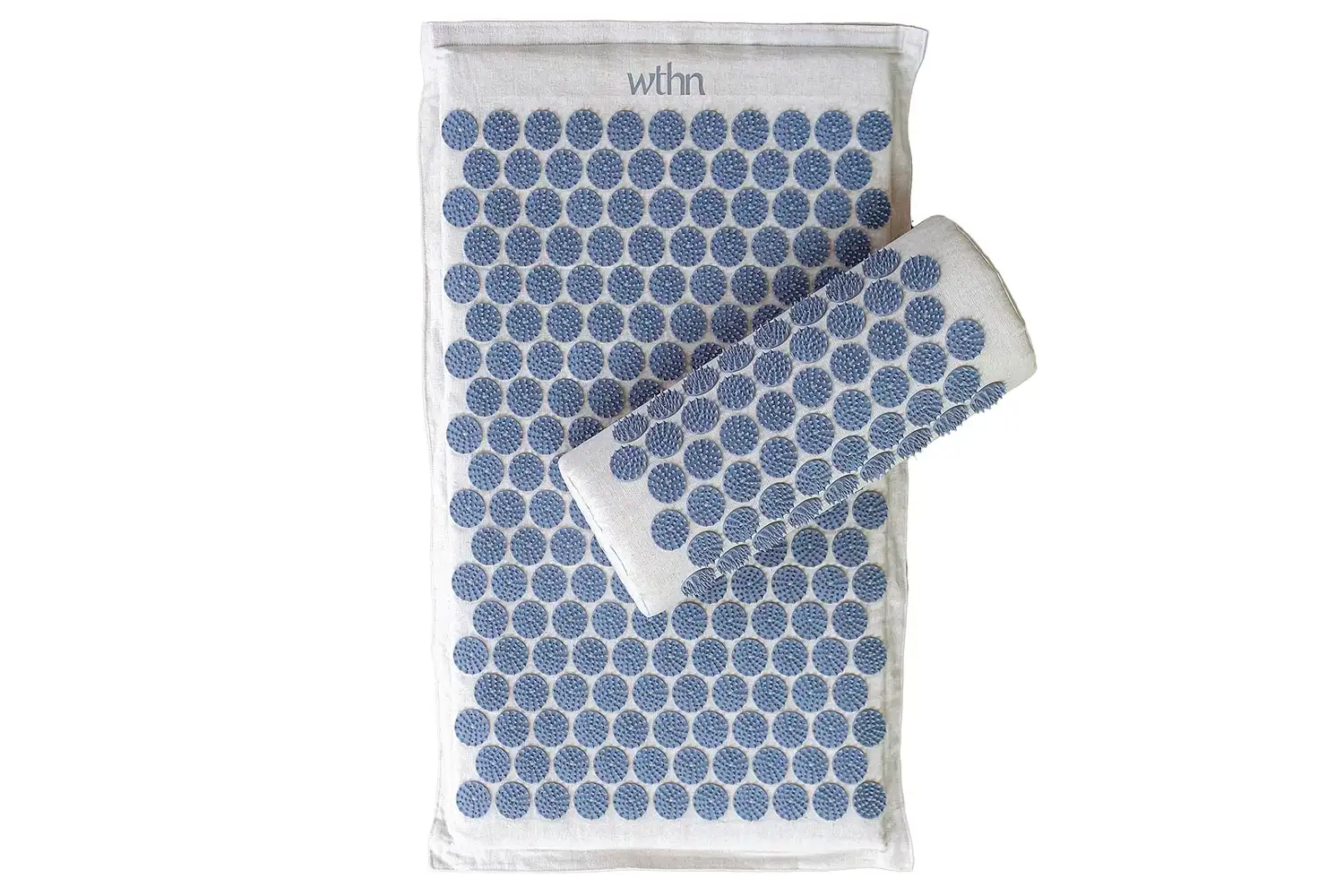
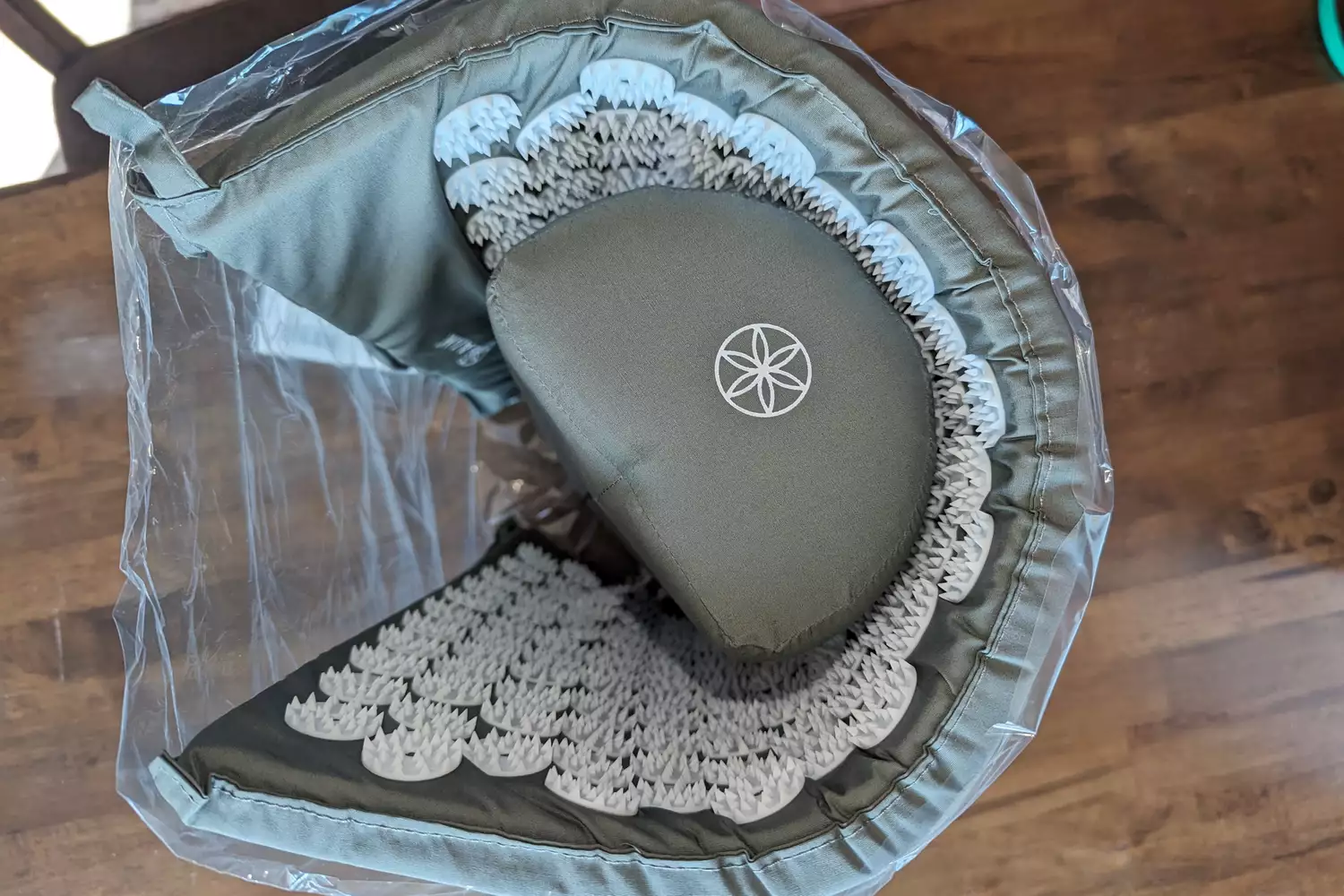
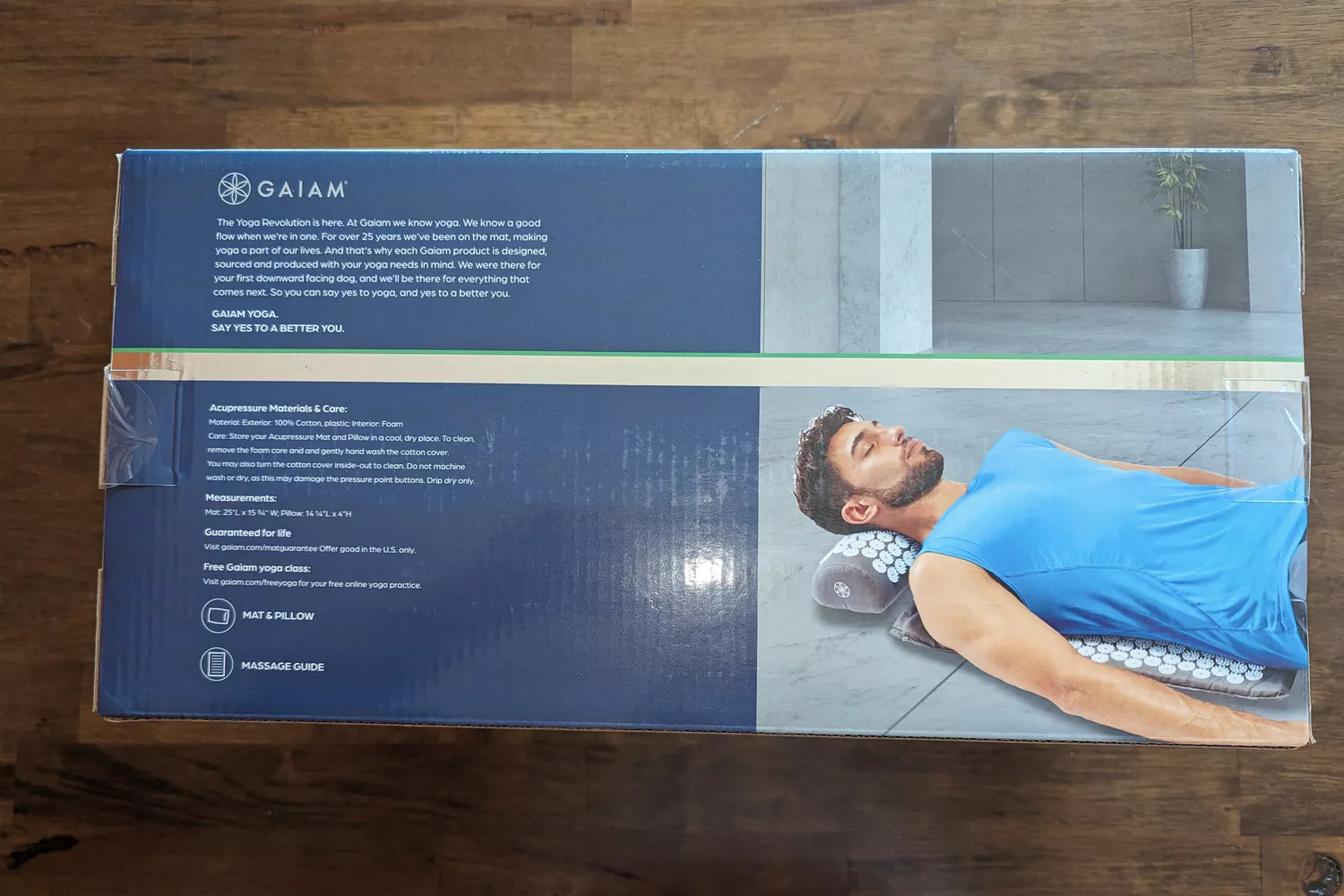
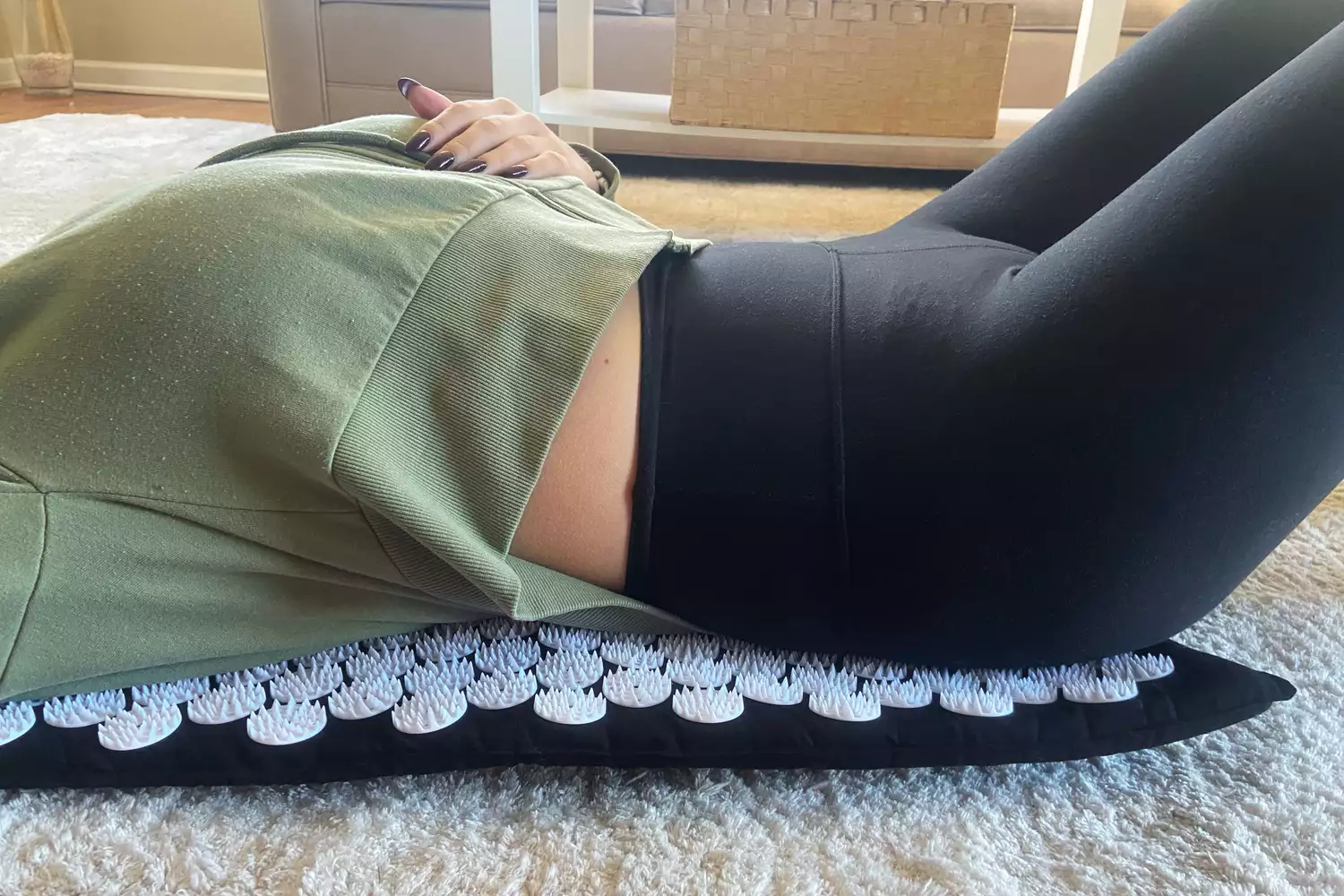
Acupressure mats may be effective for supporting mood and sleep quality, muscle relaxation, and easing tension and pain, including in certain conditions like plantar fasciitis, says physical therapist Jordan Beall, PT, DPT. While they're low-risk in terms of side effects, certain individuals should speak to their healthcare provider first and exercise caution when using them, including pregnant individuals, those with diabetes, those with certain skin conditions like eczema, and those on medications that can impact sensation, she says.
-
How Do Acupressure Mats Work?
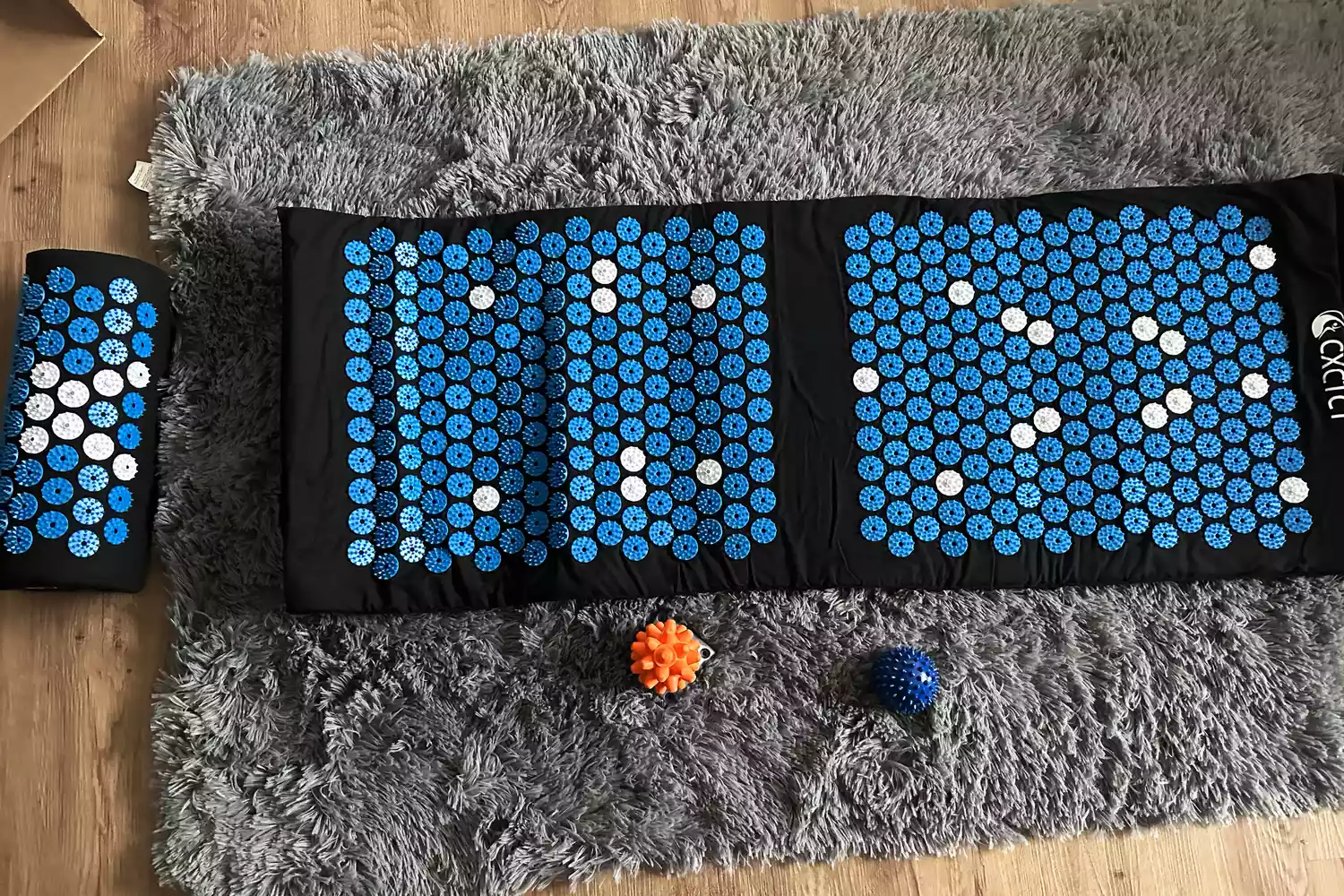
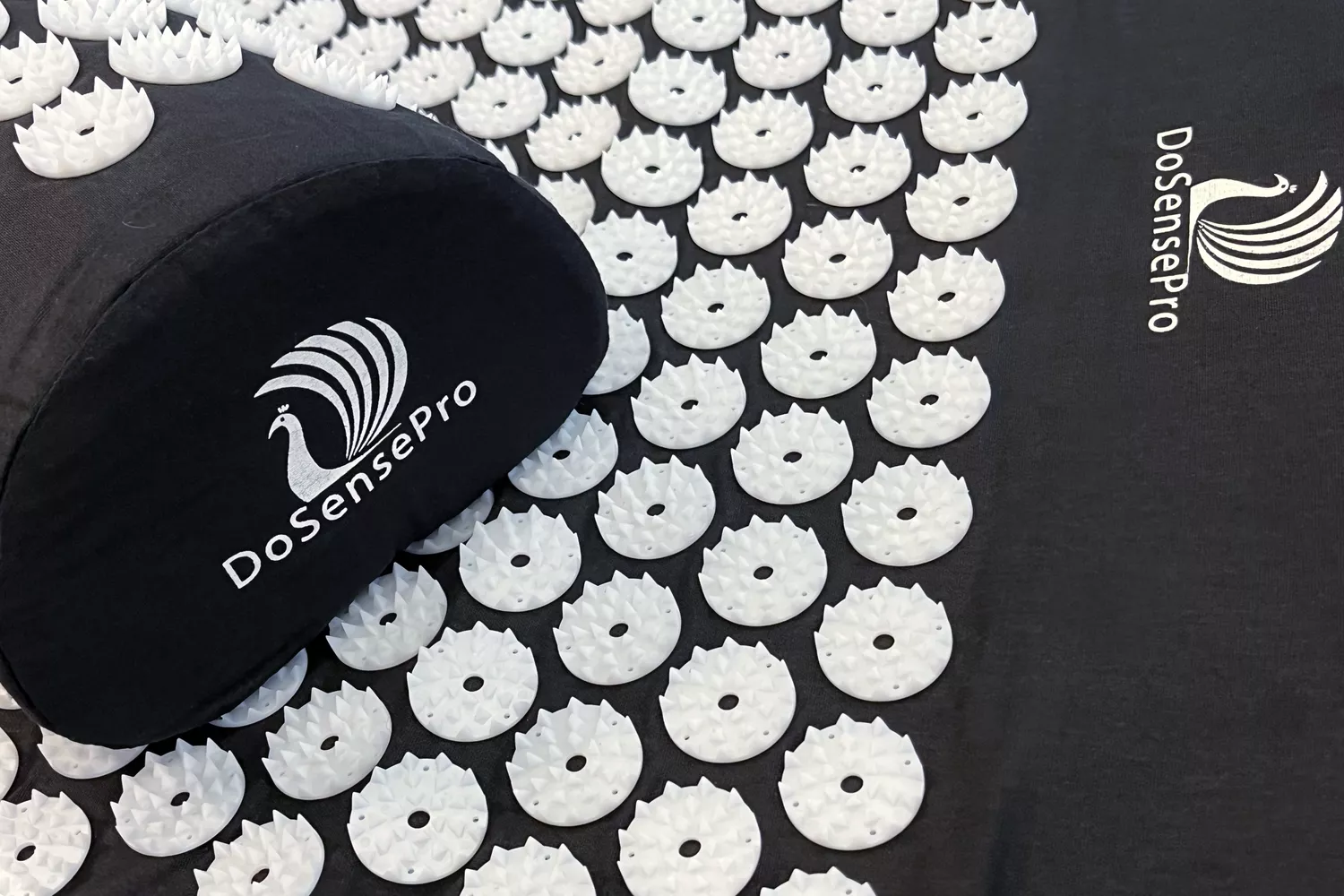
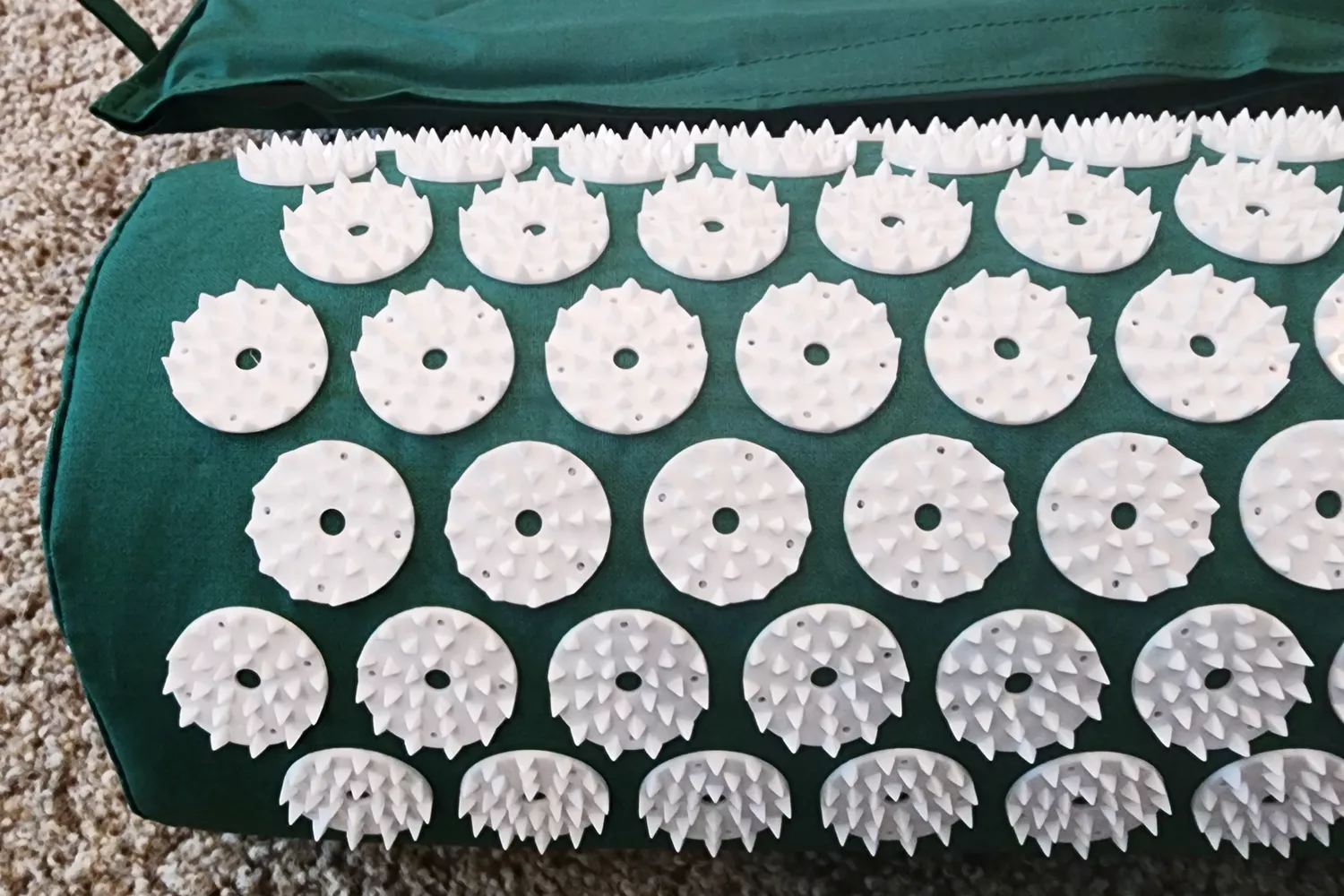
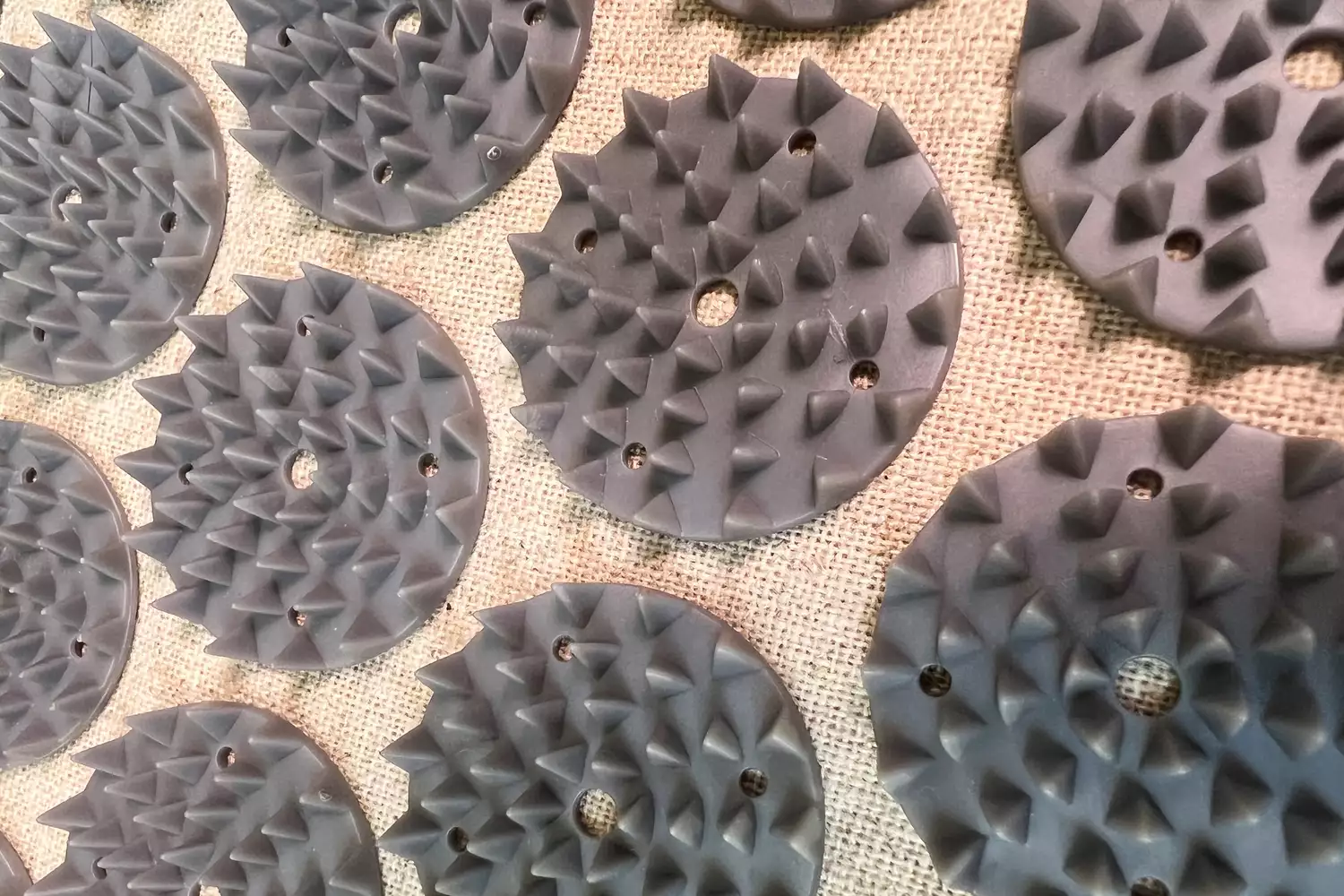
Licensed acupuncturist Tom Ingegno, DACM, MSOM, LAC, says that the acupressure mat's small spikes cause some mild discomfort to the skin, fascia (connective tissue that surrounds every part of the body), and muscles. He says that in response, the body sends more blood to the area, which helps relax the tissue and can help relieve pain and stress.
-
Benefits of Acupressure Mats
Our experts, Beall and Ingegno, note the following possible benefits of acupressure mats:
- Stress relief
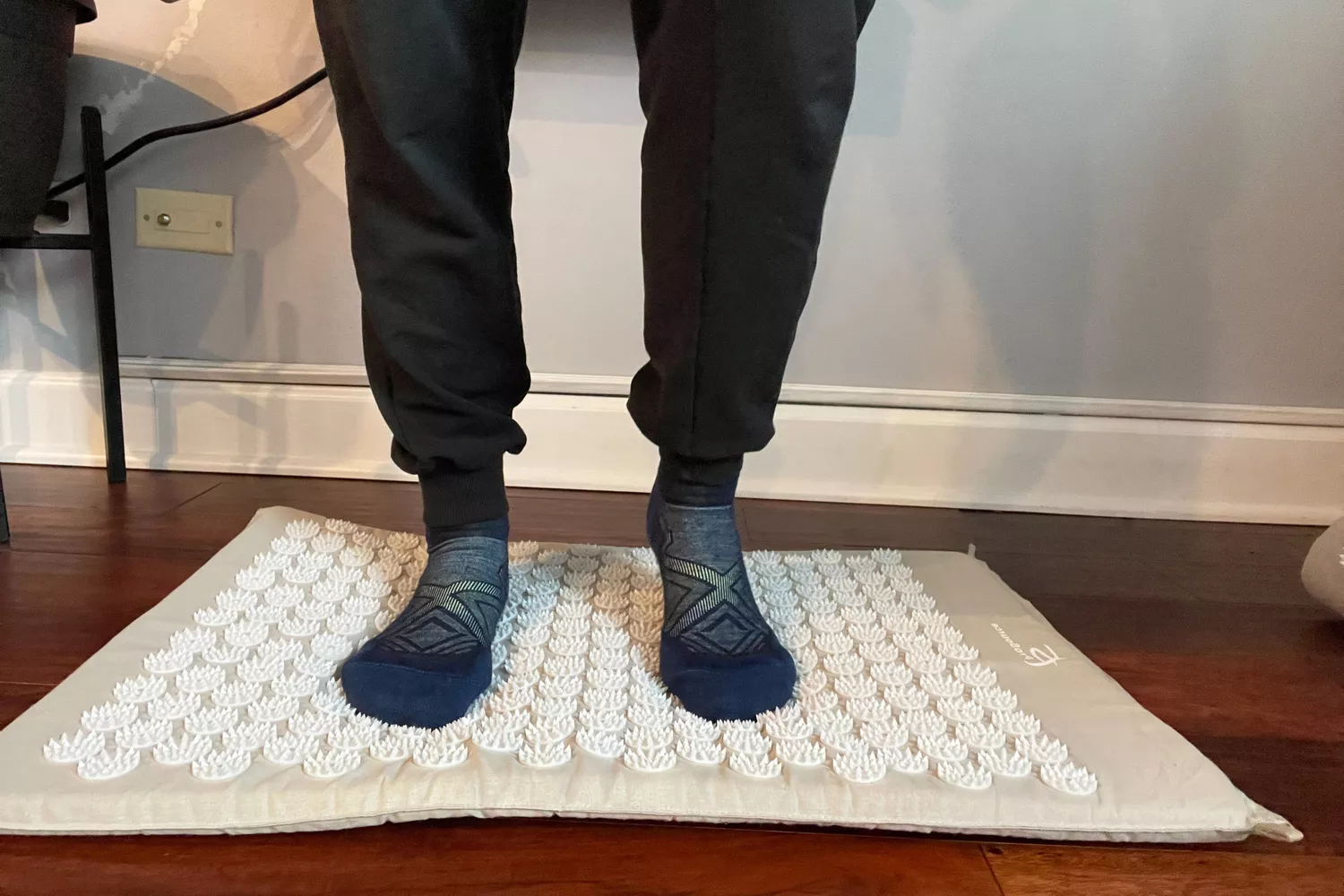
- Easing tension and pain, including in the back, neck, and feet (even for conditions like plantar fasciitis)
- Muscle relaxation
- Short-term effects on supporting mood and sleep quality
-
How to Use an Accupressure Mat
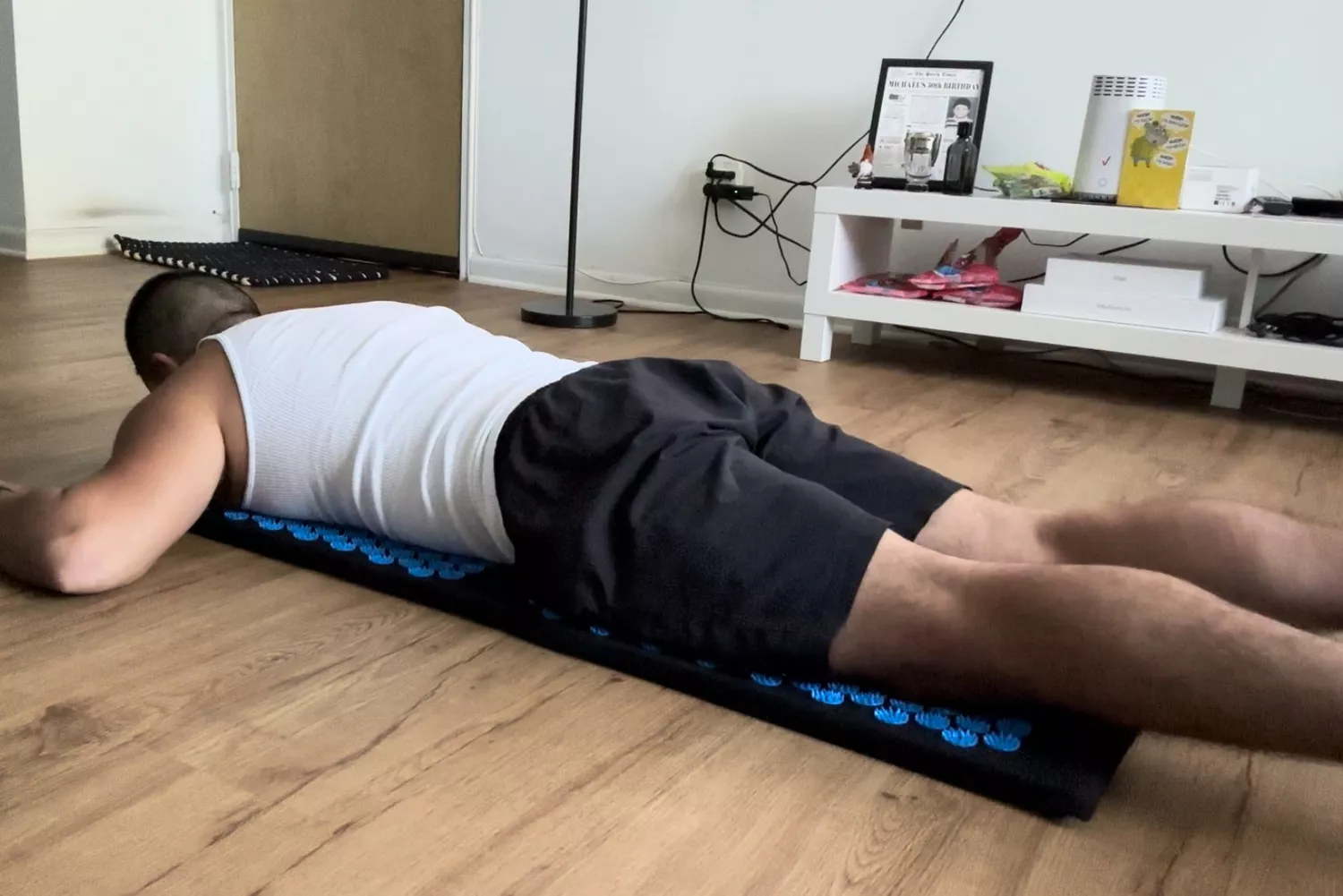
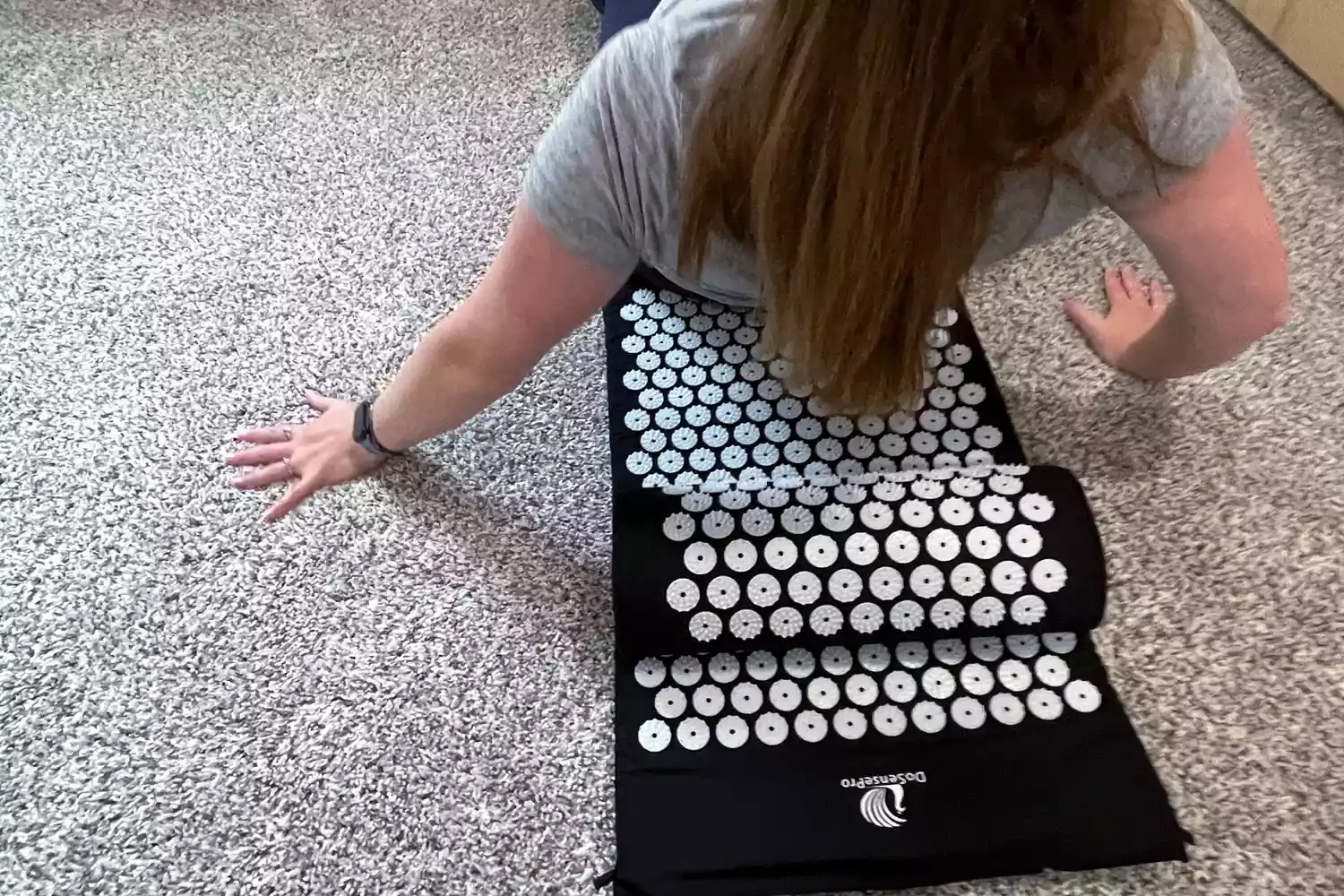
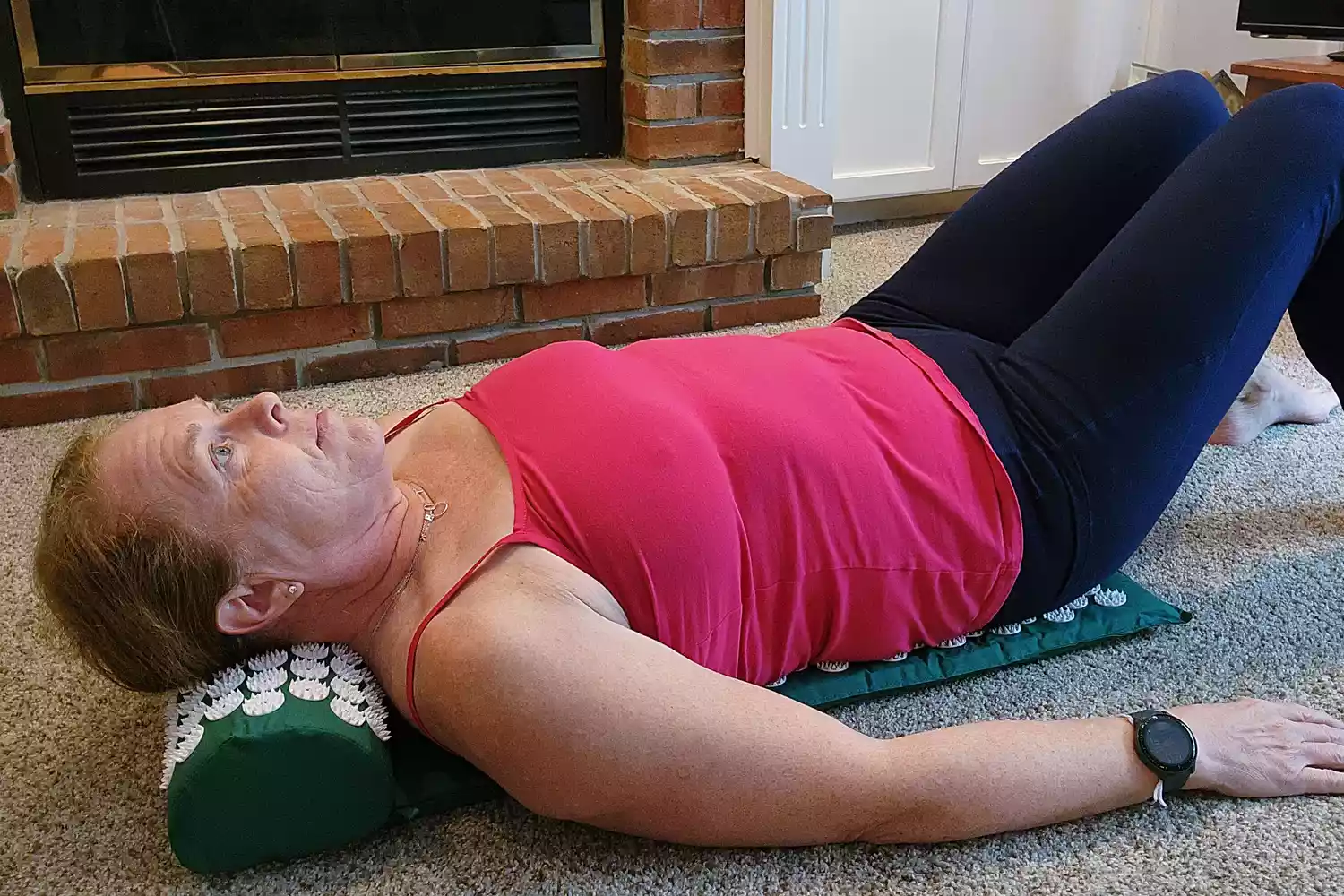
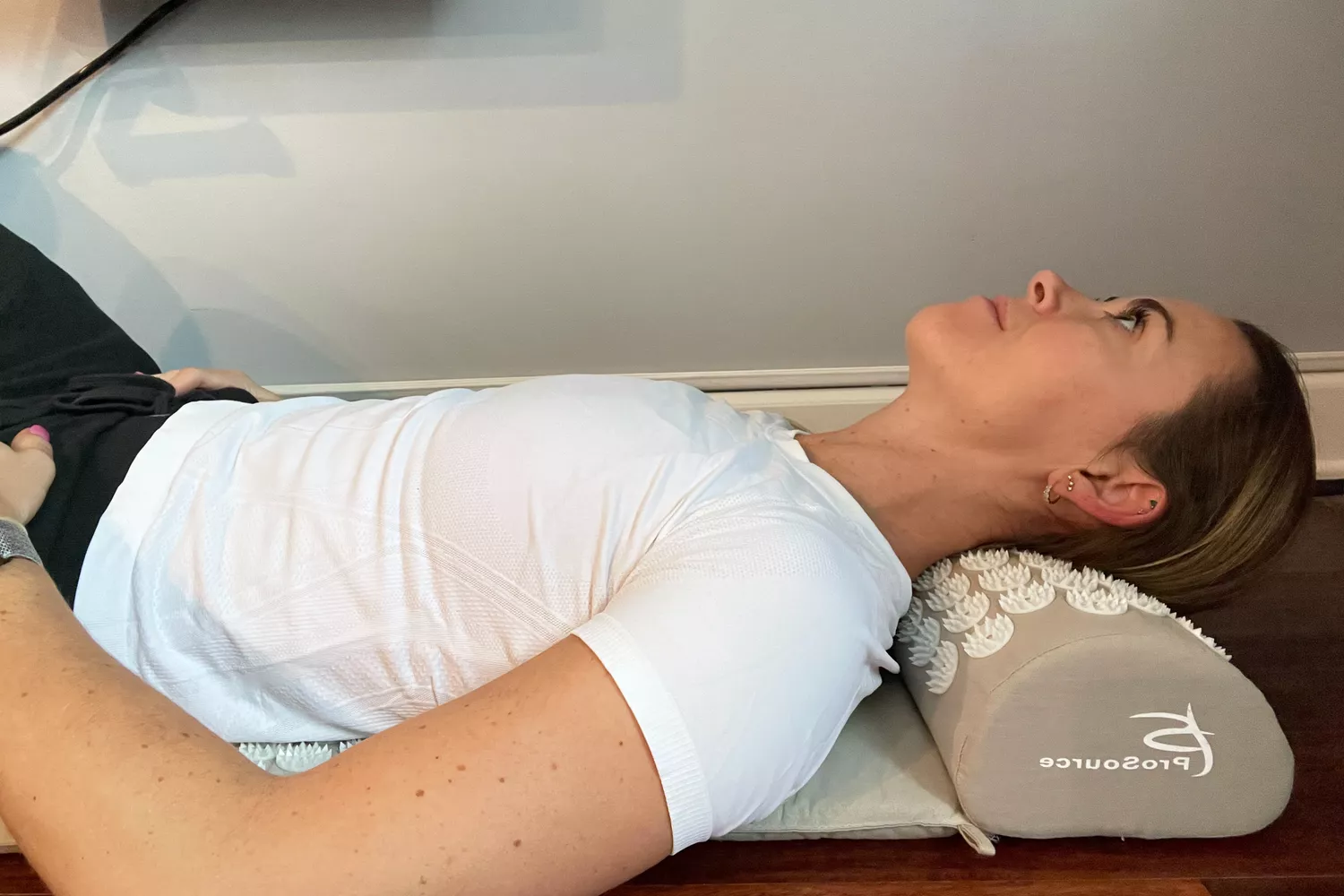
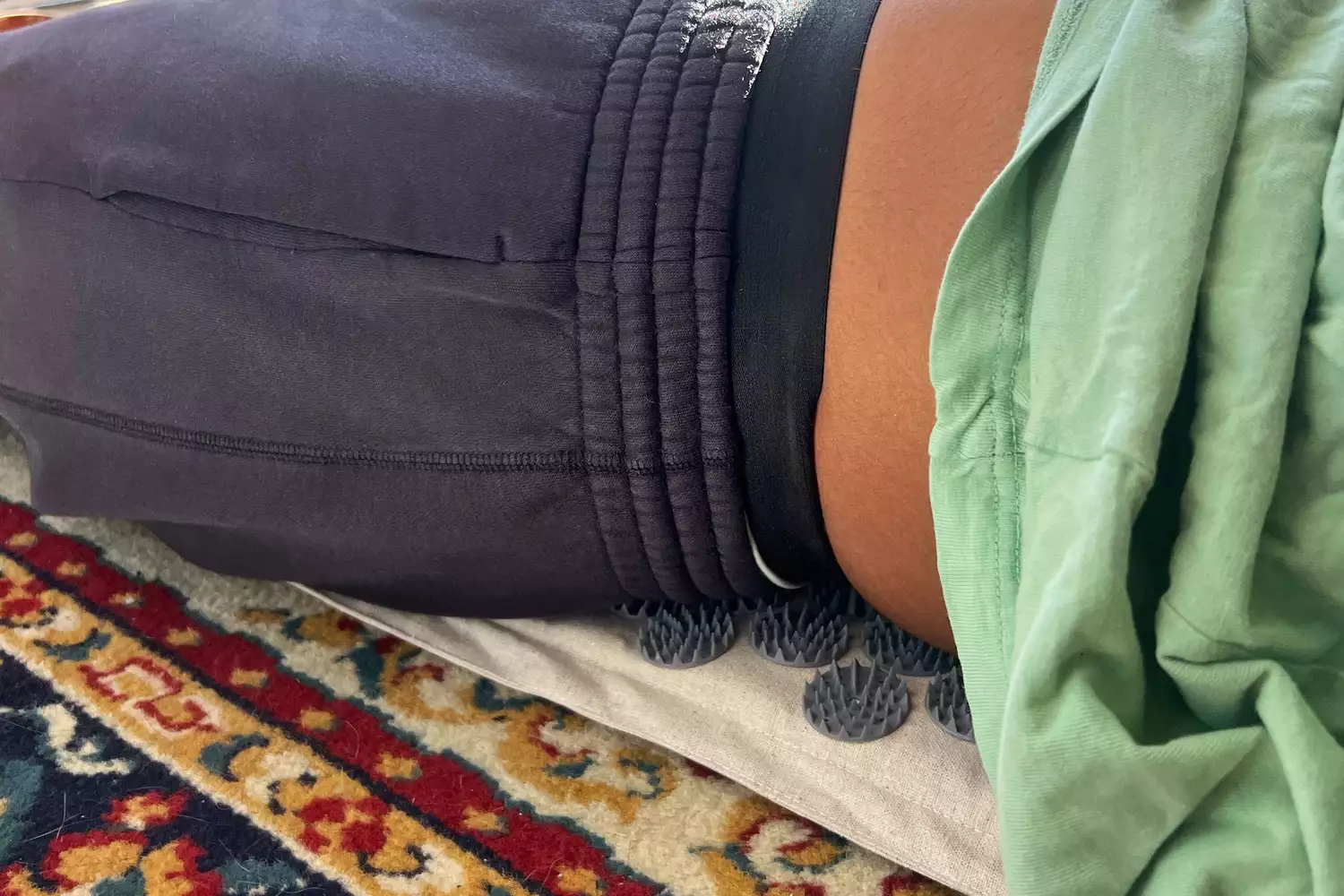
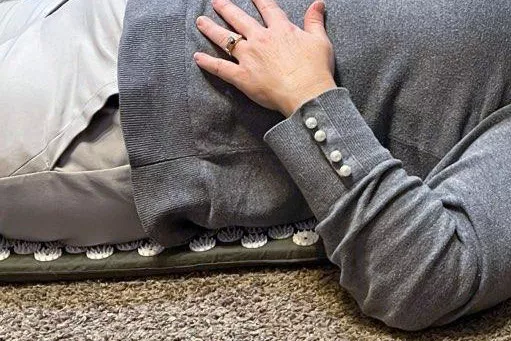
Start by using the mat for a couple of minutes at a time, and gradually work your way up to a 10- to 30-minute session. Place your acupressure mat on a solid surface like the floor instead of a bed and slowly lower yourself onto it to avoid discomfort, recommends Beall. Ingegno says you can lie on your mat with bare skin, wear light layers, or place a towel on it, depending on how intense you want the session to be. Deep, slow breathing may also help increase relaxation.
At the end of a session, do not roll off the mat since this places more pressure on one side of the body, which may be uncomfortable, says Beall.
-
How We Tested
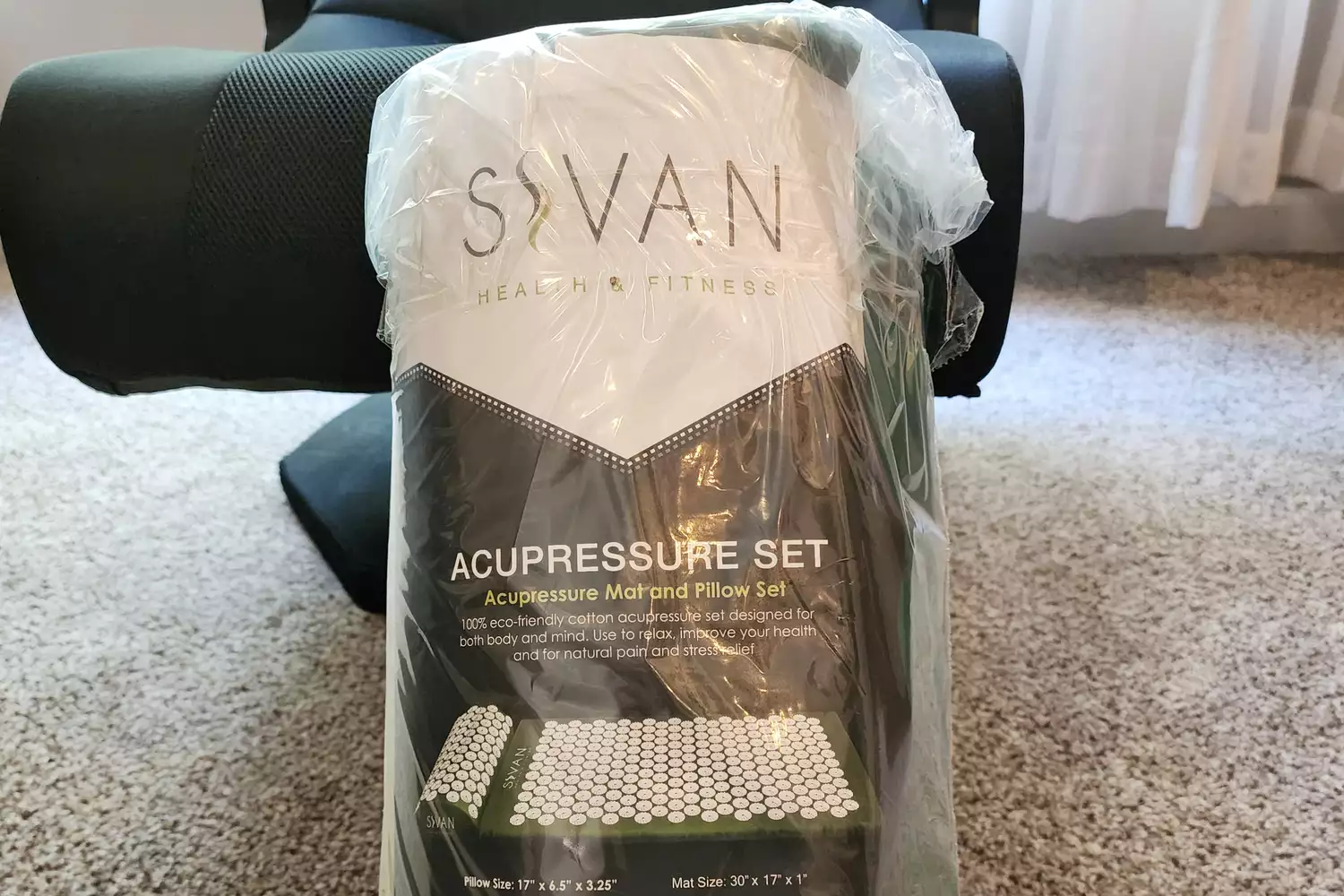
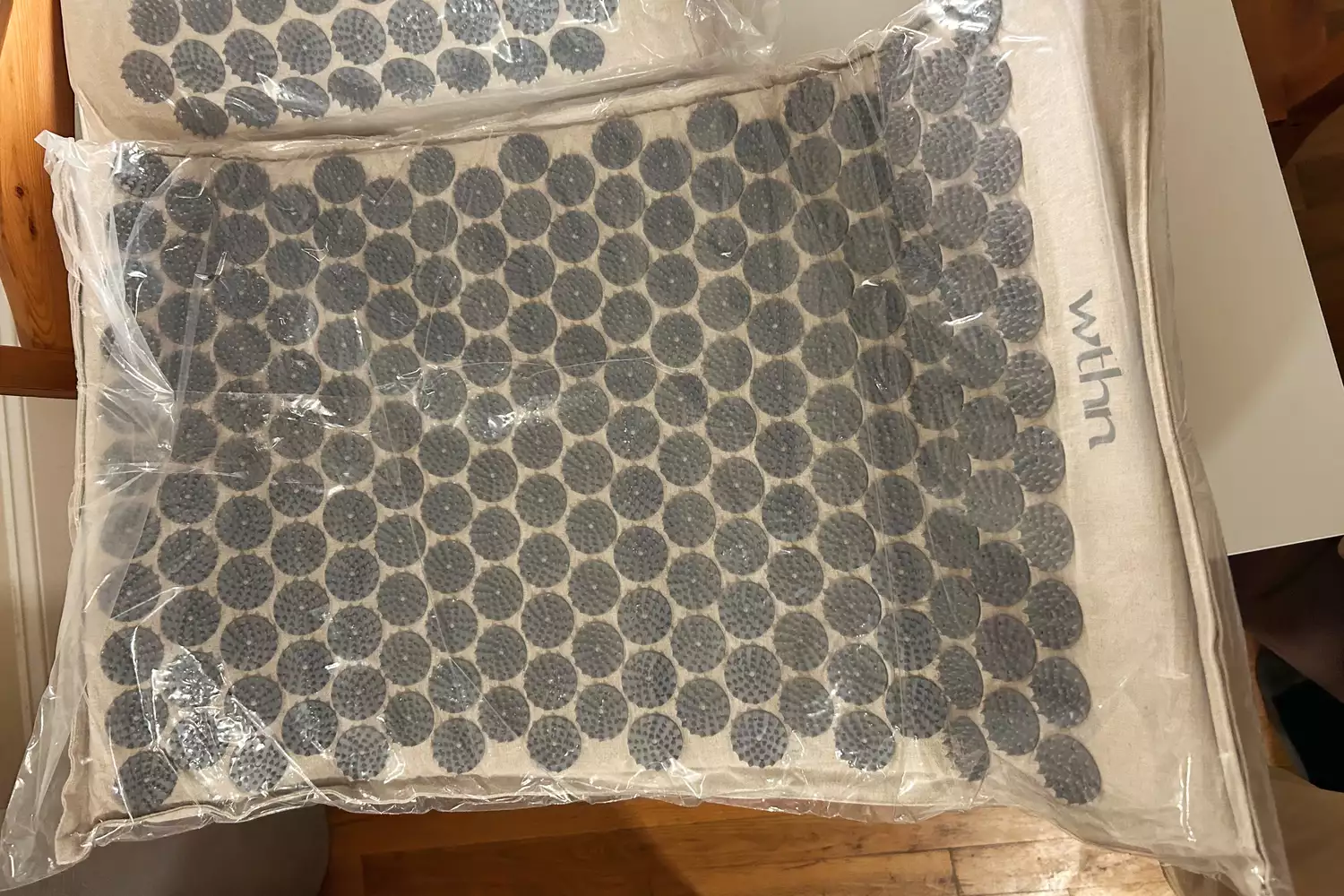
To find the best acupressure mats, we tested 15 options at home, using them at least three times weekly for a total of over 135 sessions. When testing acupressure mats, we evaluate them based on the following key criteria.
- Comfort: When assessing comfort, we consider how the mat feels, specifically whether it provides appropriate support and if it stays in place during use. We note whether the acupressure spikes or points feel tolerable or lead to excessive discomfort. Does our muscle tension feel relieved? Do we feel more relaxed after use
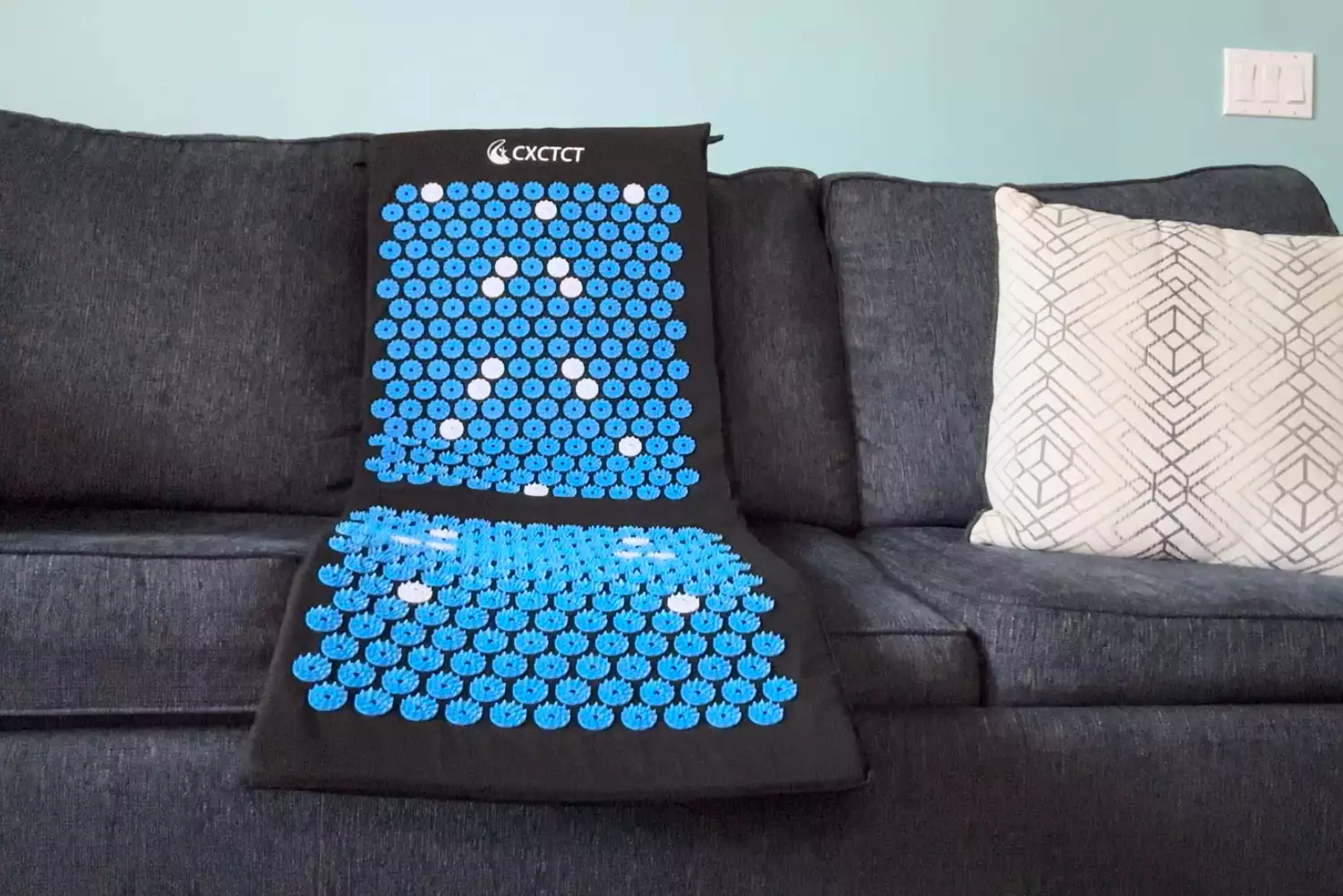
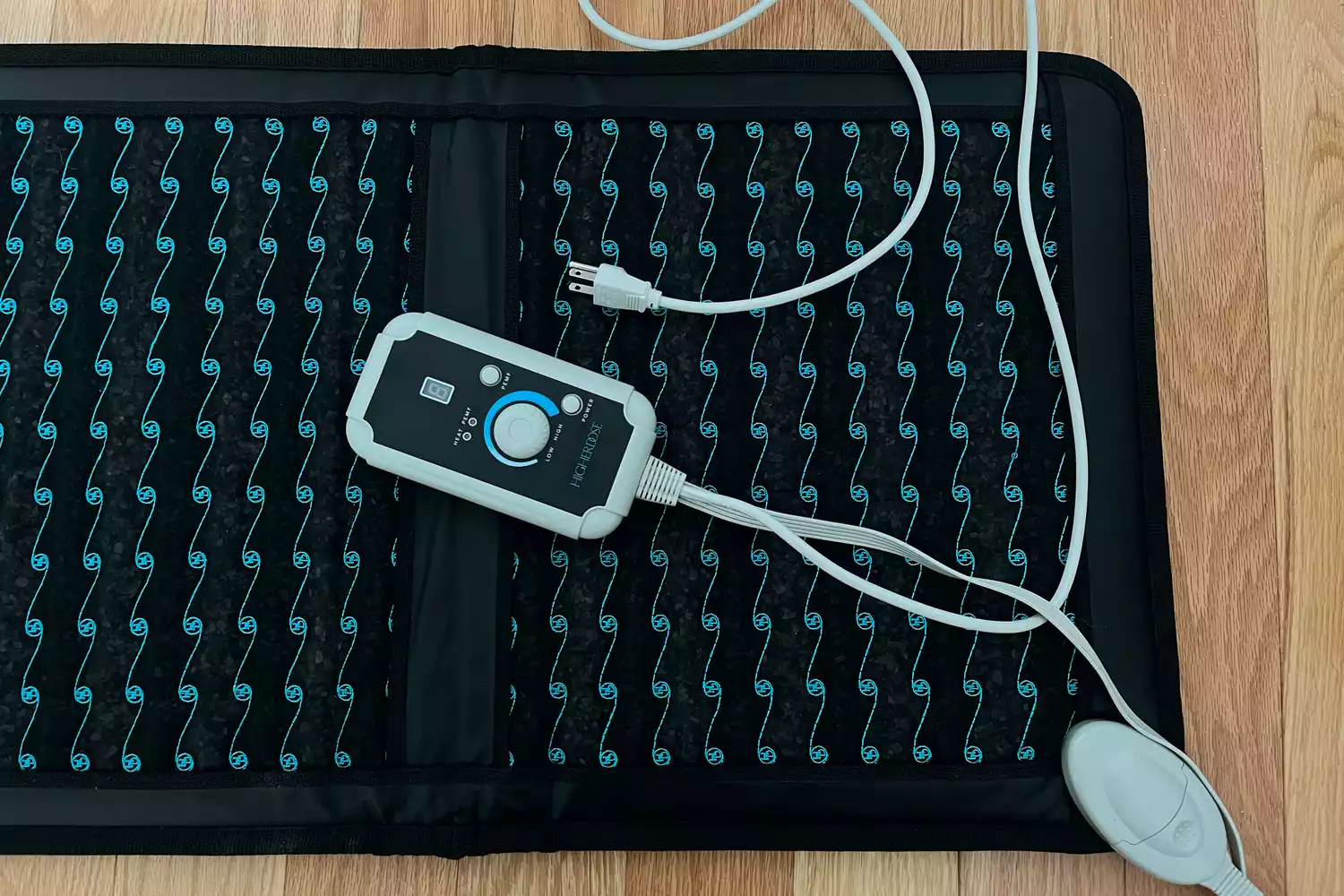
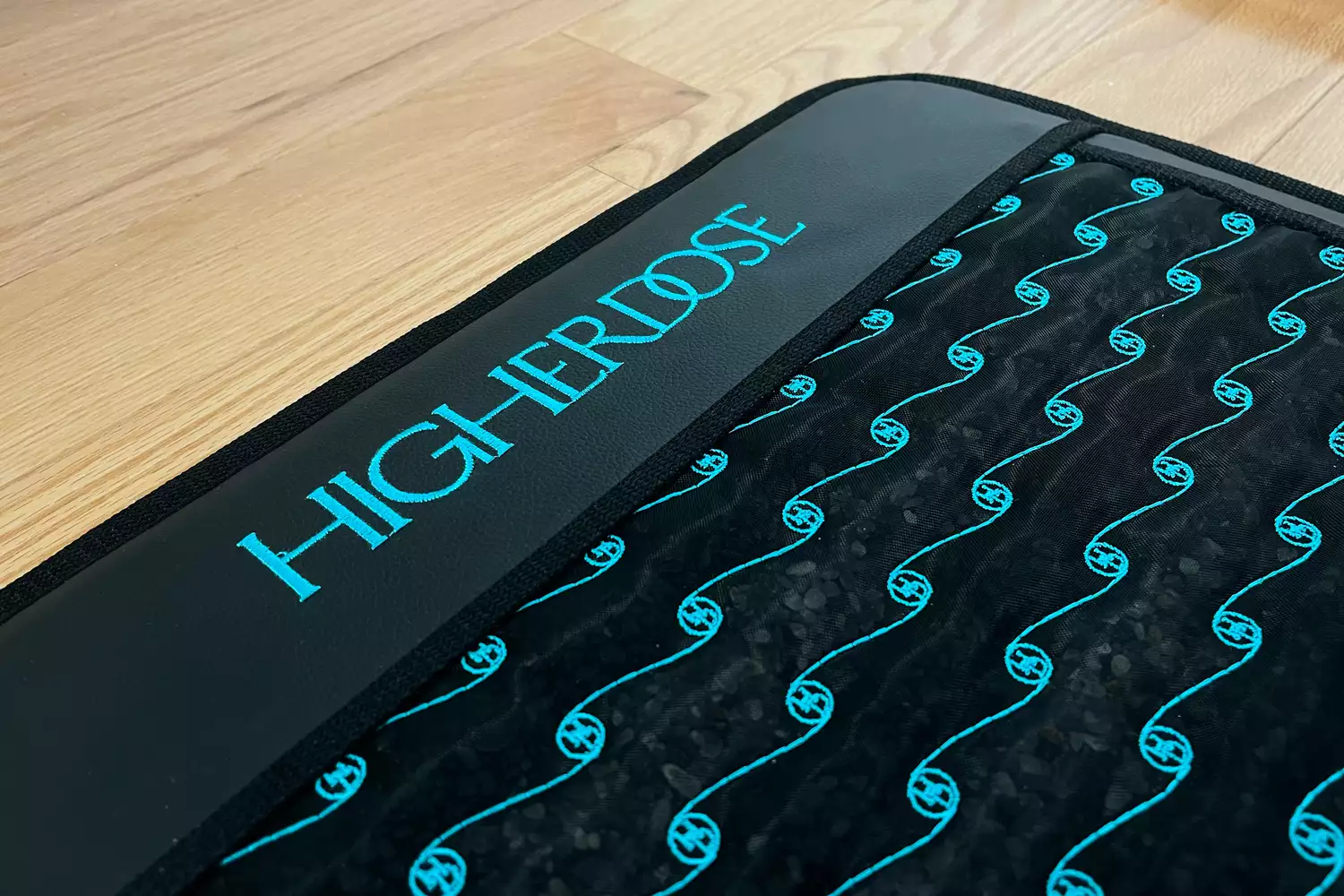
- Design: When examining design, we consider whether the mat's size provides appropriate coverage. Does it target areas on our back, neck, and shoulders that typically experience tension? Does the mat have any customizable or convenient features? Is the mat easy to set up and adjust.
- Effectiveness: When considering effectiveness, we ask ourselves if we notice any benefits, including pain relief, increased feelings of relaxation, reduced muscle tension, and more. How long does it take us to feel these benefits, if any? Do factors like session duration, body positioning, and frequency impact its effectiveness
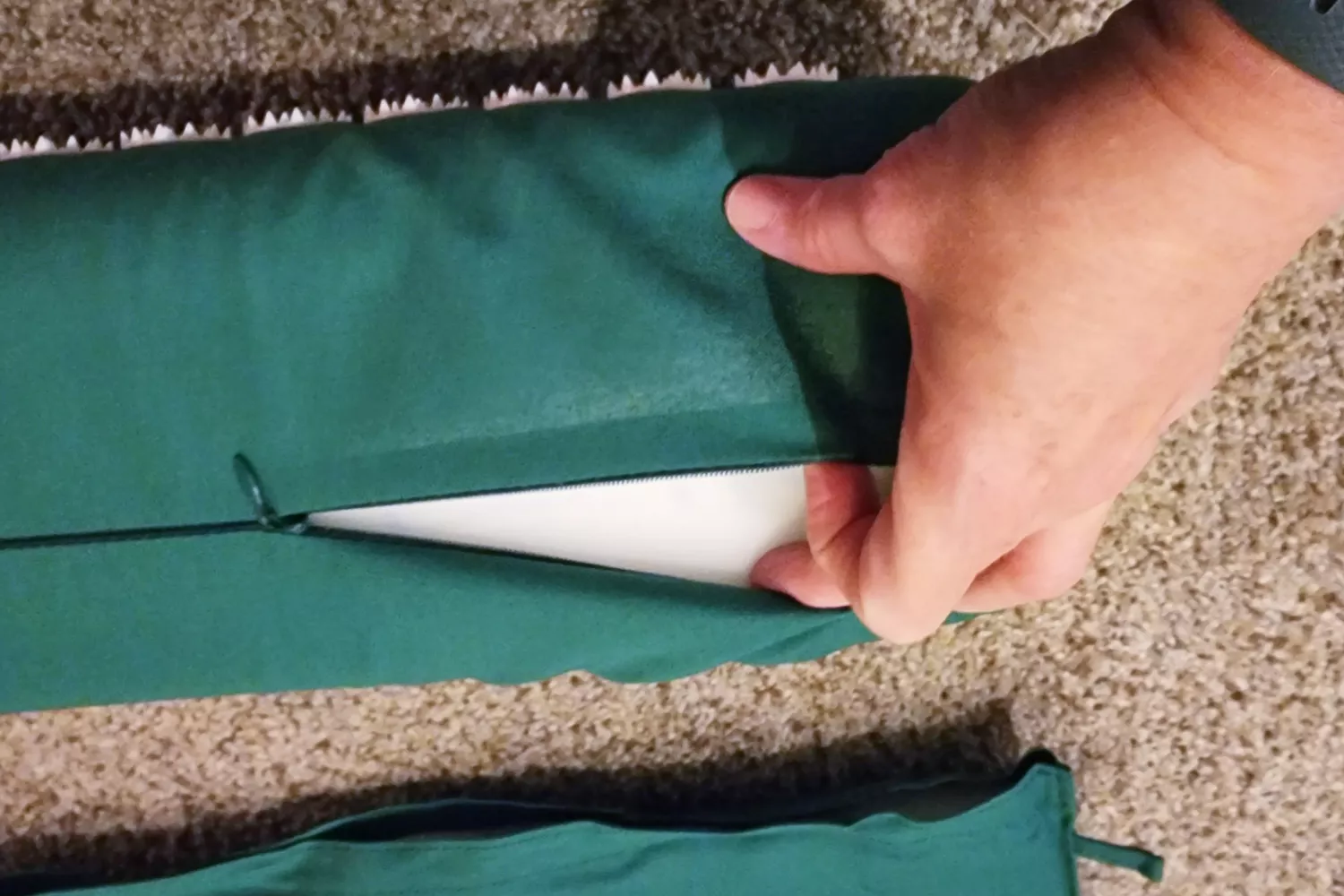
- Durability: When assessing durability, we consider how often we use the mats and on what surface. Does the mat show signs of wear and tear? Does it retain its original shape? Has it maintained its effectiveness and comfort? Does it come with a storage bag, and if so, does this add to the mat's convenience, durability, and portability
- Value: To rate the value of each acupressure mat, we don't look at its price until we've assessed it in all other key categories. We then consider whether we'd purchase it at full price or on sale and if we'd recommend it to loved ones. We prioritize acupressure mats whose quality exceeds their value.
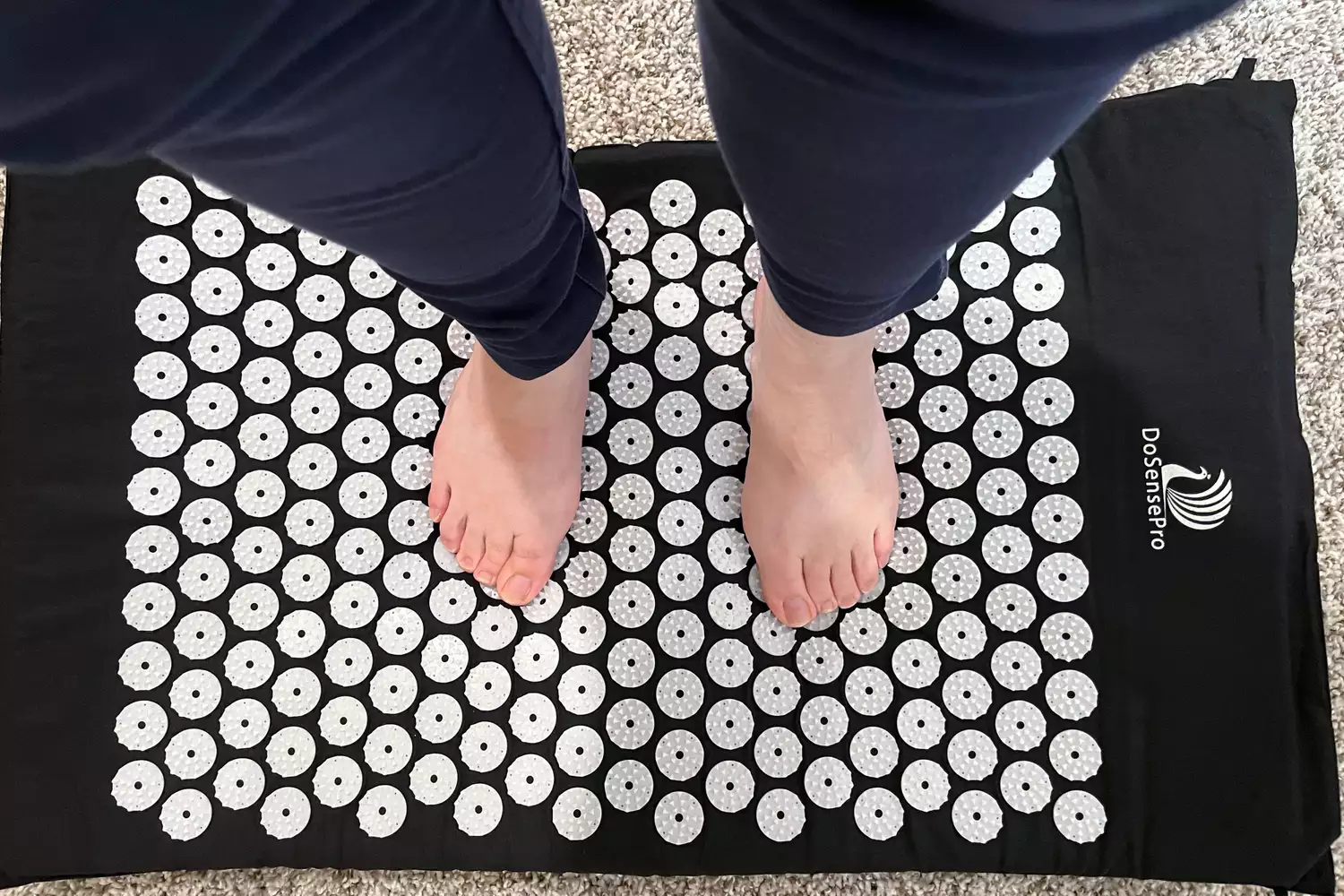
Verywell Fit