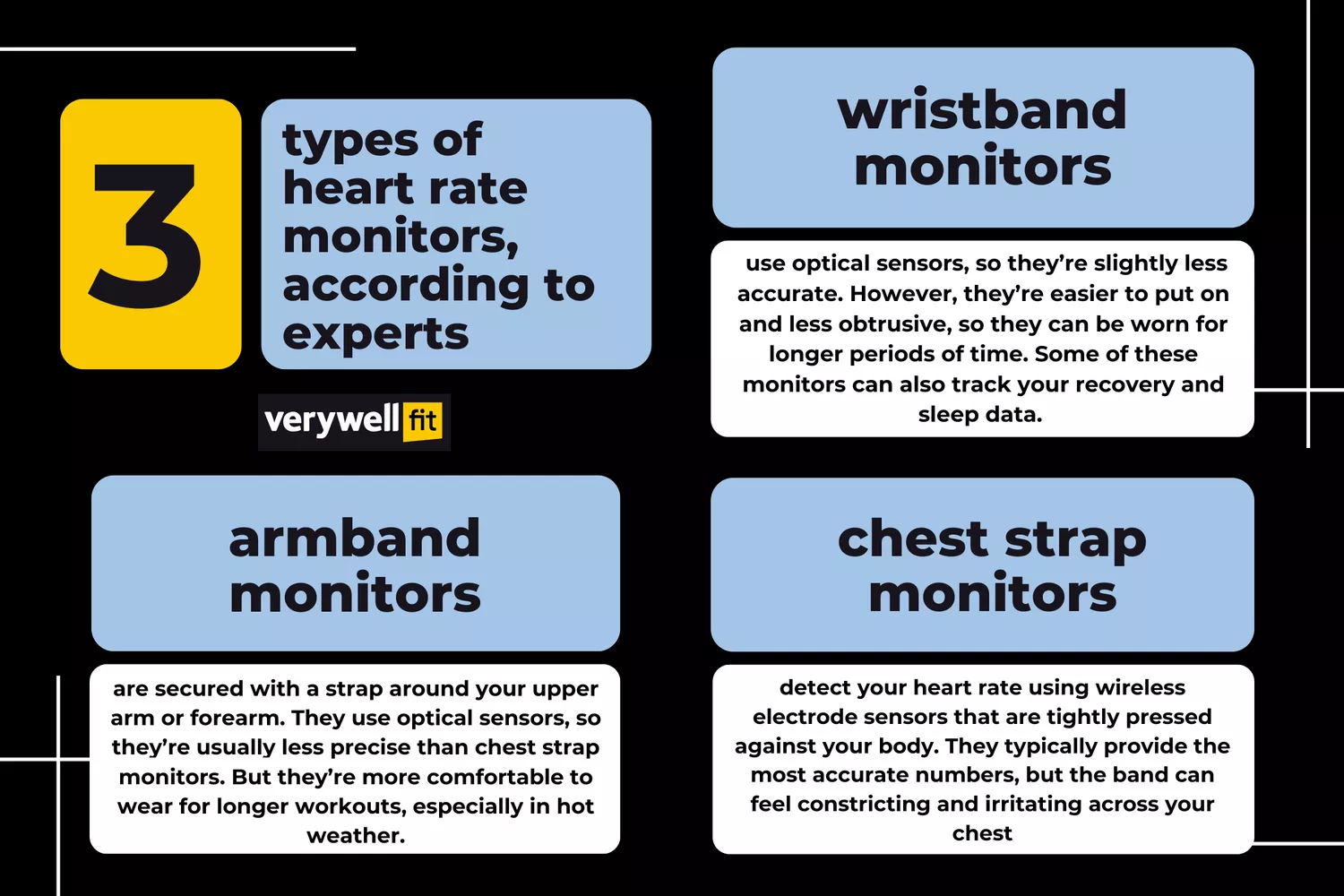
There are many reasons to use a heart rate monitor, from optimizing your workouts to managing your heart health and stress levels. Analyzing the data collected from a heart rate monitor can also help you track your progress and better communicate with coaches, personal trainers, and healthcare professionals.
Top Picks
Best Overall:
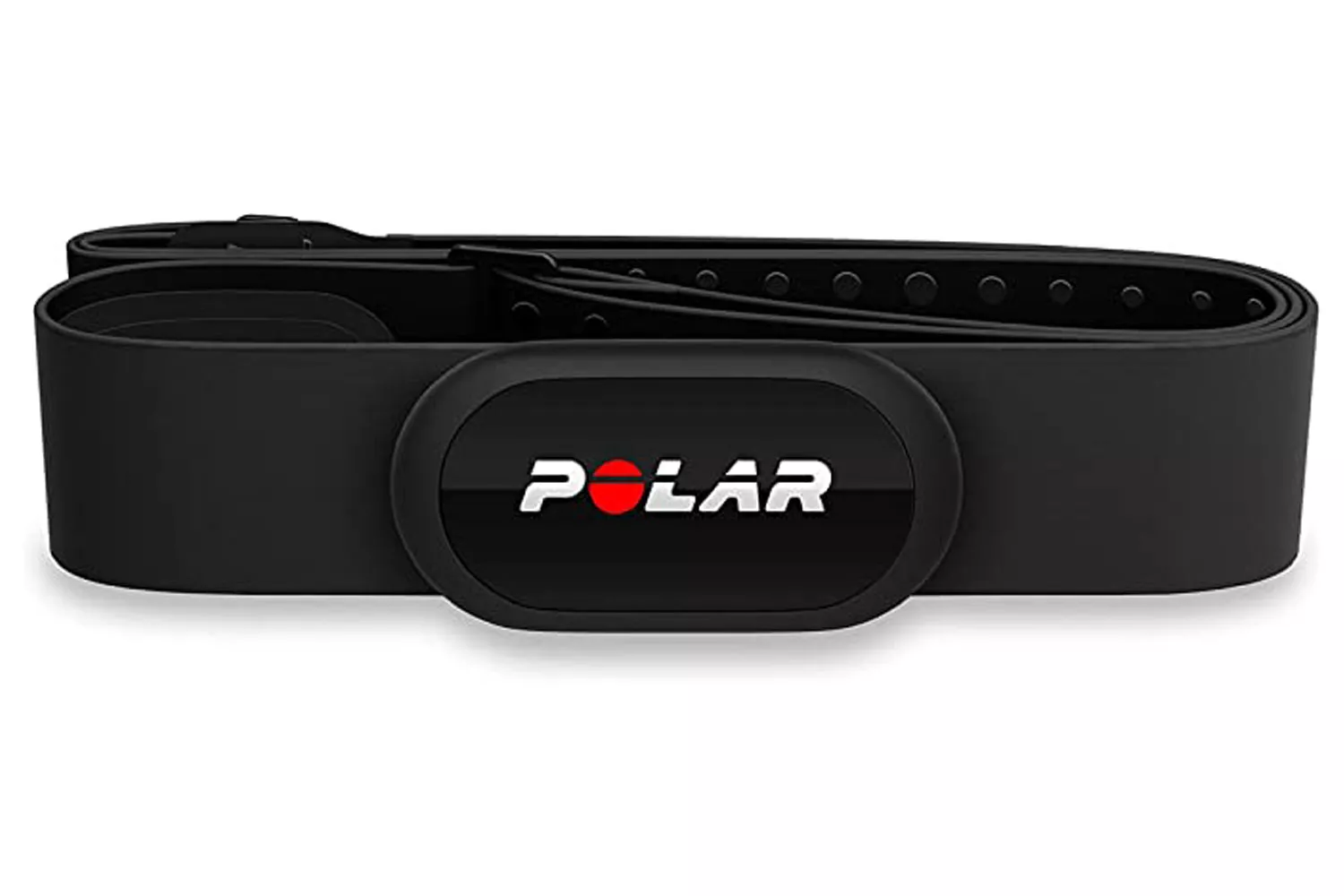
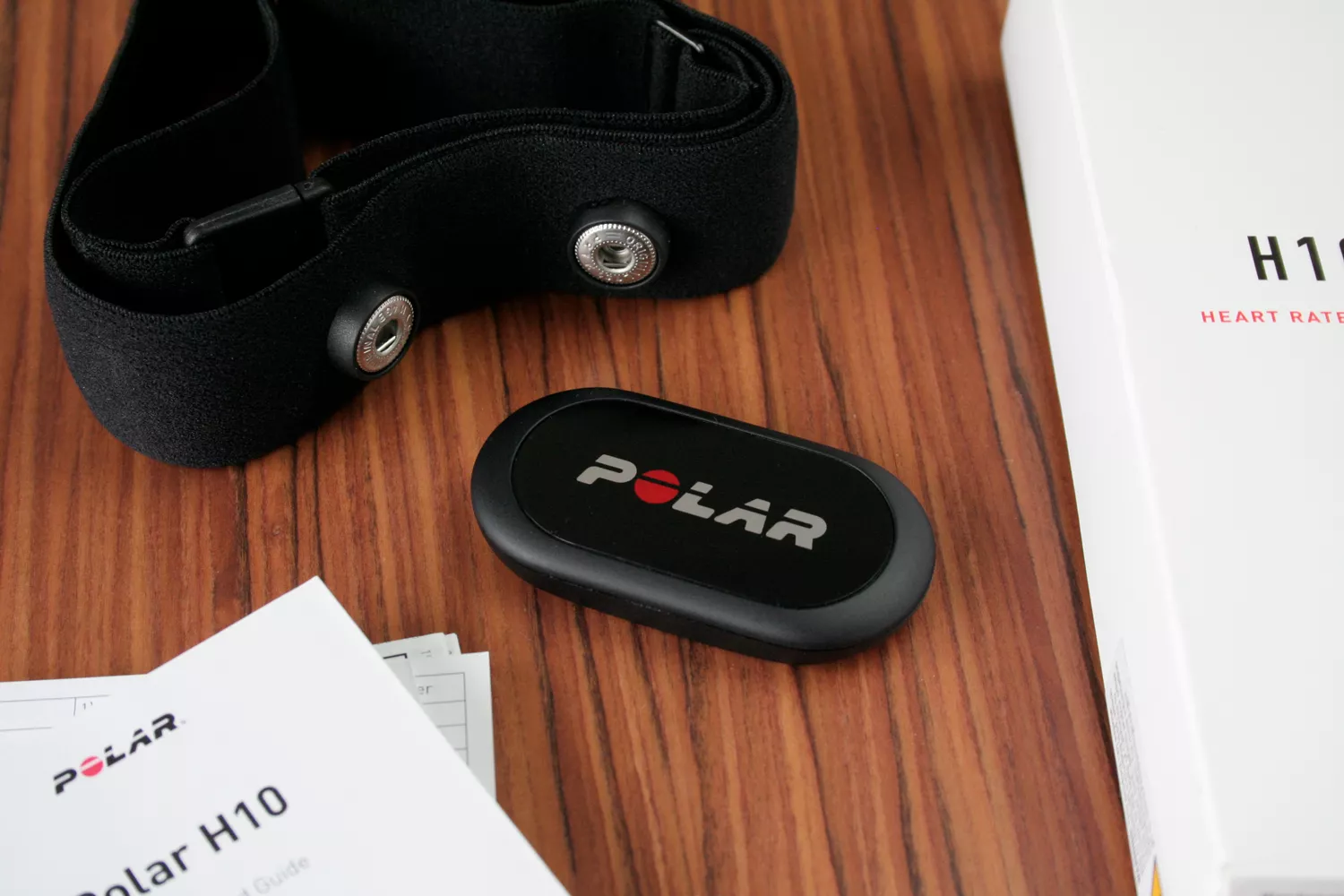
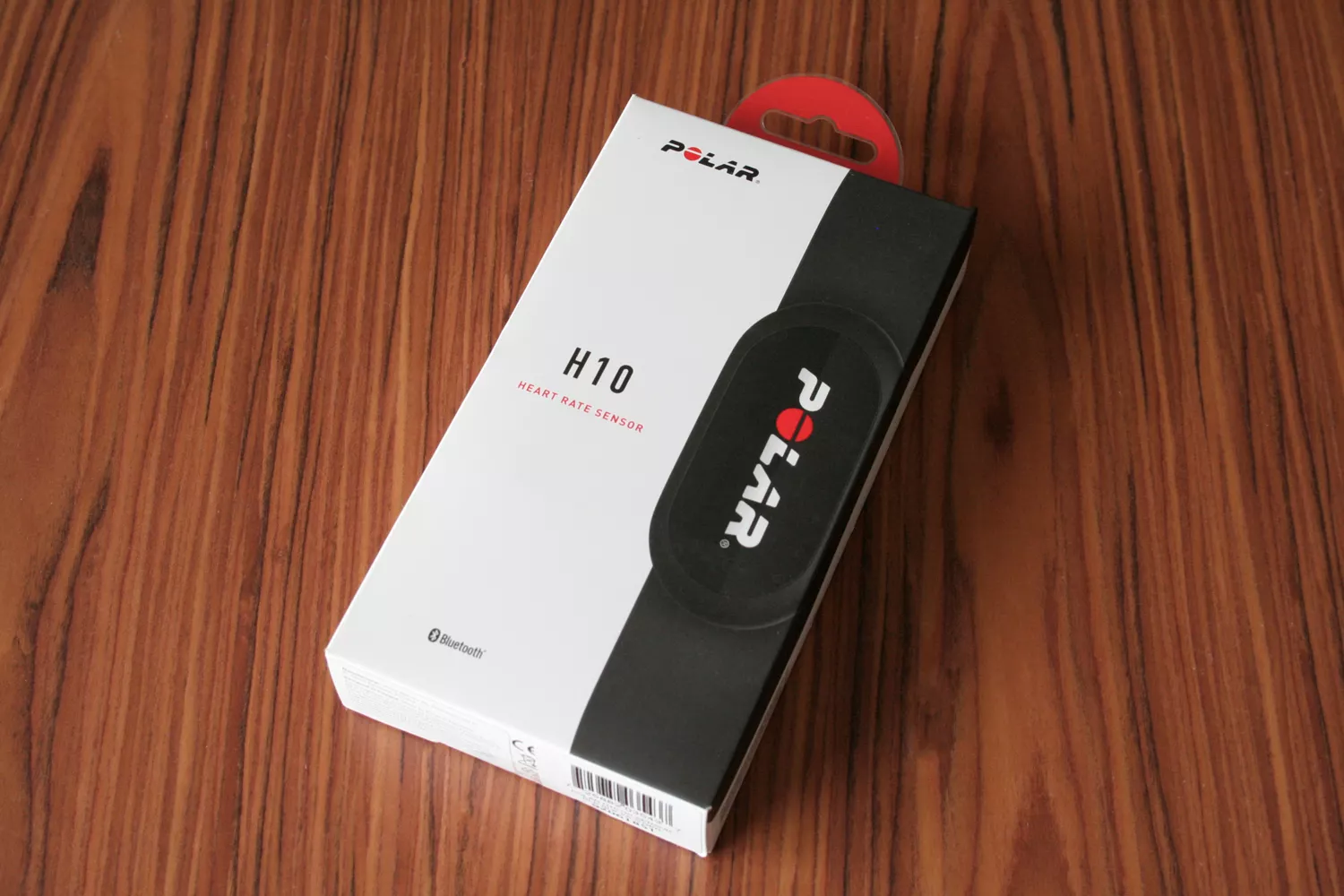
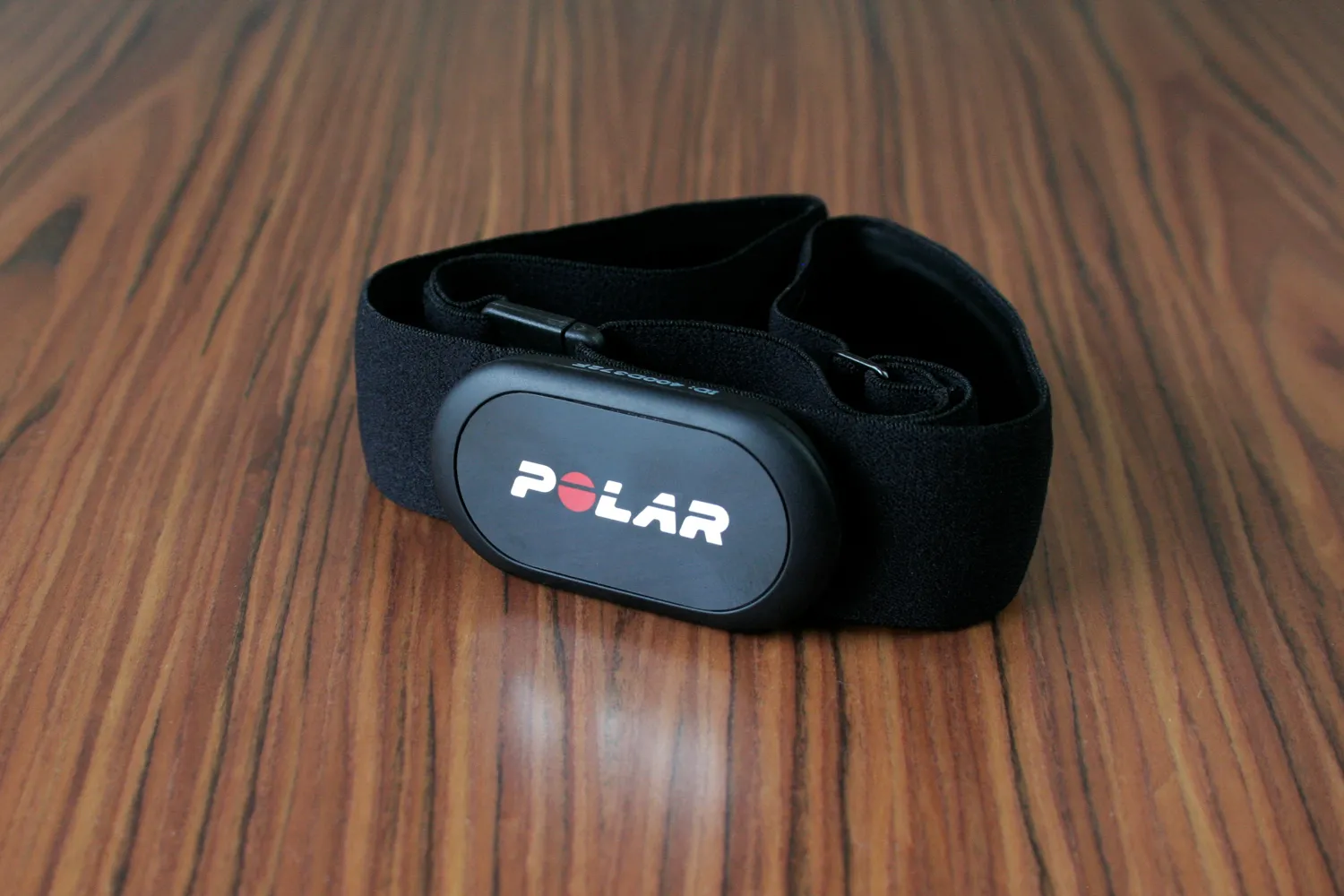
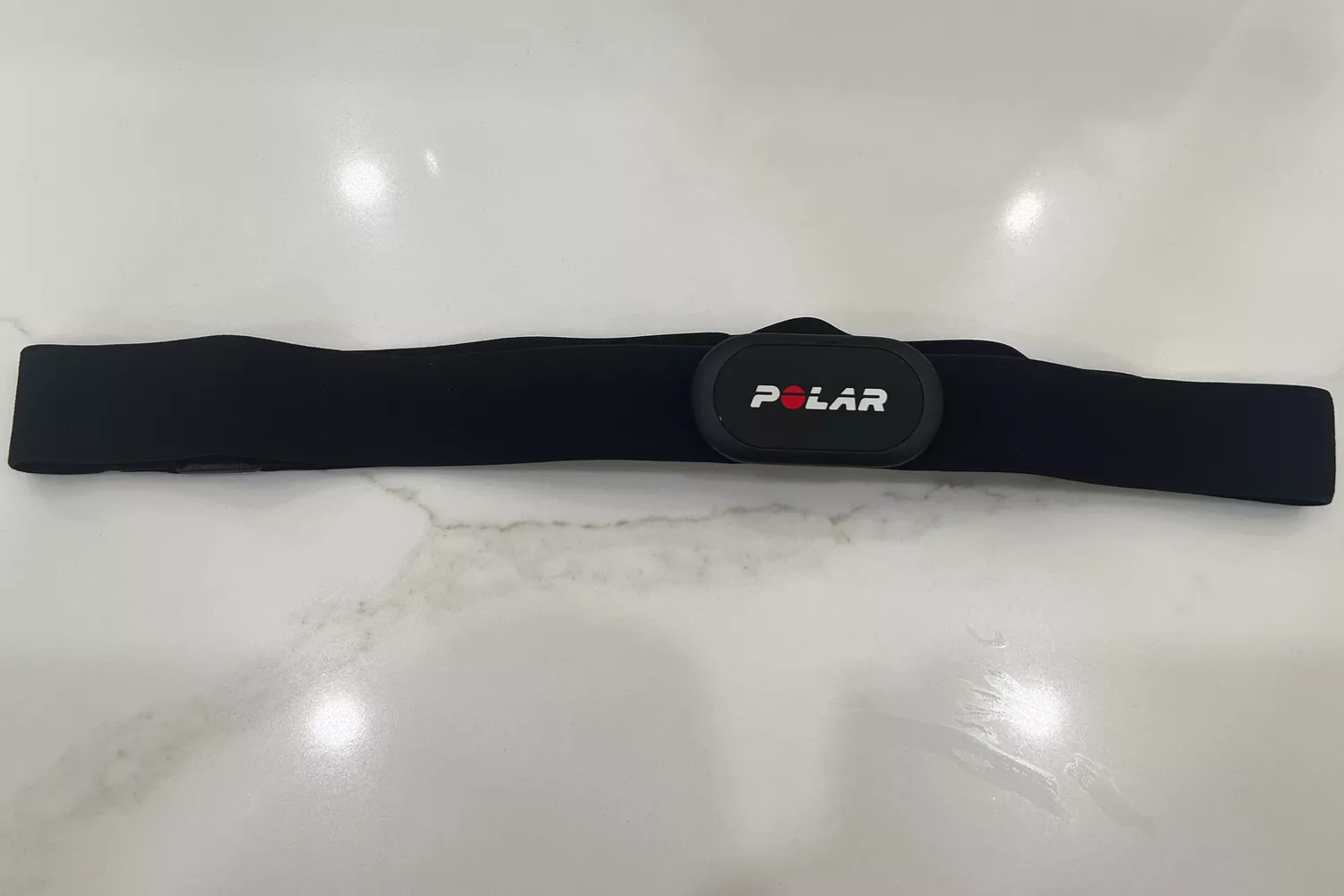
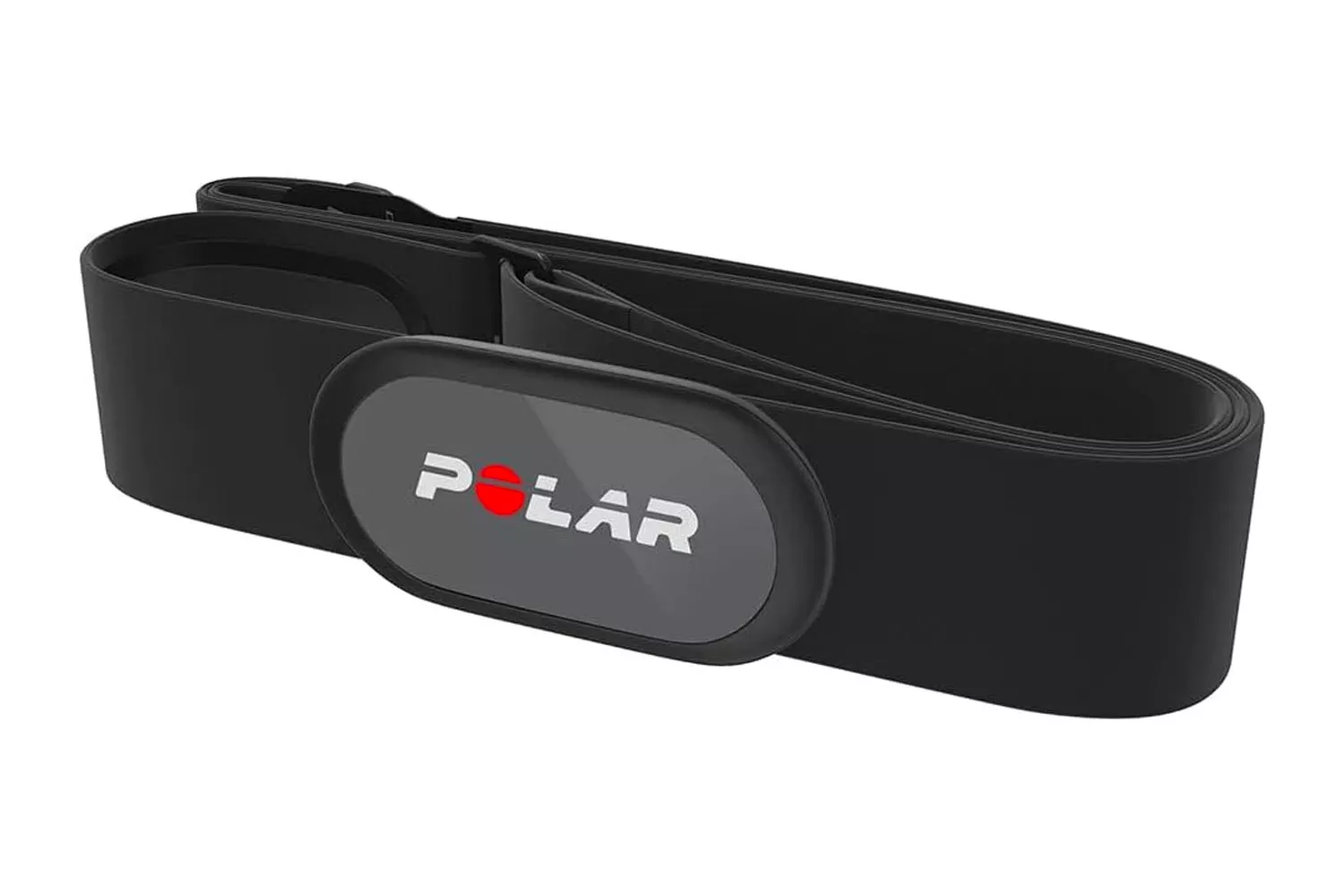
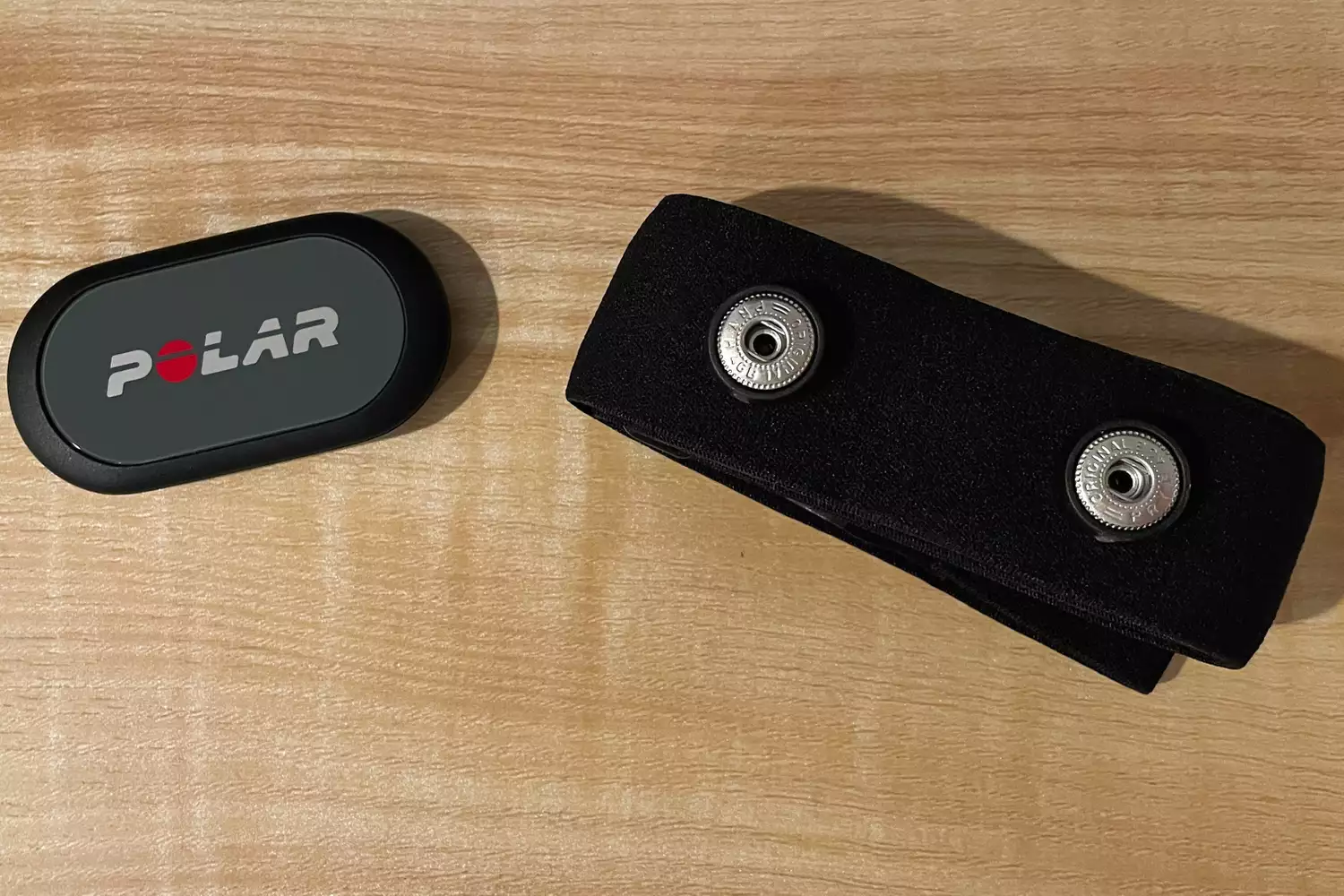
POLAR H10 Heart Rate Monitor at Amazon $105 Best Budget:
SALE
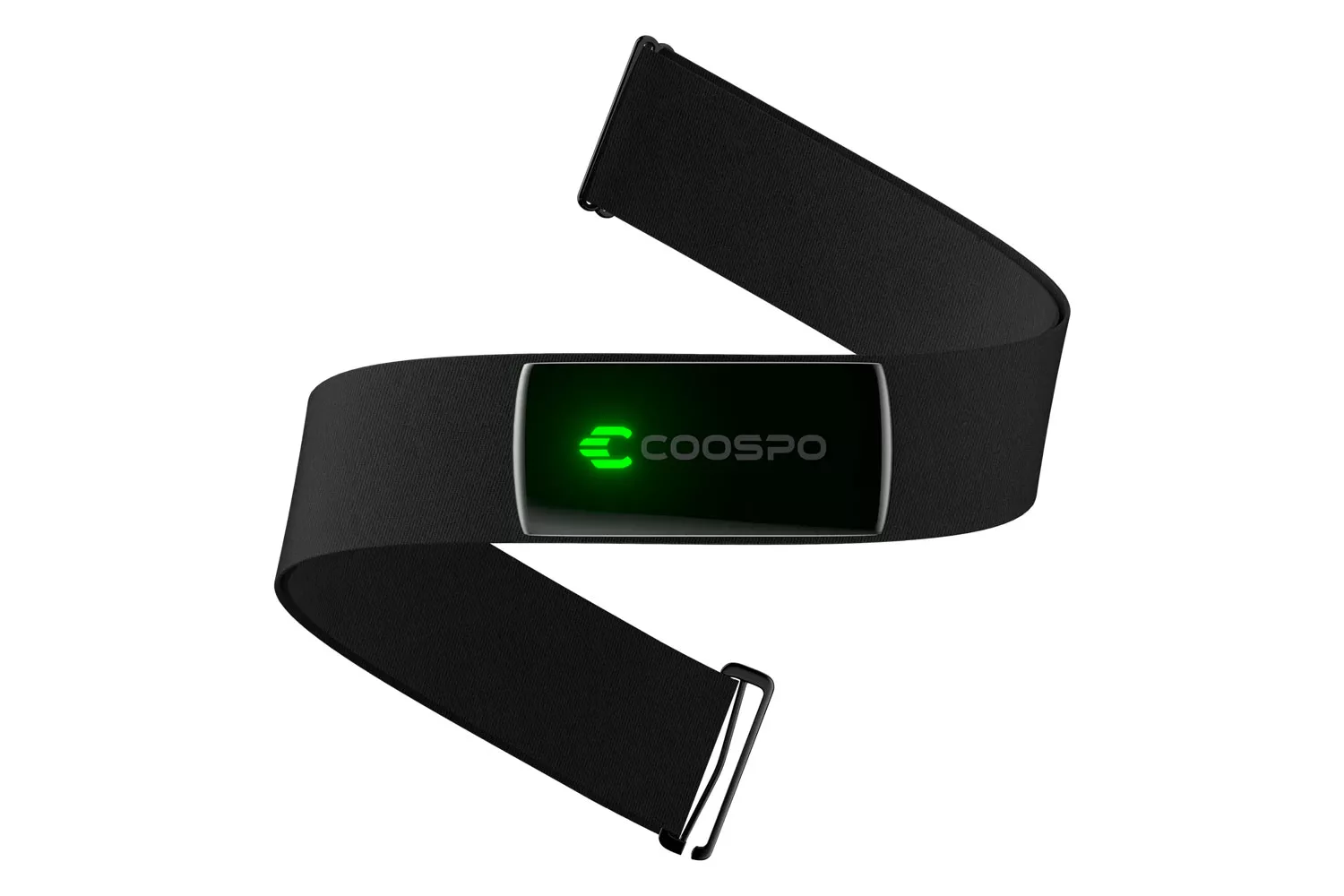
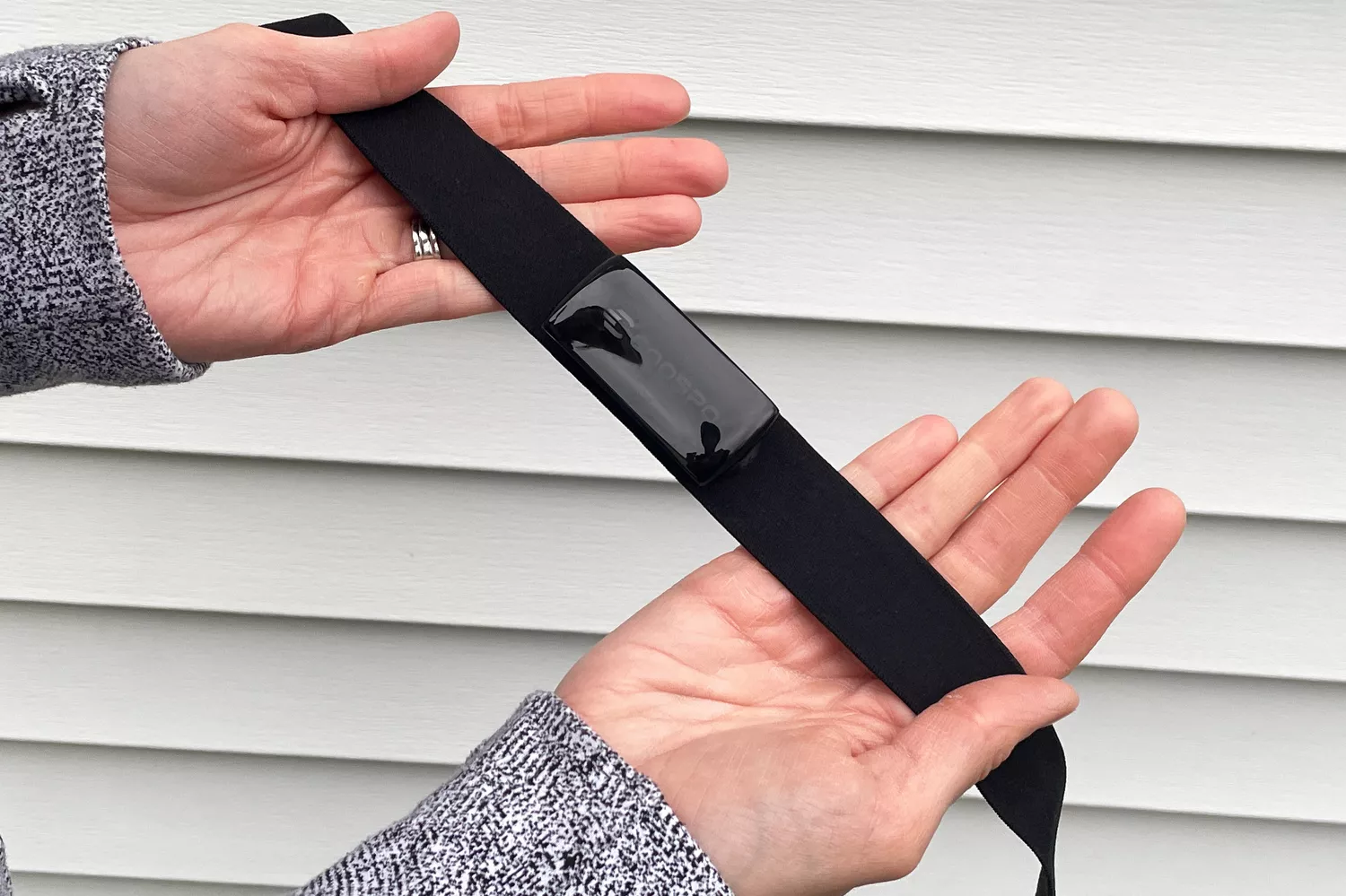
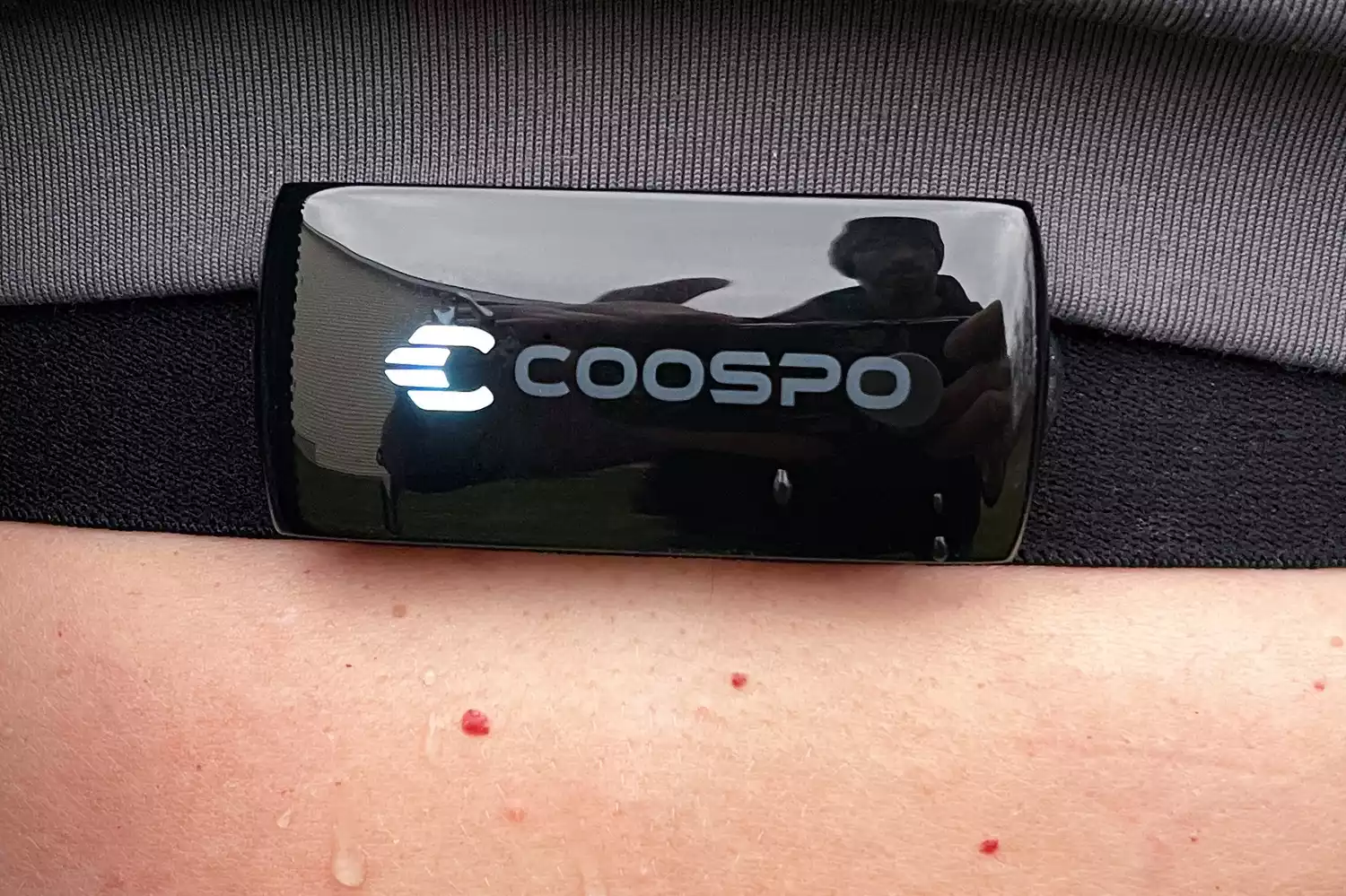
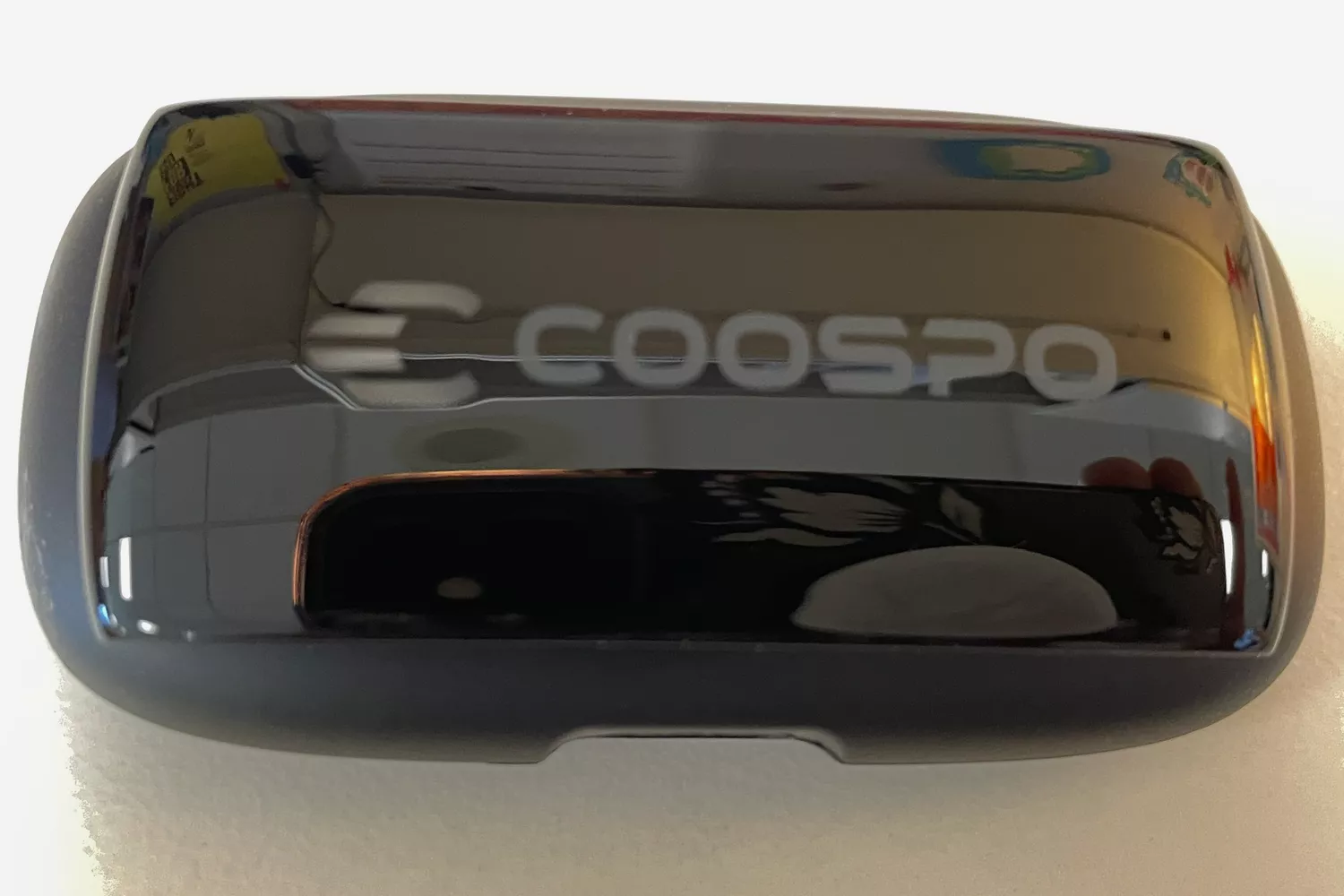
COOSPO Rechargeable Chest Heart Rate Monitor at Amazon Most Versatile:
SALE
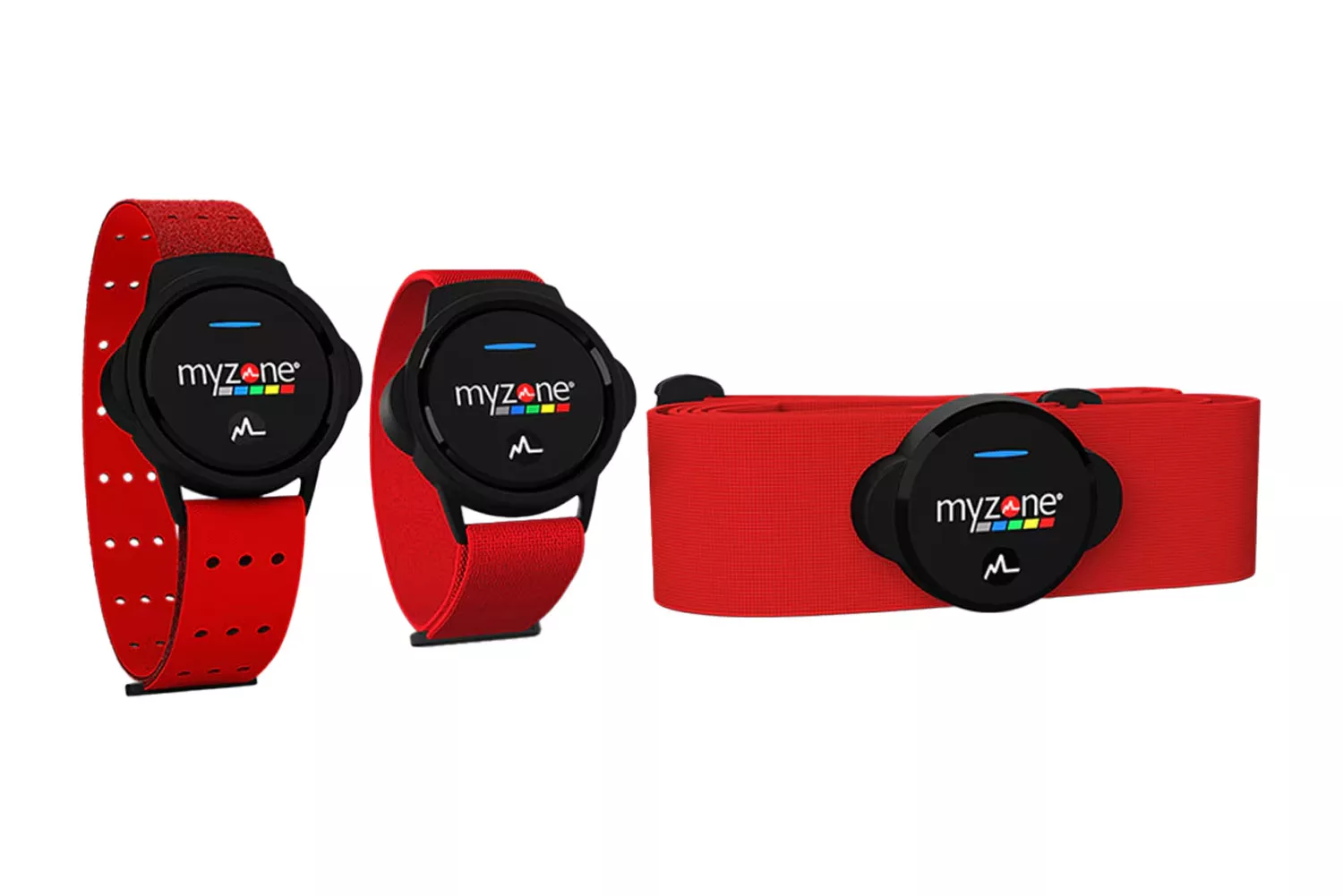
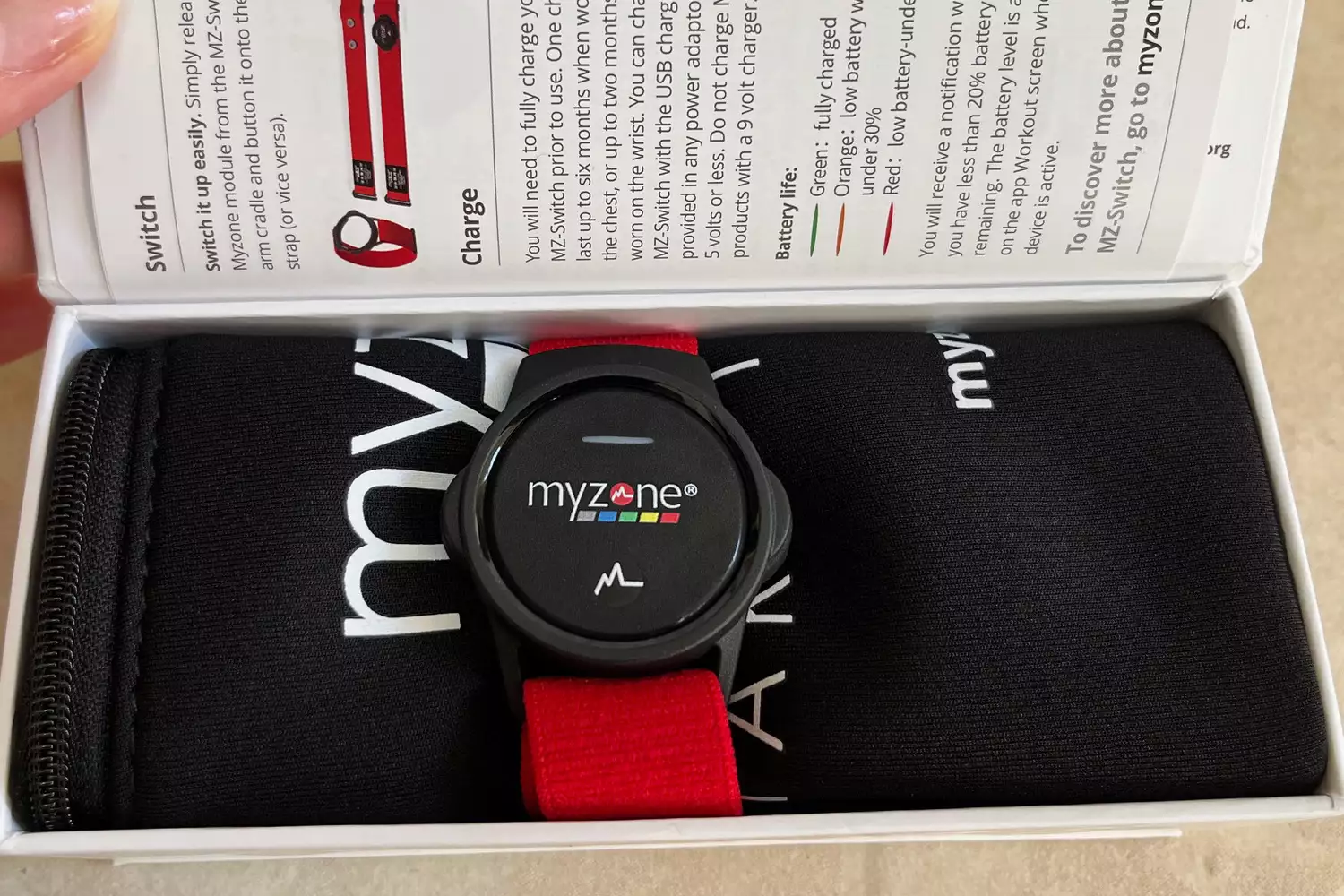
MyZone MZ-Switch Heart Rate Monitor at Amazon Best for Cycling:
Polar H9 Heart Rate Sensor at Amazon $70 Best for Older Adults:
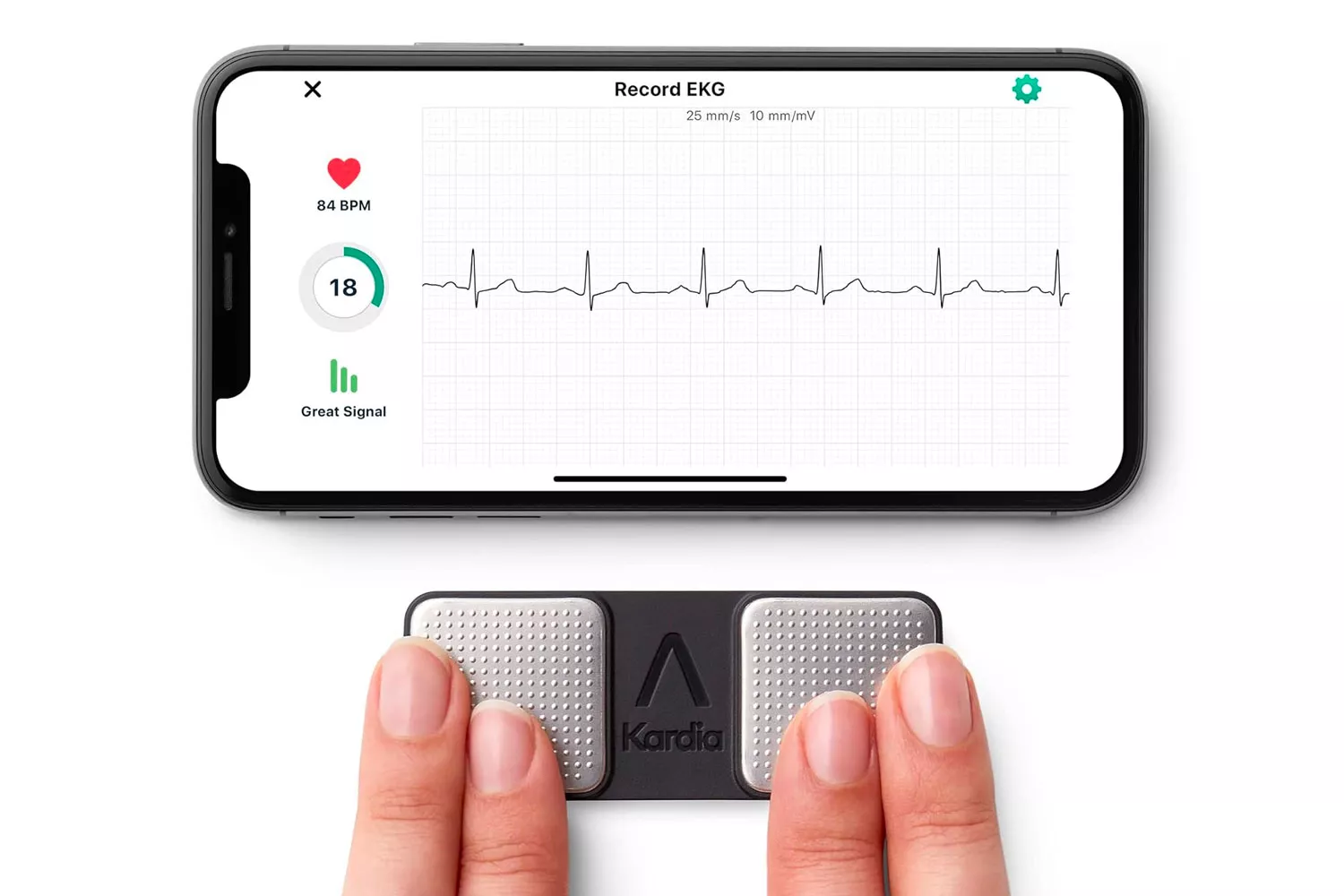
AliveCor KardiaMobile 1-Lead Personal EKG Monitor at Amazon $79 Best for Runners:
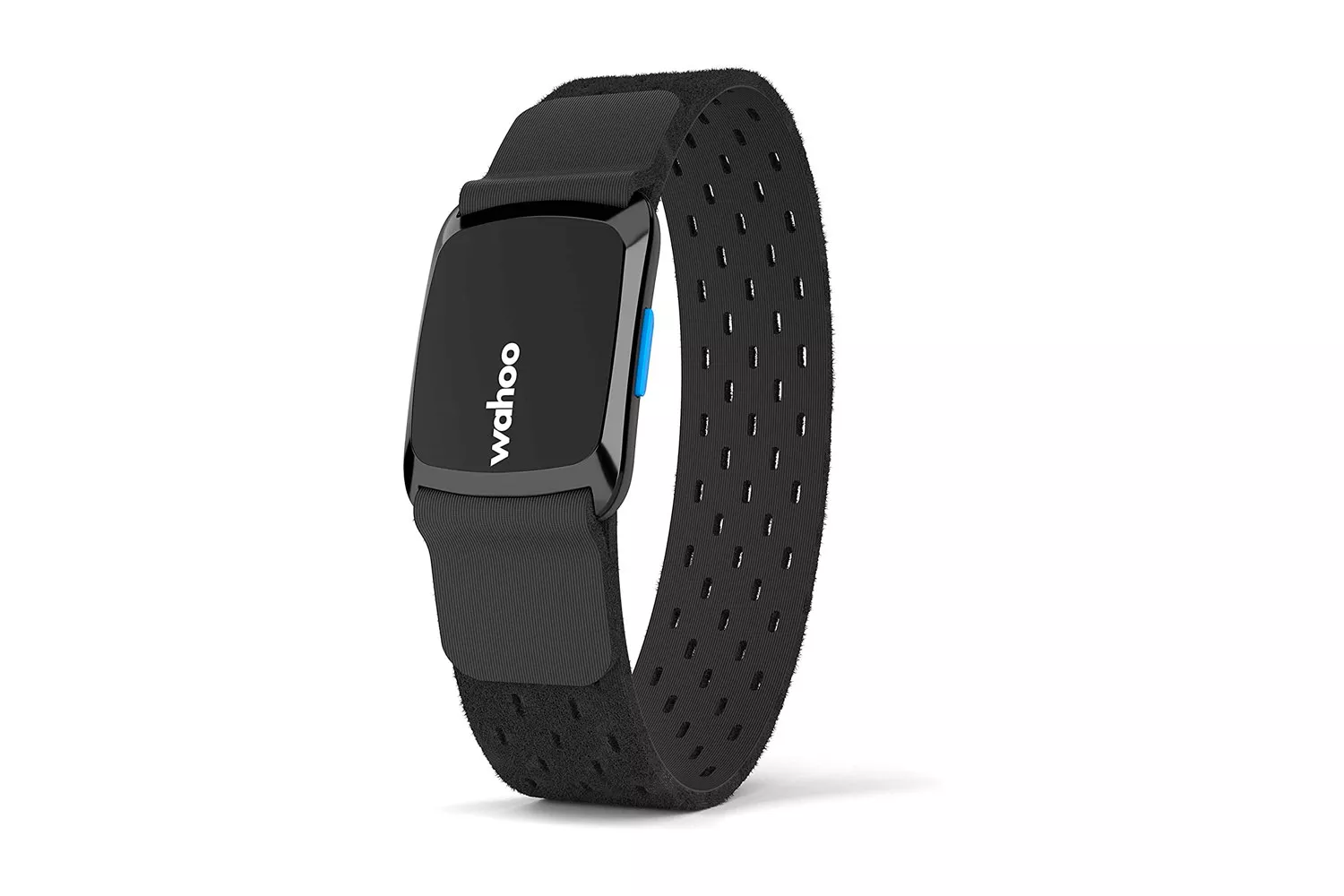
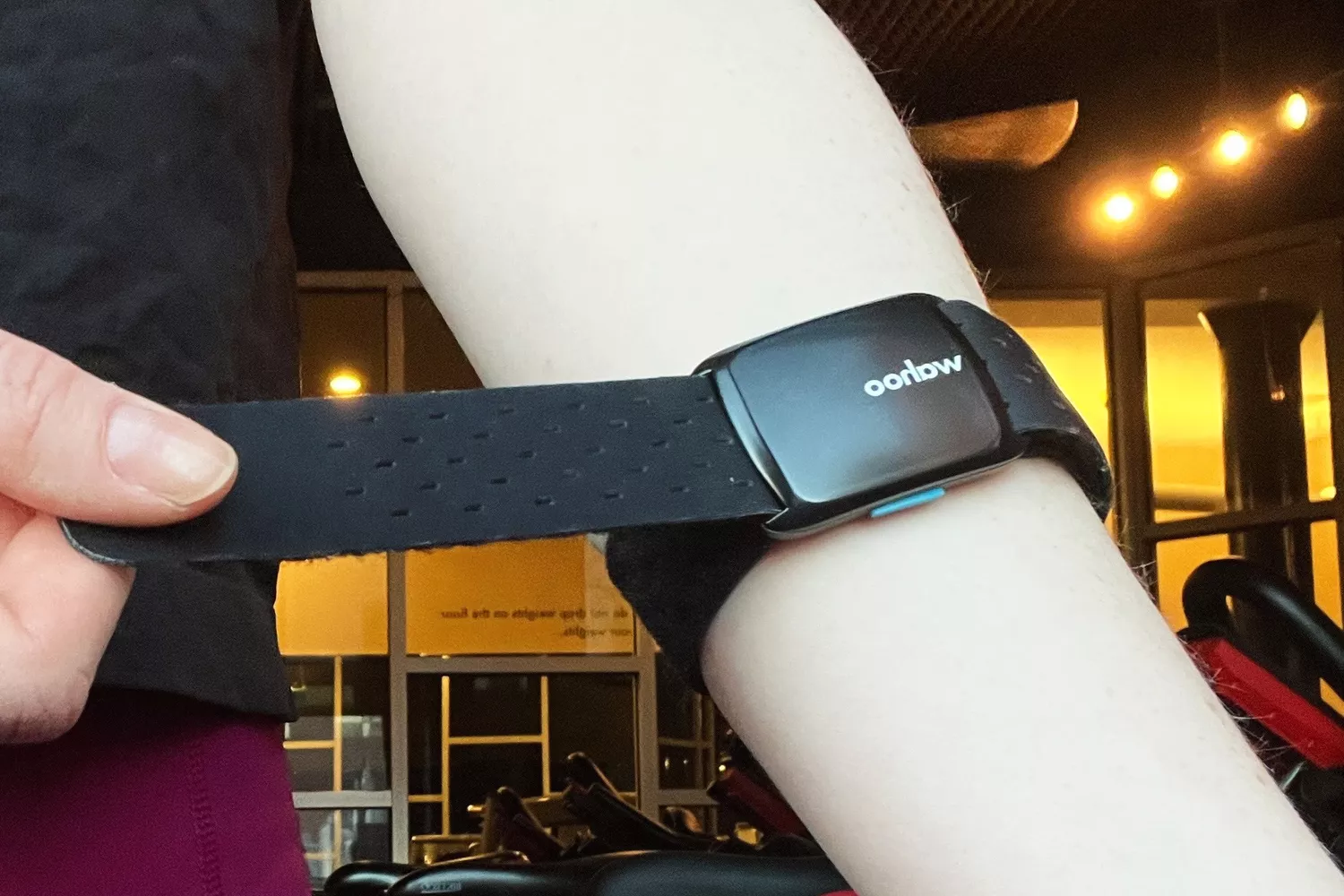
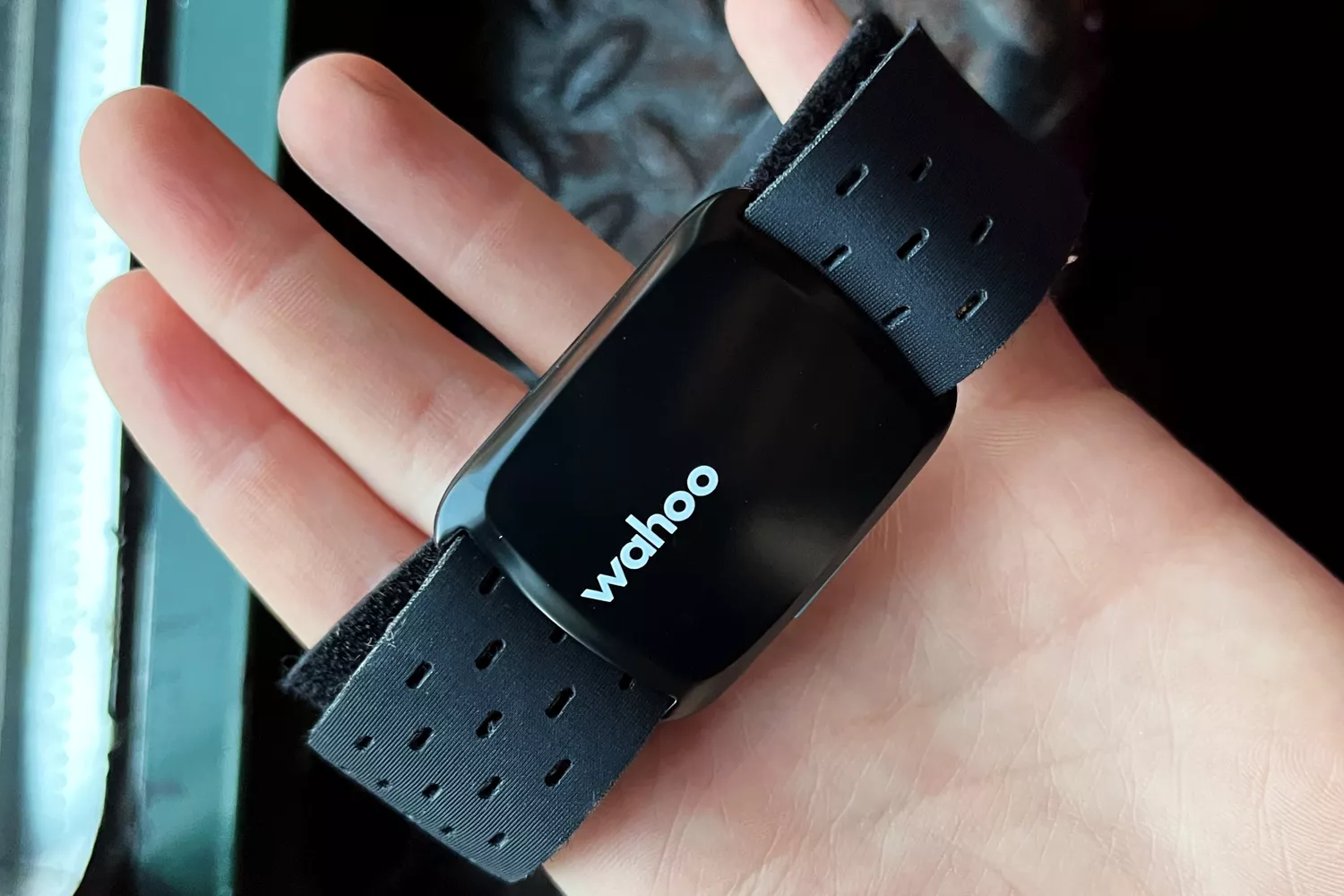
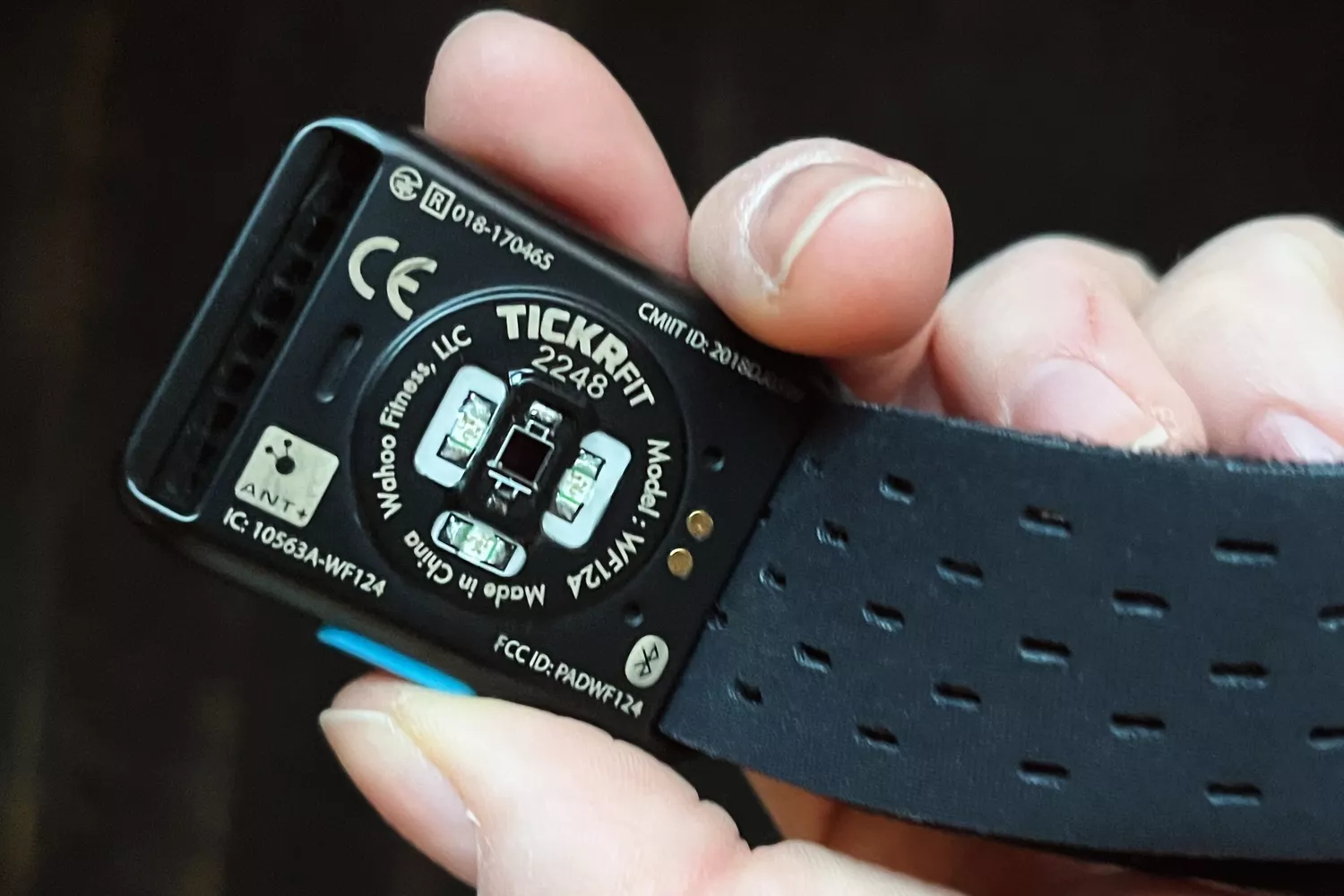
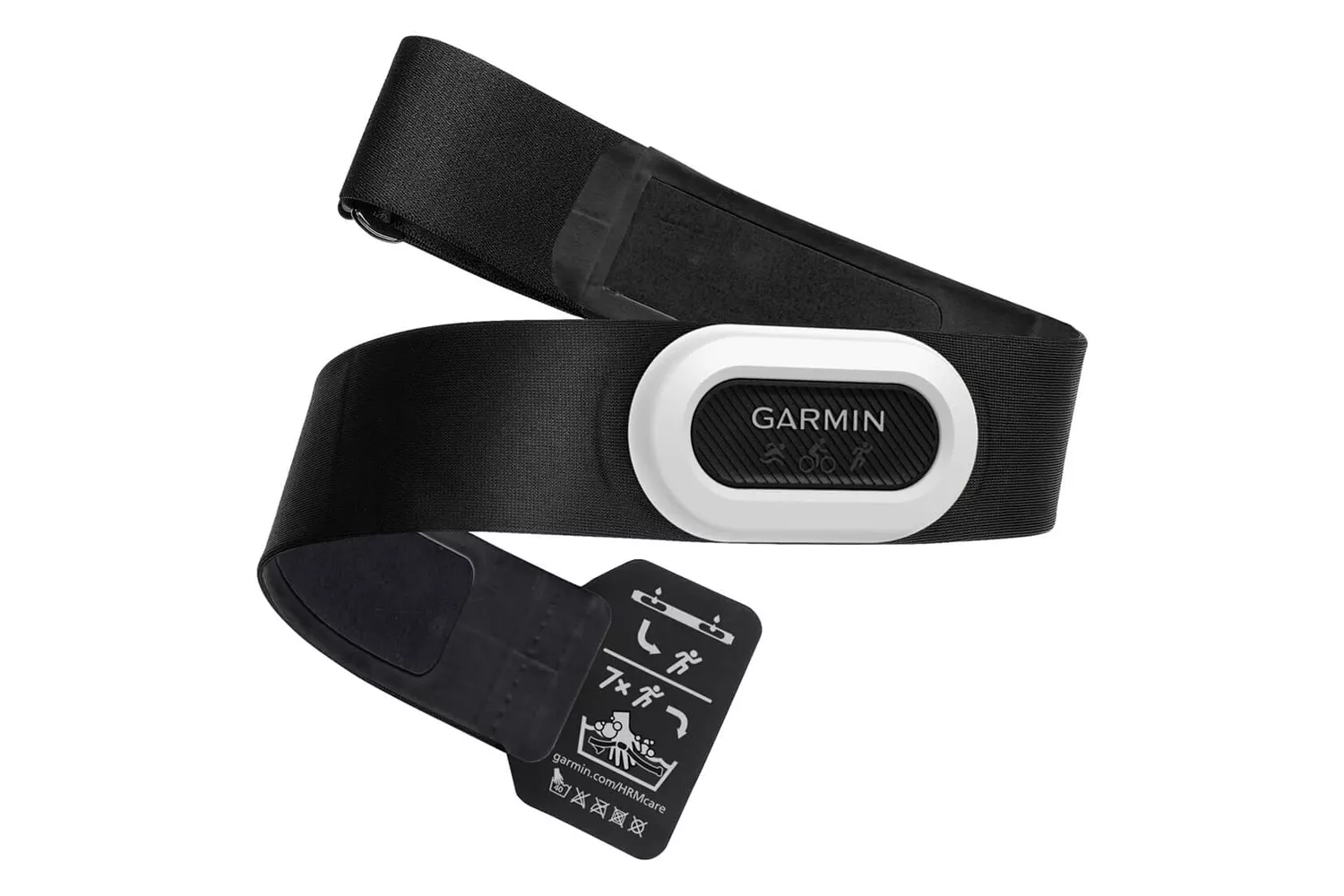
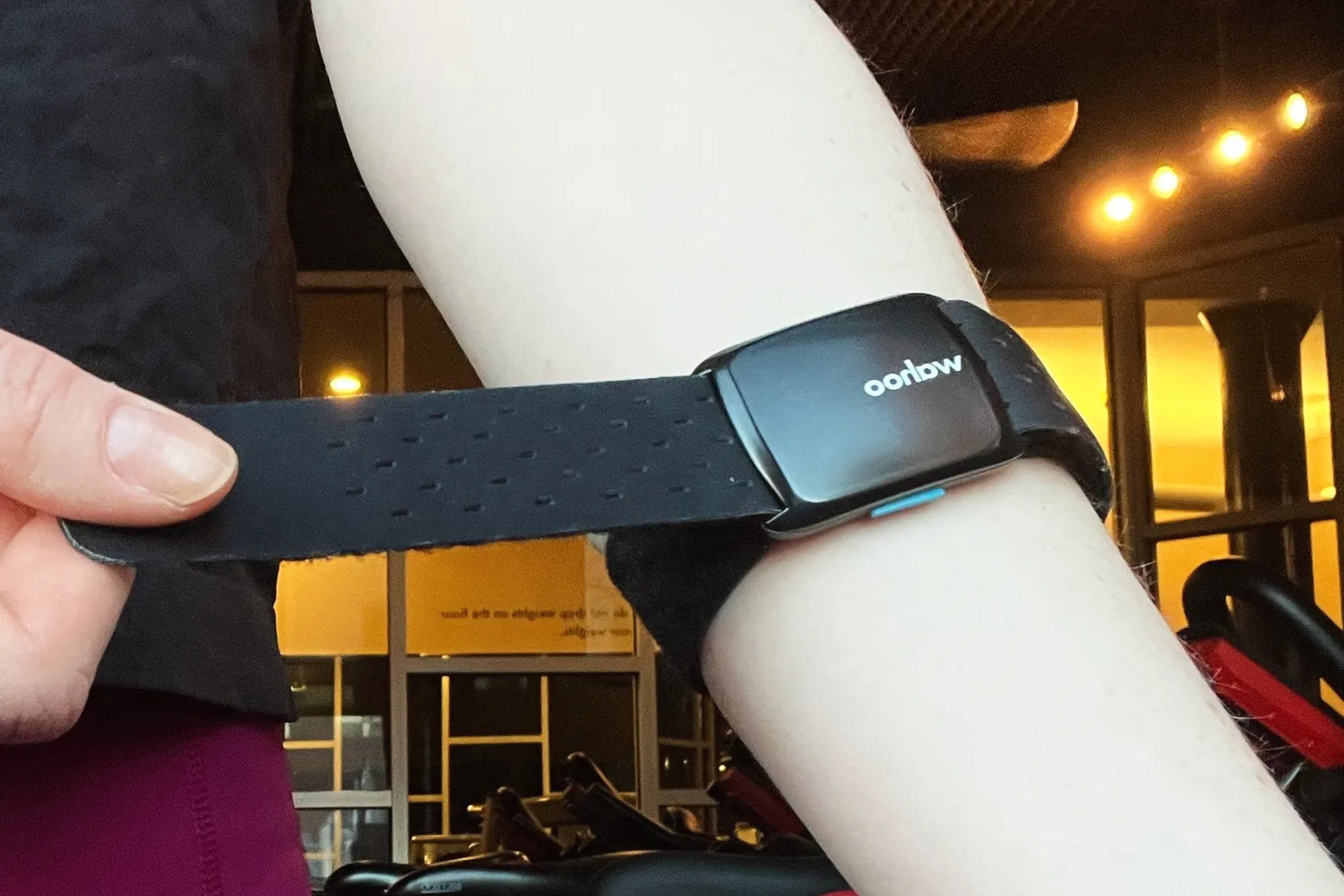
Wahoo Fitness Tickr Fit Heart Rate Monitor Armband at Amazon $100 Best Chest Strap:
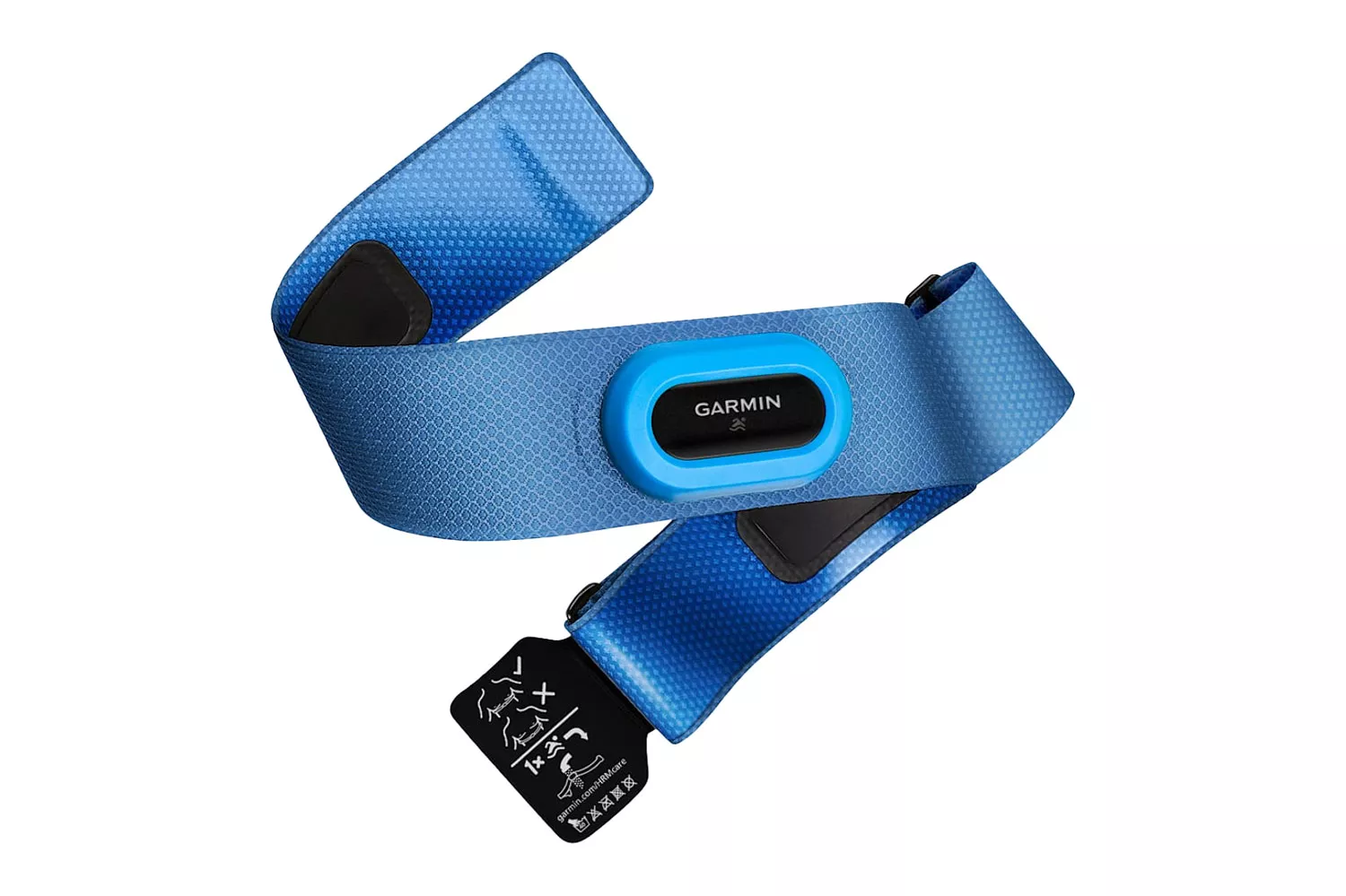
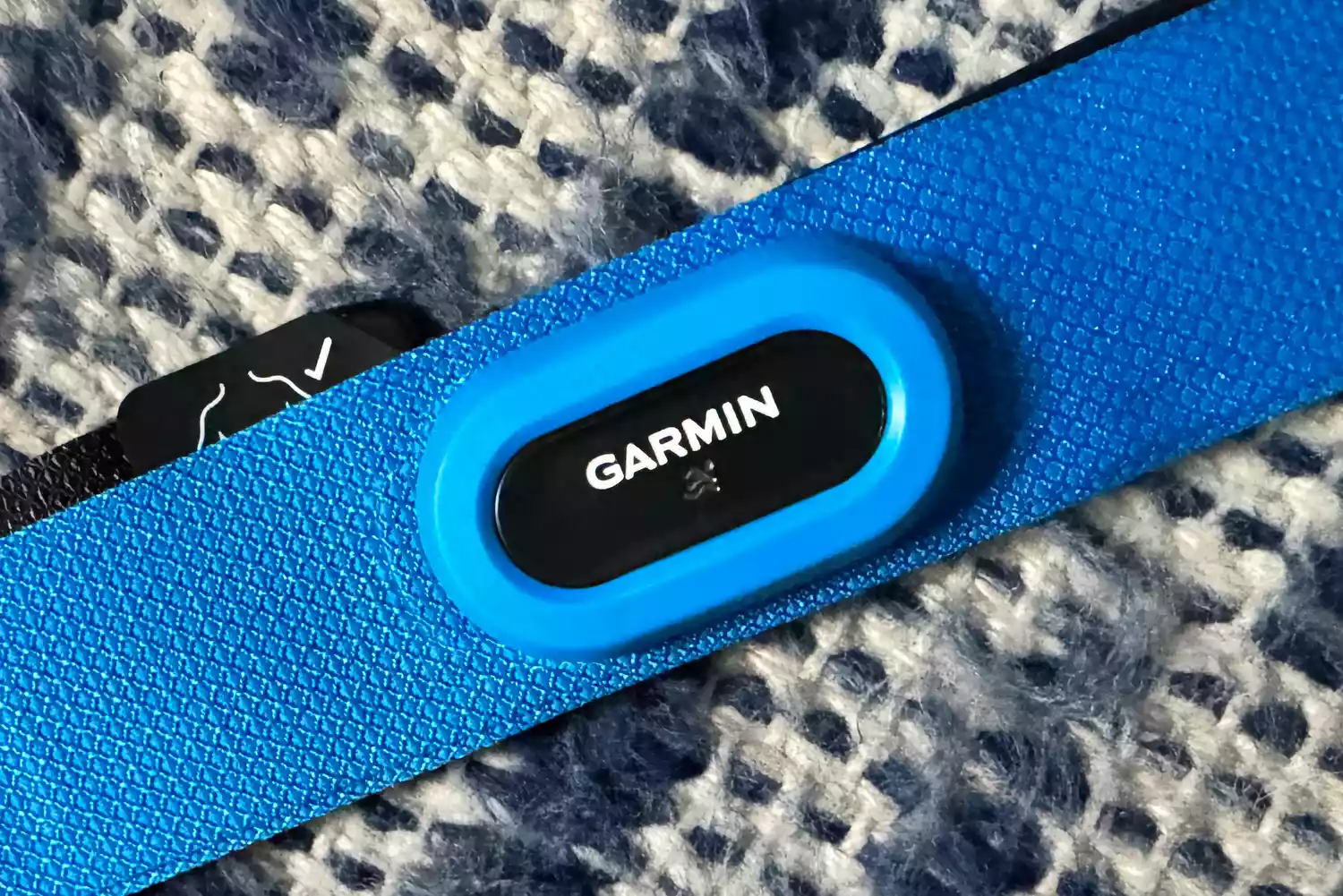
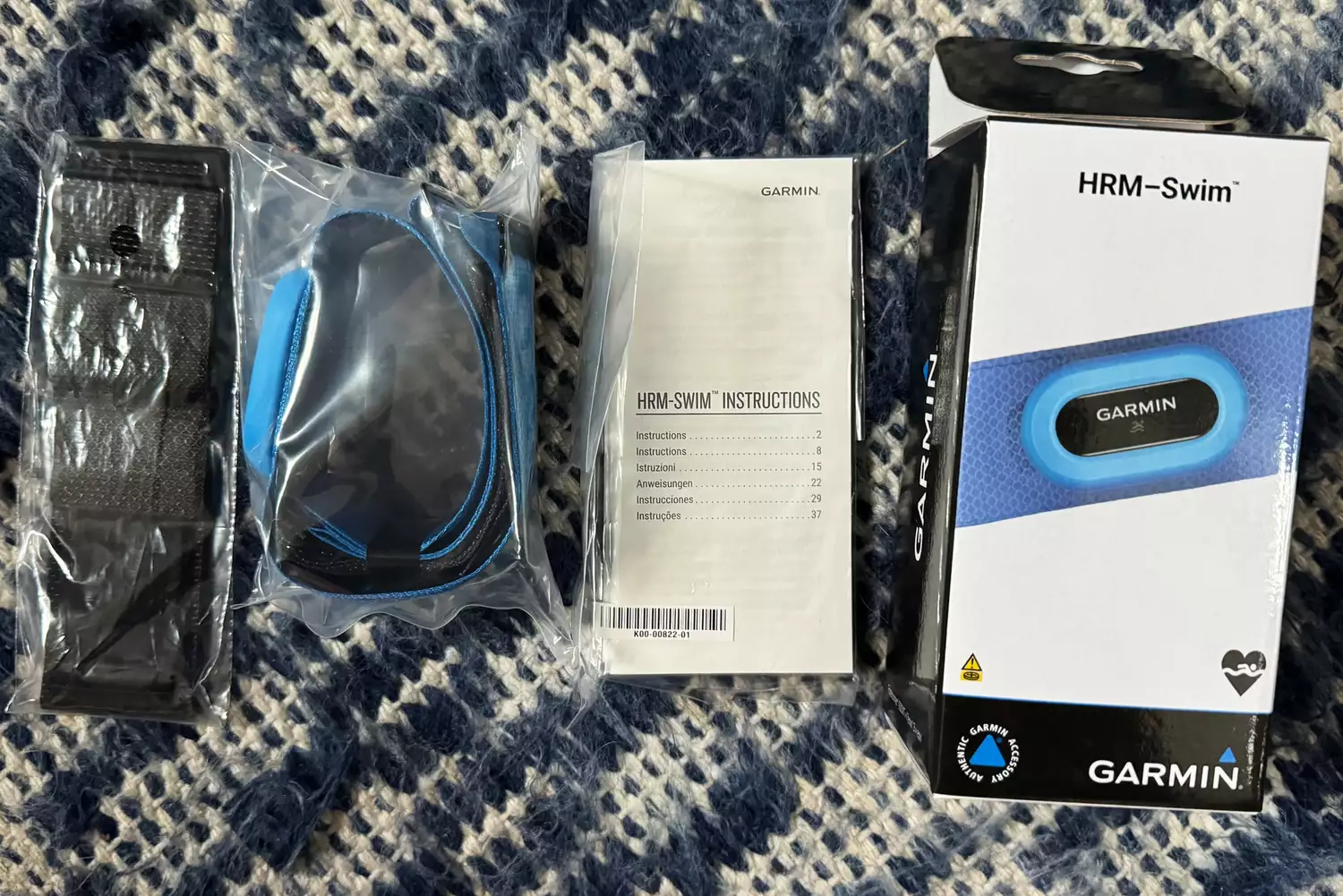
Garmin HRM-Pro™ Plus at Amazon $150 Best for Swimming:
Garmin HRM-Swim at Garmin.com Best for Triathlon:
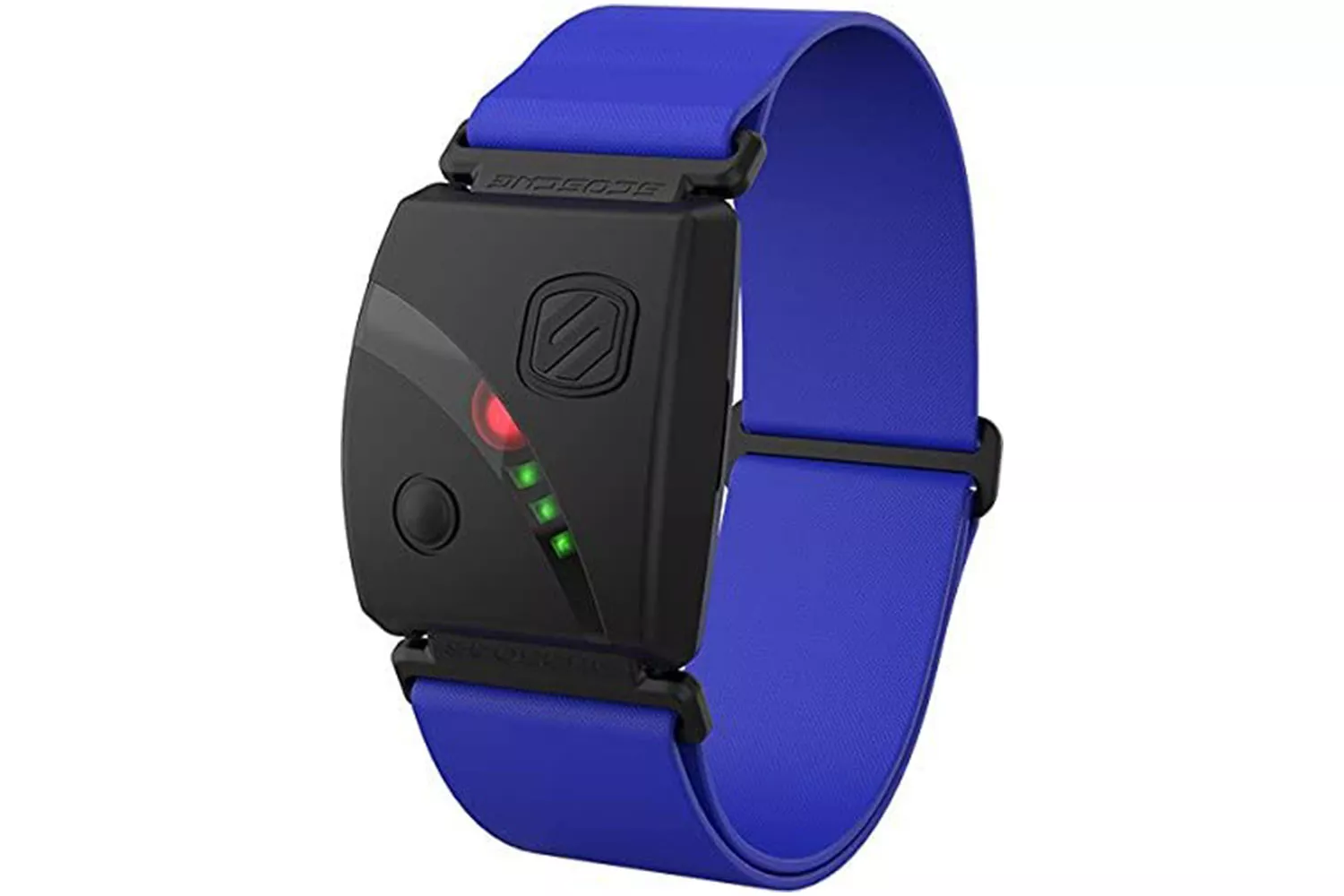
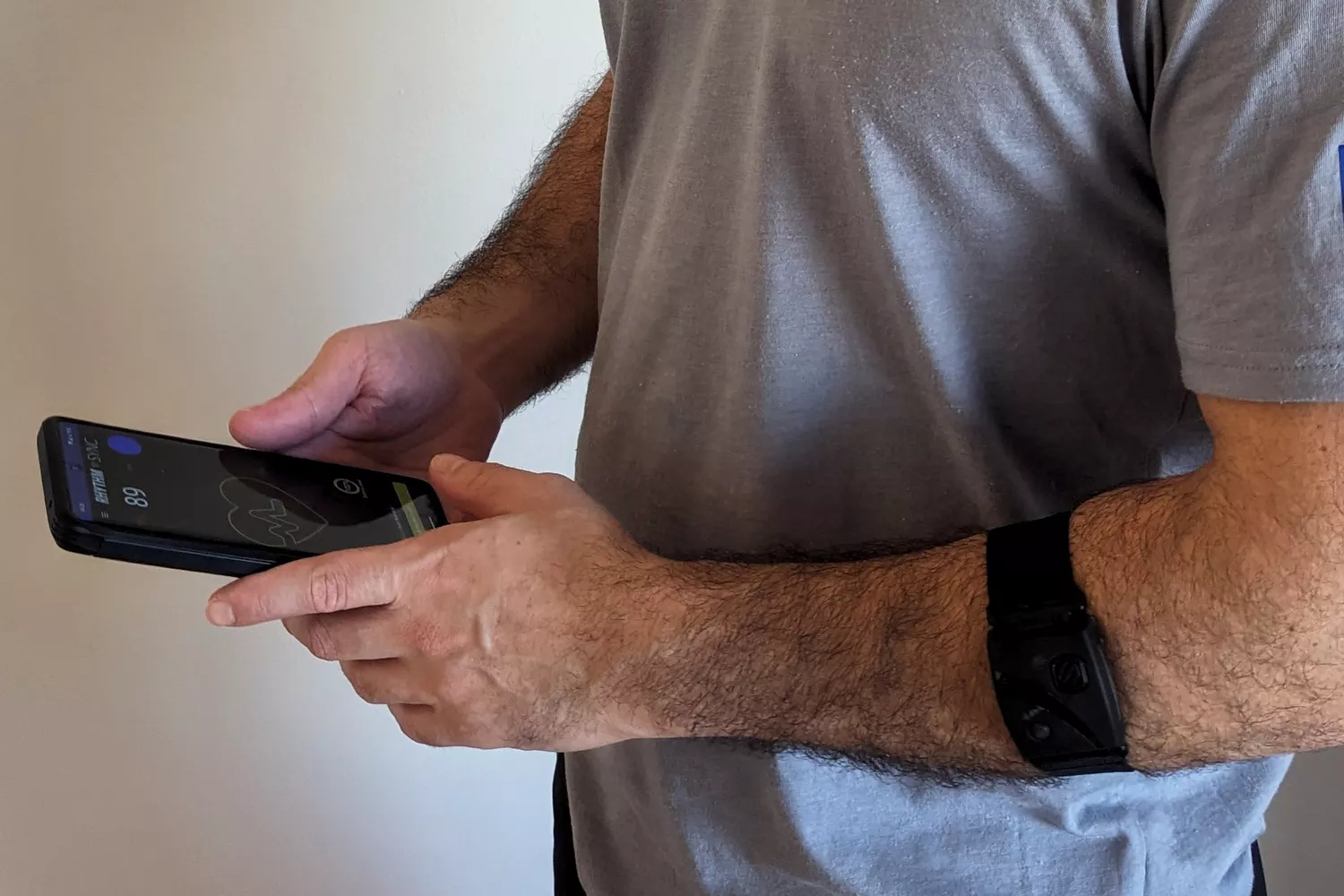
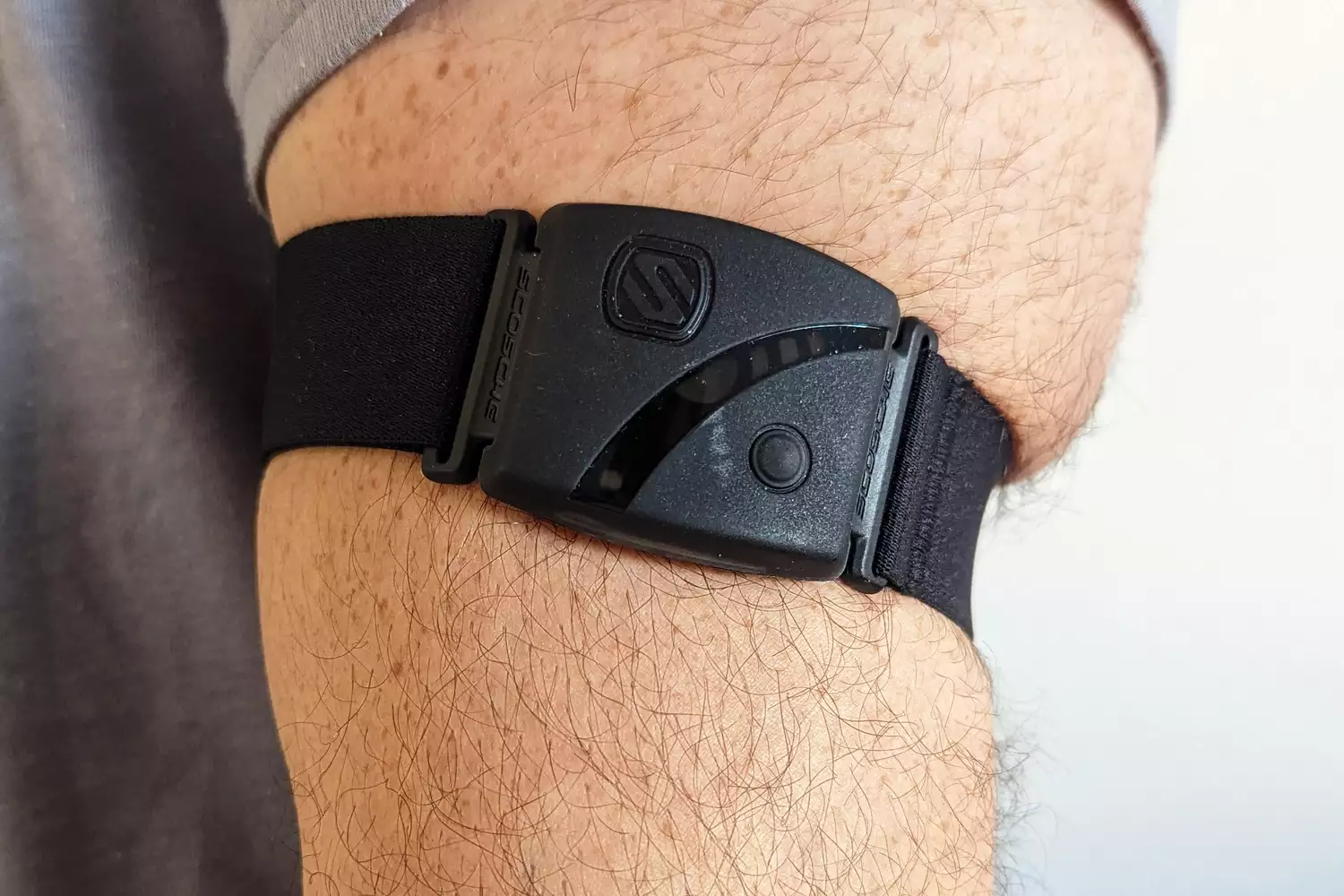
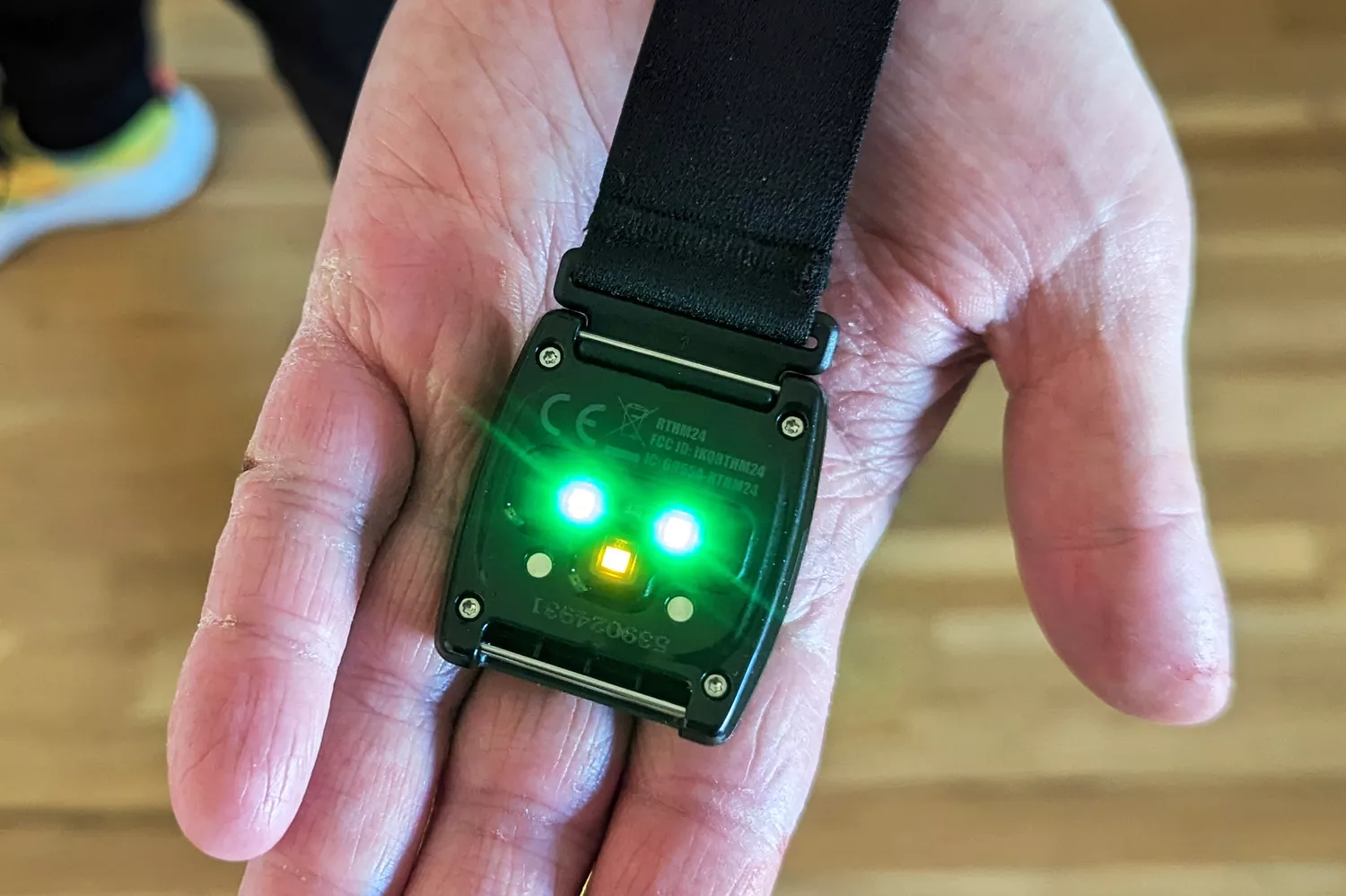
Scosche Rhythm24 Waterproof Armband Heart Rate Monitor at Amazon -
How We Tested
To find the best heart rate monitors, we spent months testing 15 options from popular fitness brands, wearing them on hikes, swims, runs, and more. When testing heart rate monitors, we evaluate each device based on the following key criteria.
- Ease of Setup: After unboxing the monitor, we note how easy it is to set up. Does it come with batteries? Are the instructions clear? If the device requires an app, we download it and consider how easy it is to use.
- Comfort: During our workouts, we evaluate how comfortable the monitor is to wear. Does it fit securely? How does the material feel? Does it cause any irritation or chafing?
- Battery: How long does it take for the monitor to charge completely? If the battery is rechargeable, we consider how long it lasts on a single charge. Does the battery last through at least one full workout? How easy is it to change the battery when it dies
- Precision: Before working out, we take our pulse manually while wearing the device and compare our number to the device’s reading. Is it accurate? We also check the numbers during and after exercising. Does the monitor provide real-time data, or is it delayed?
- Connectivity: Which devices, apps, and gym equipment can the monitor connect to? Is the pairing process straightforward? We also consider how reliably the monitor transmits data to connected devices and platforms. Can we easily access and download our data?
- Additional Features: If the monitor has additional features, like GPS or sleep tracking, we test those, too. Are the settings and features customizable? How helpful are they
- Value: To assess each monitor’s value, we wait to check its price until the end of the testing period, after we’ve rated it in all other categories. Then, we weigh the cost against its quality, features, and performance. We prioritize heart rate monitors whose quality exceeds their value.
Verywell Fit
-
What to Look For
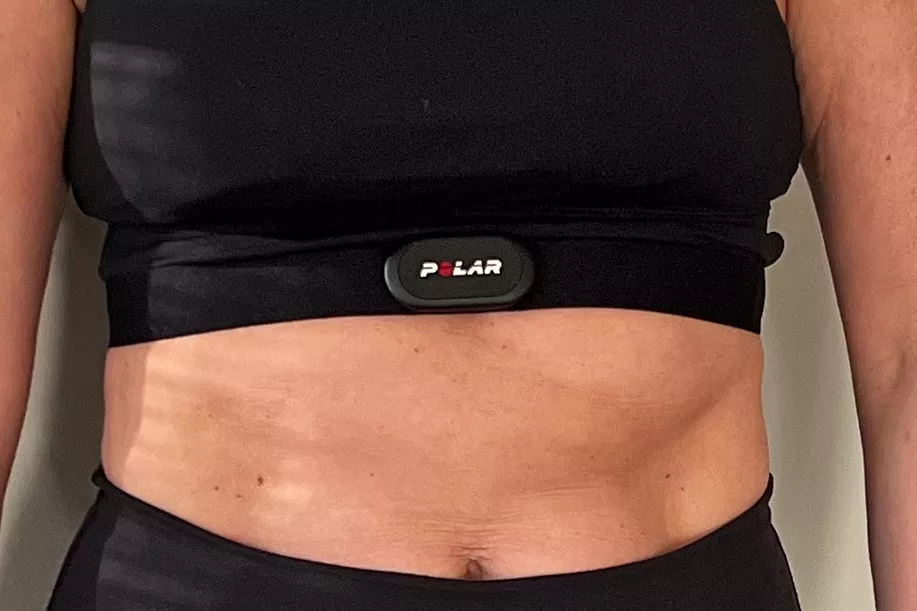
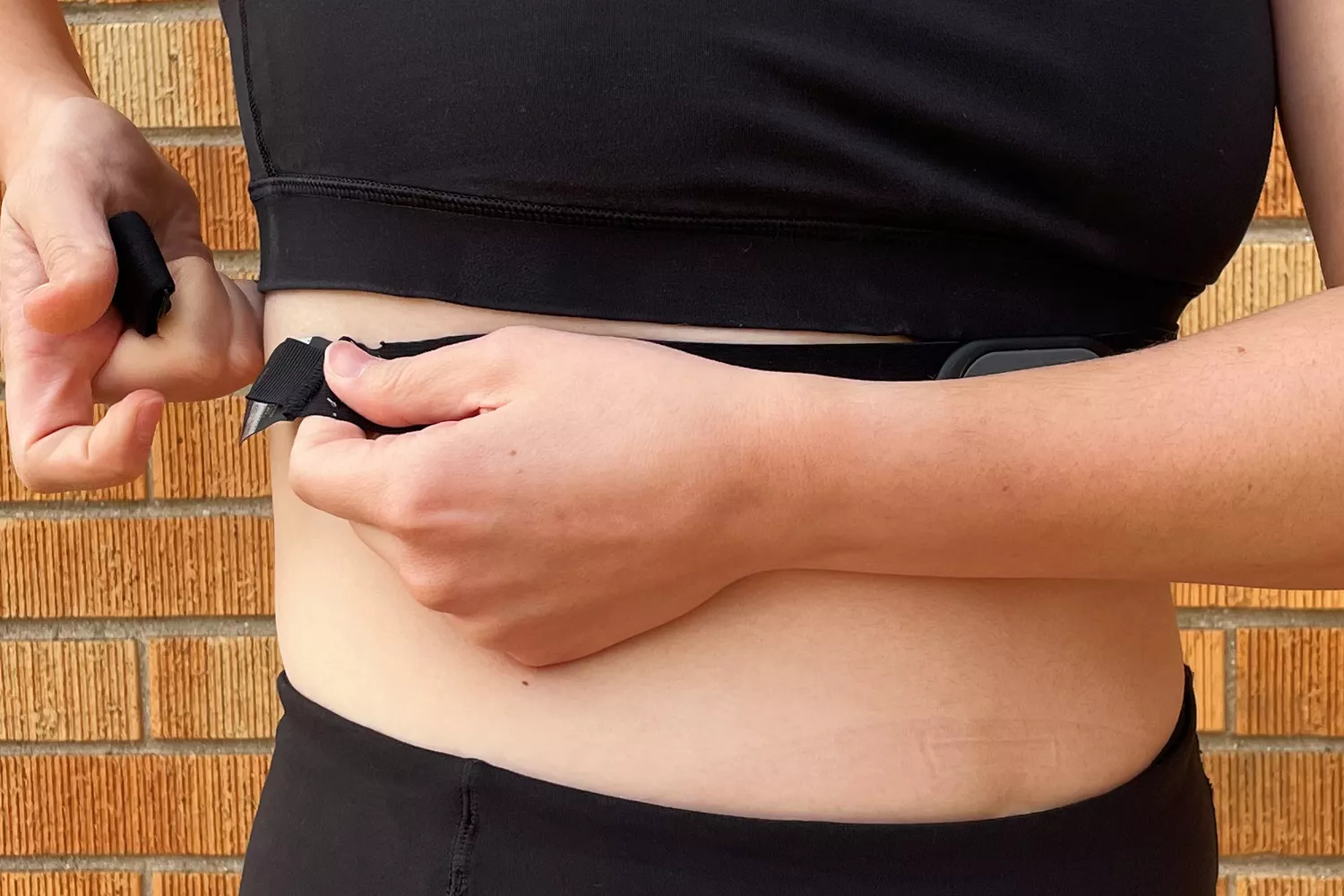
- Style: The choice between a chest strap, an armband, and a wristband often comes down to personal preference. Armbands and wristbands are usually more comfortable for long training sessions, but chest straps tend to provide more accurate readings.
- Activity: Which workouts do you need a heart rate monitor for? If you like to swim, make sure to choose a waterproof option. Runners may need GPS navigation. Also, ensure the device is compatible with all equipment and technology you use, whether your own or the gym’s, says certified personal trainer Chris Gagliardi.
- Accuracy: If you’re using your monitor to make sure you’re training in a specific heart rate zone, you’ll want one that’s reliable and precise. Chest straps that use electrocardiography are generally the most accurate. Optical heart rate monitors, like wristbands and armbands, can also be reliable—as long as you get a secure fit.
- Connectivity: Some monitors use ANT+ technology, a wireless system that’s compatible with most exercise machines (like those made by Peloton). Others use Bluetooth, which makes it easy to connect them directly to your smartphone.
- Metrics: Heart rate monitors can also track your speed, distance, stride length, breathing rate, blood pressure, and other metrics. Consider which data is most useful to you before buying. If you’d like to track your statistics over time, look for a device that can be synced to an app or collects data you can download to your computer.
0:57
:max_bytes(150000):strip_icc():format(webp)/vwt-heart-rate-monitors-test-alivecor-kardiamobile-1-lead-personal-ekg-mike-navarro-09_crop-5c9c7c488e874c6da07da6e949ef2173.jpeg)