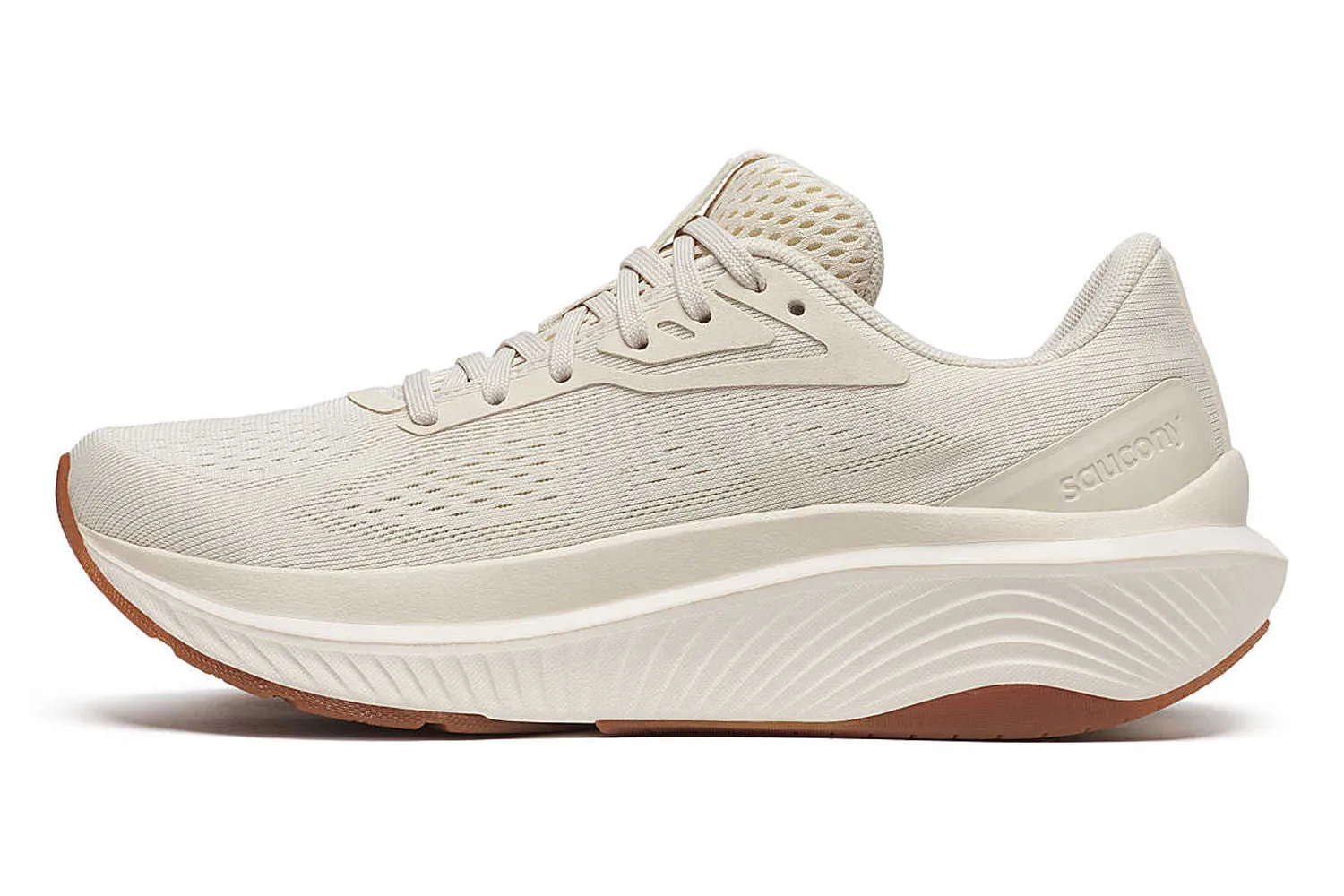
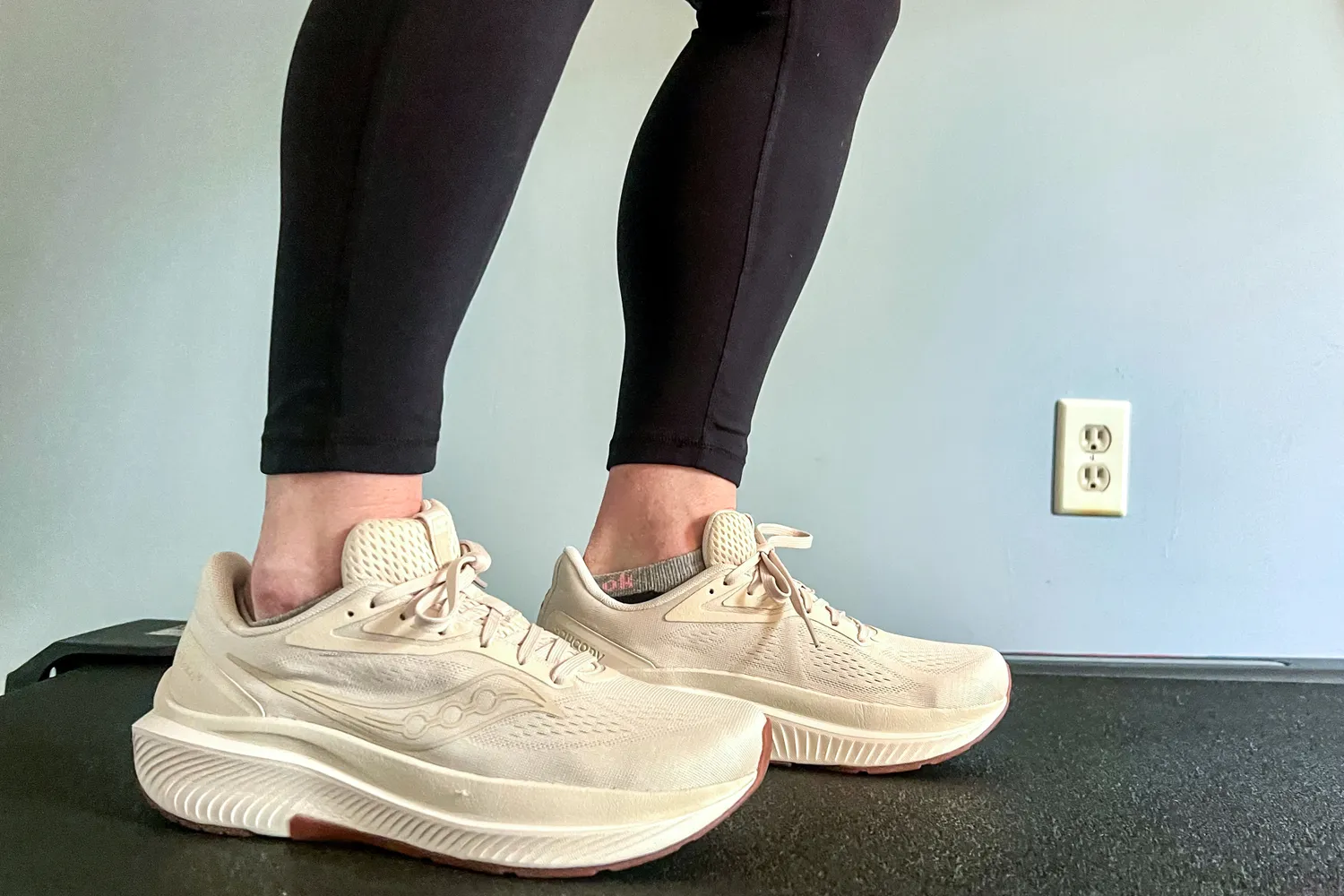
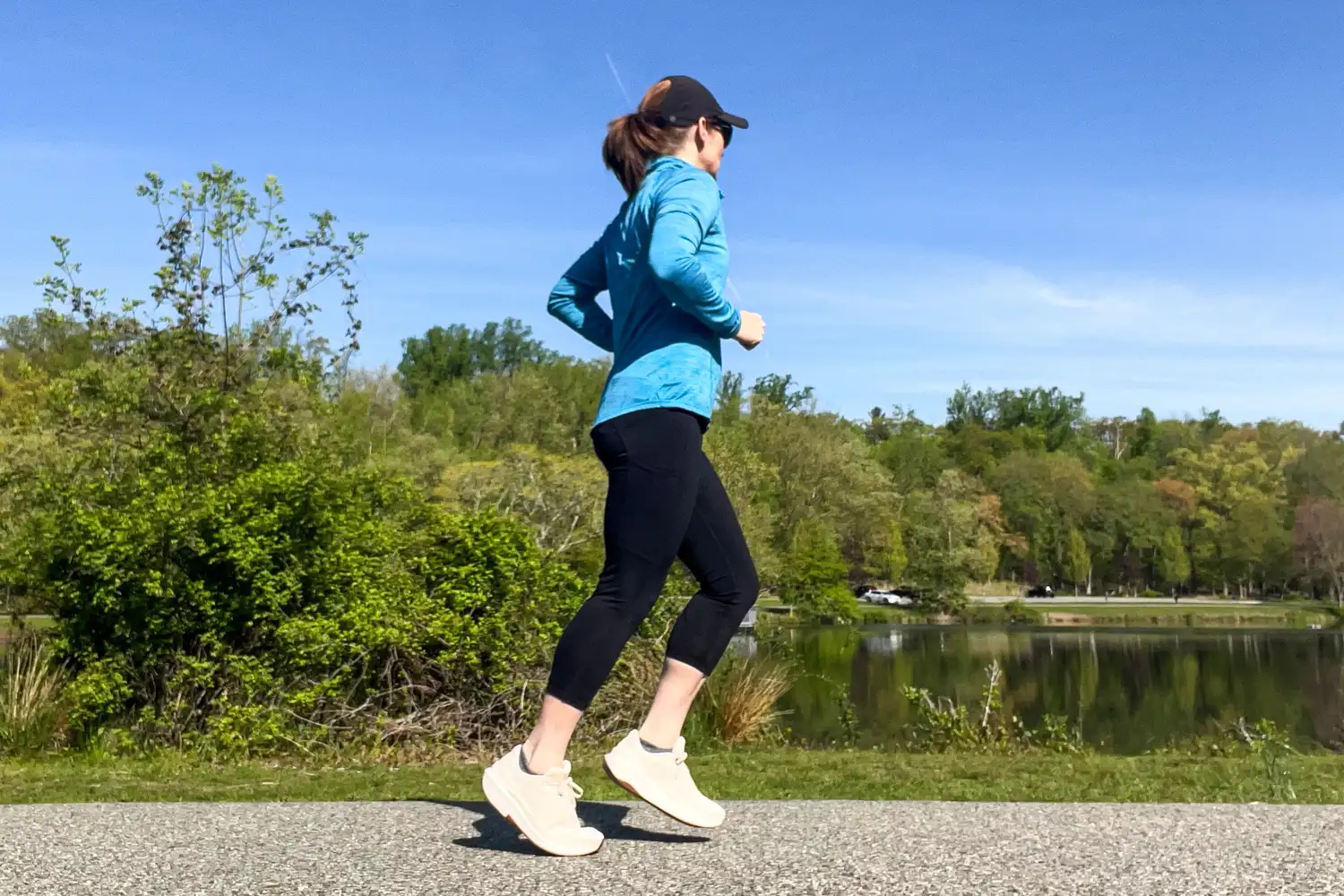
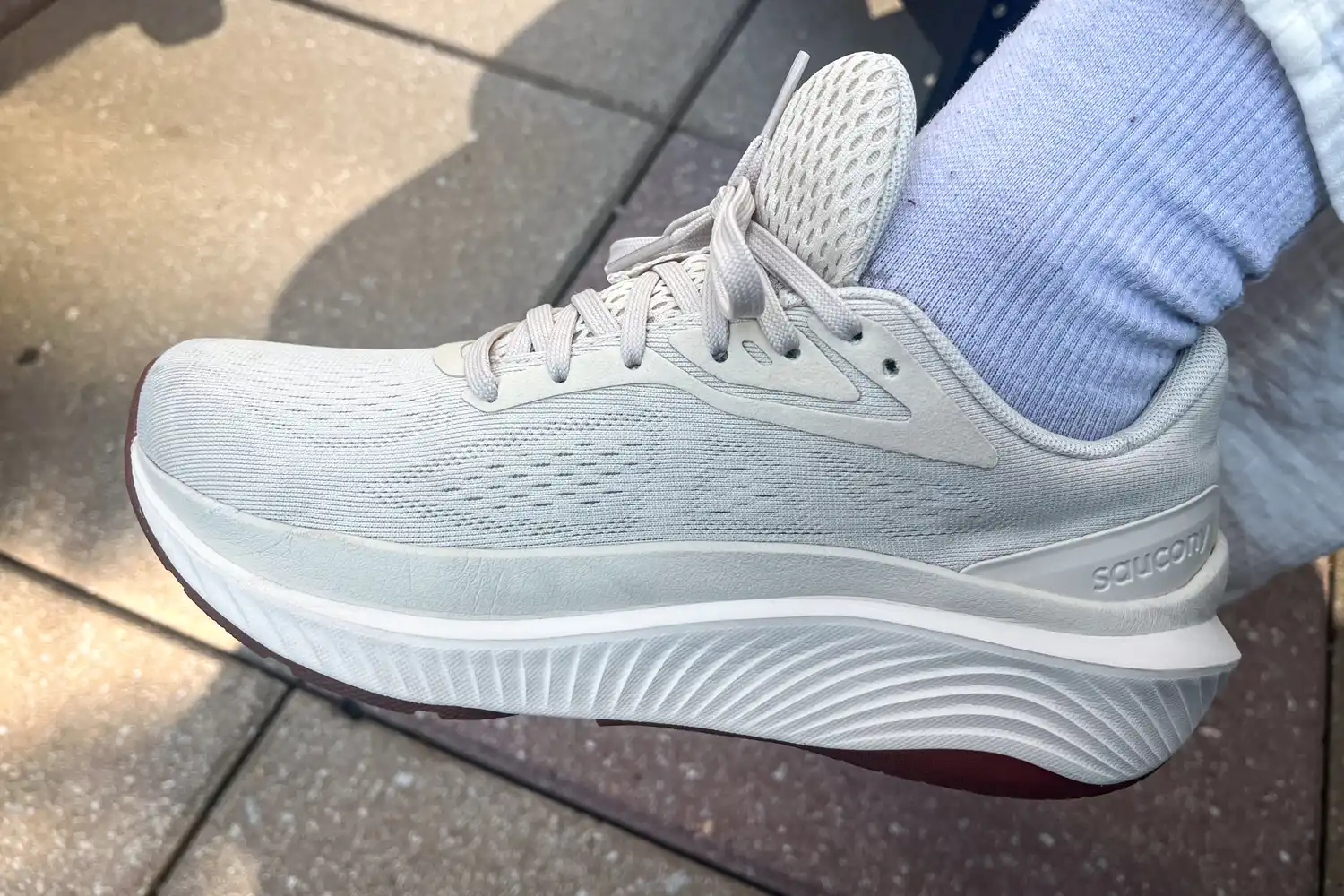
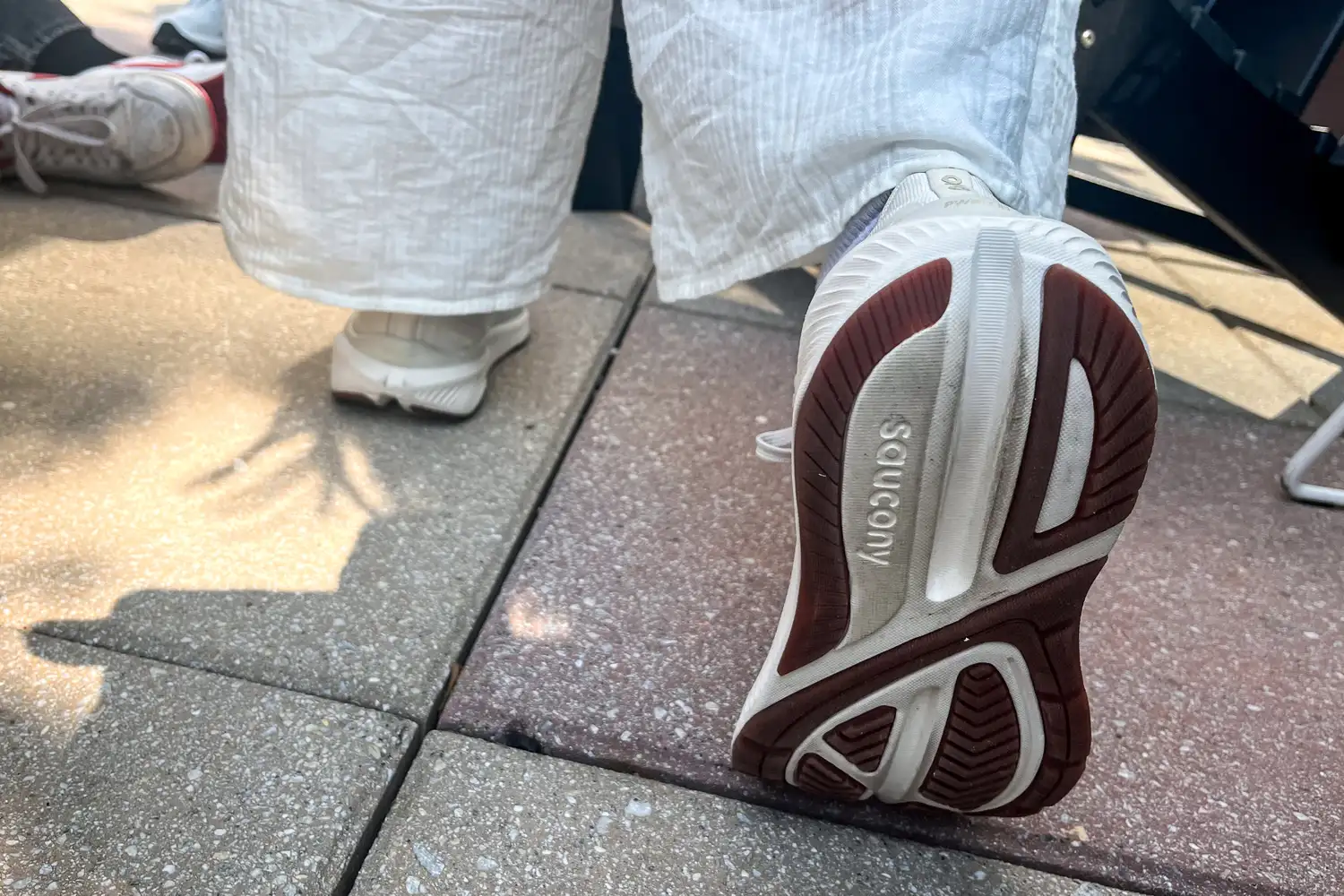
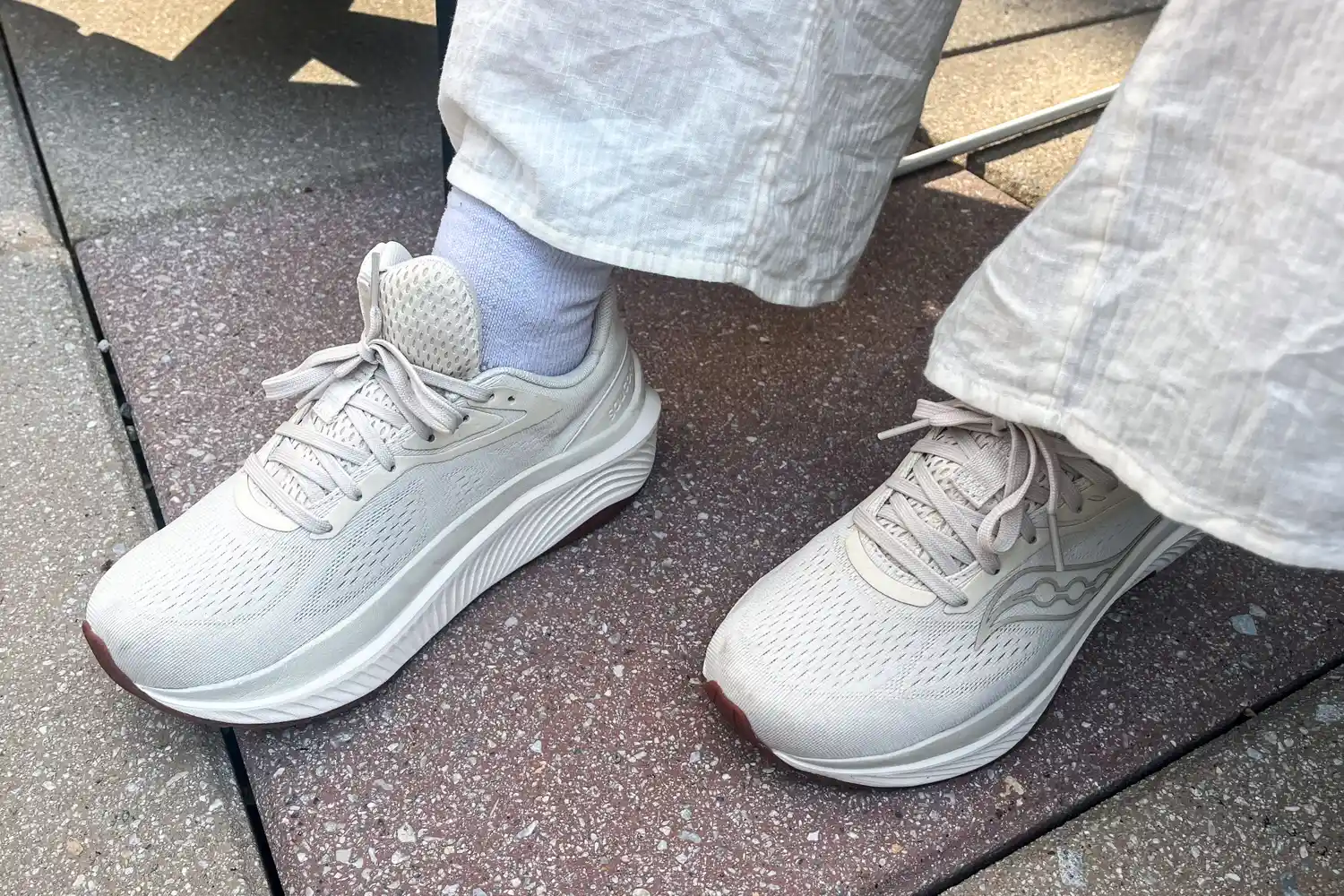
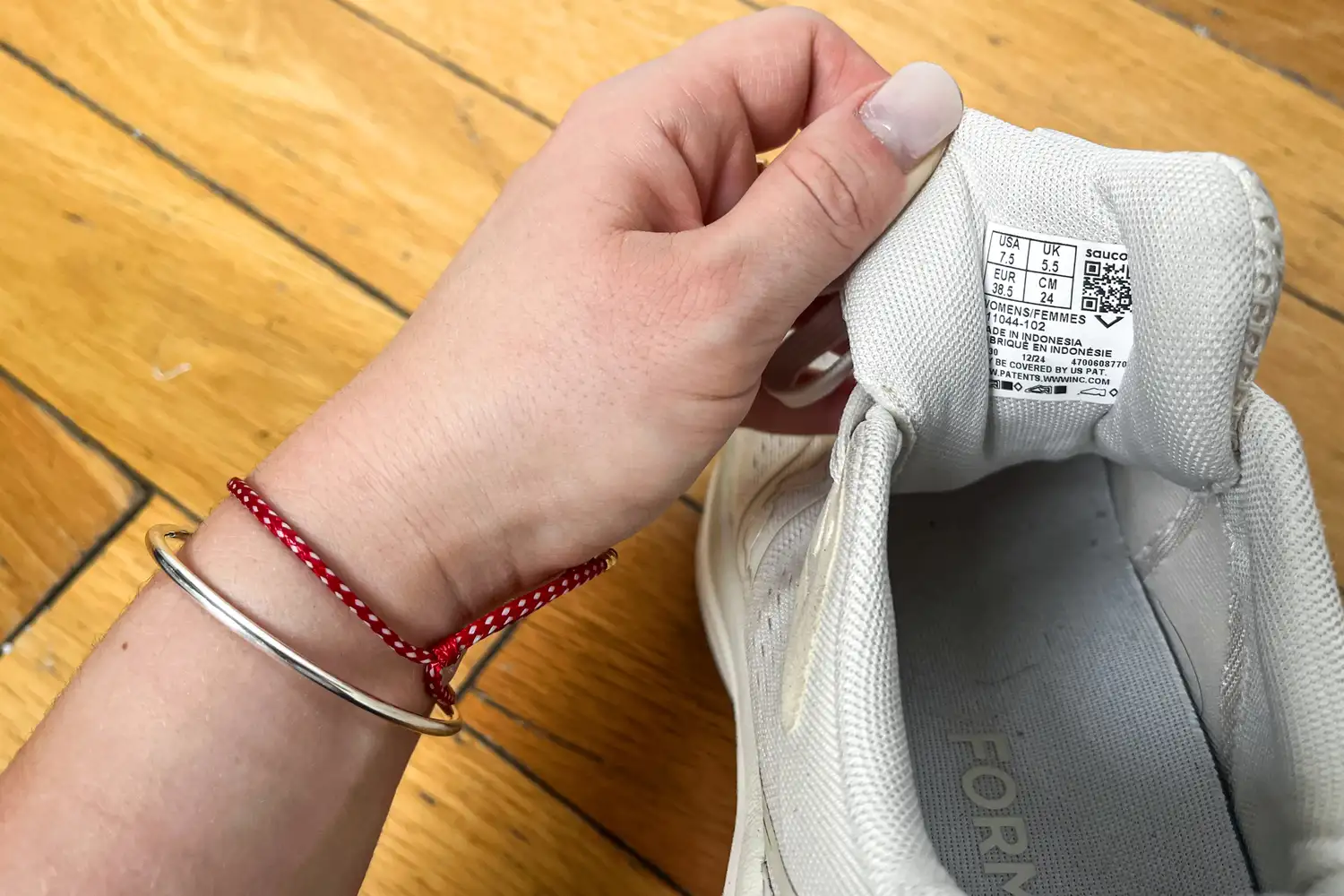
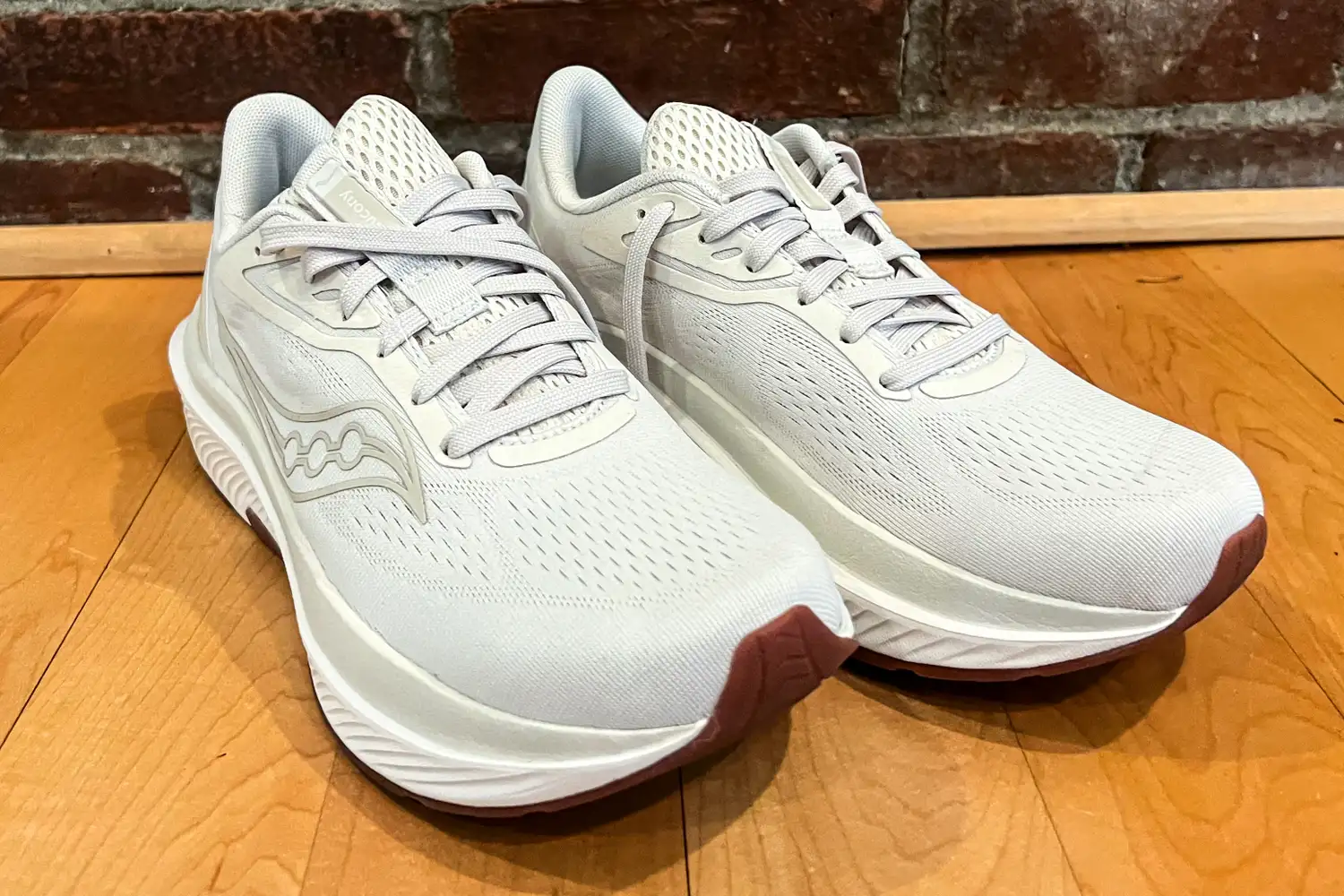
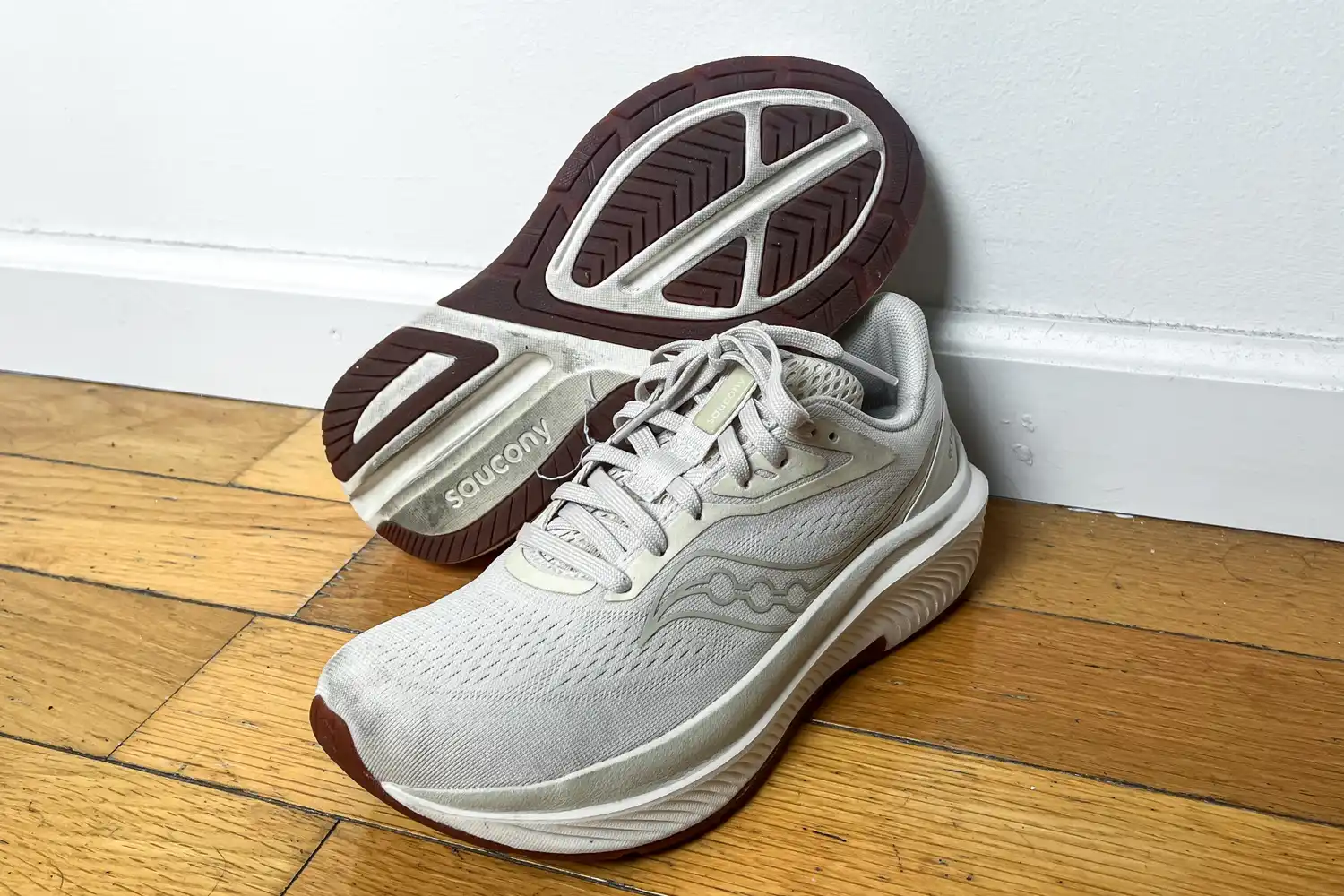
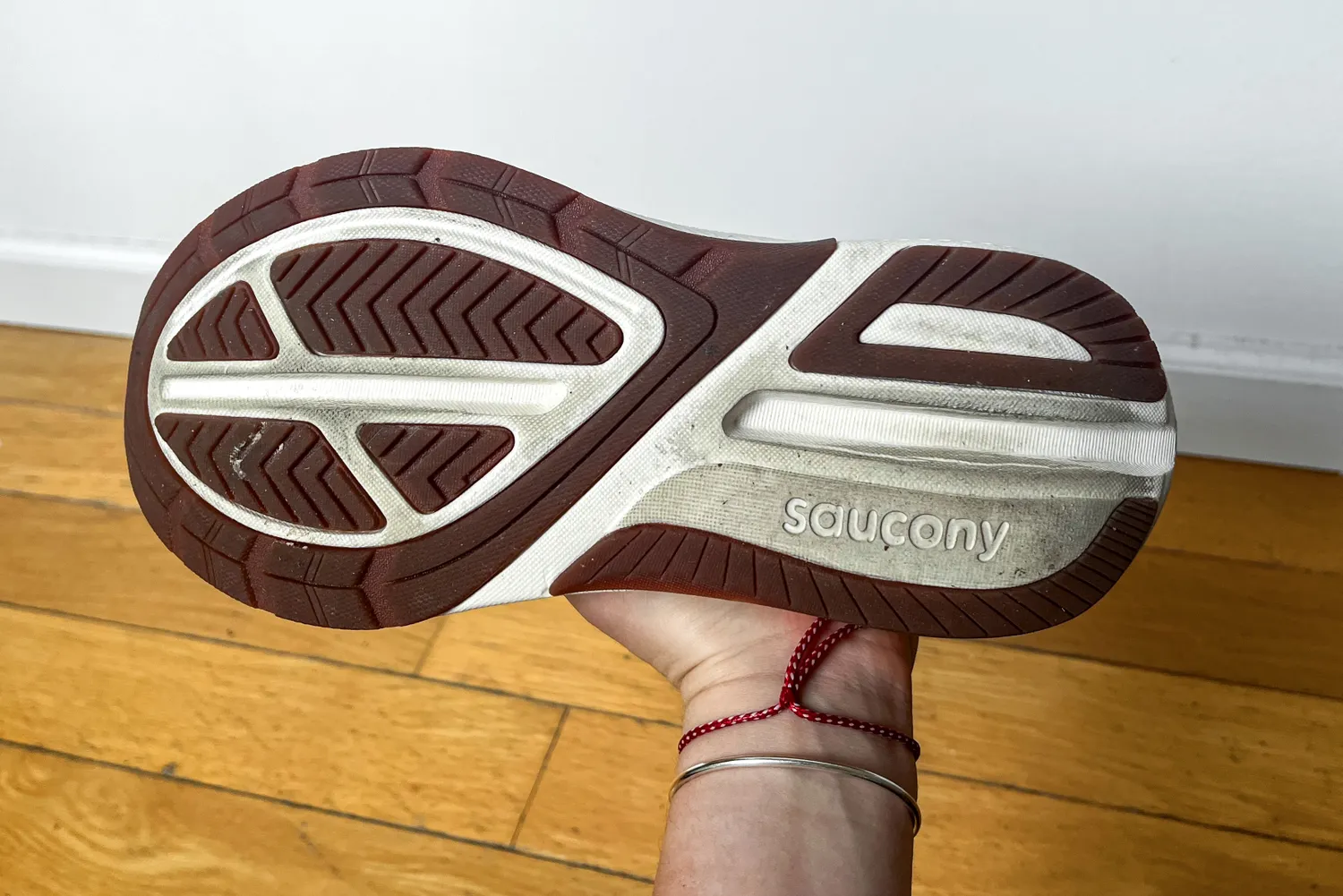
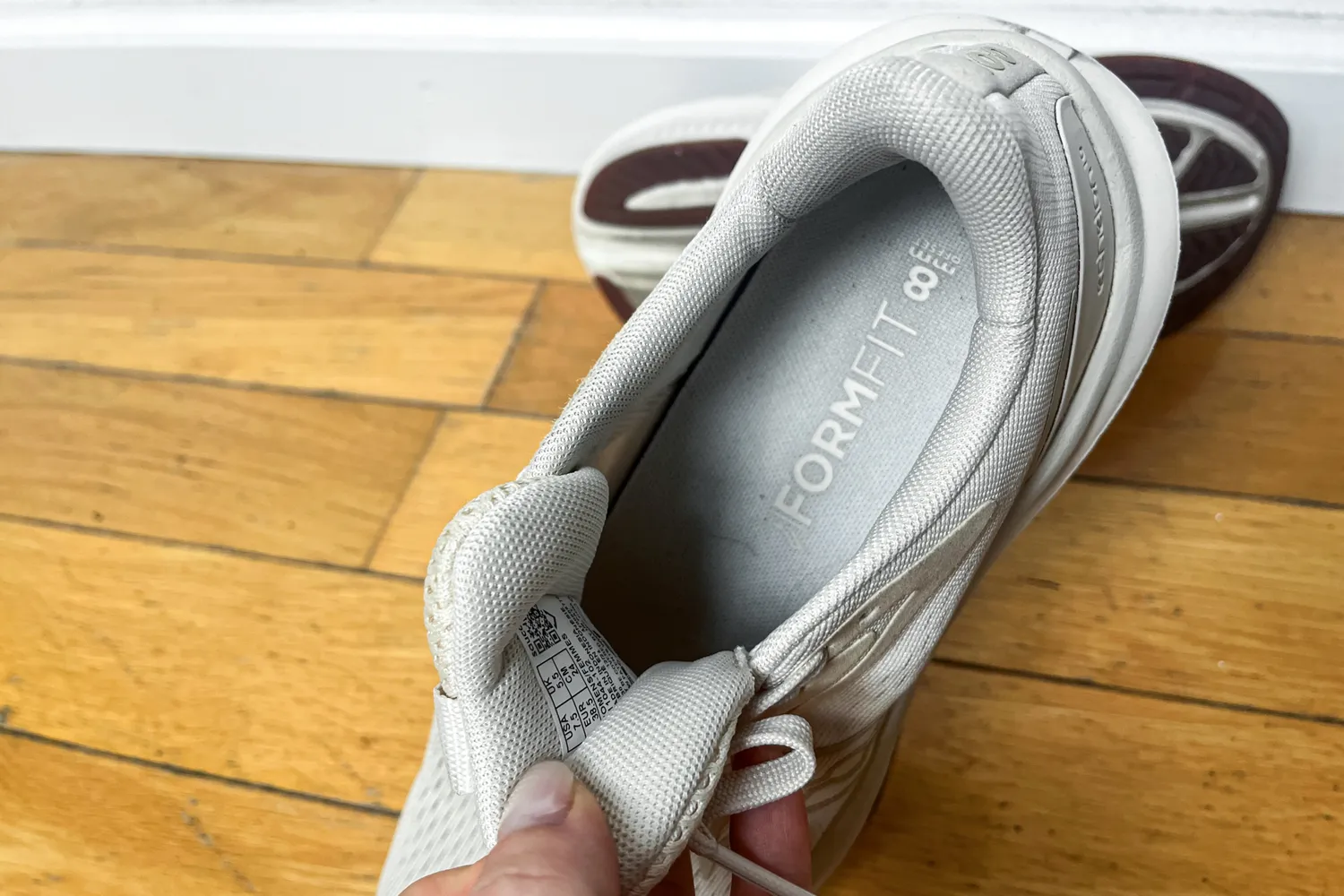
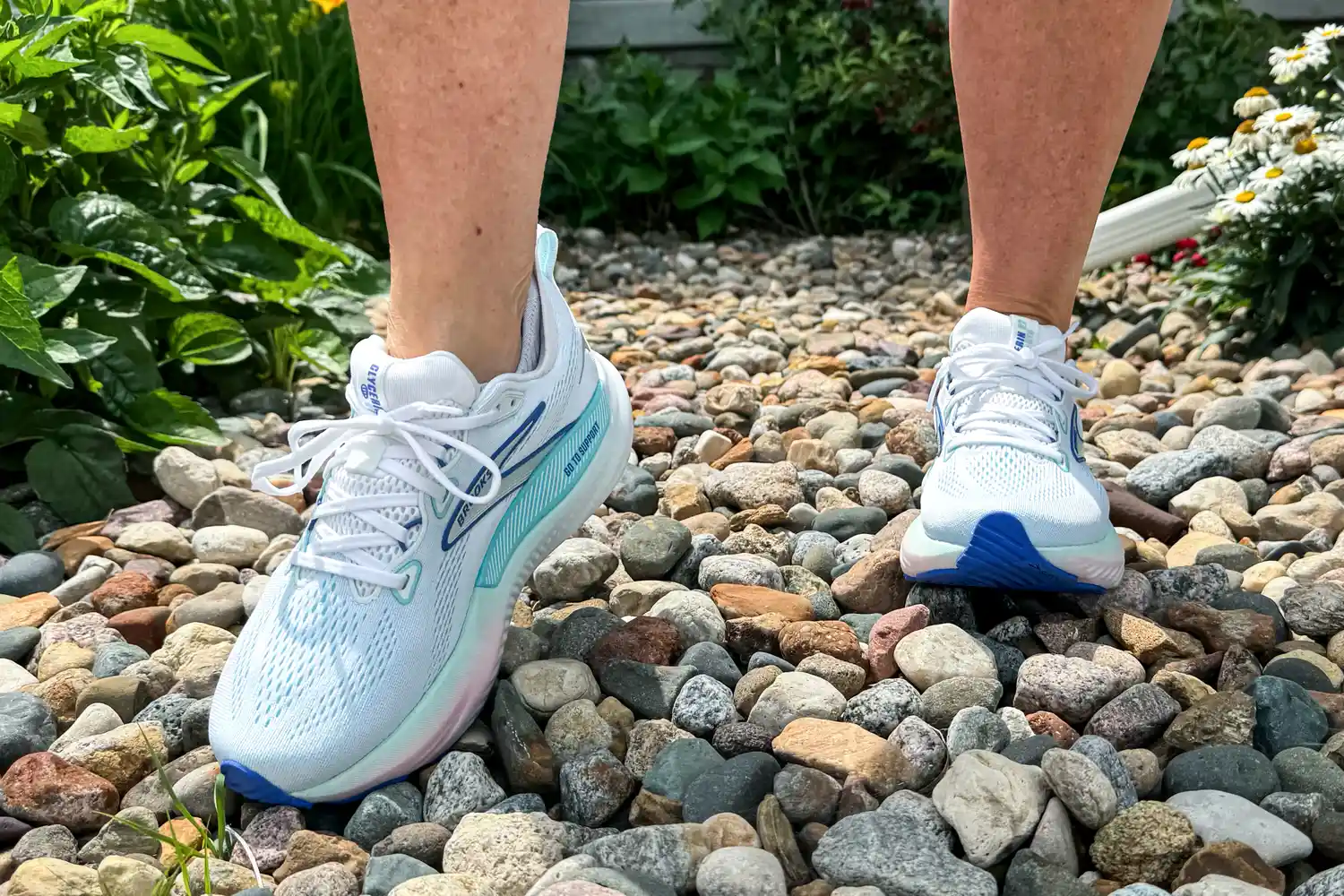
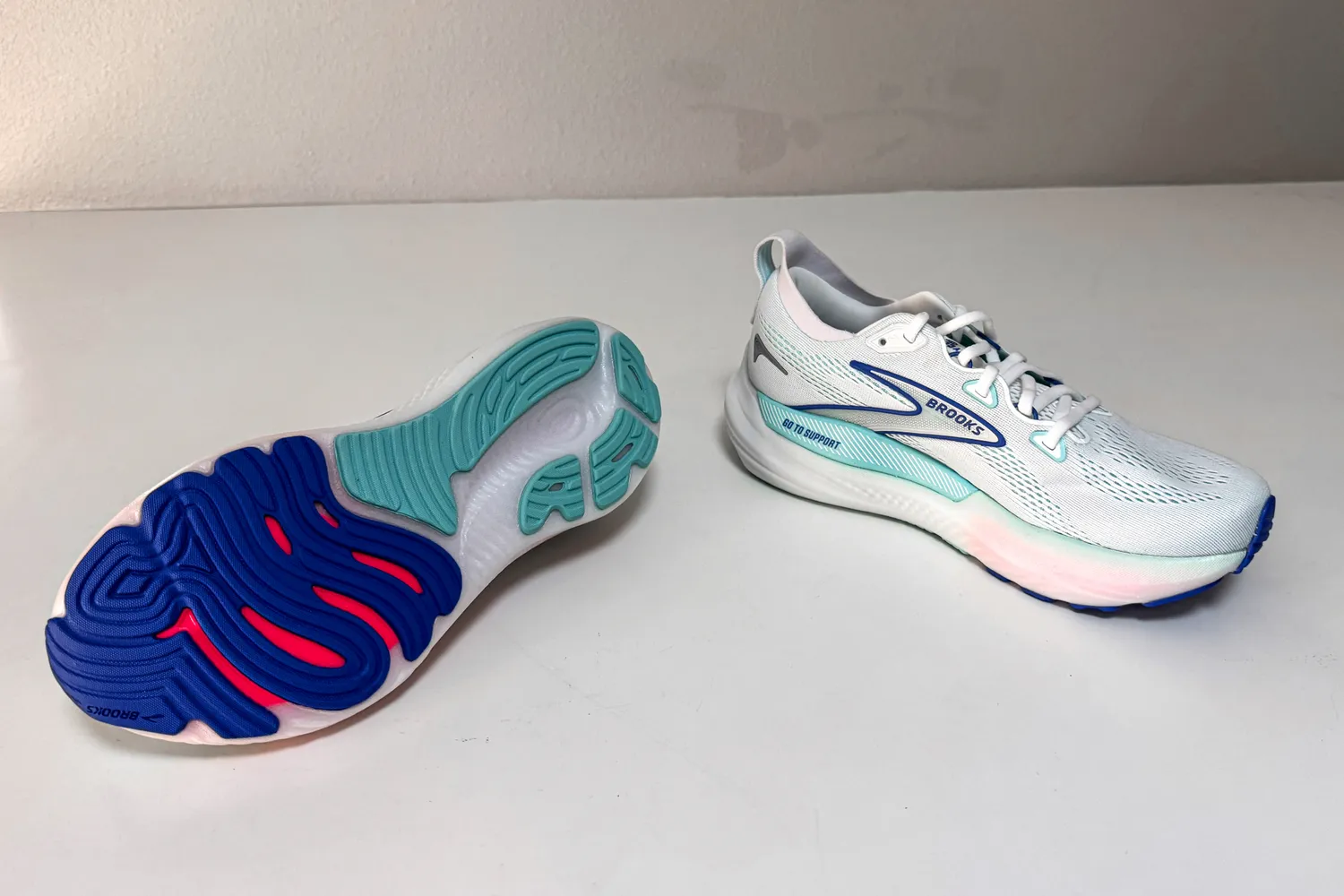
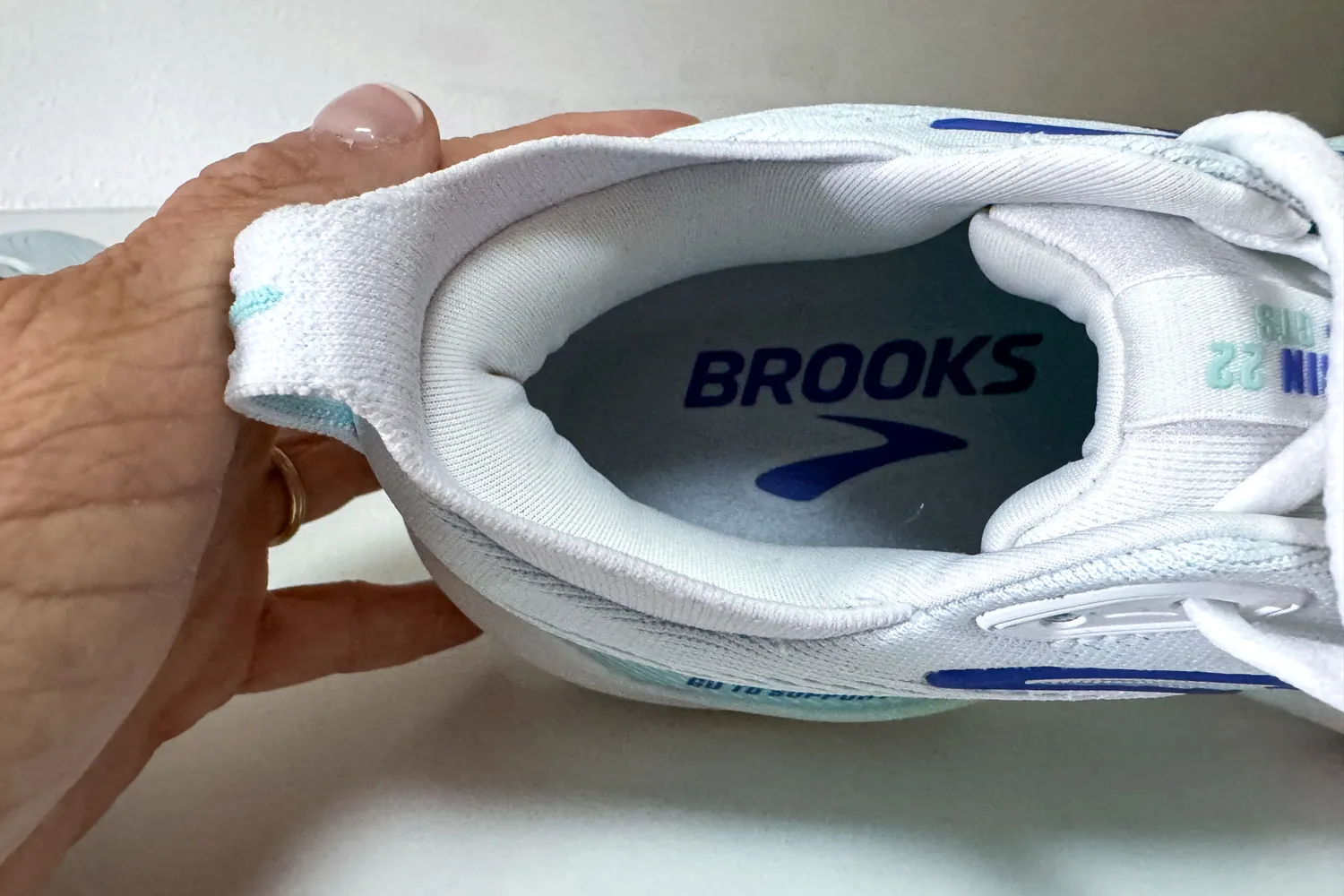
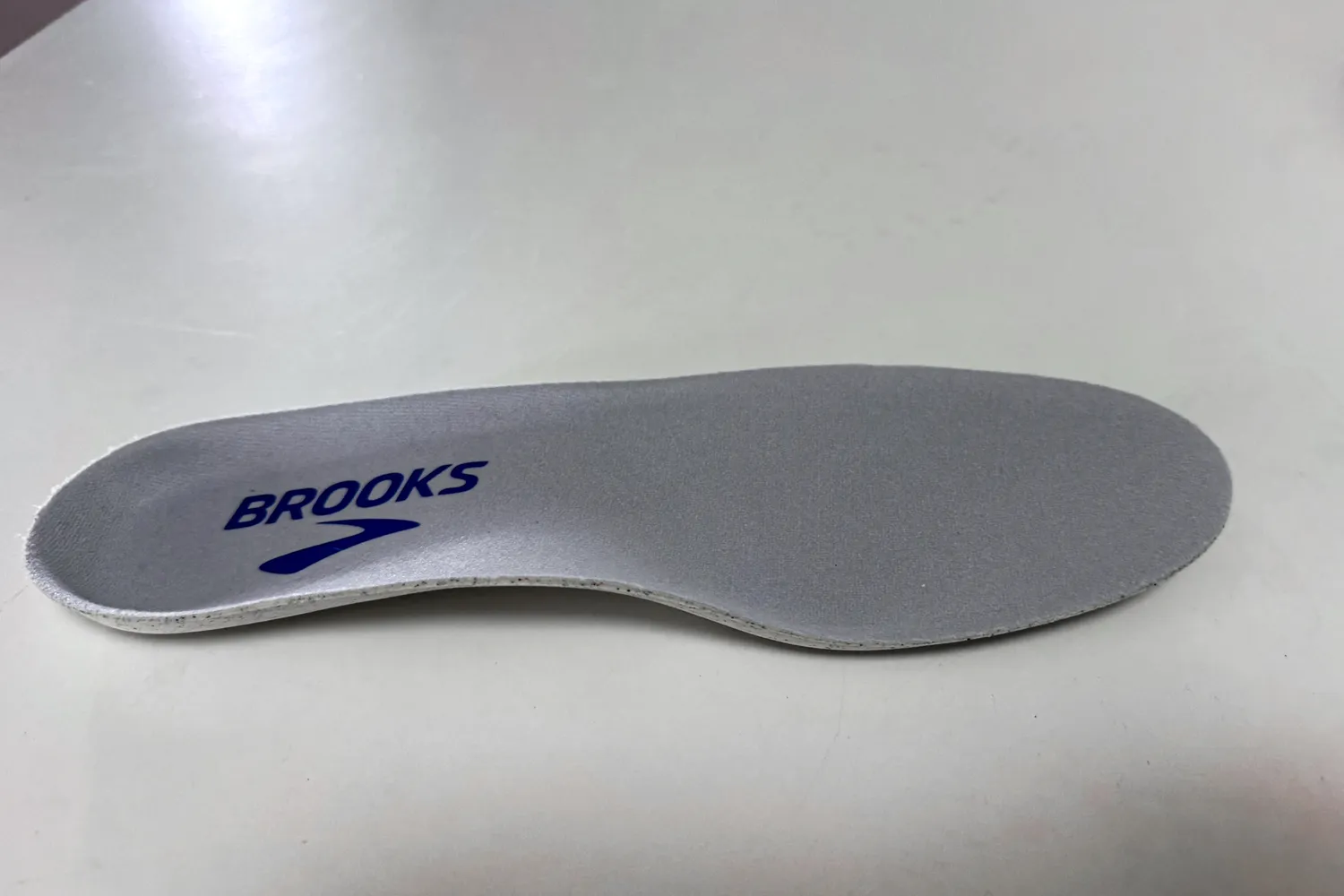
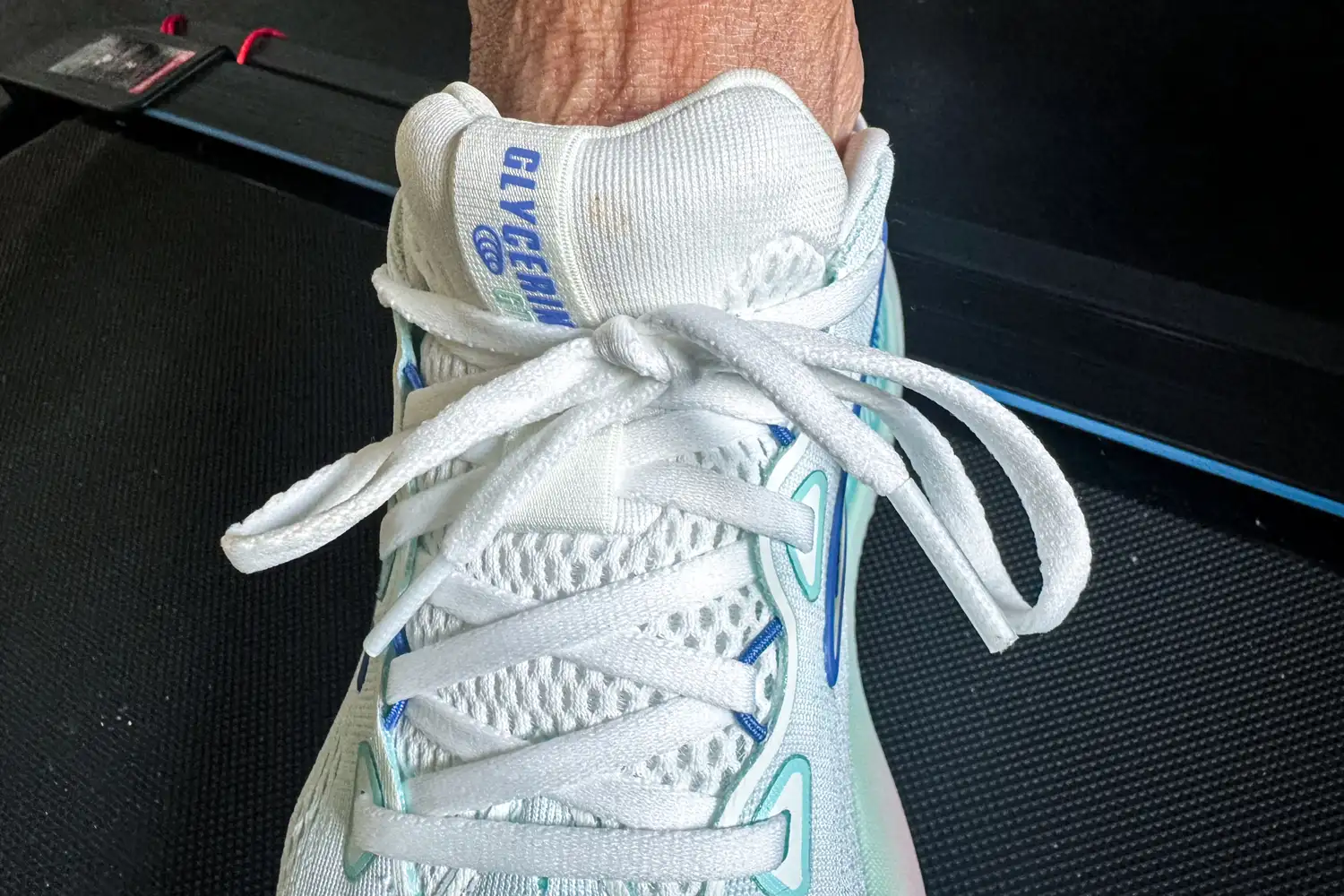
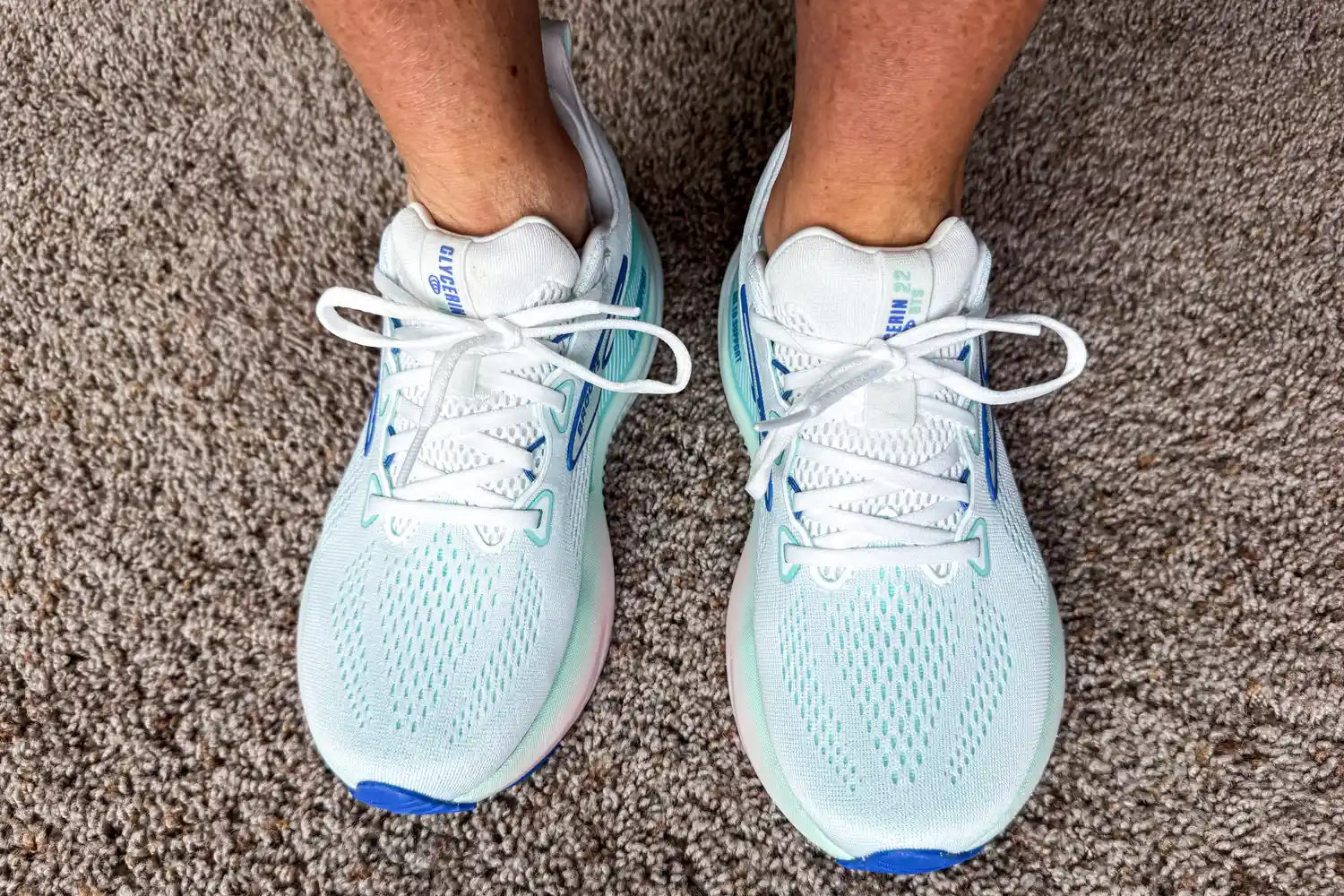
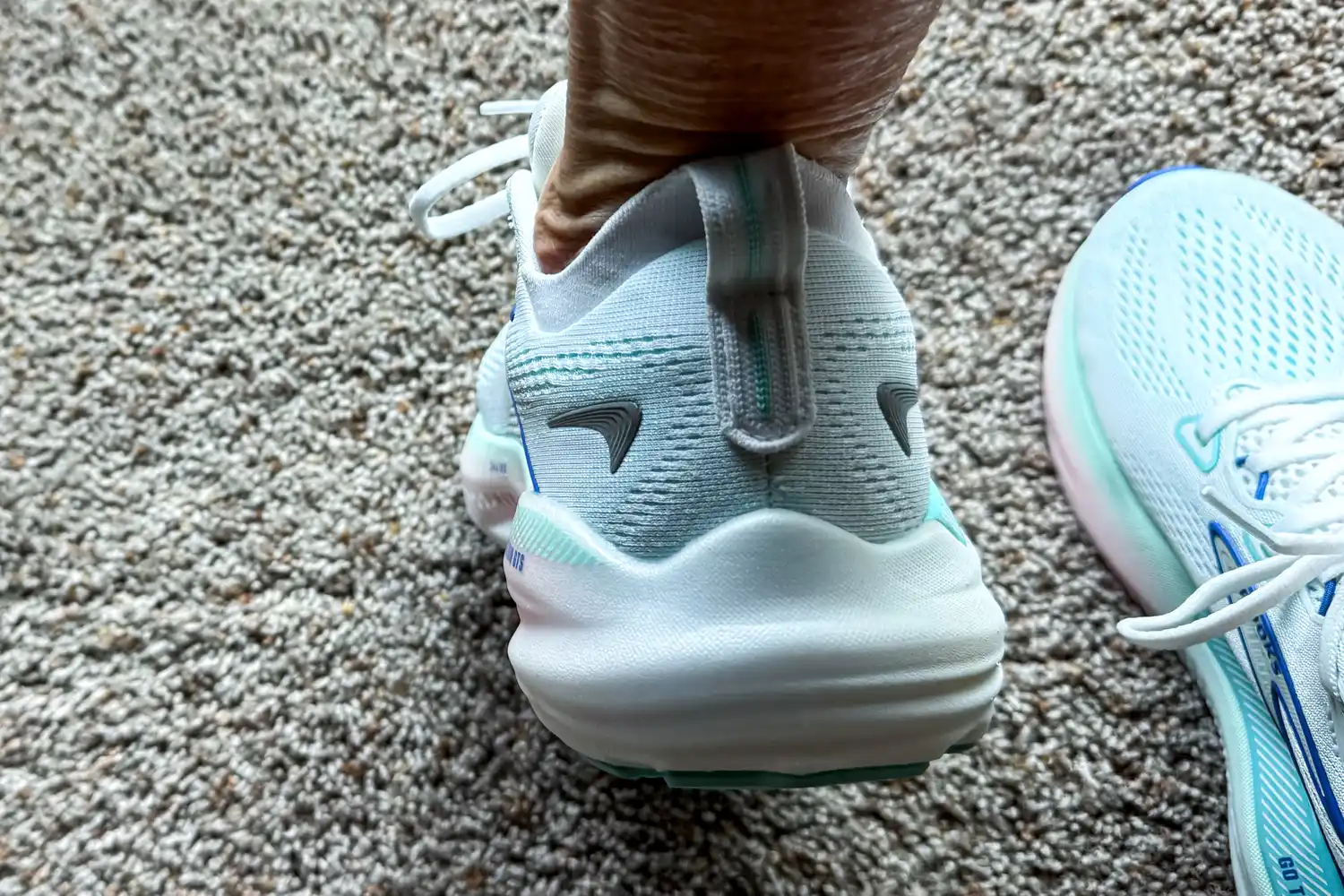
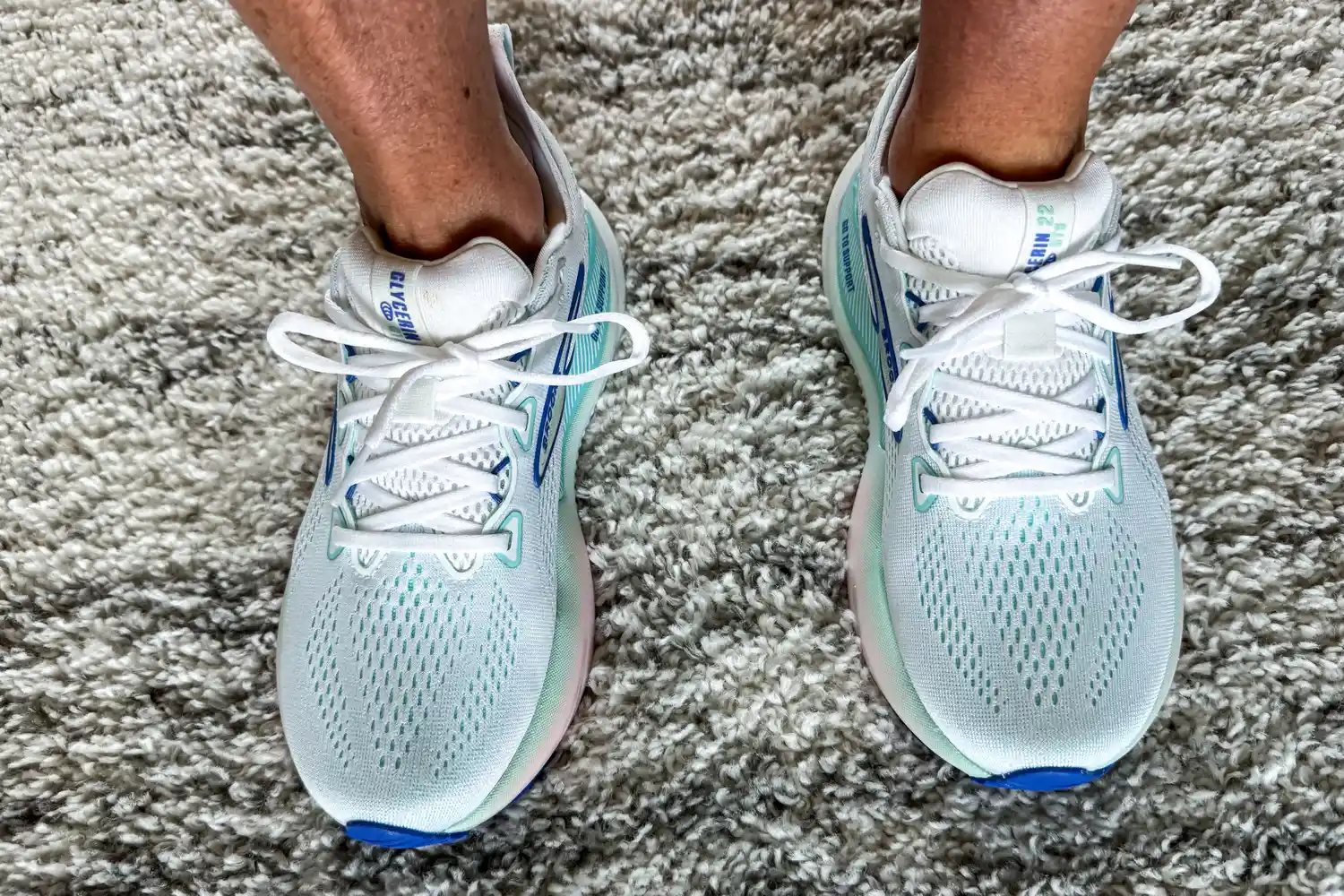
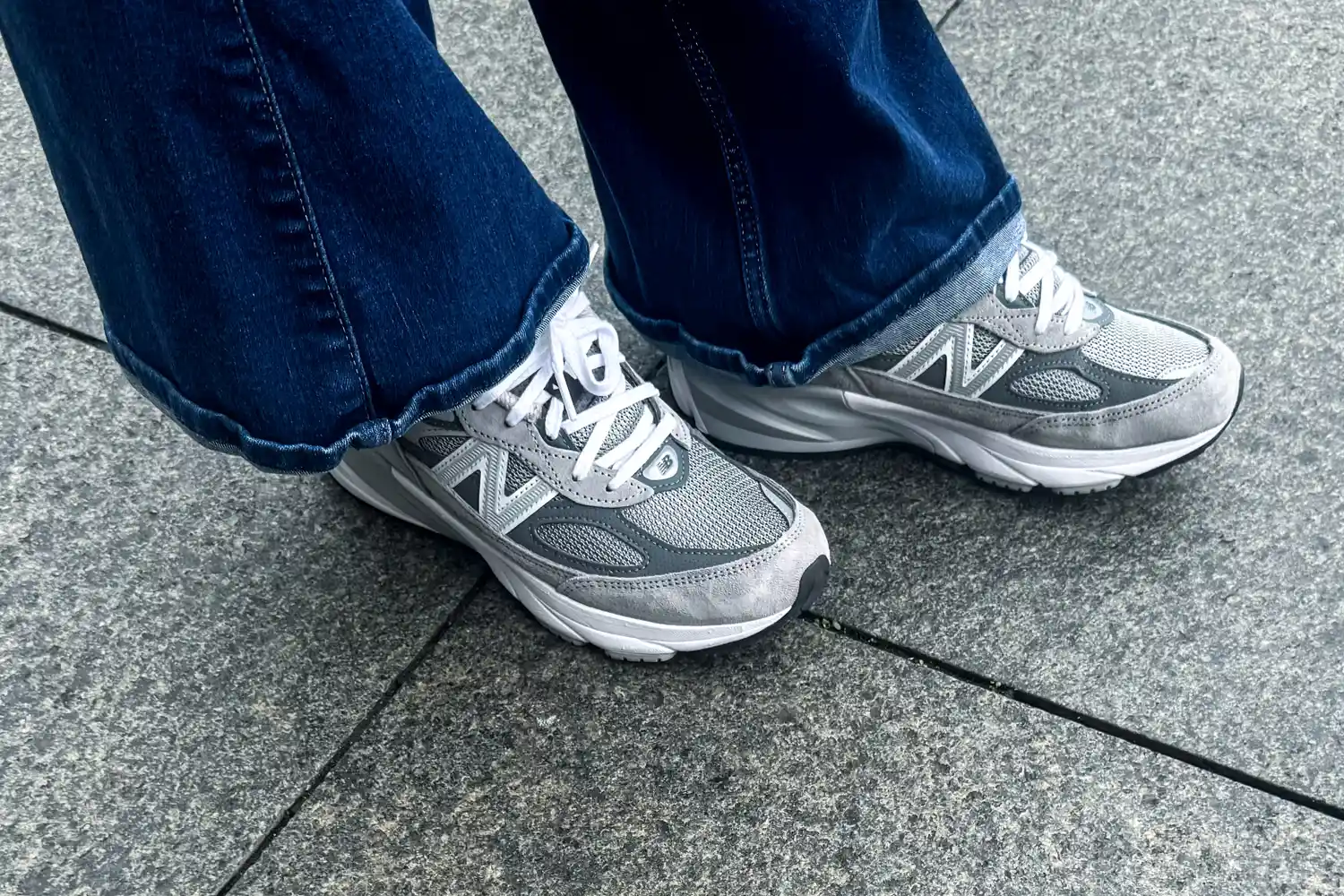
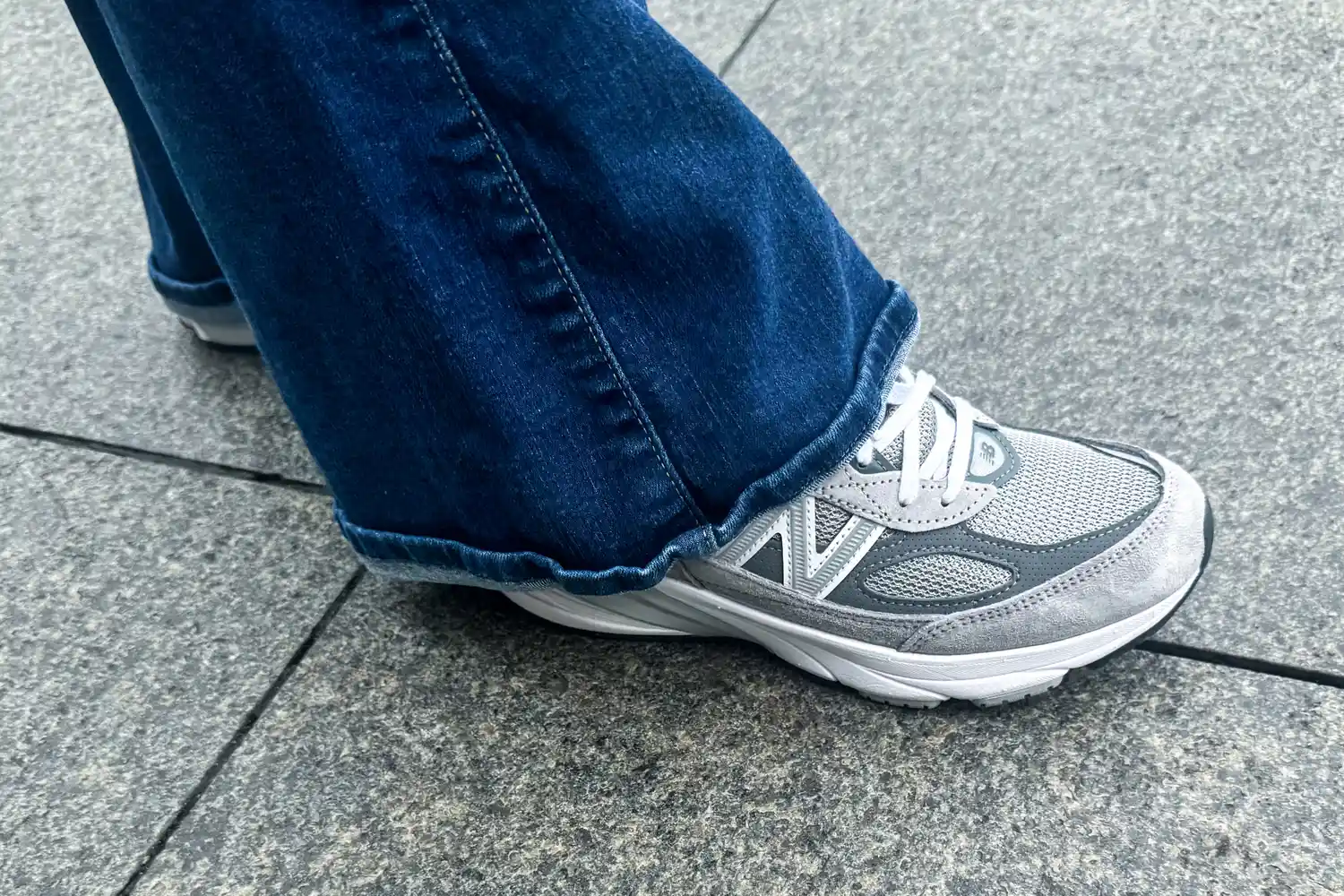
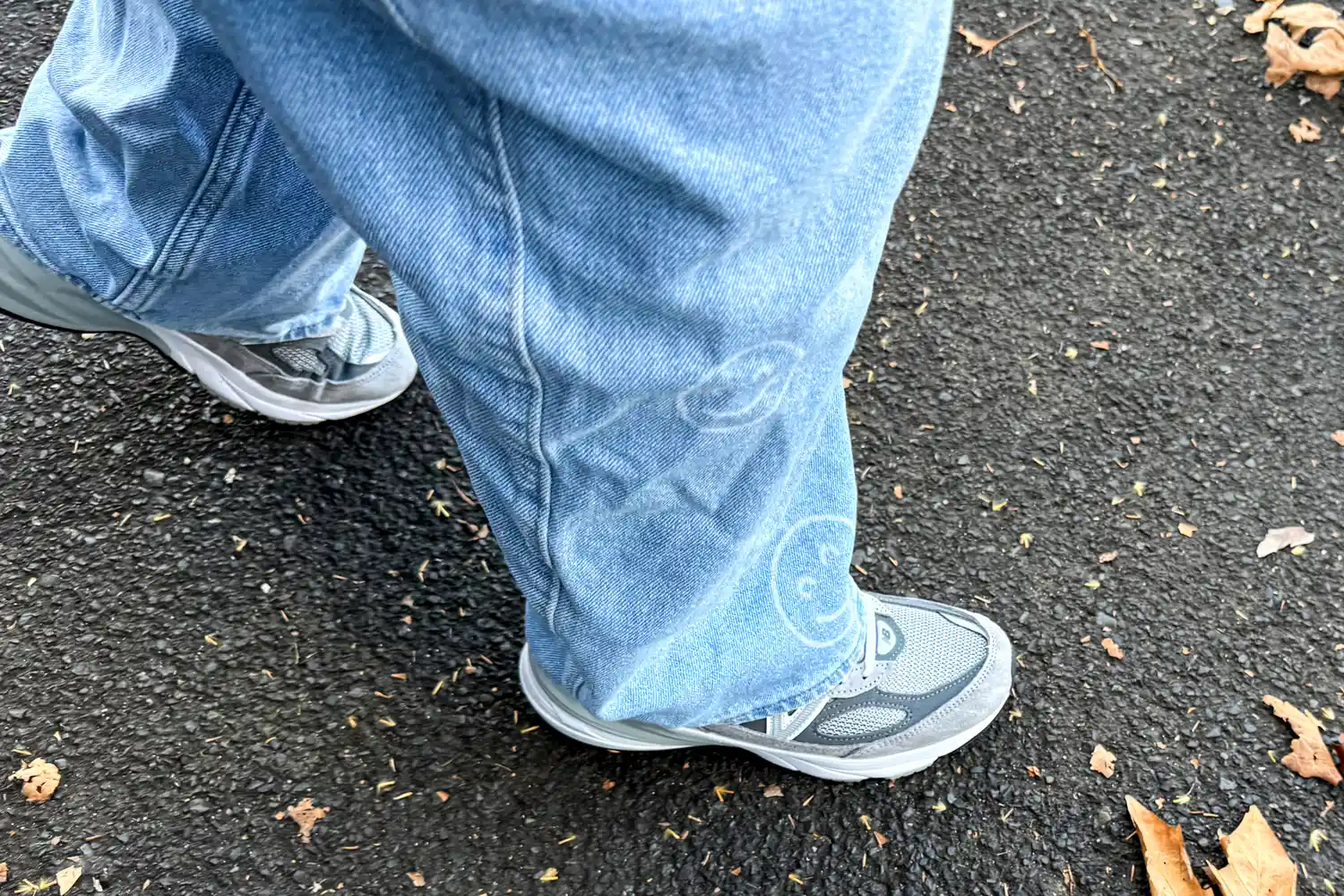
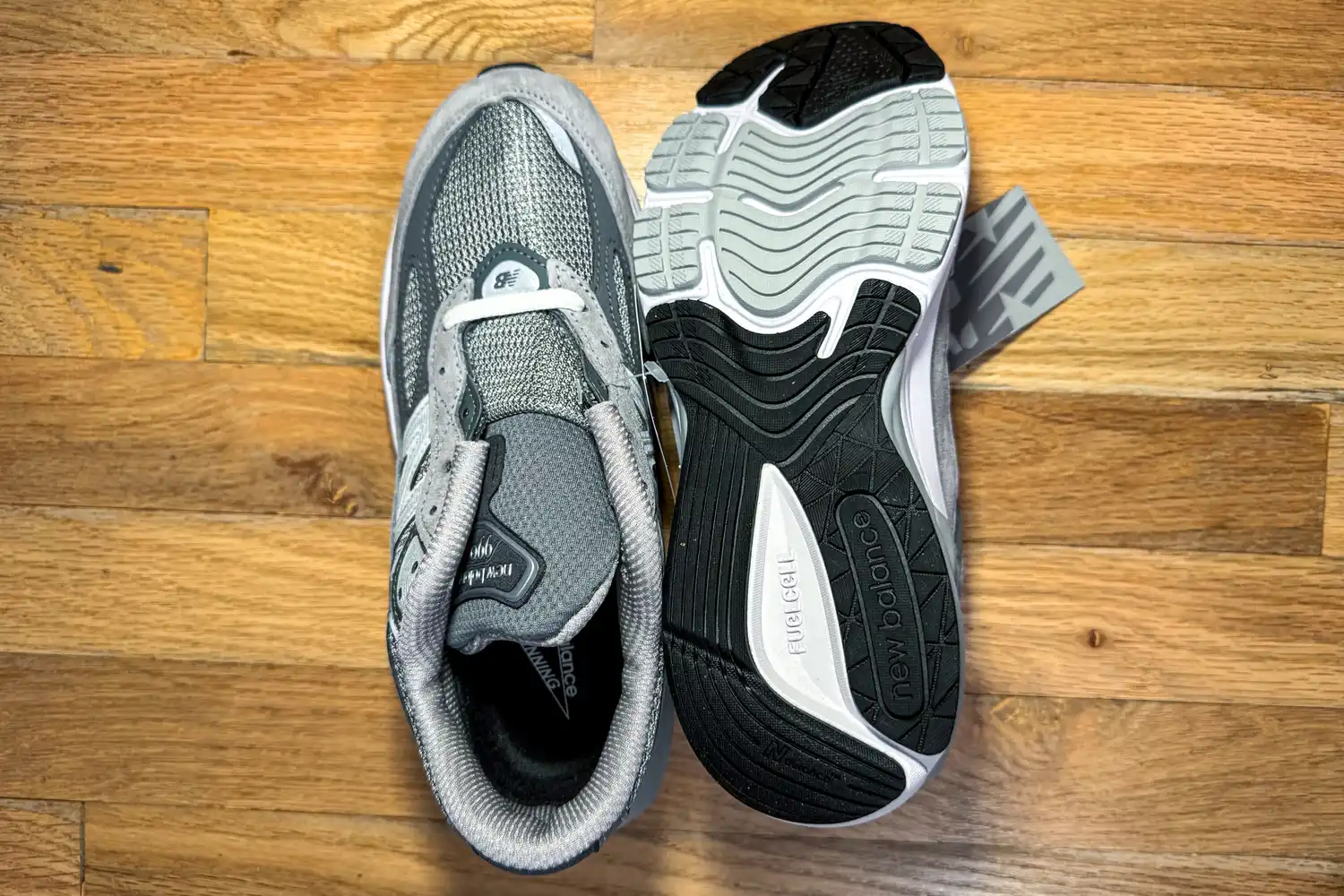
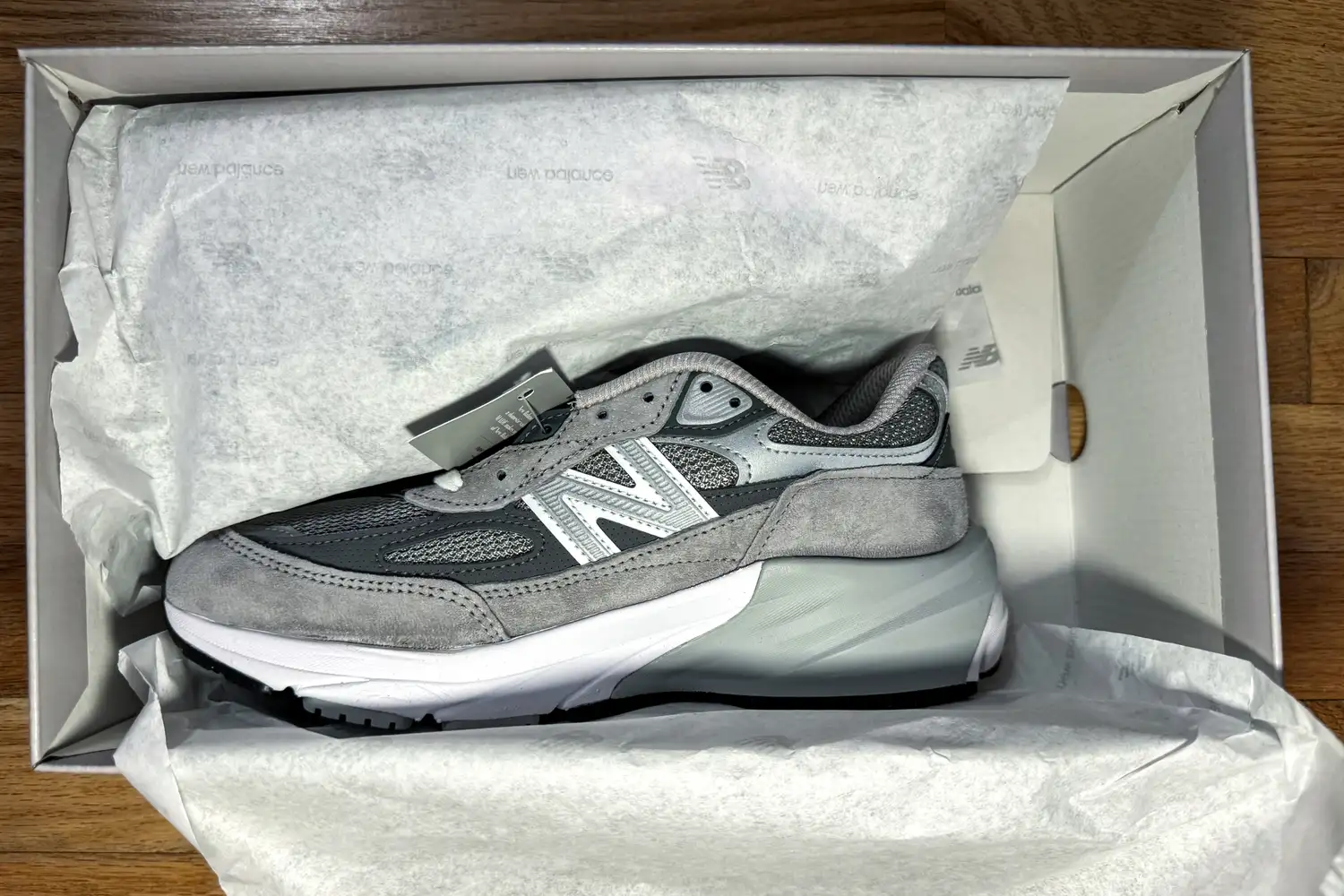
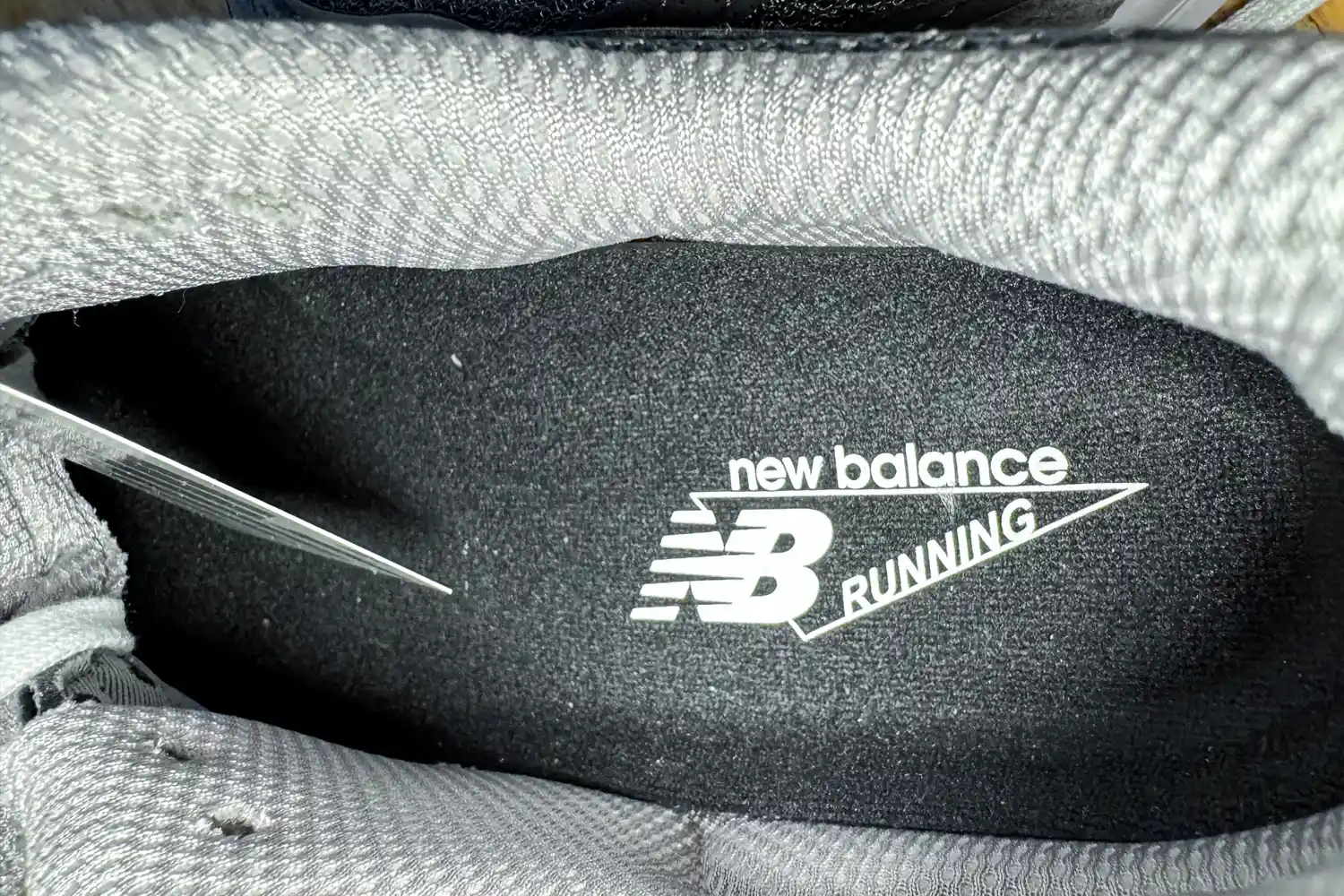
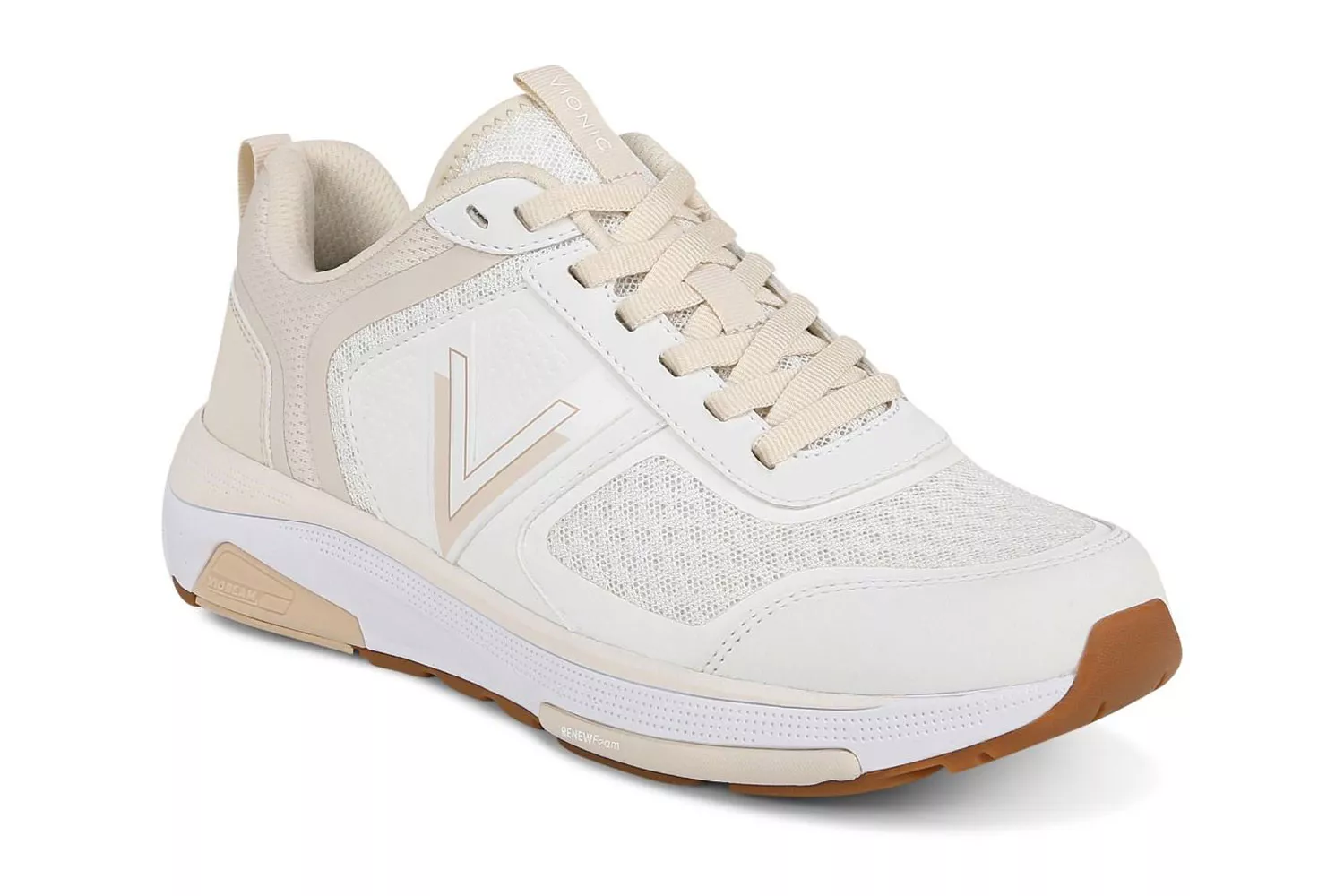
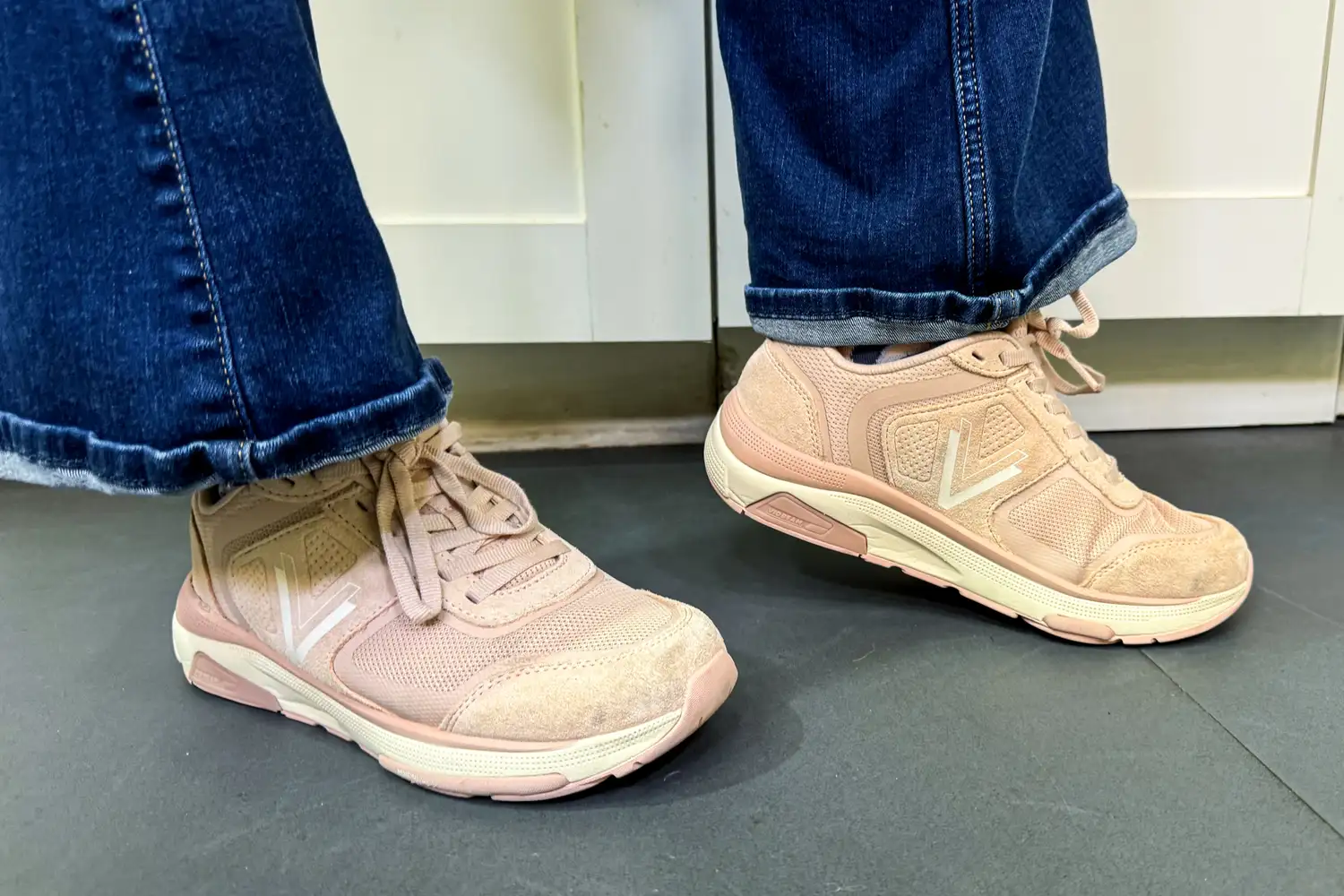
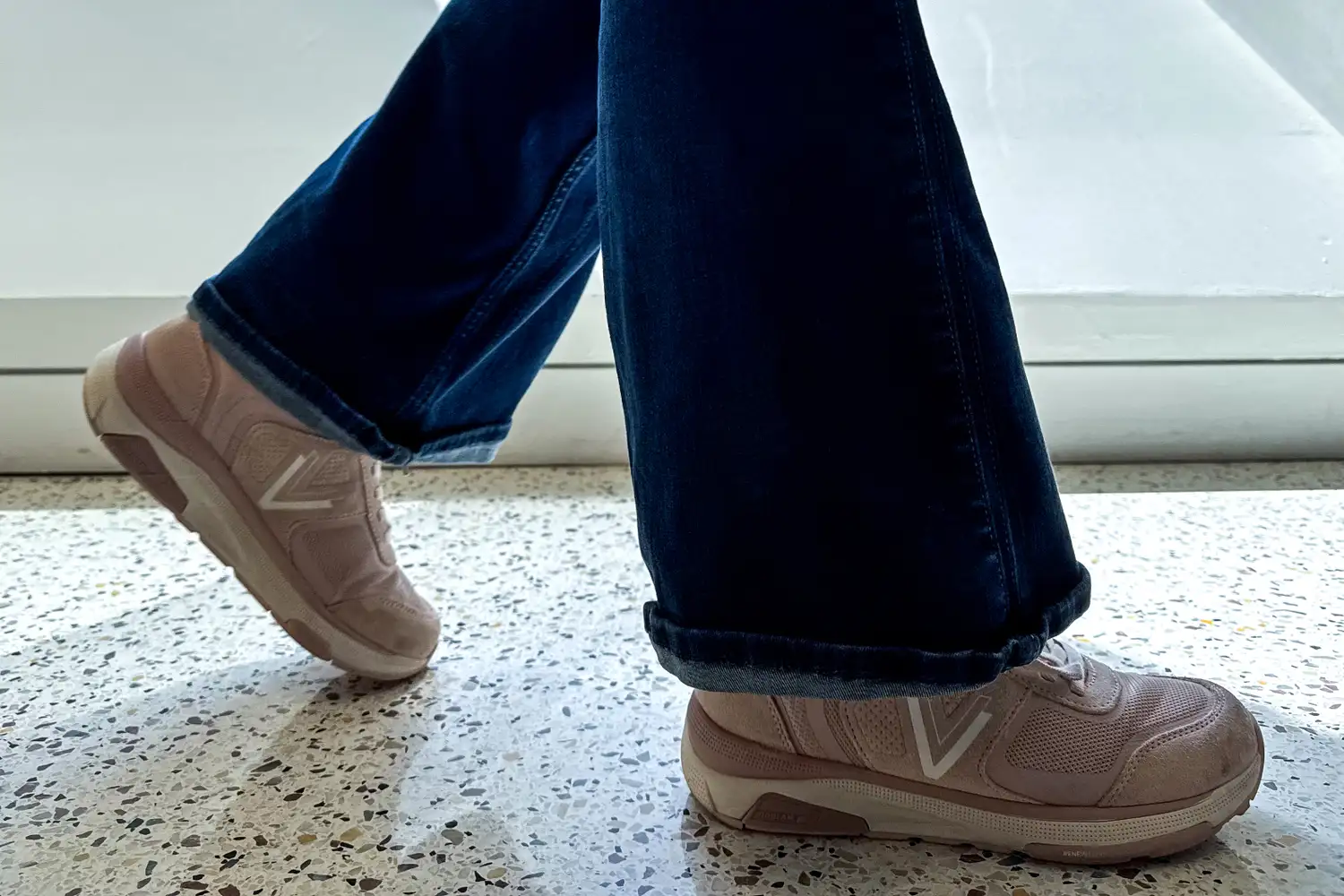
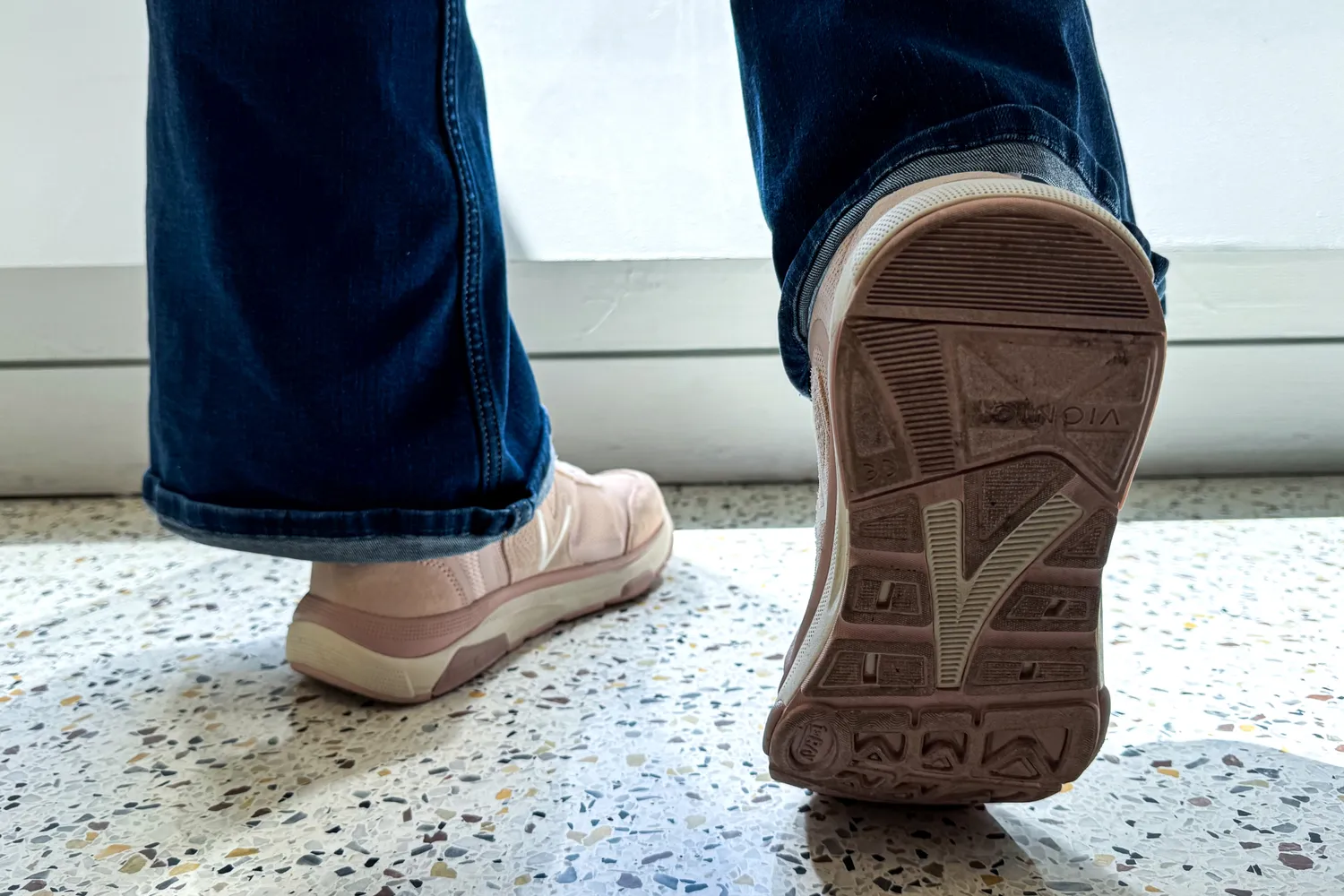
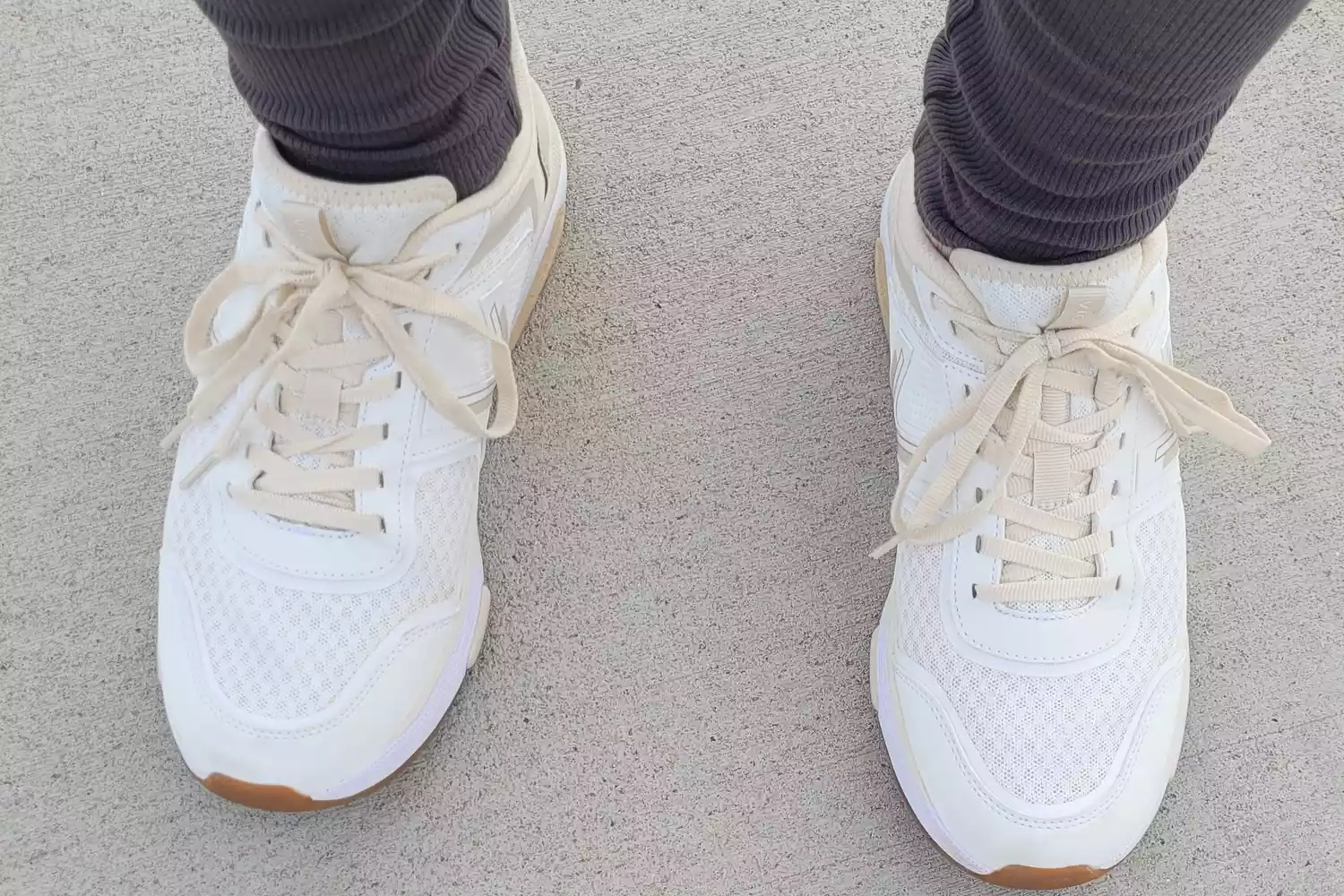
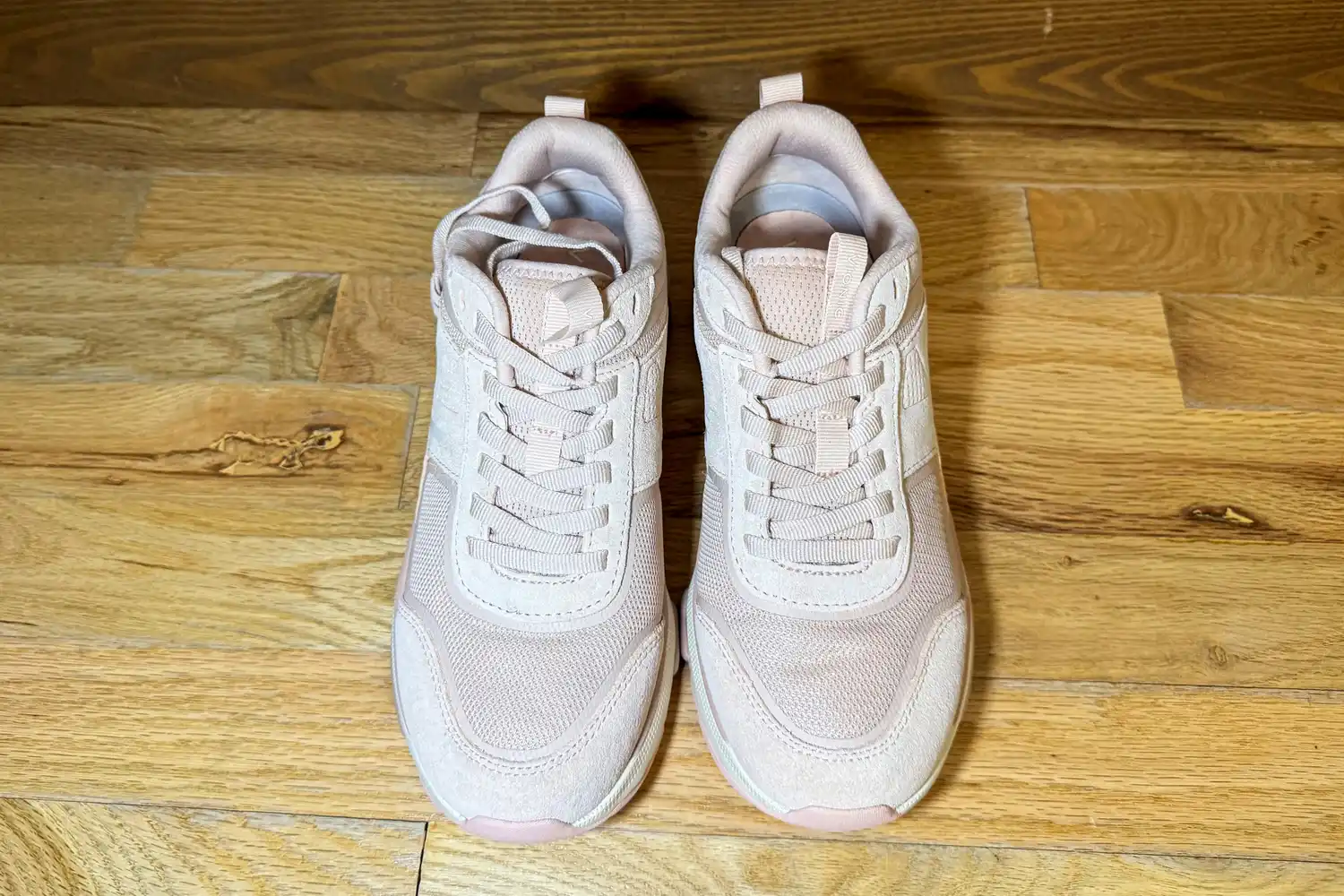
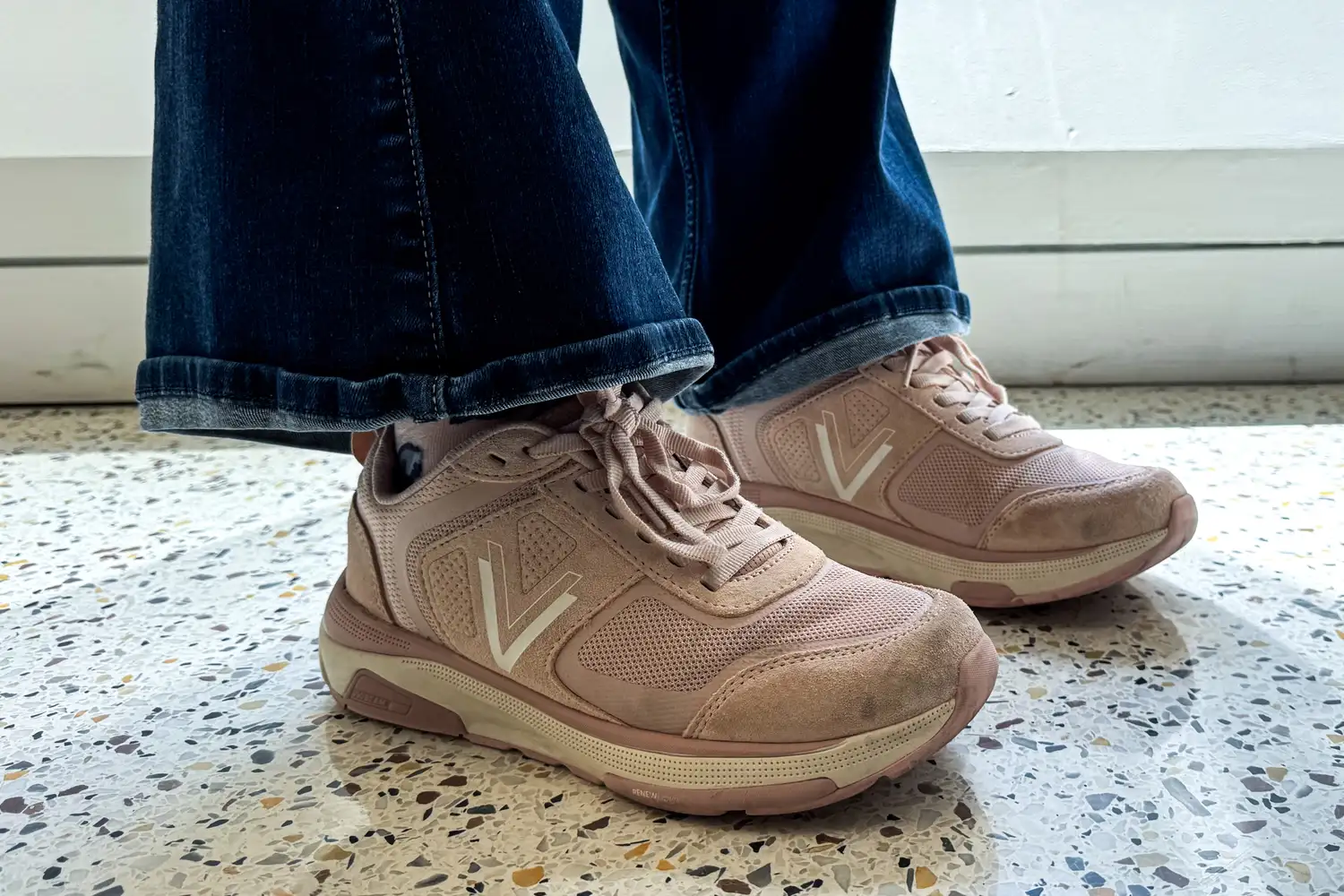
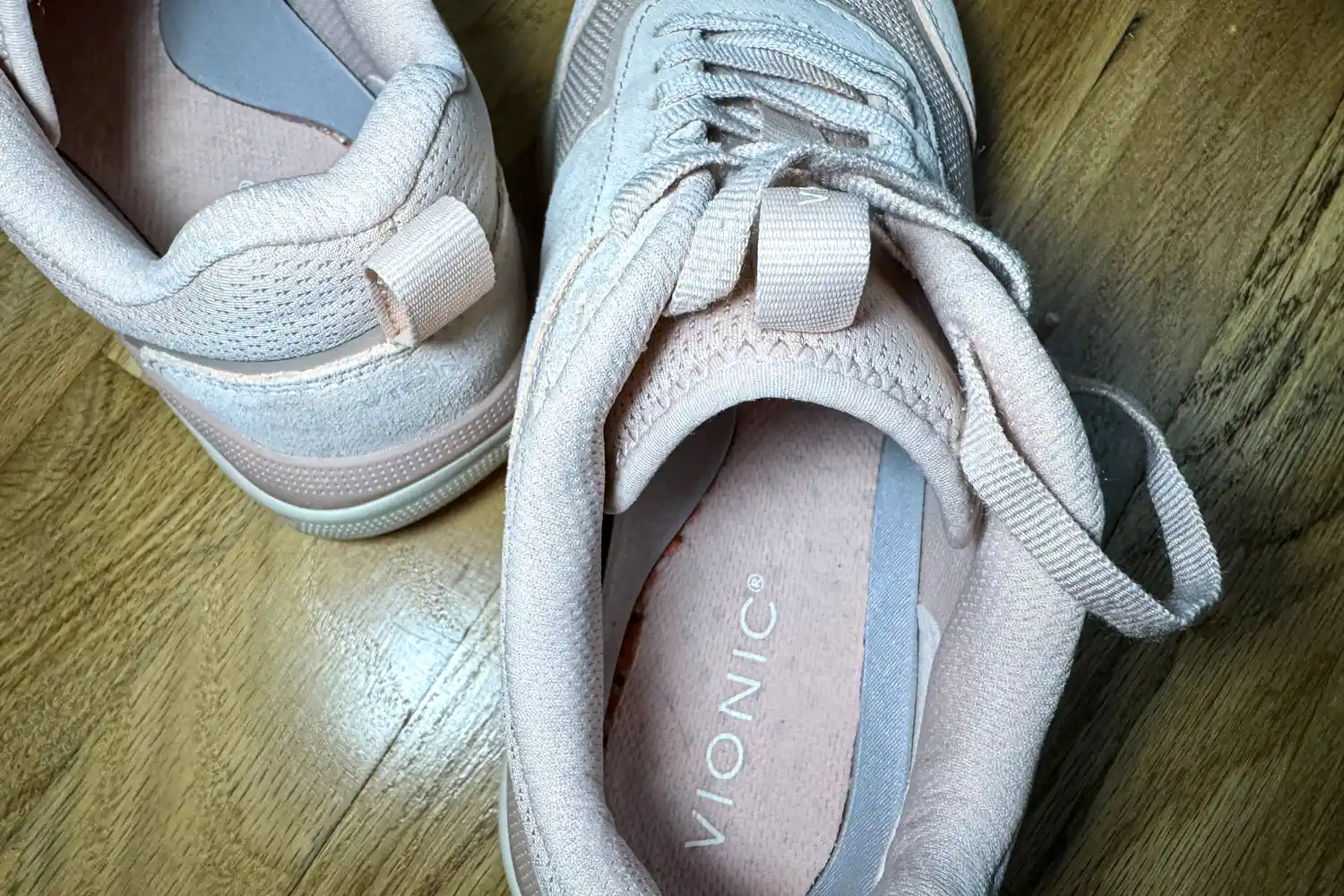
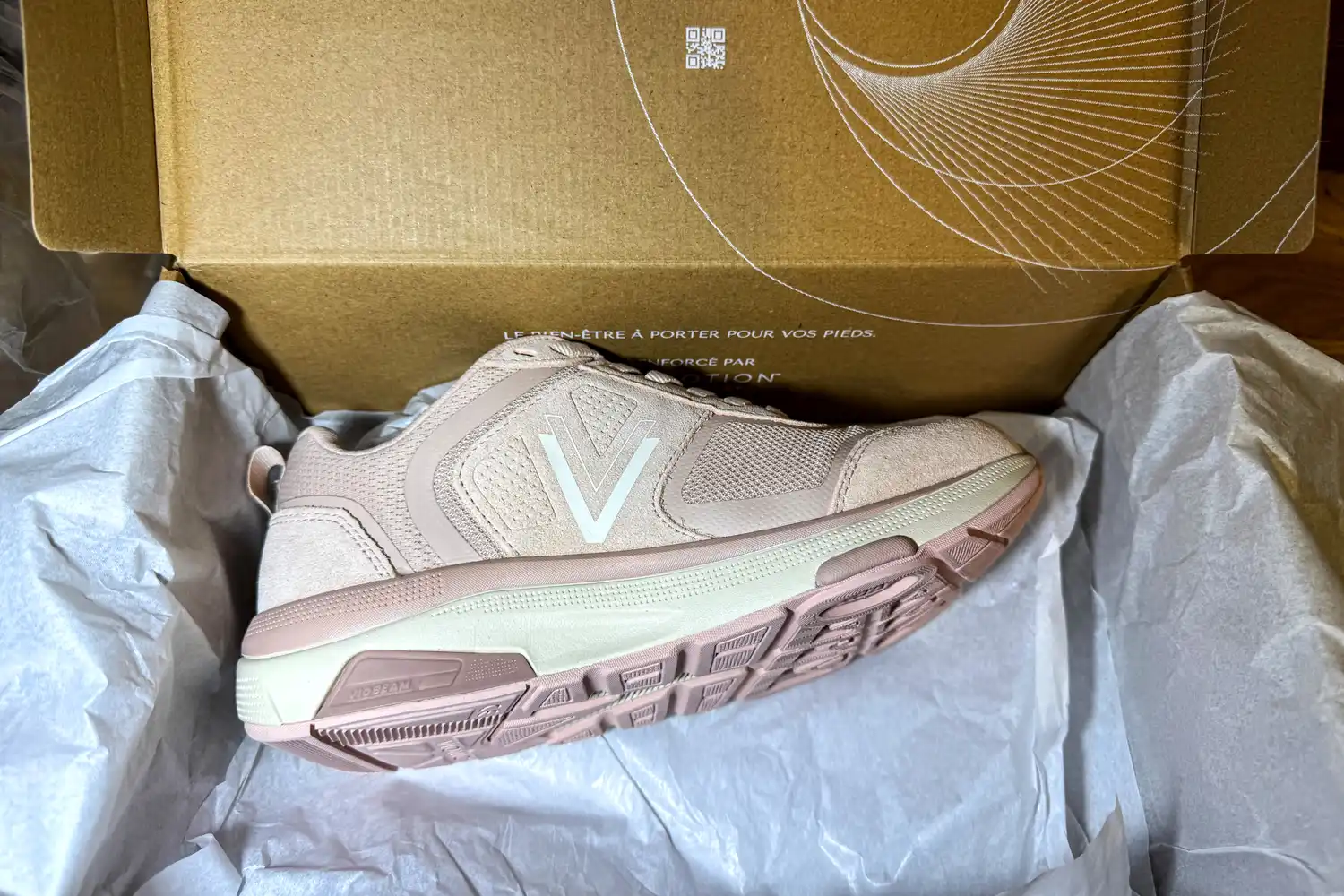
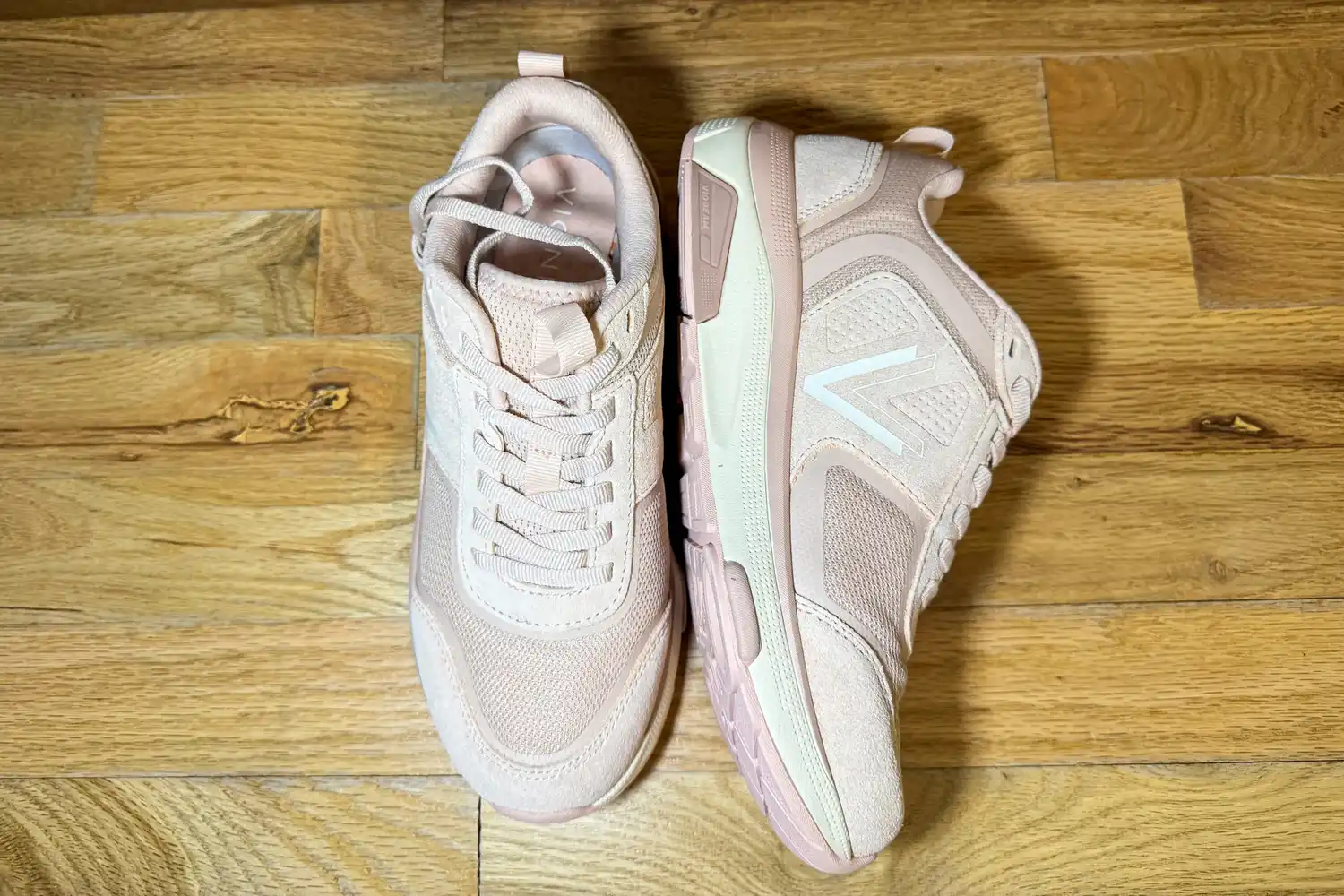
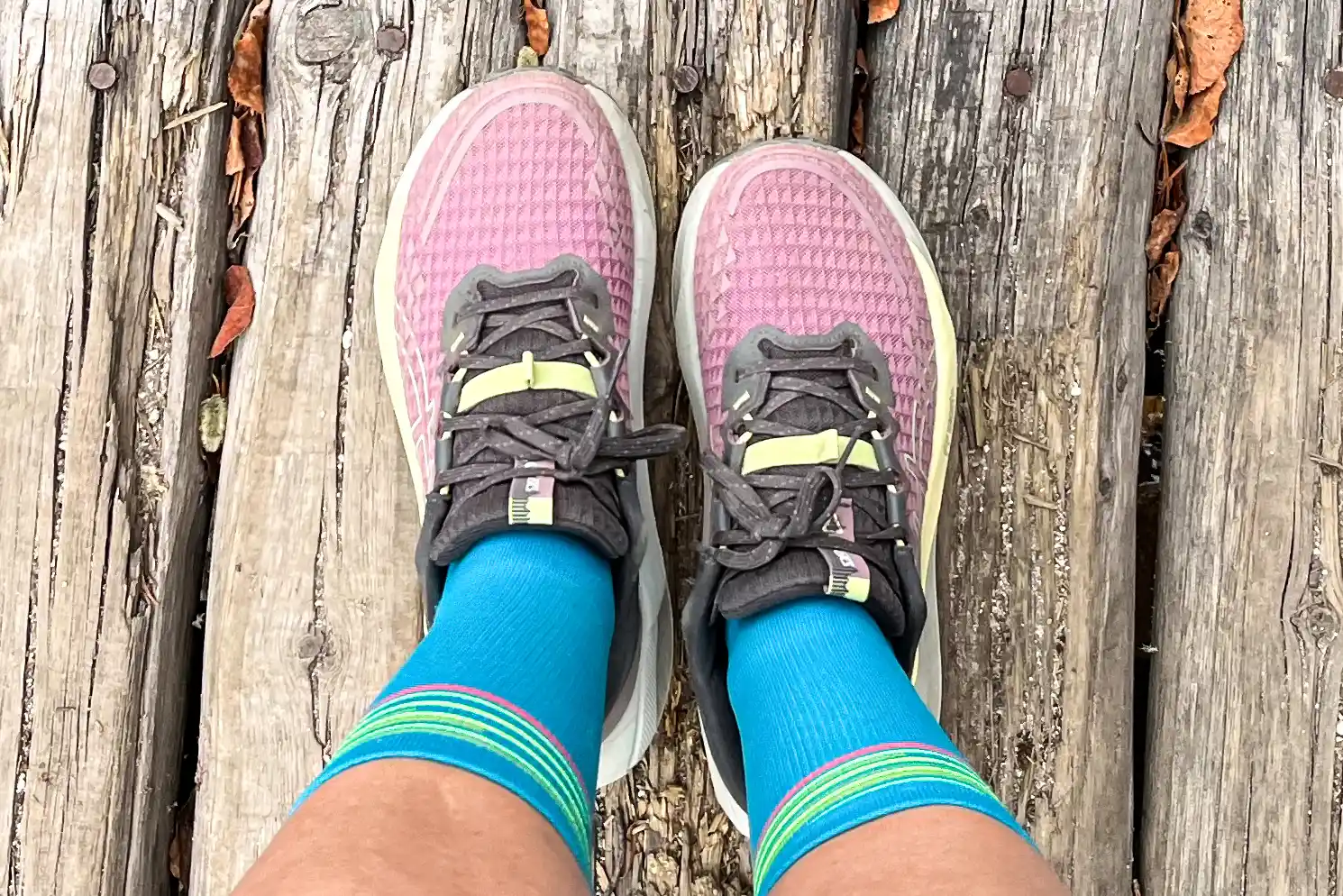
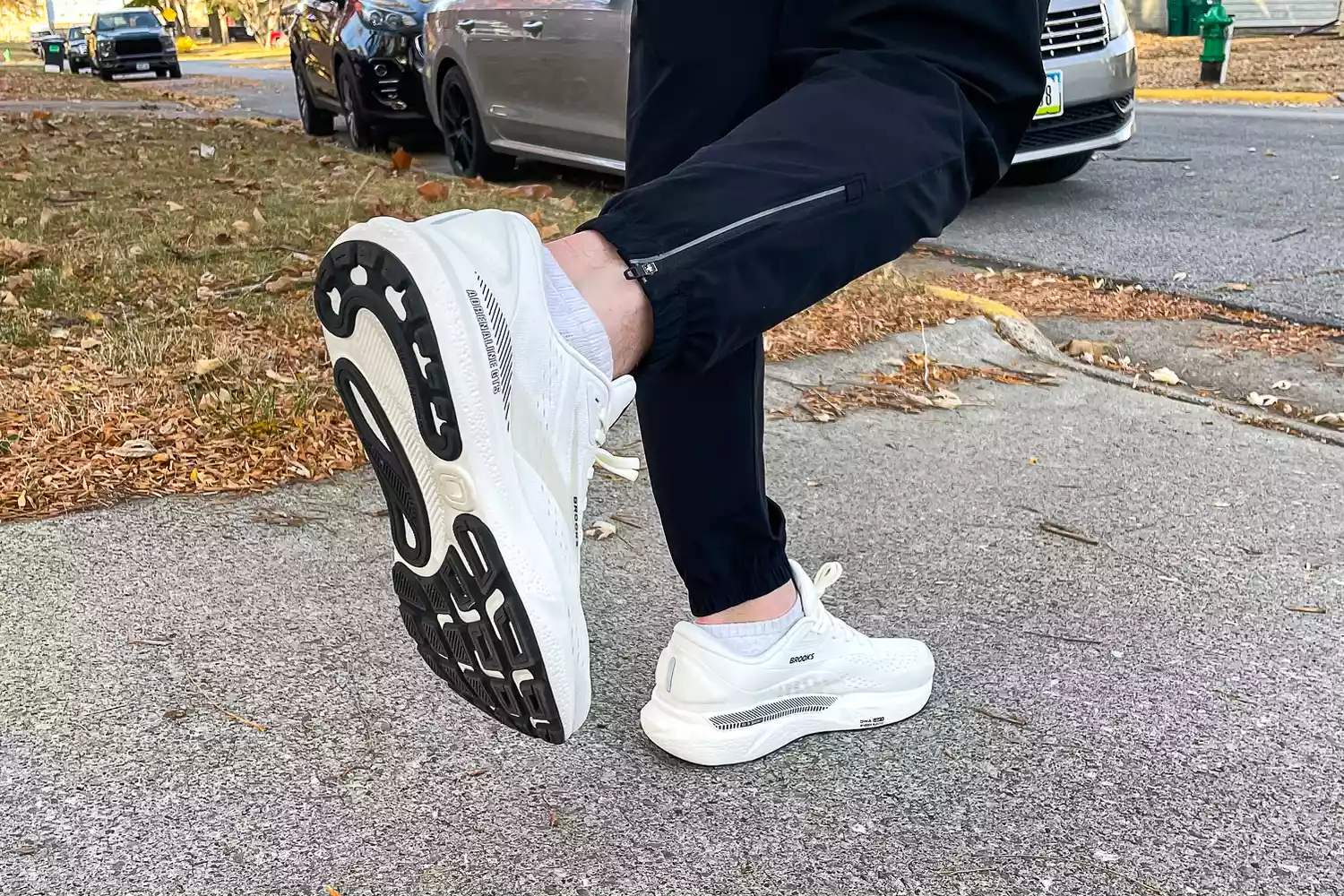
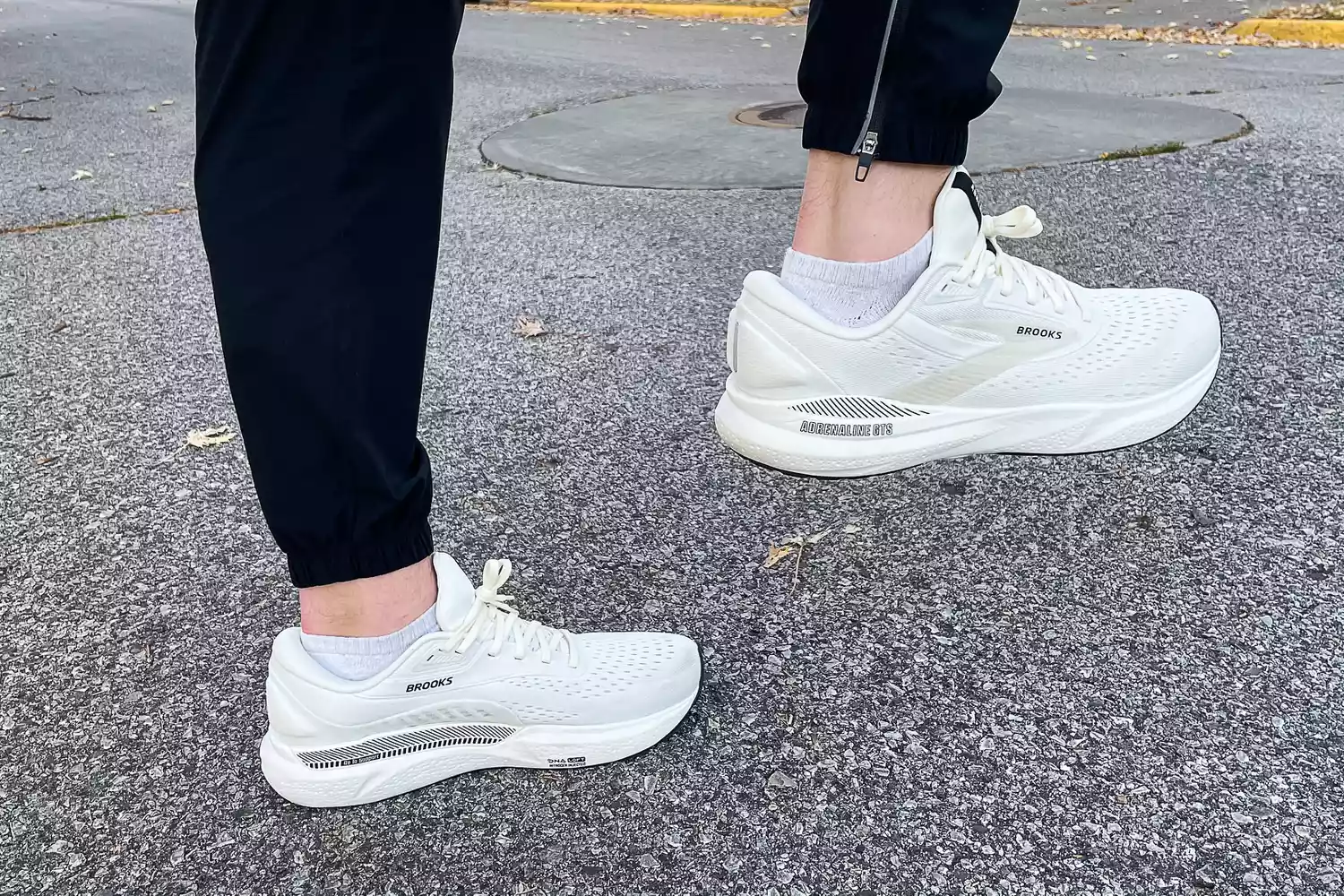
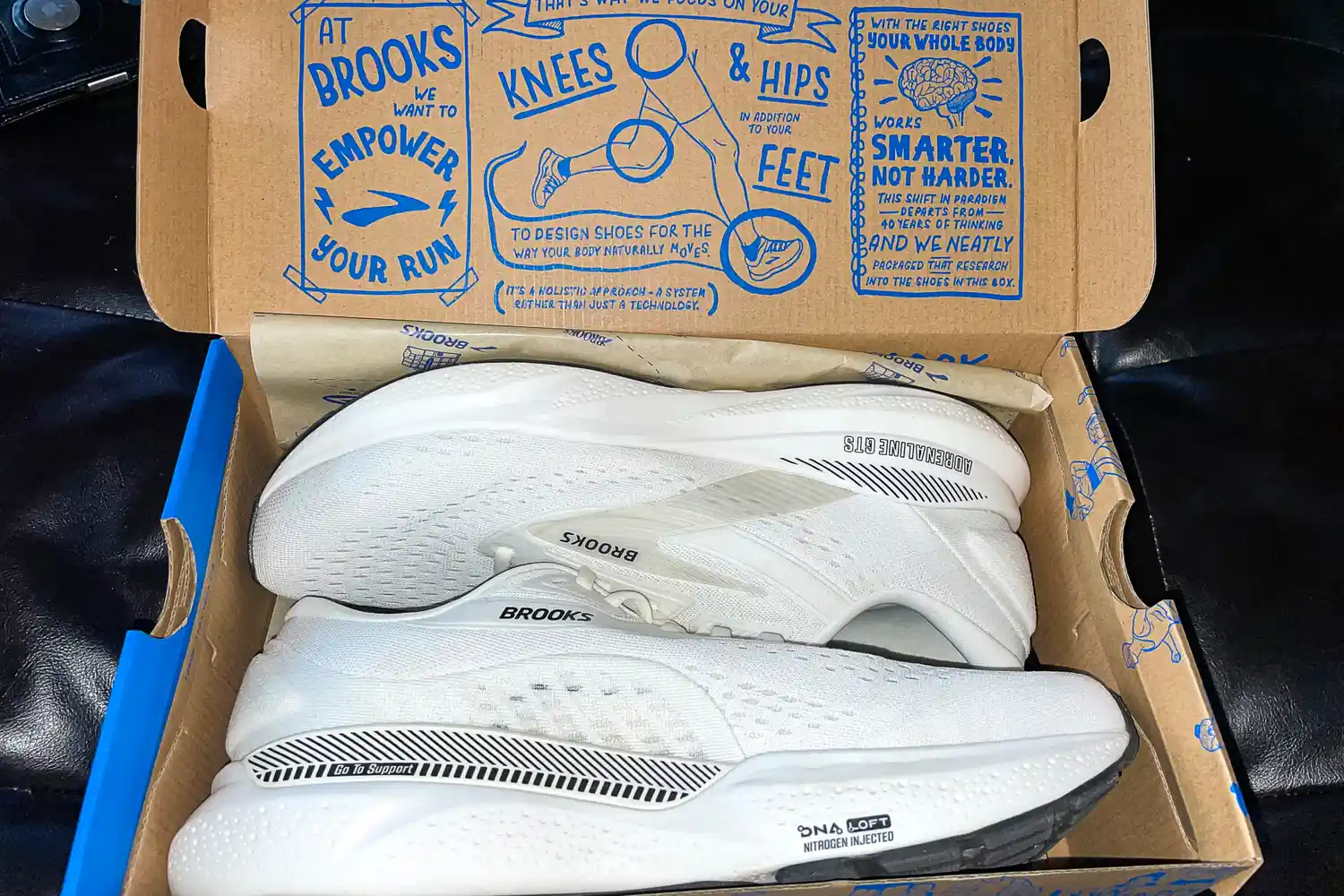
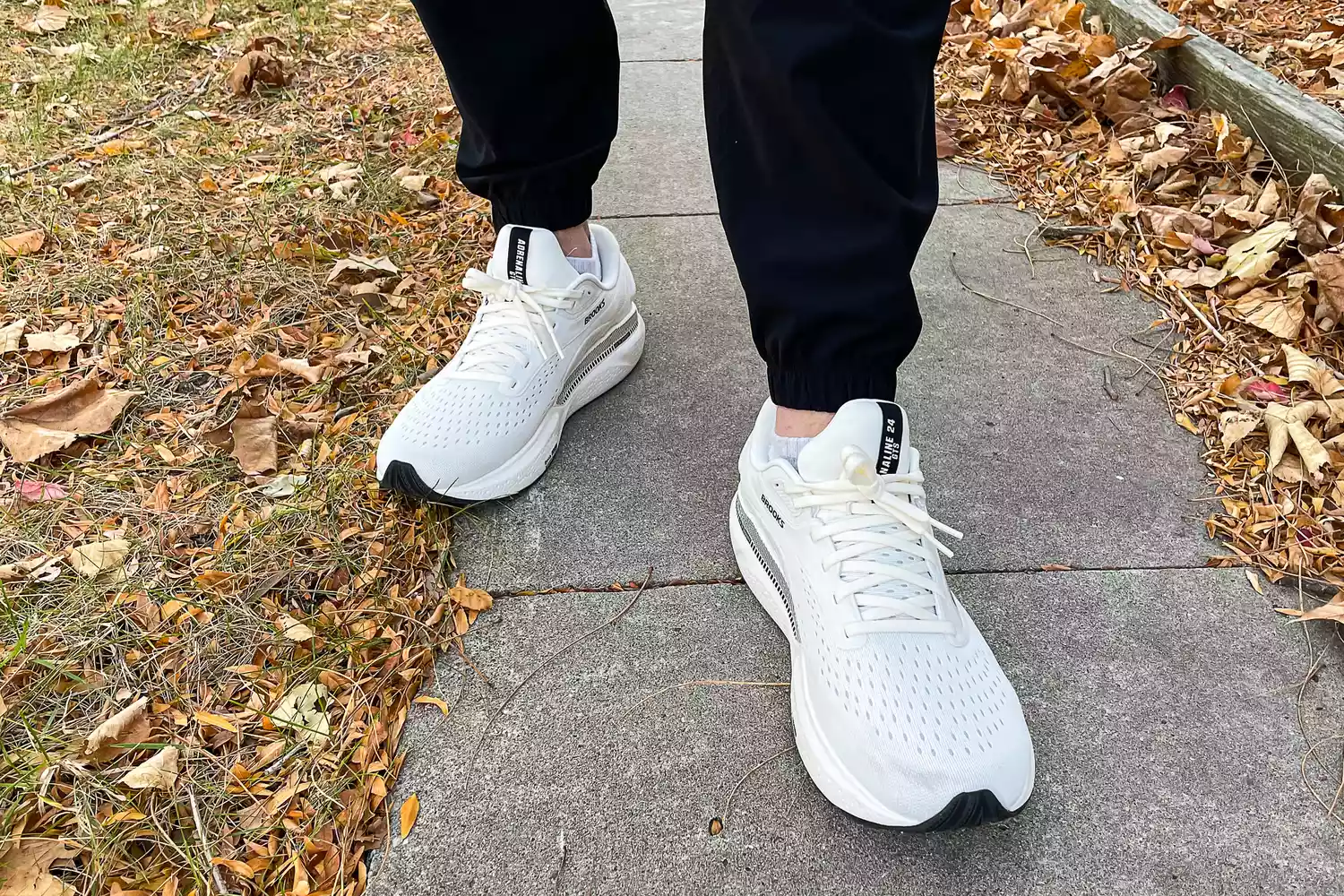
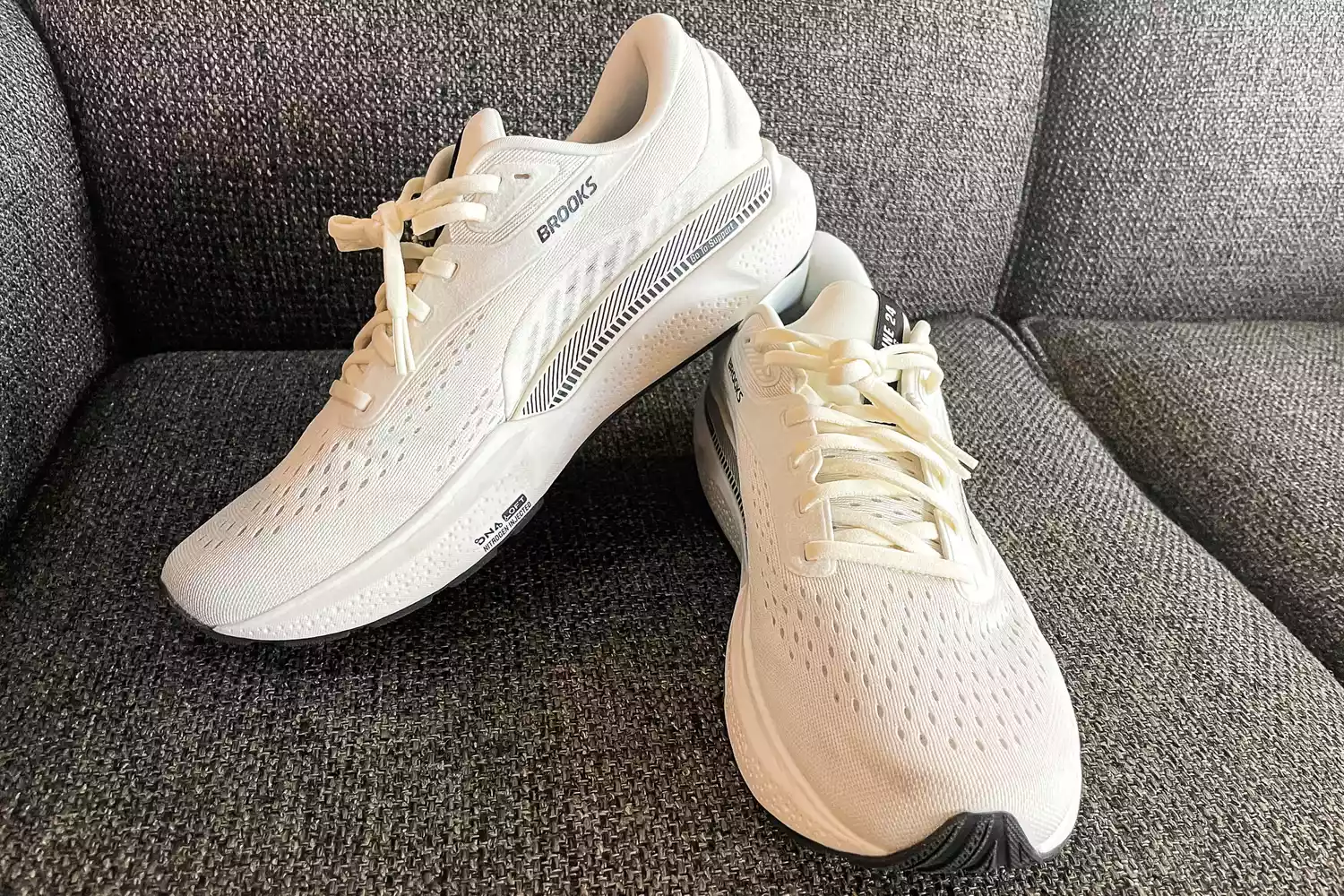
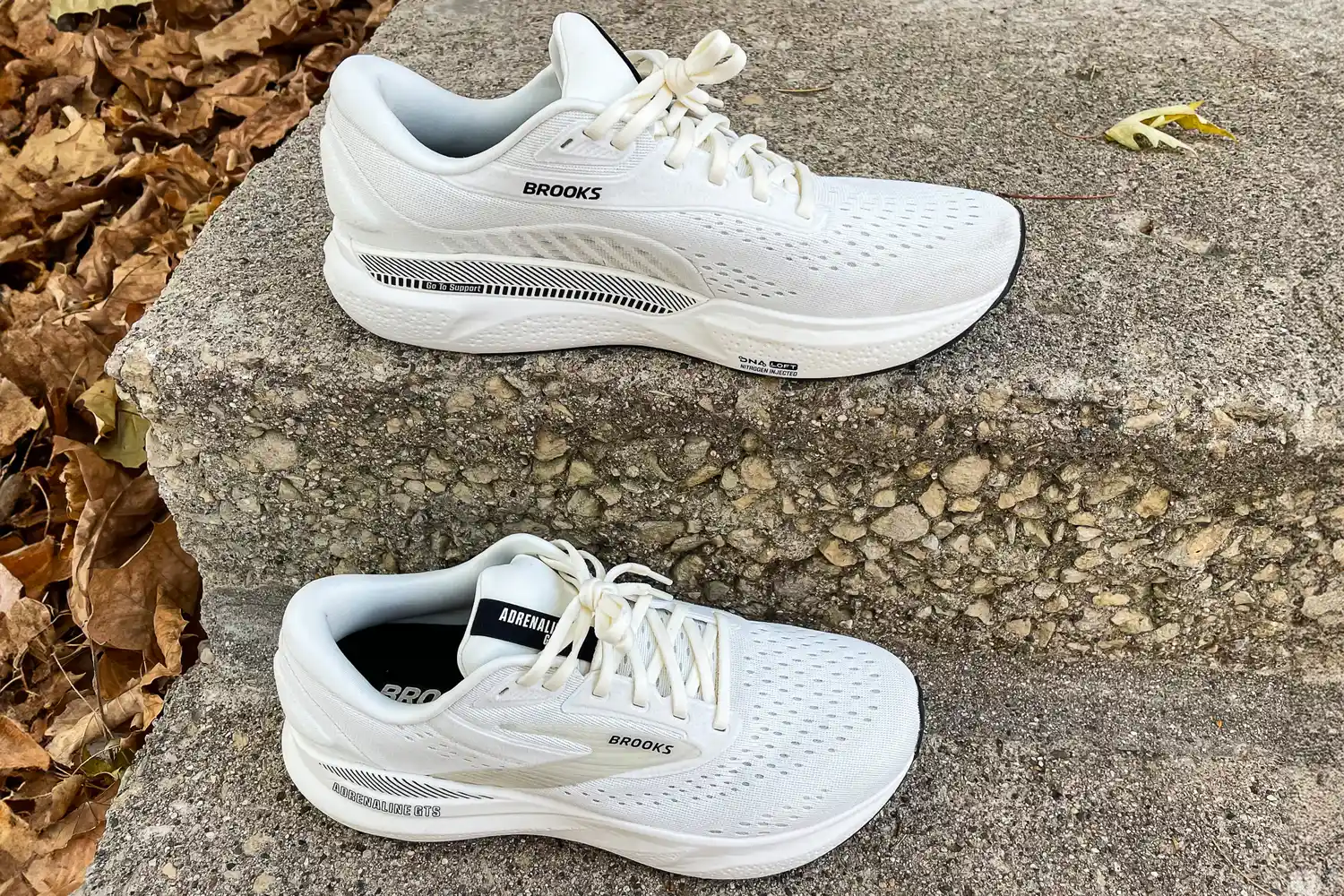
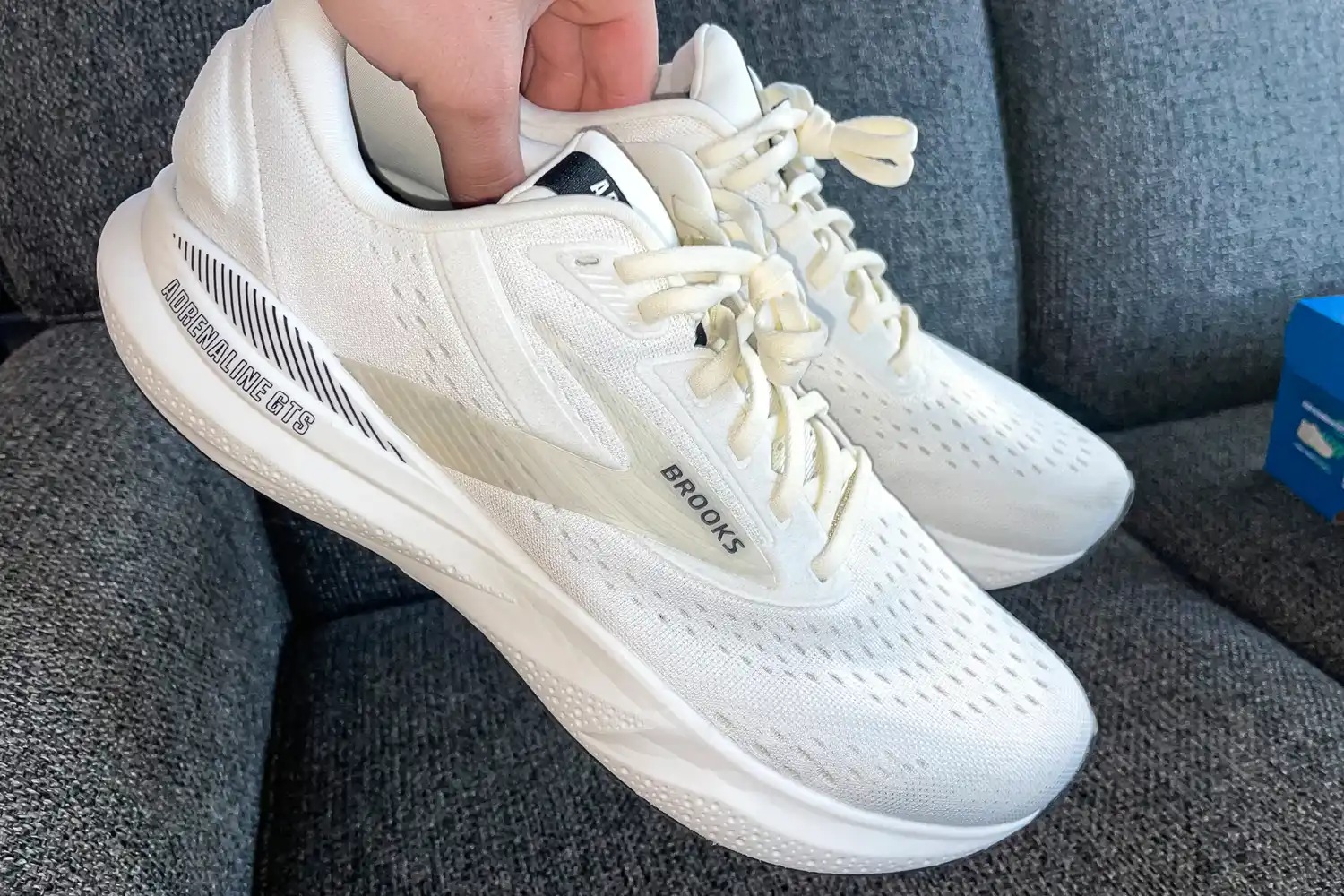
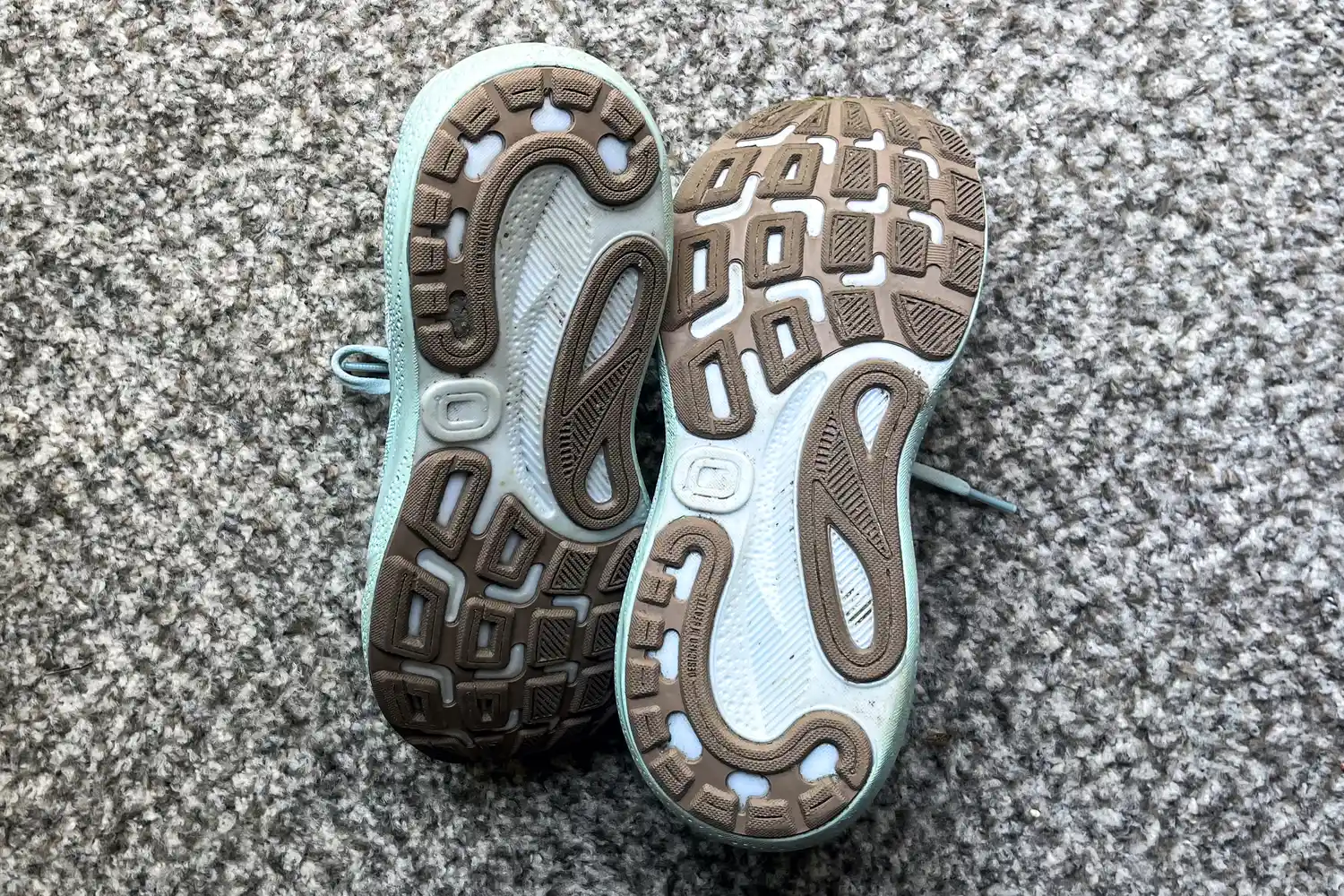
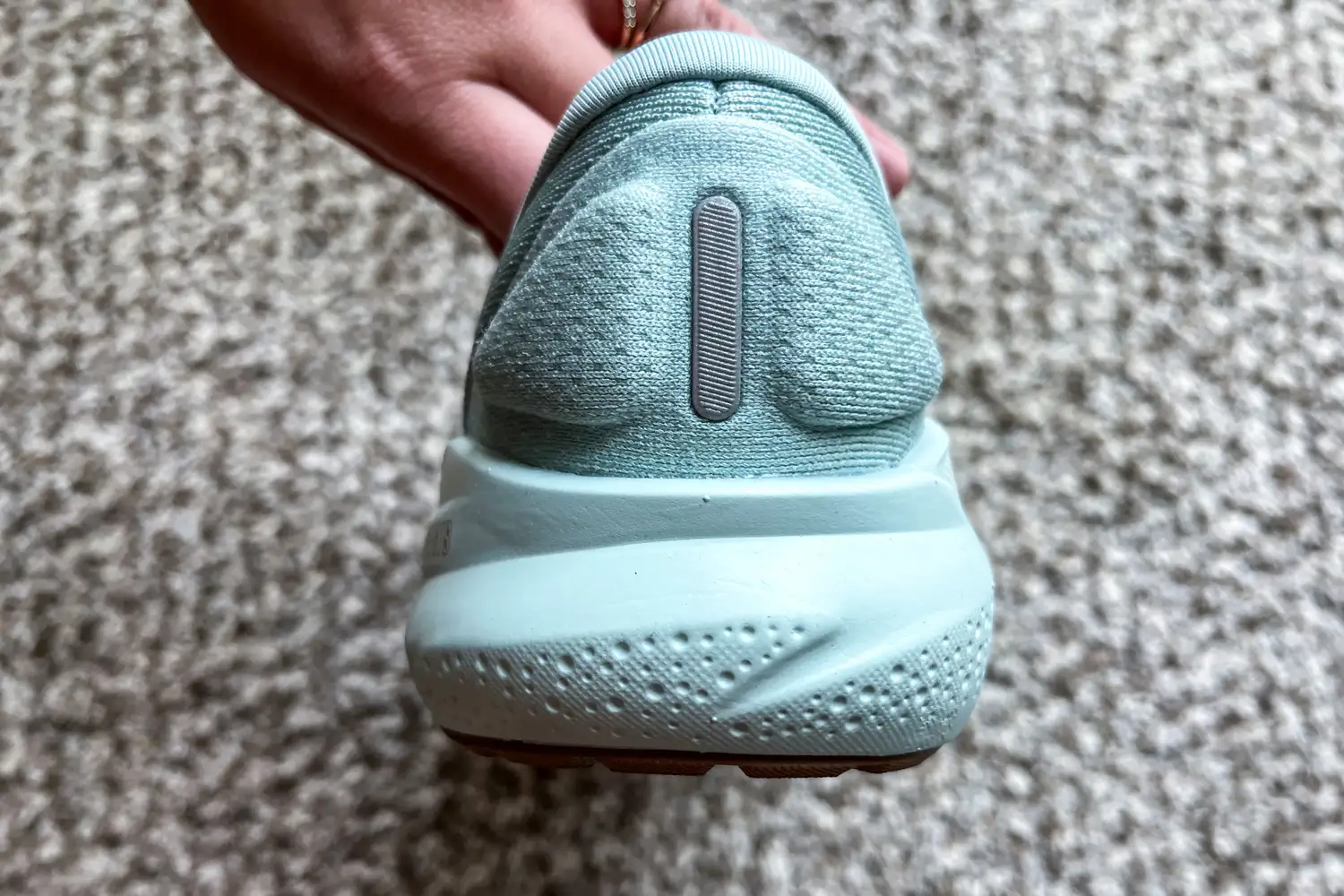
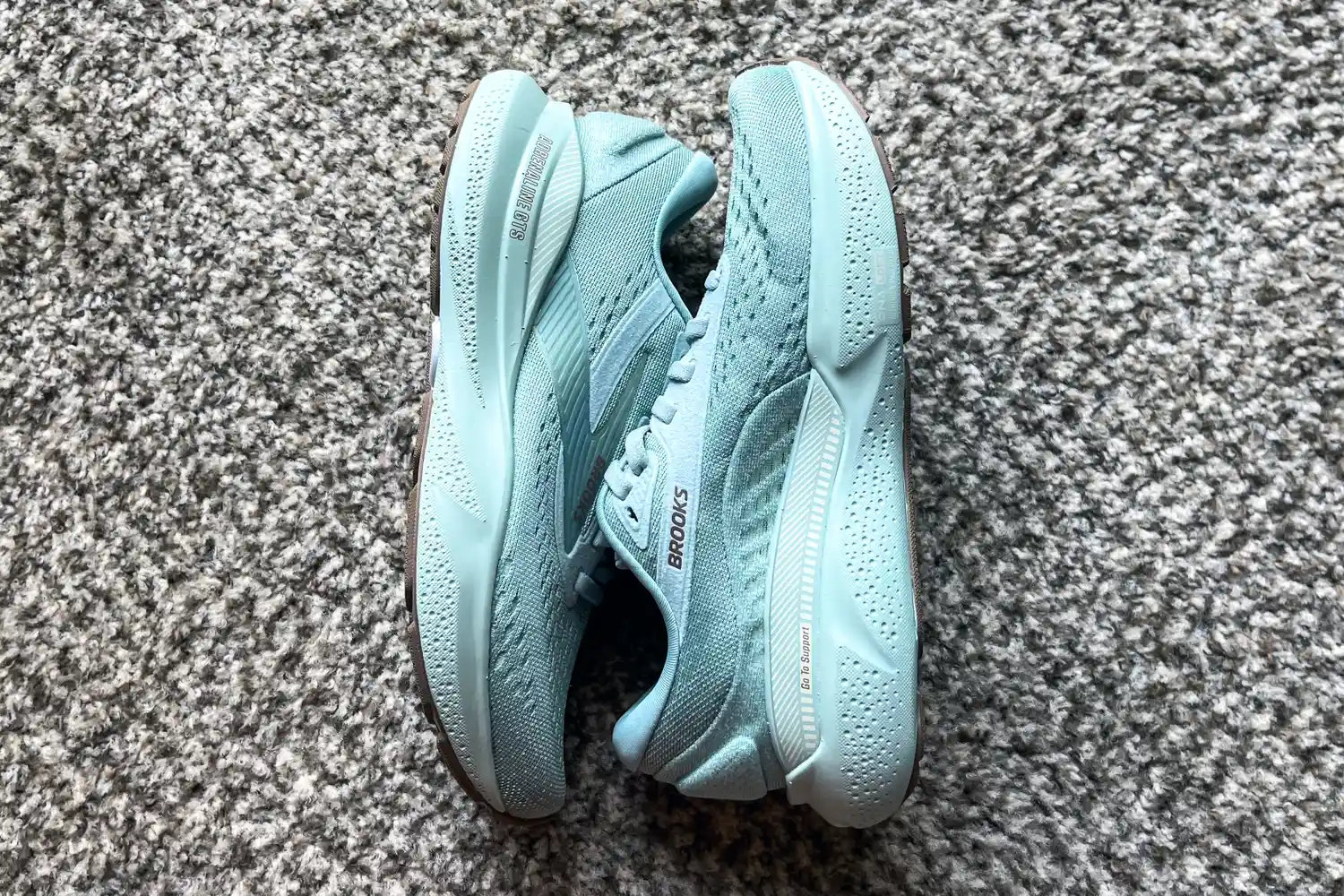
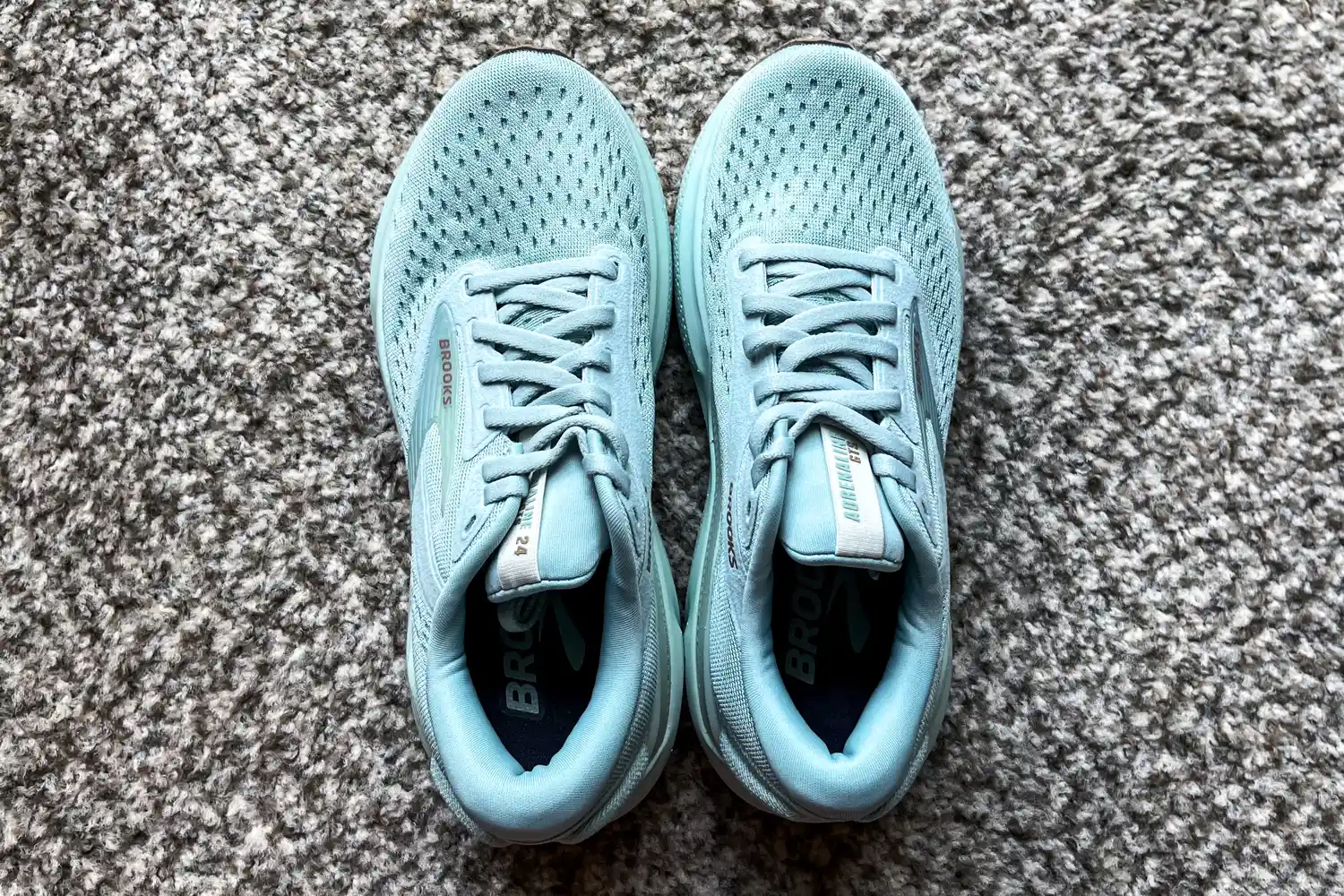
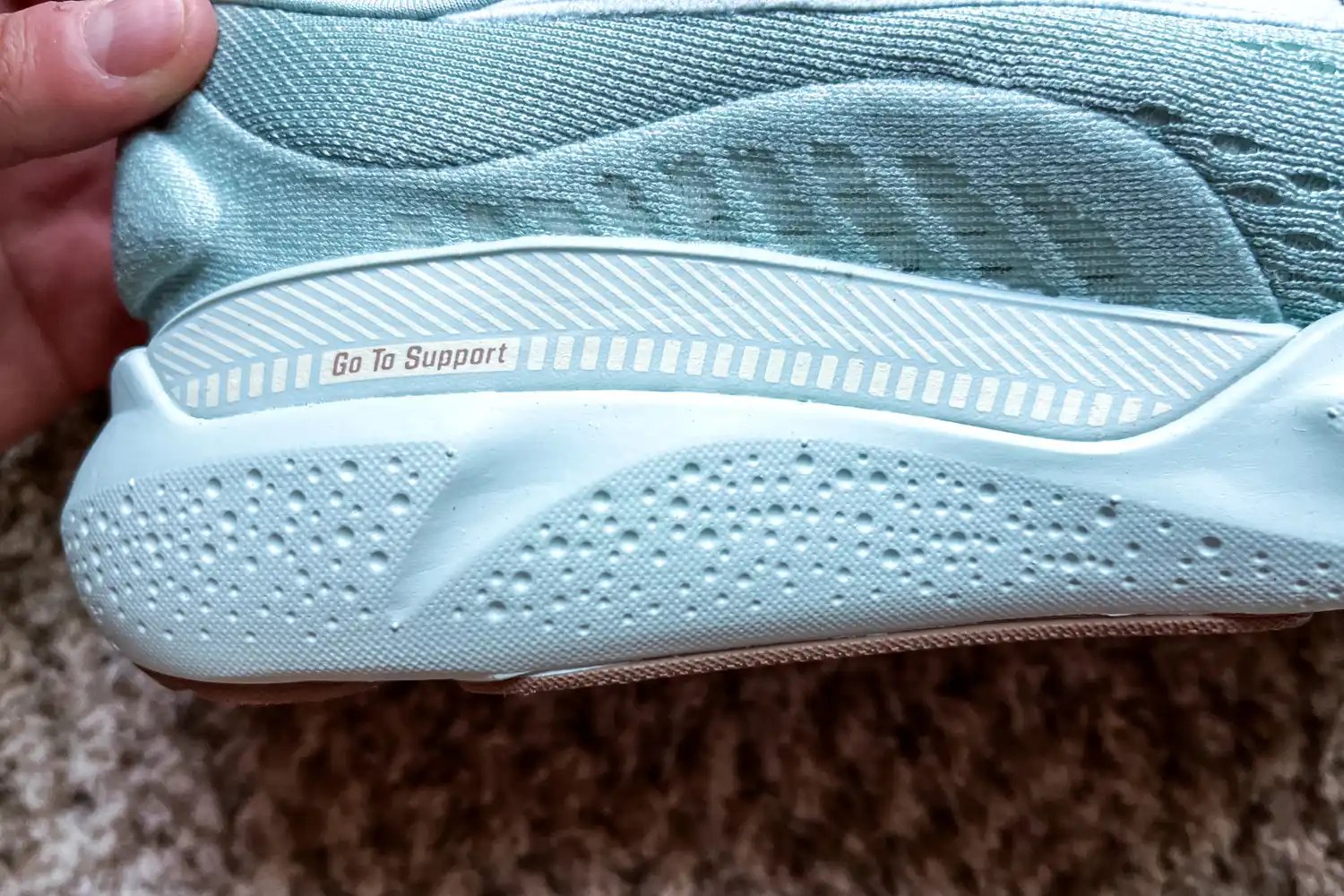
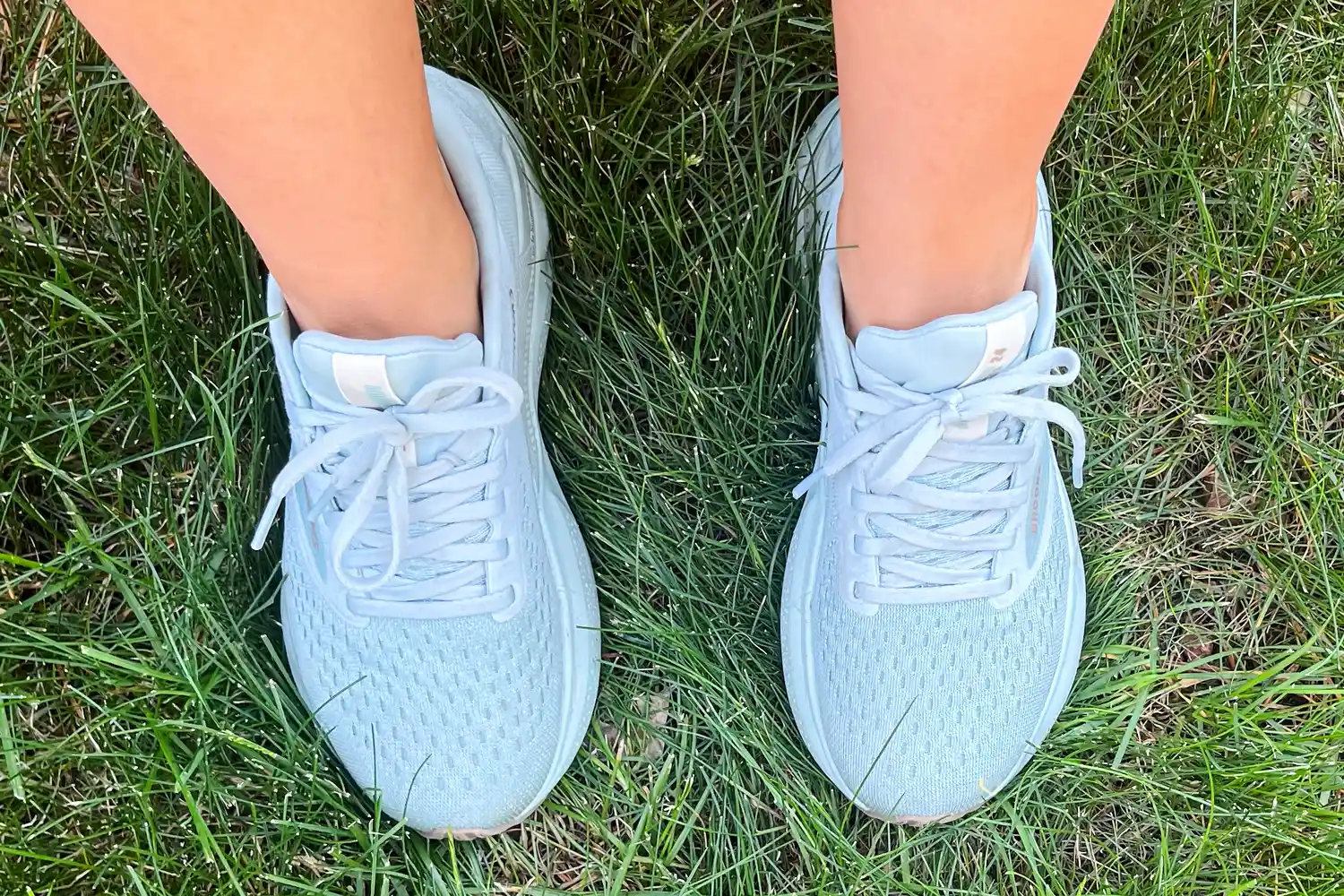
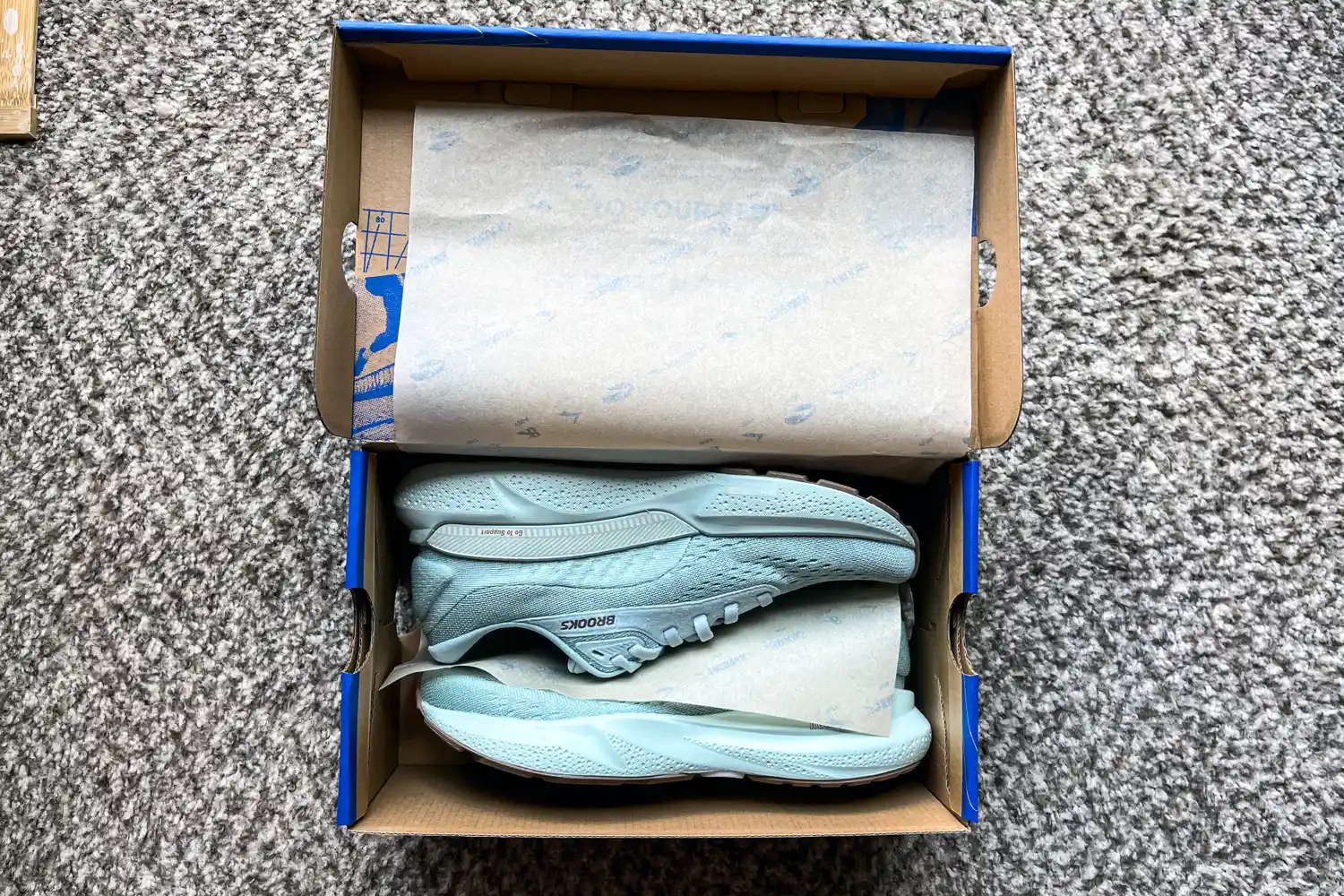
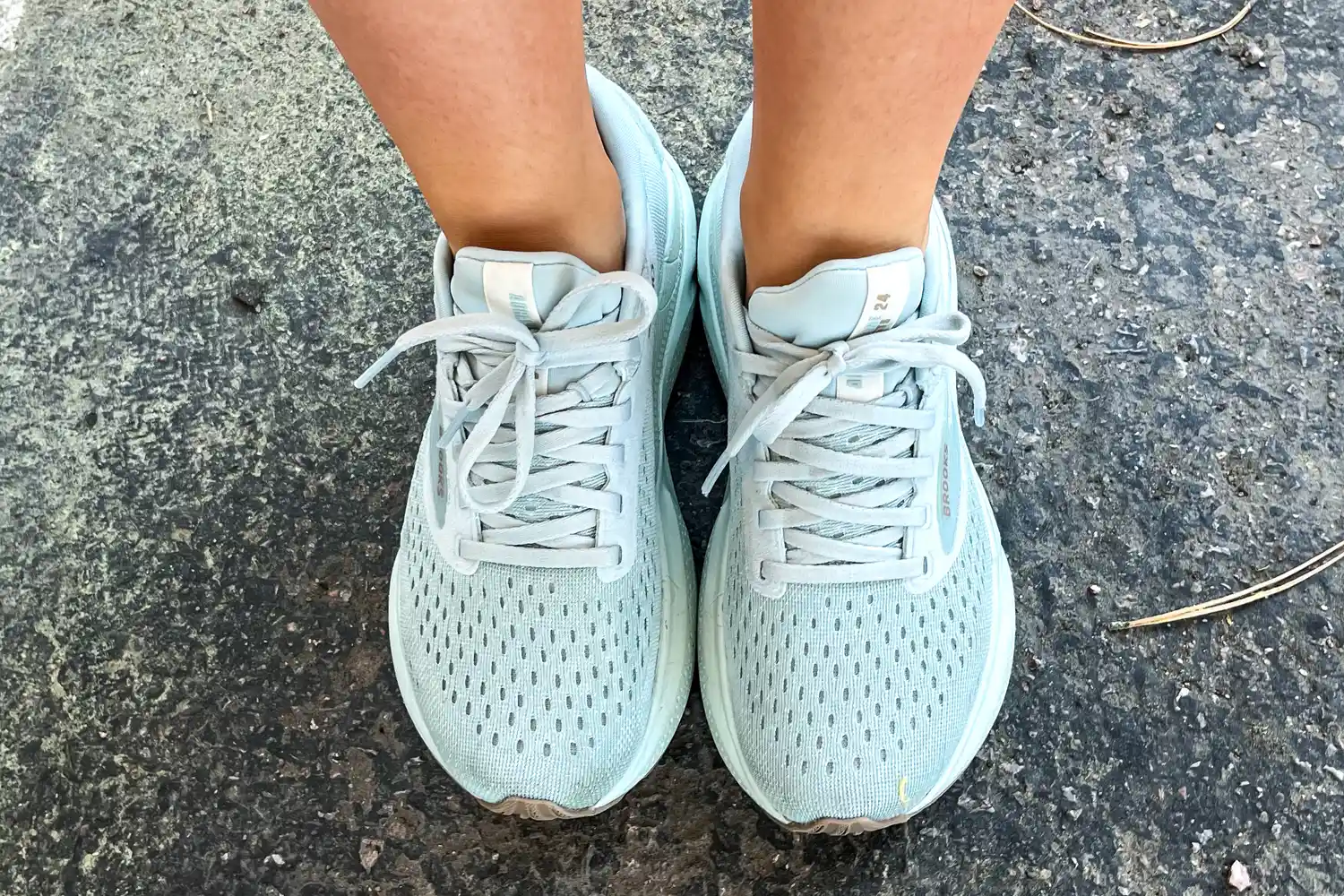
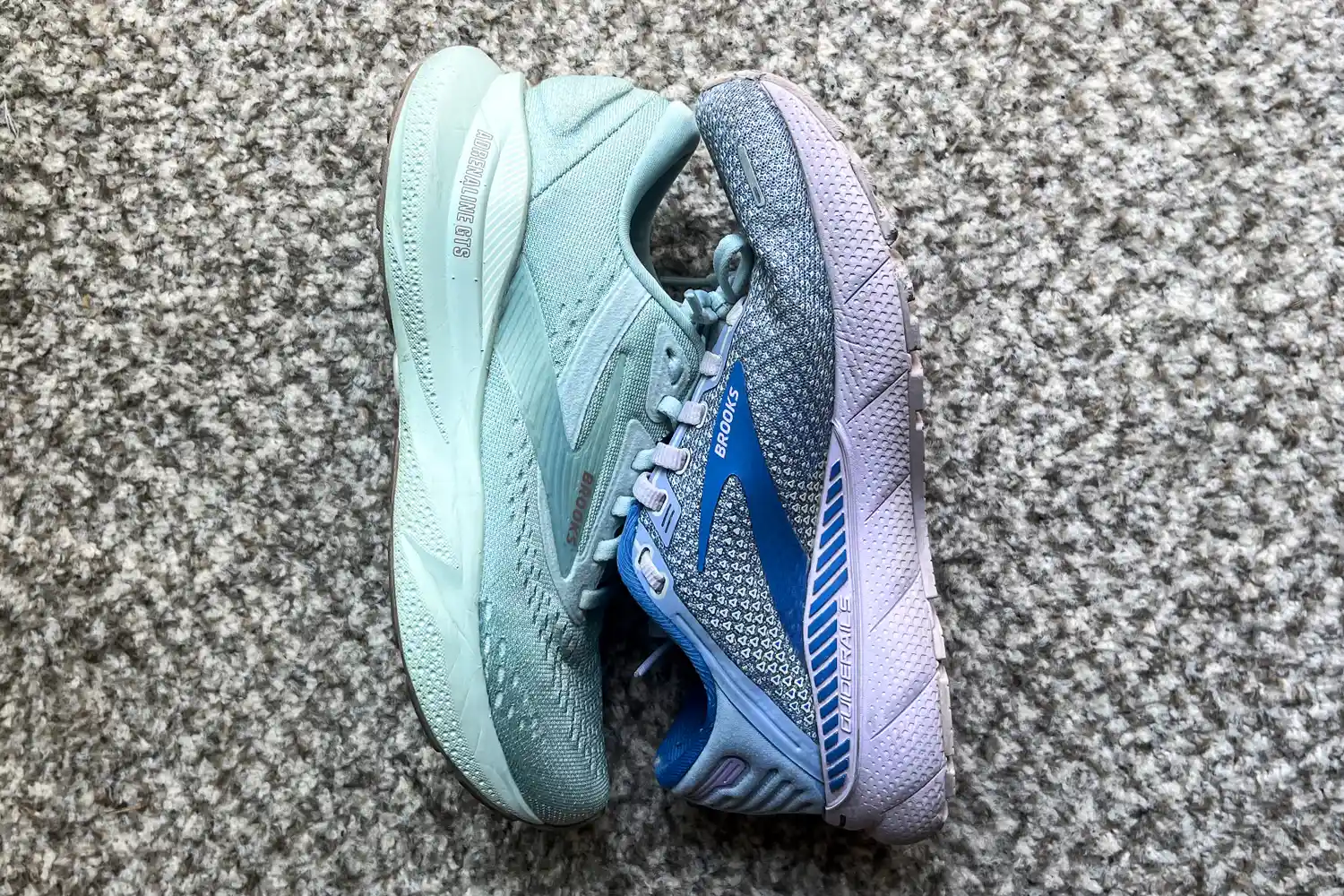
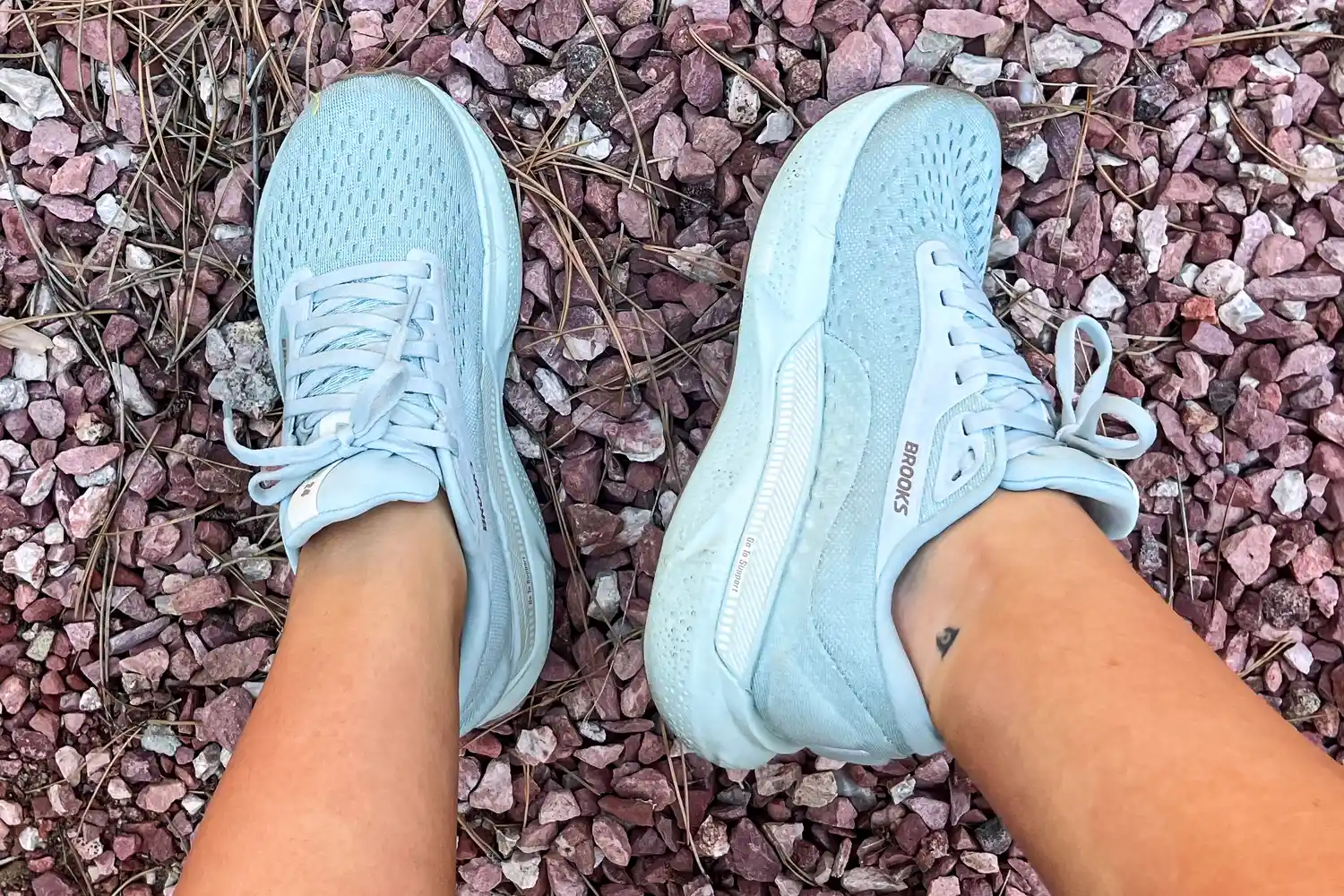
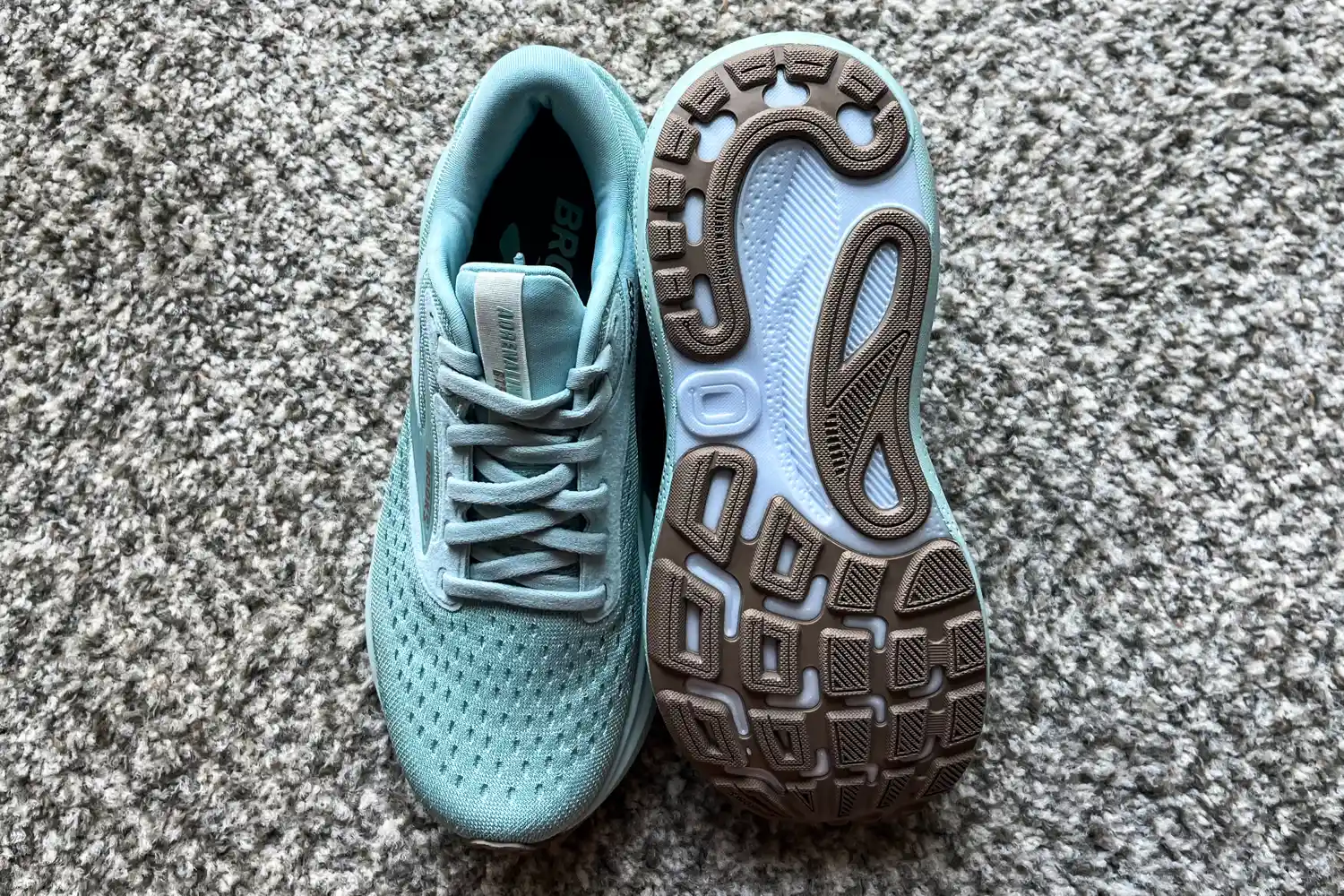
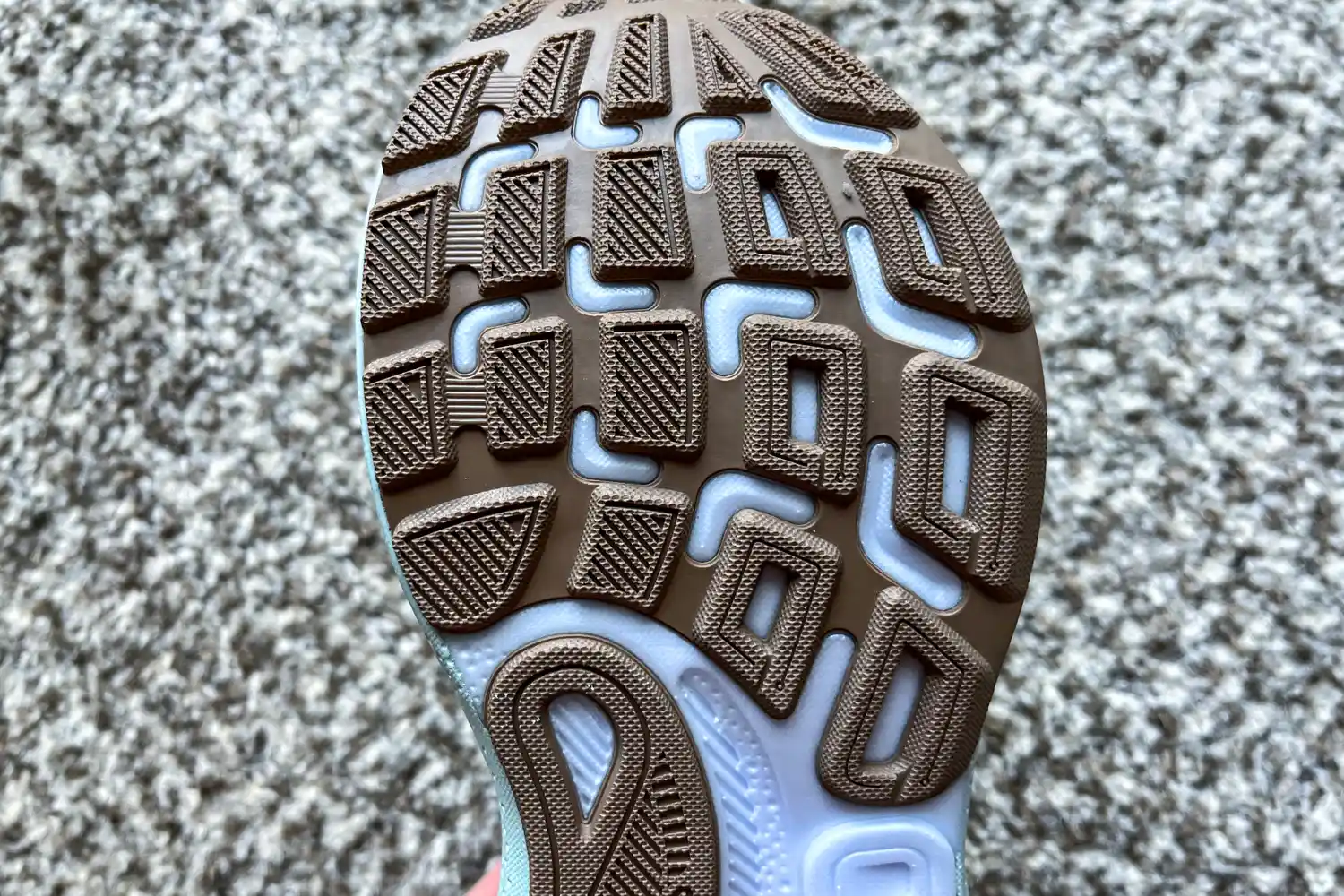
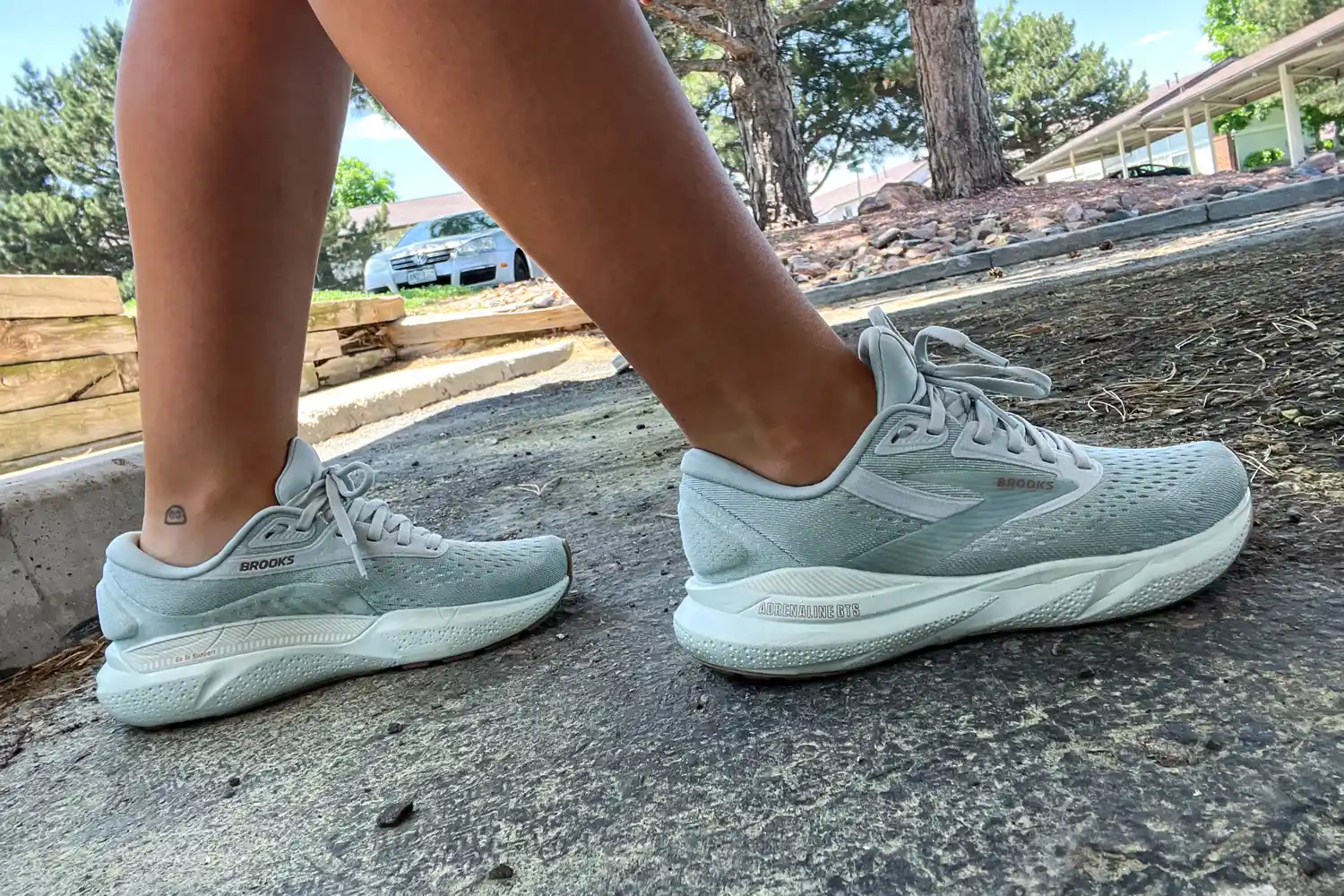
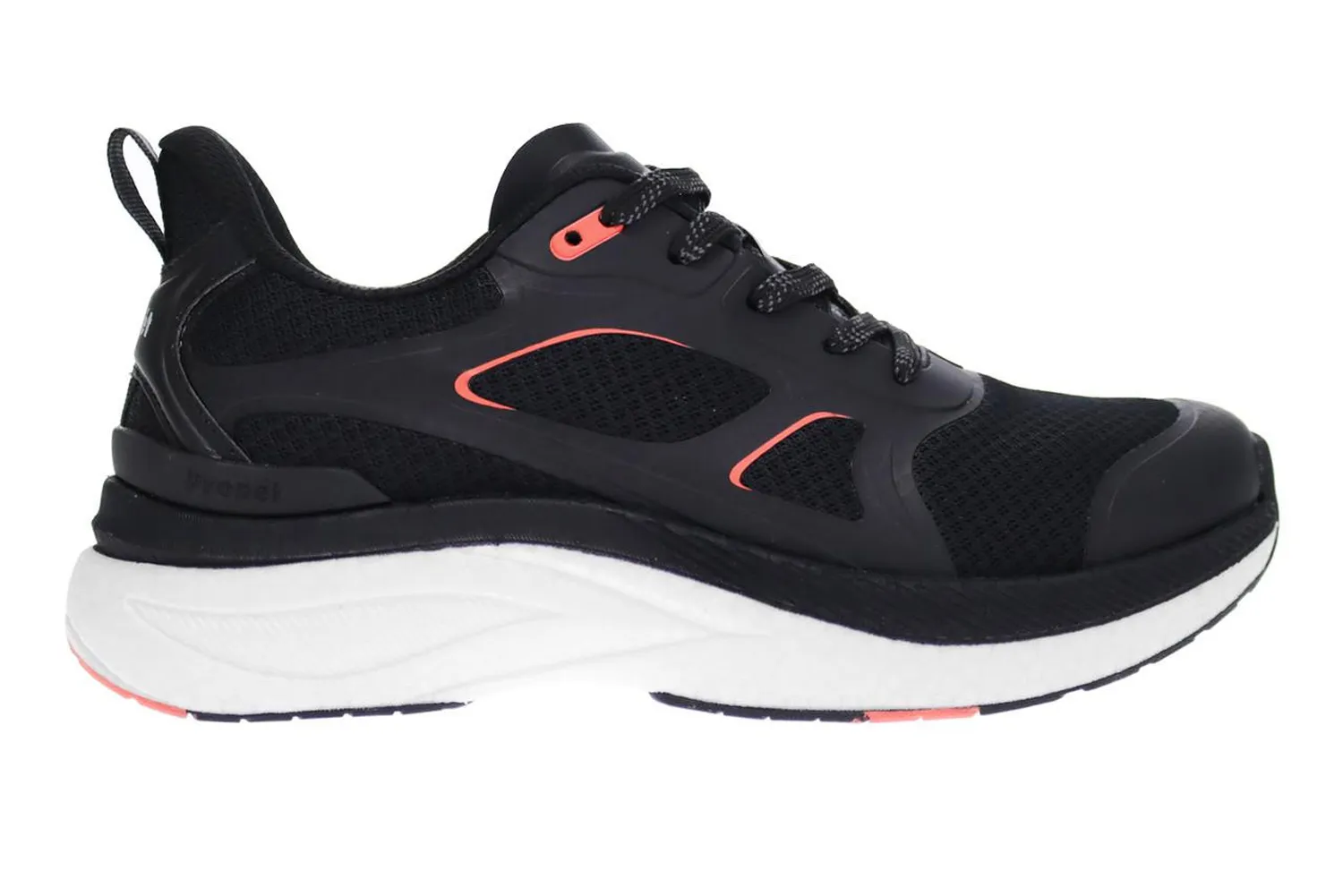
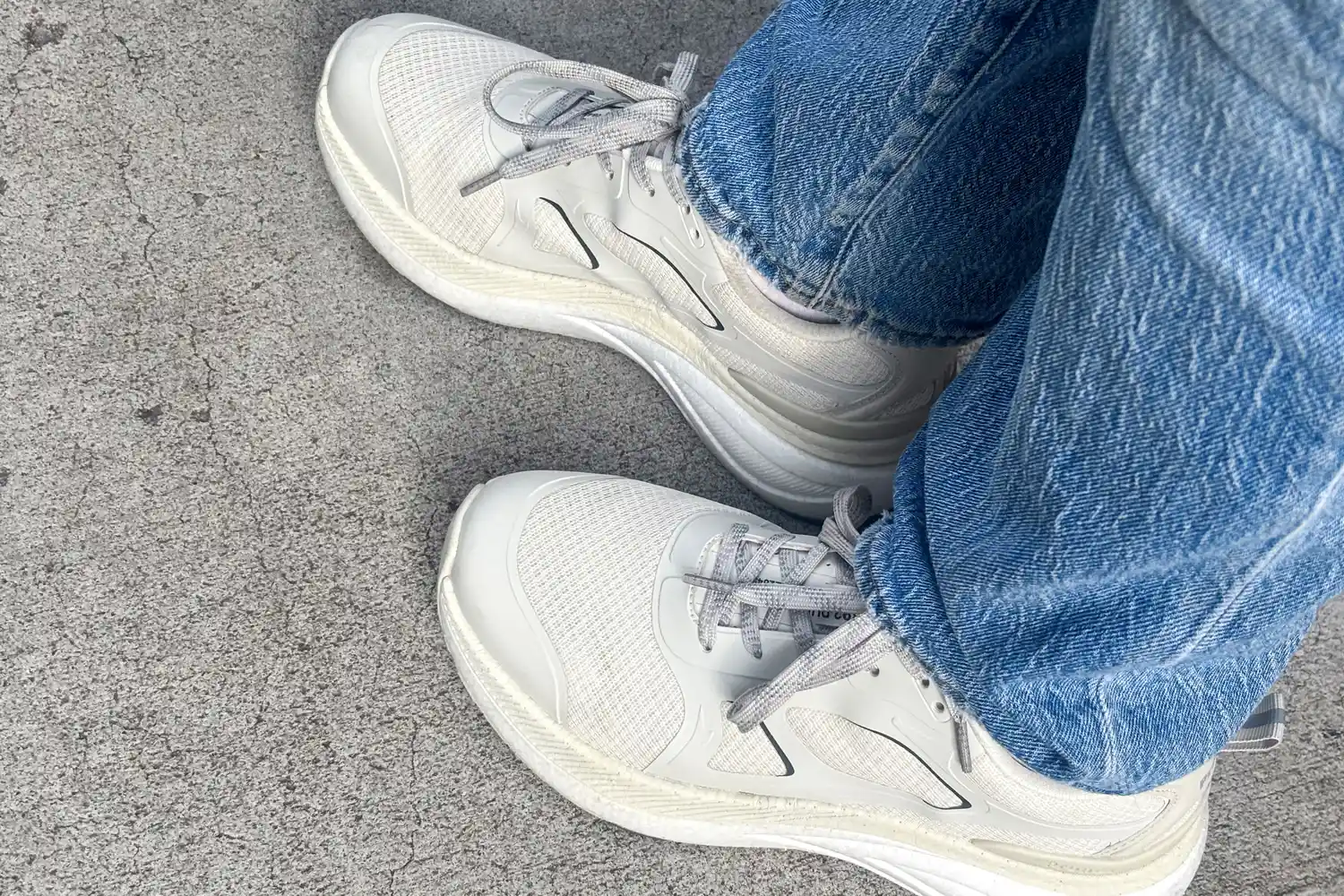
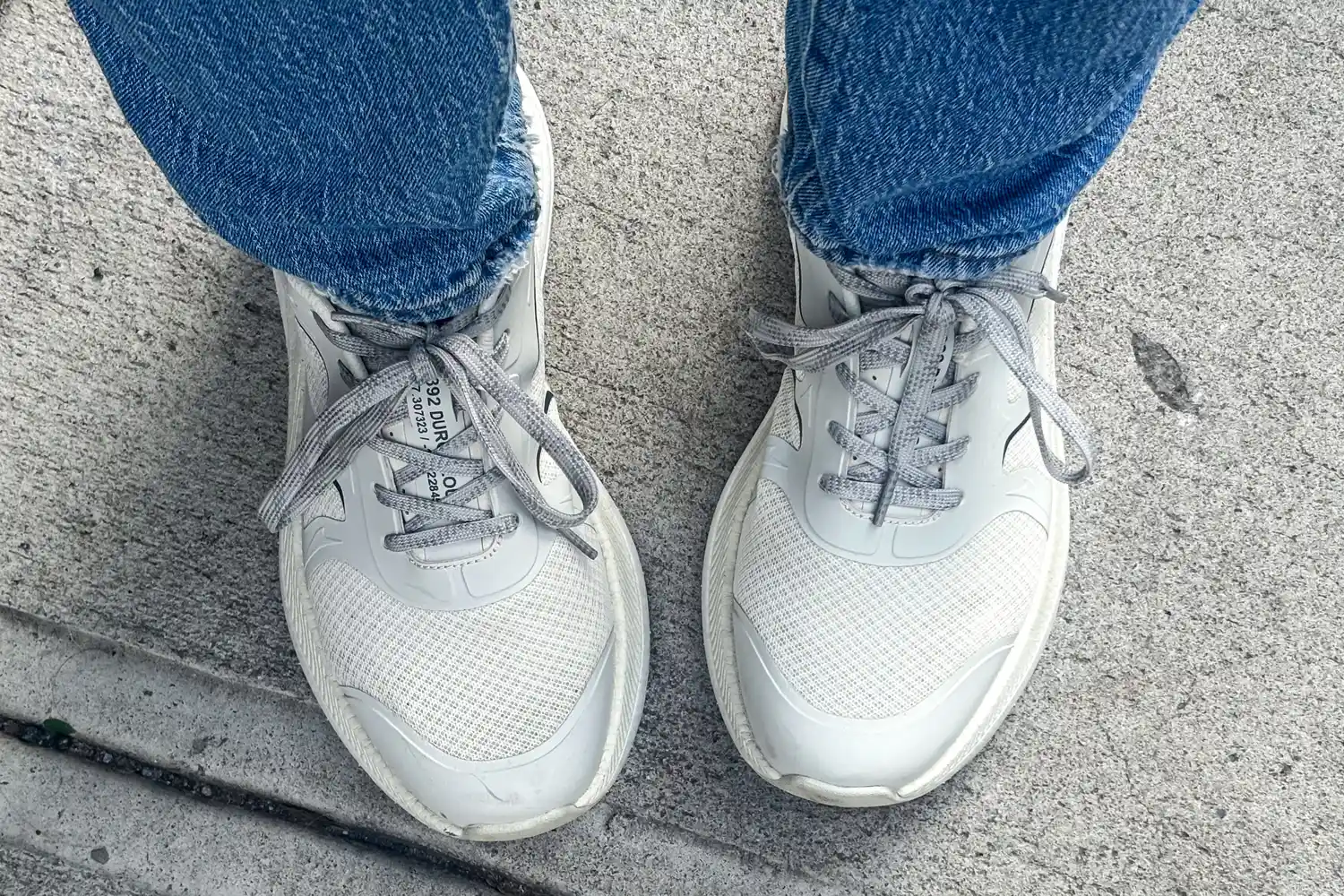
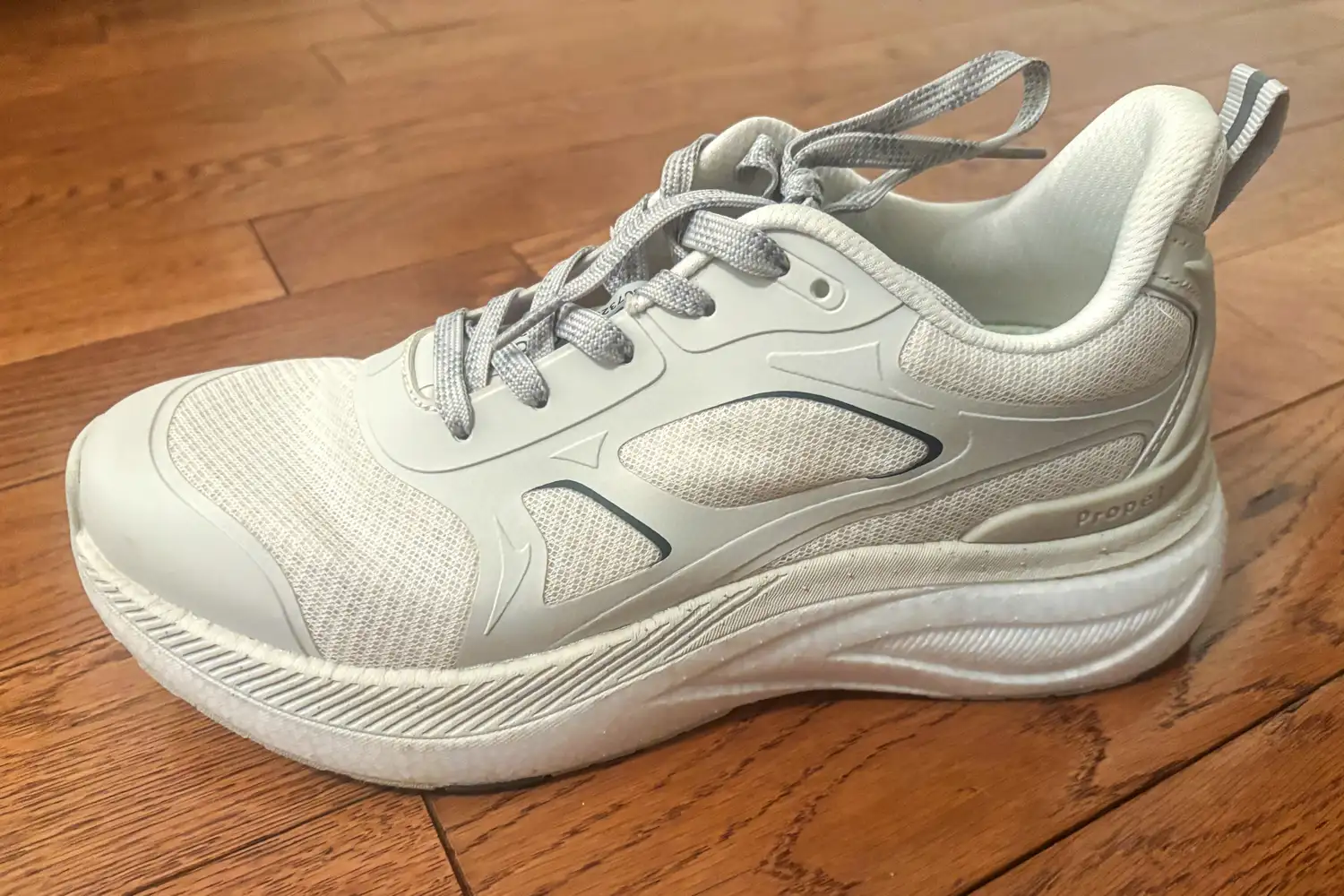
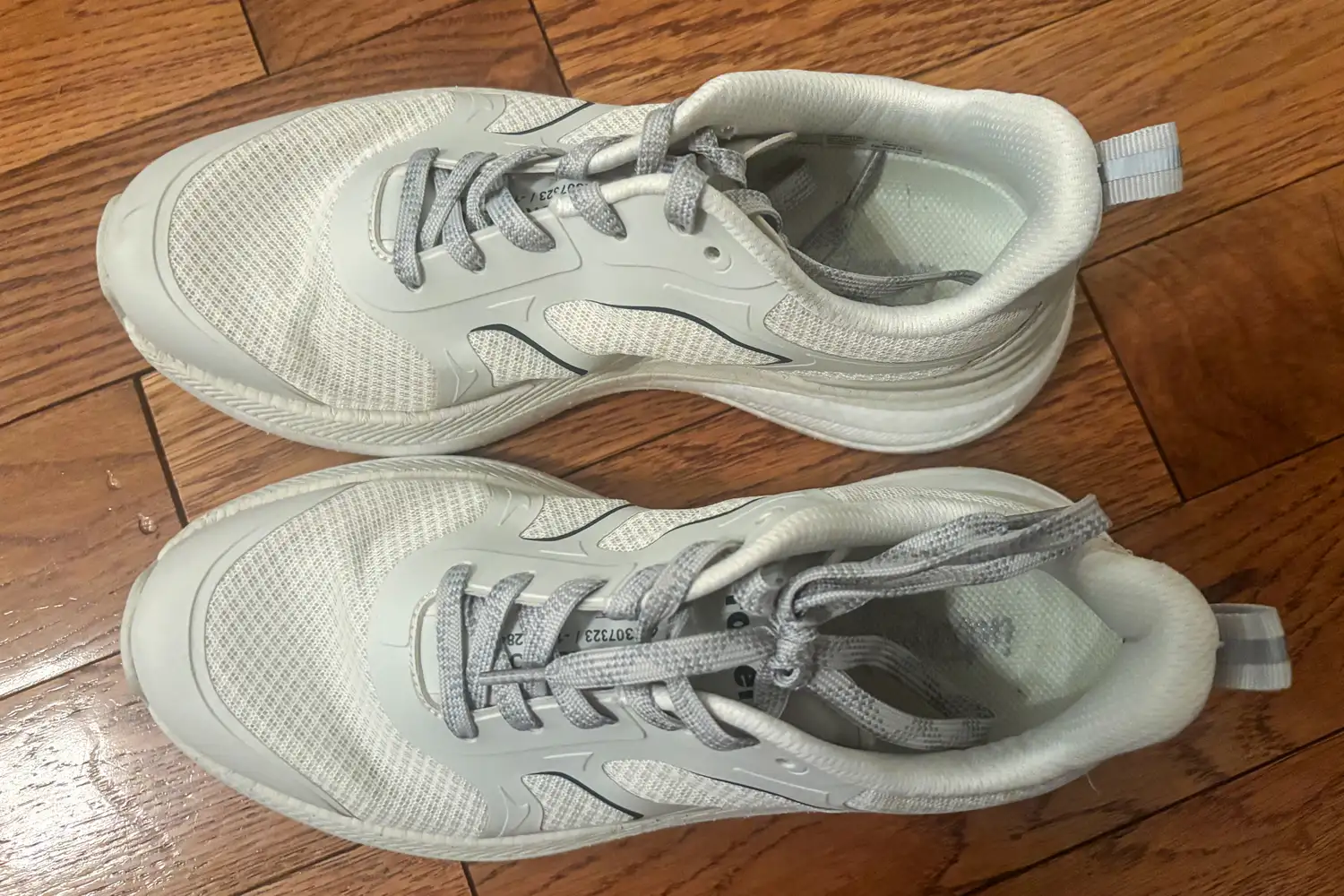
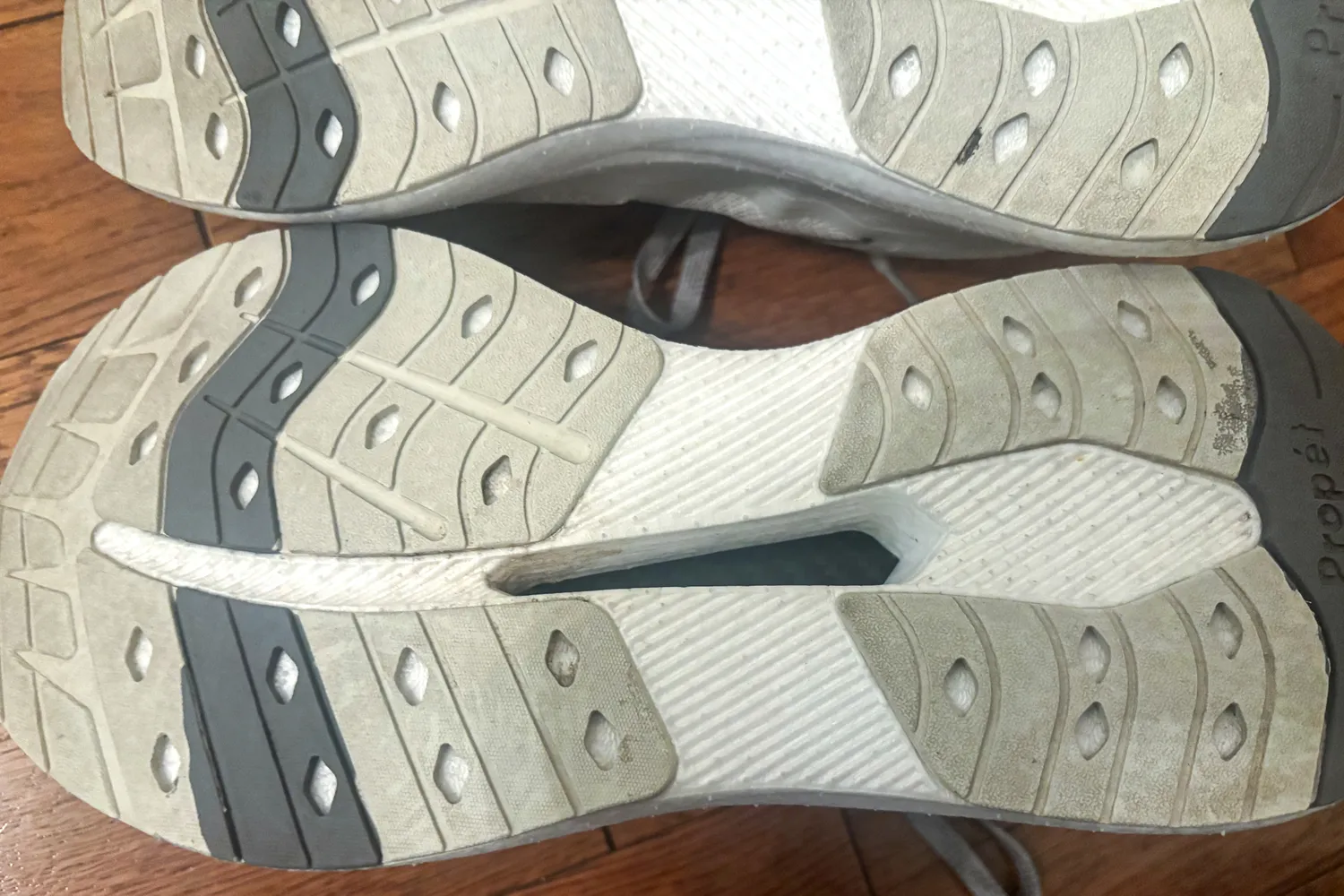
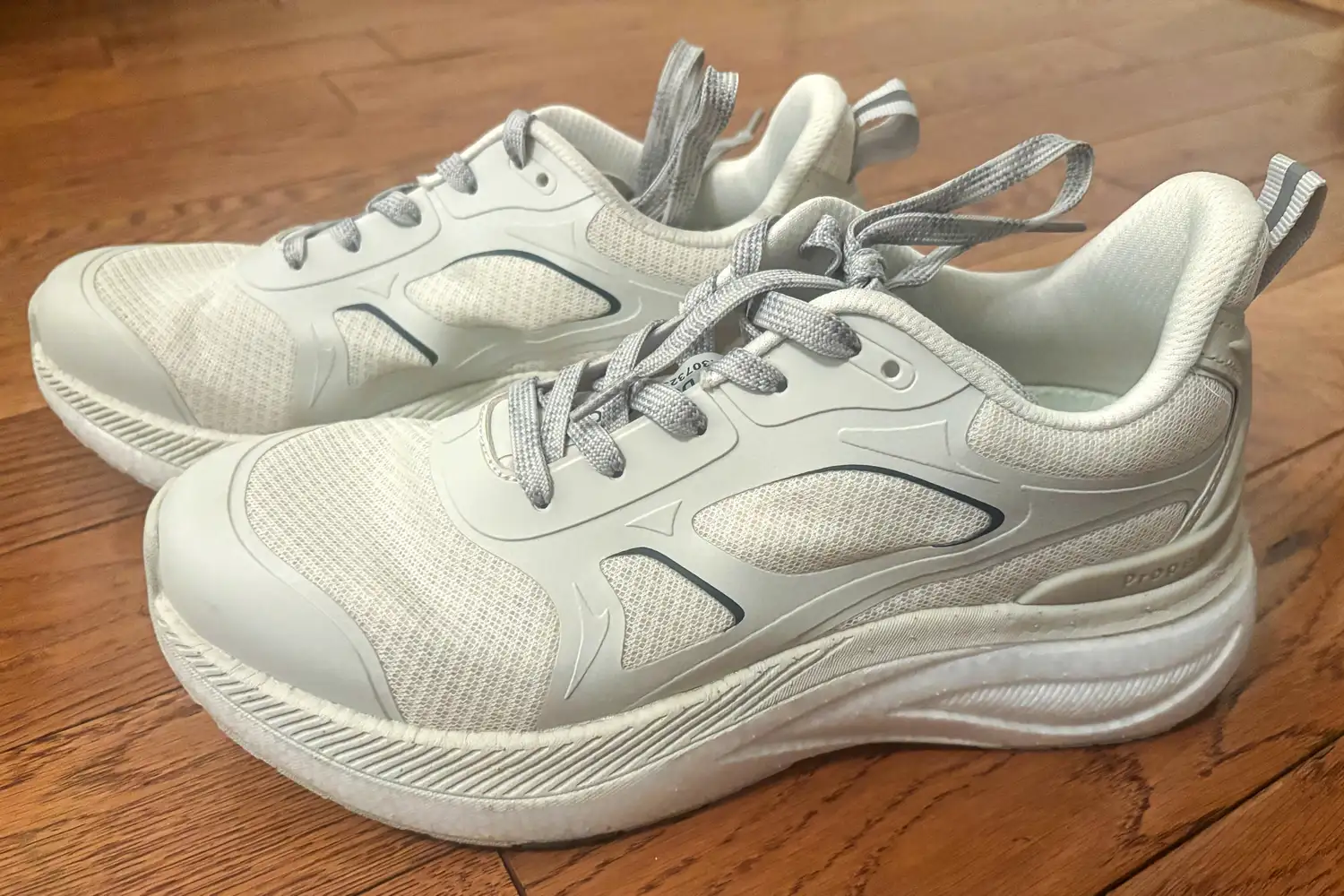
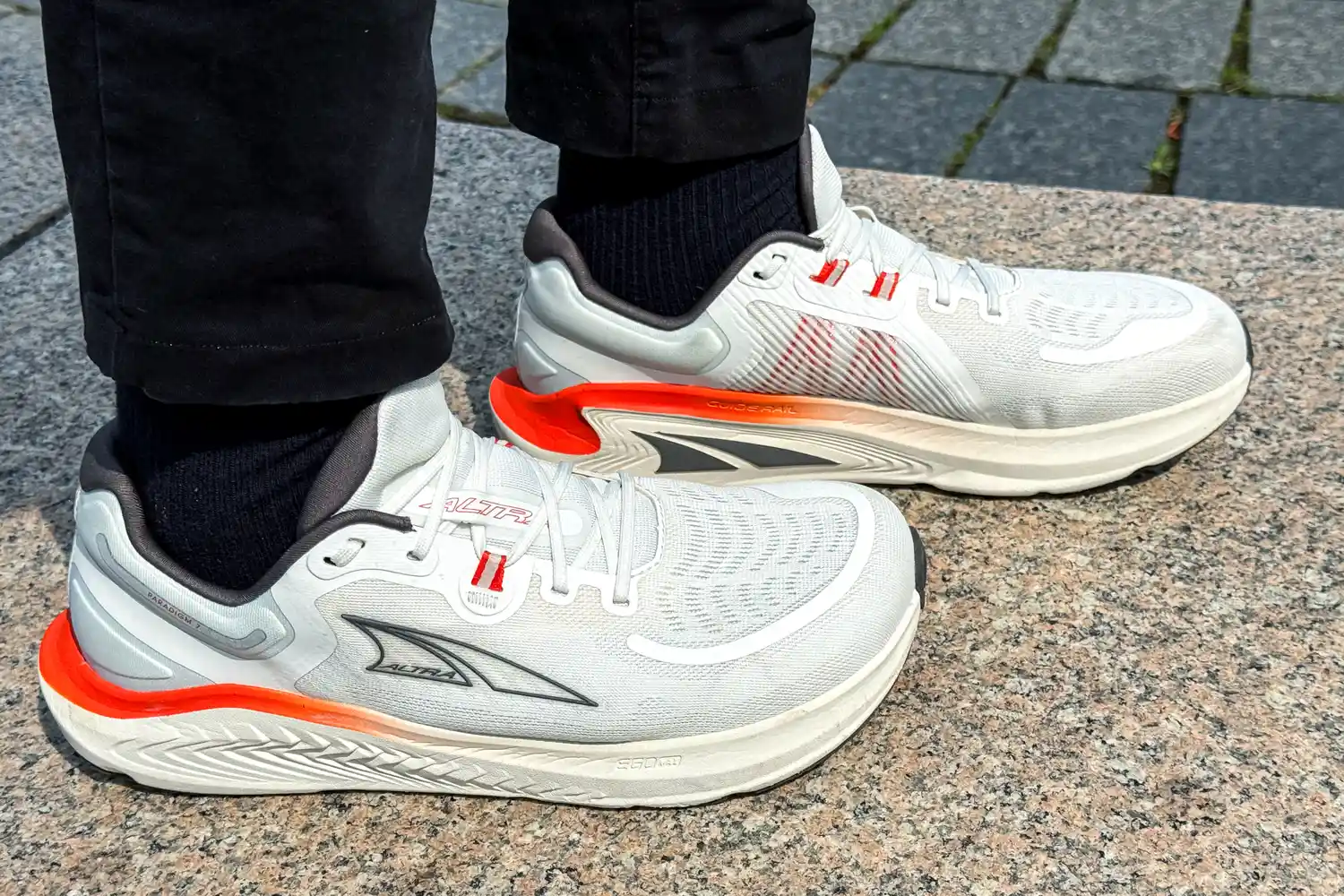
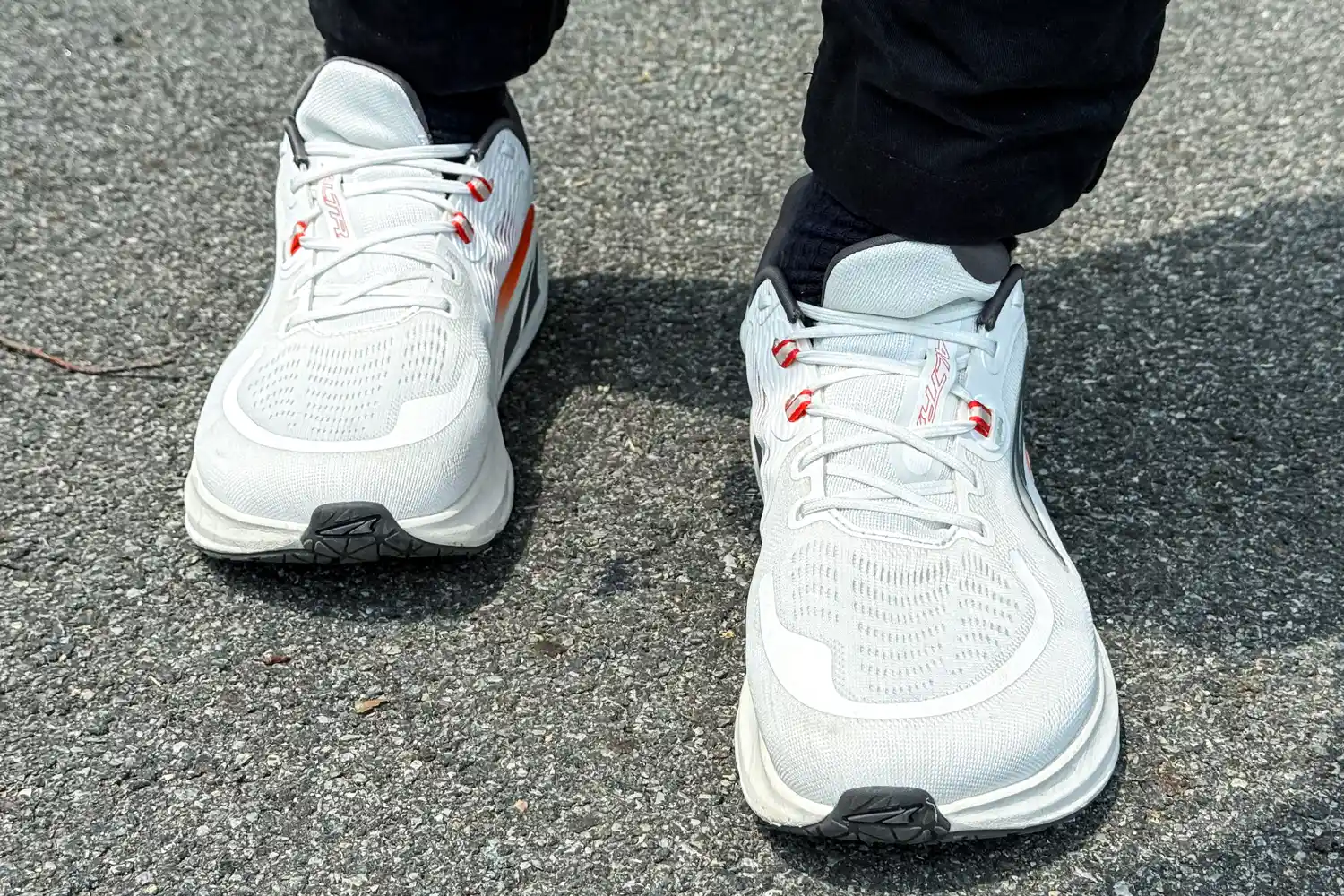
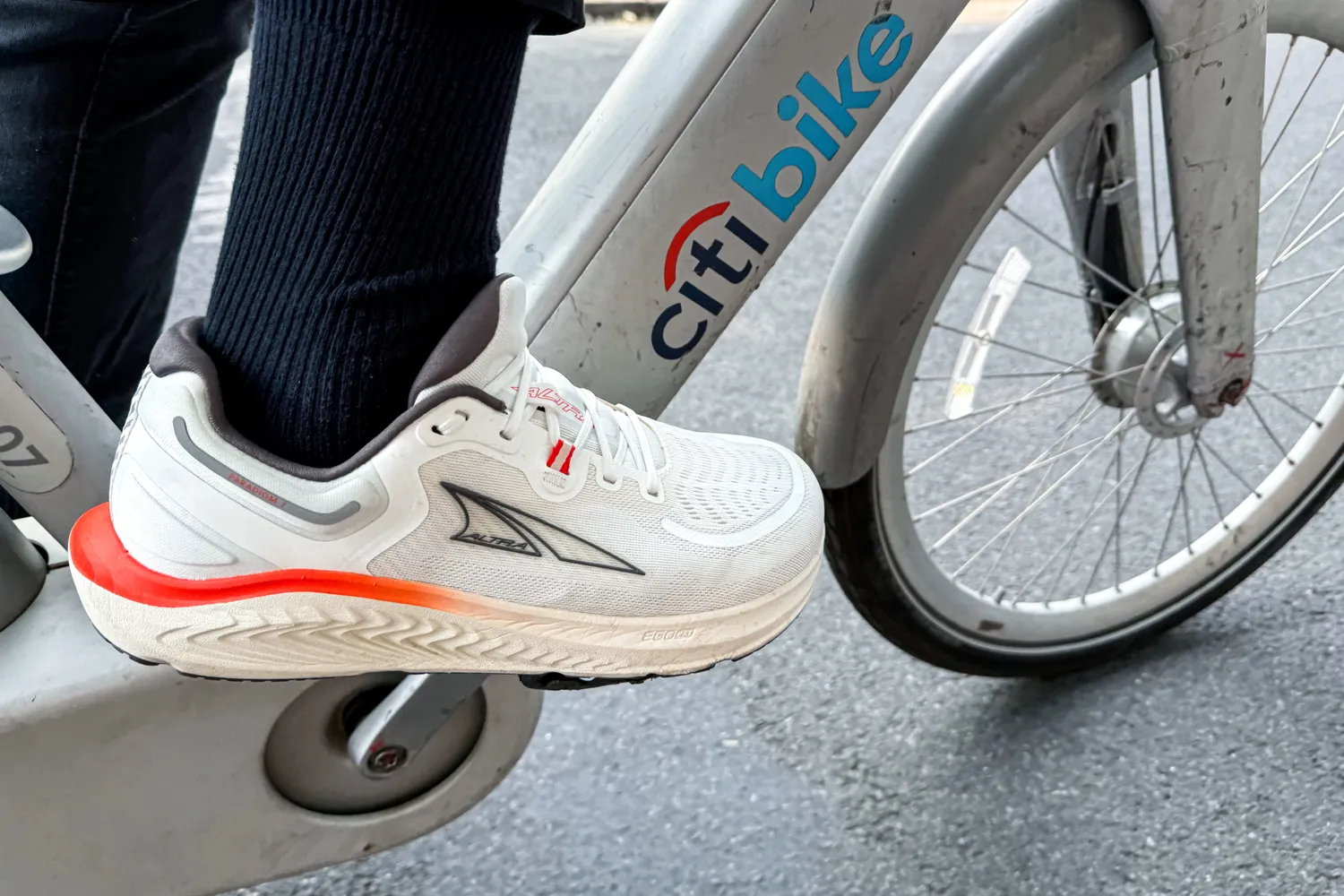
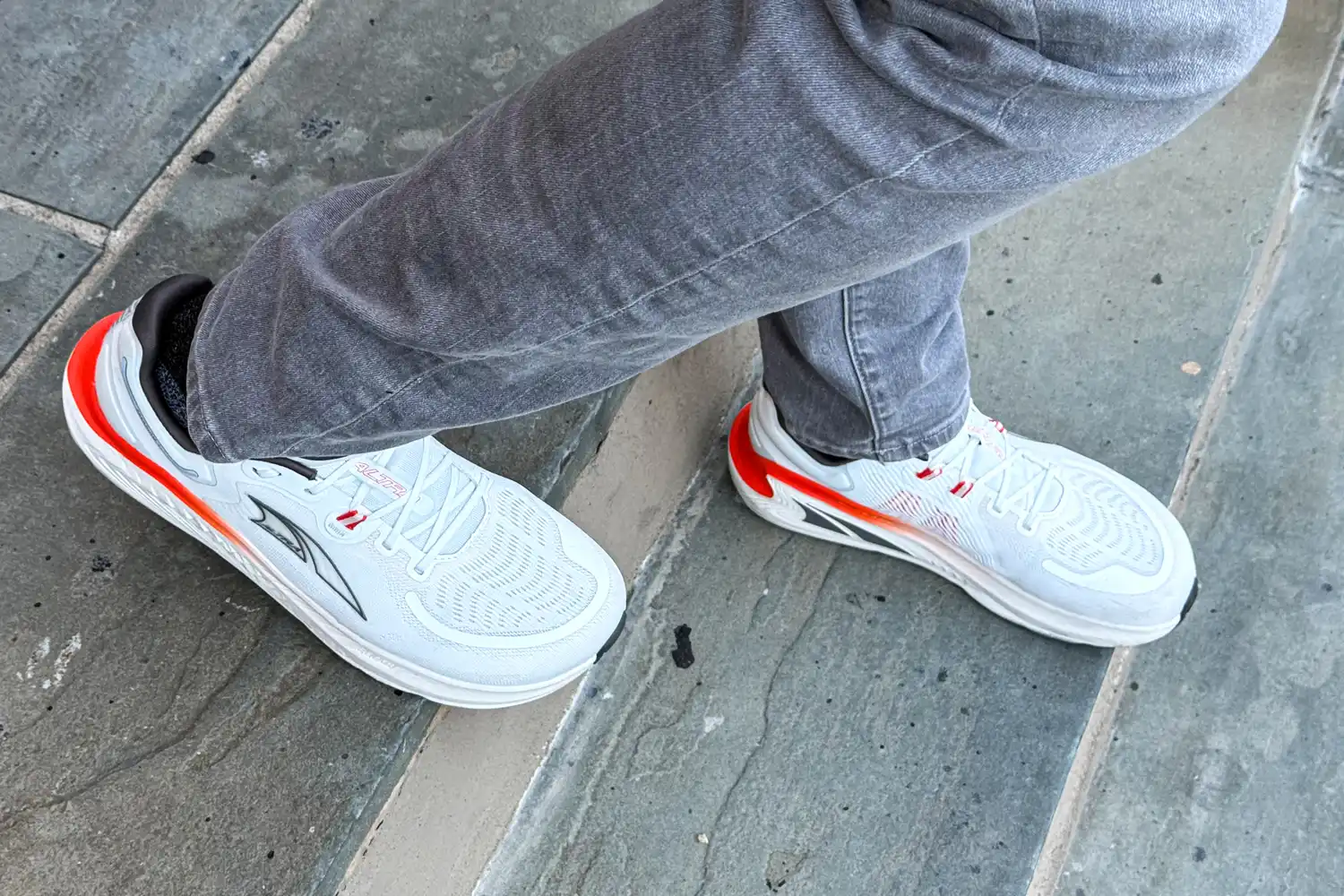
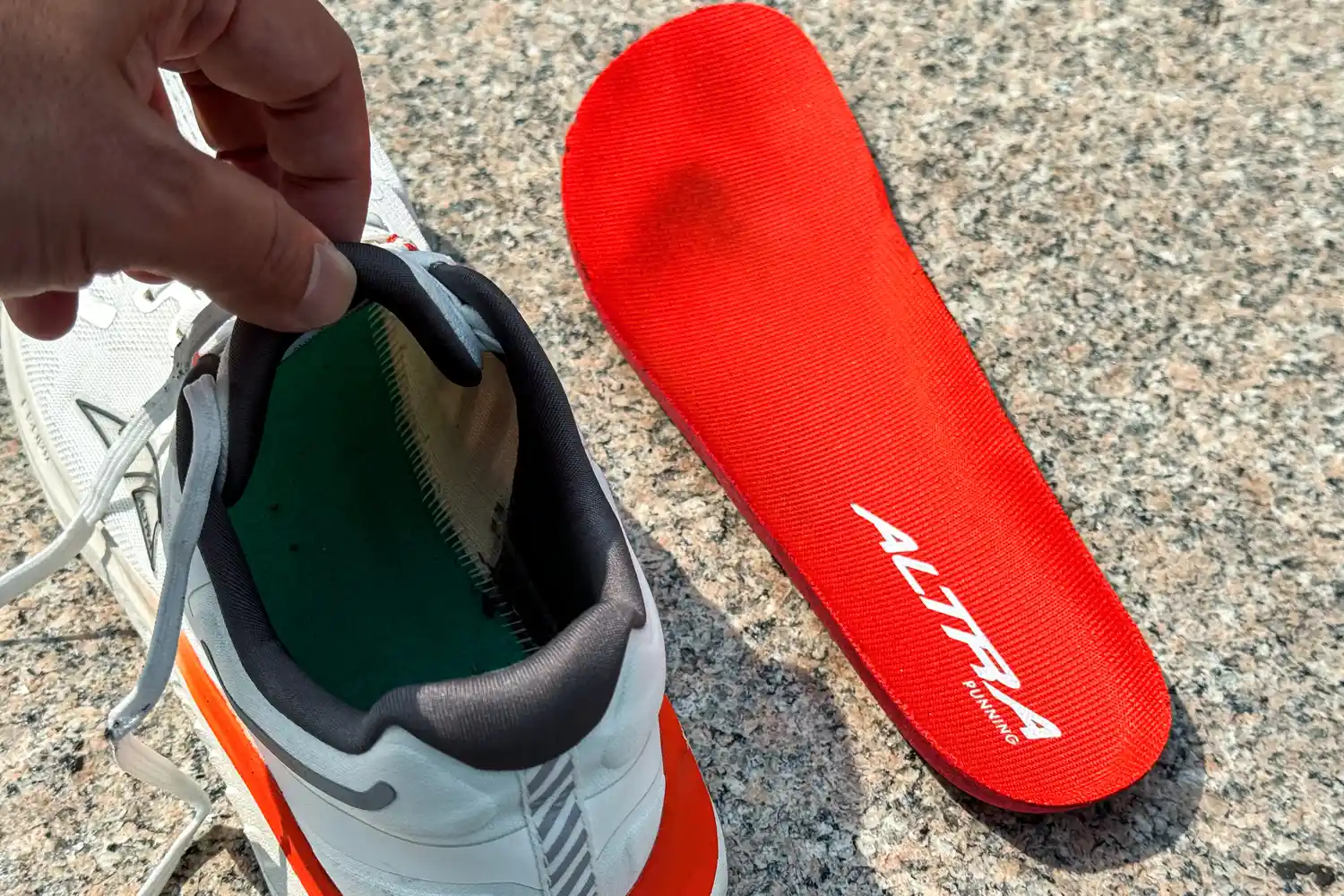
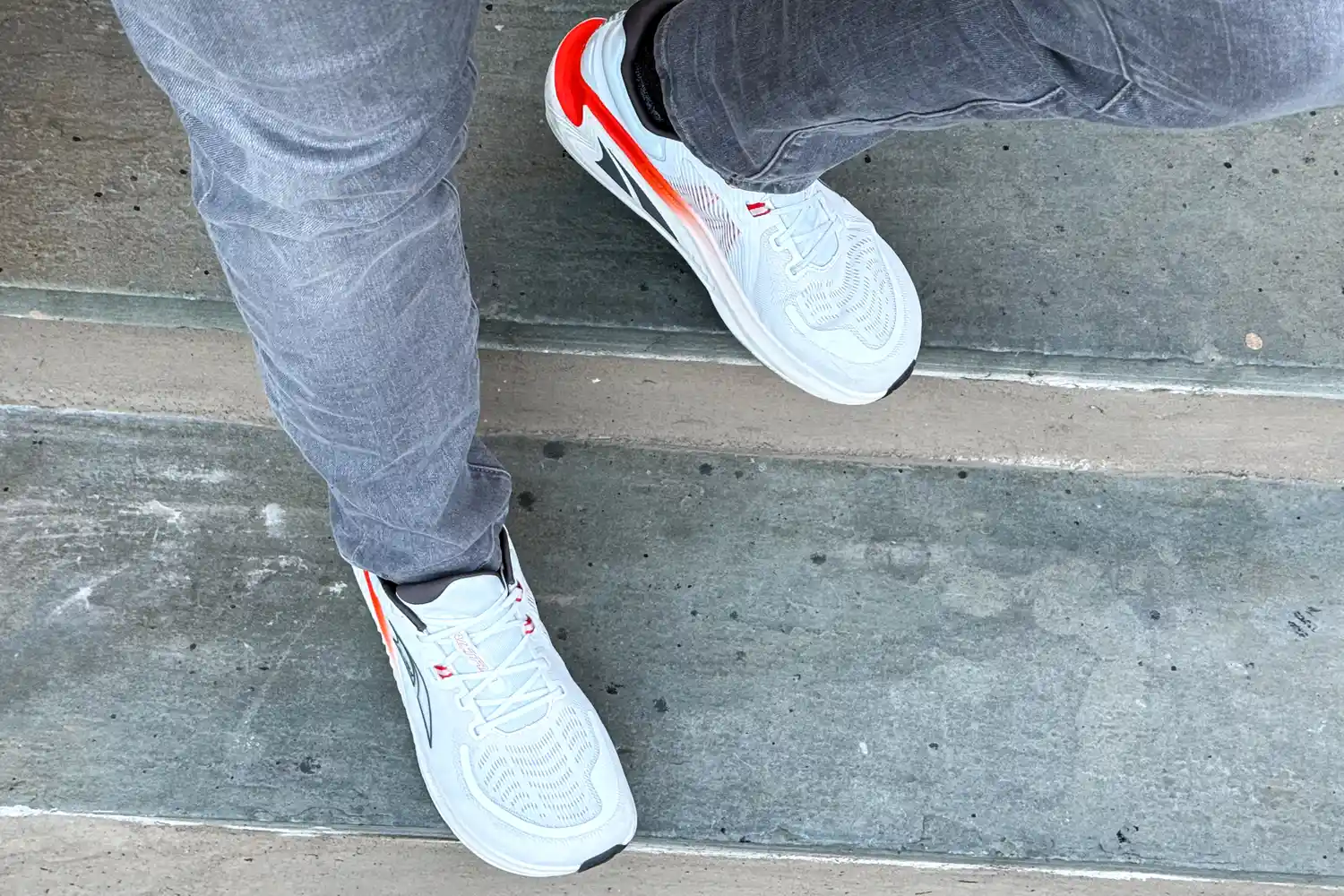
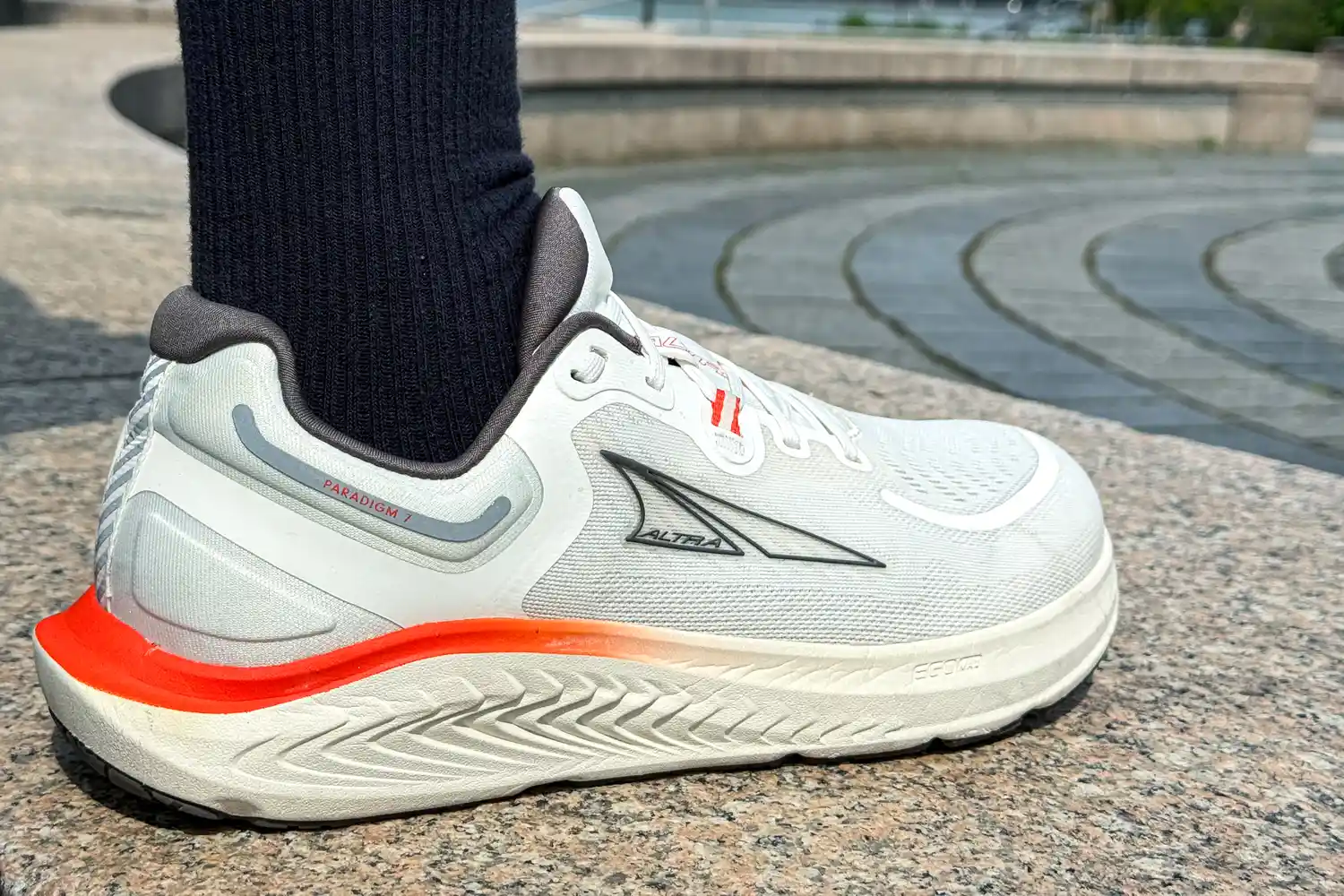
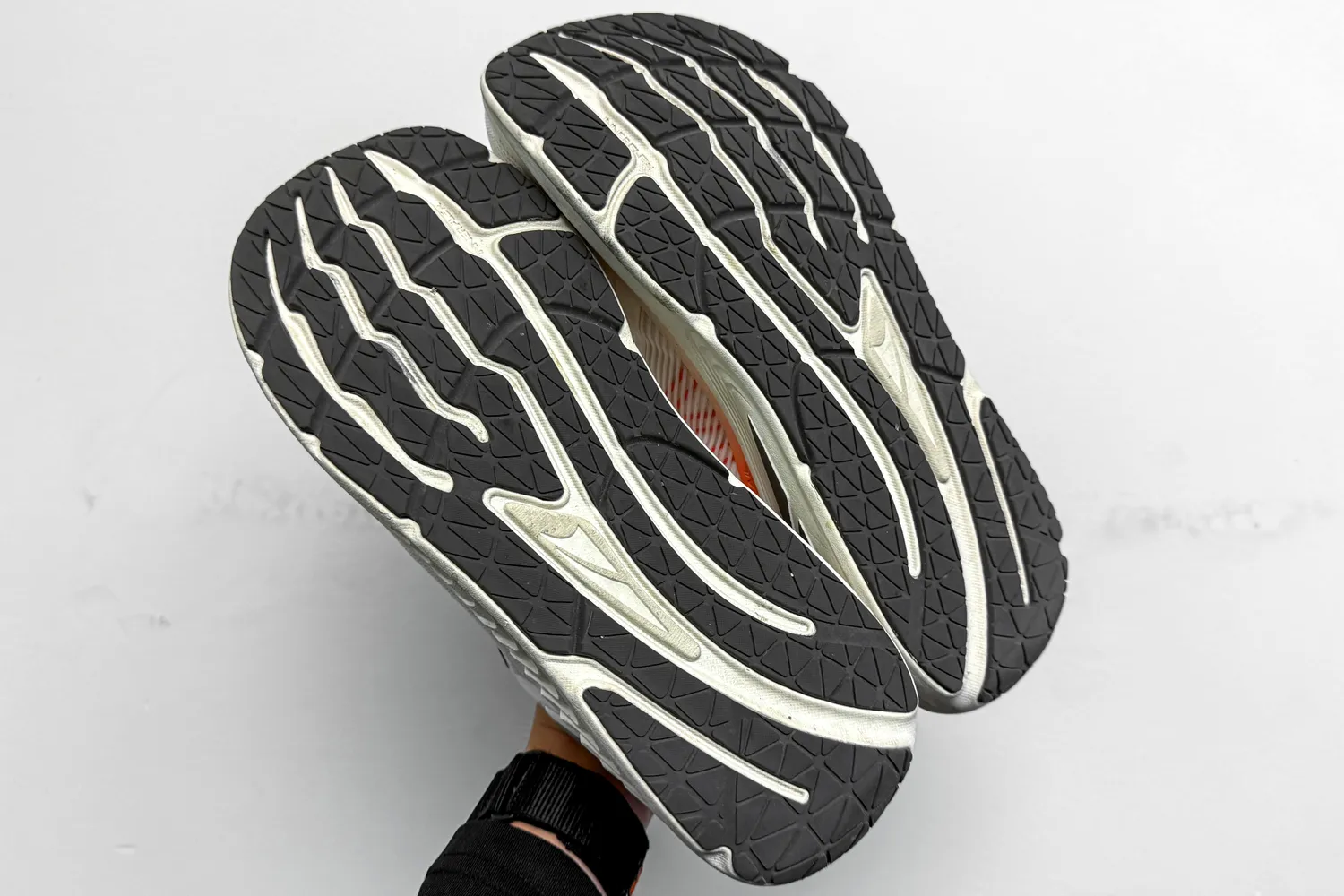
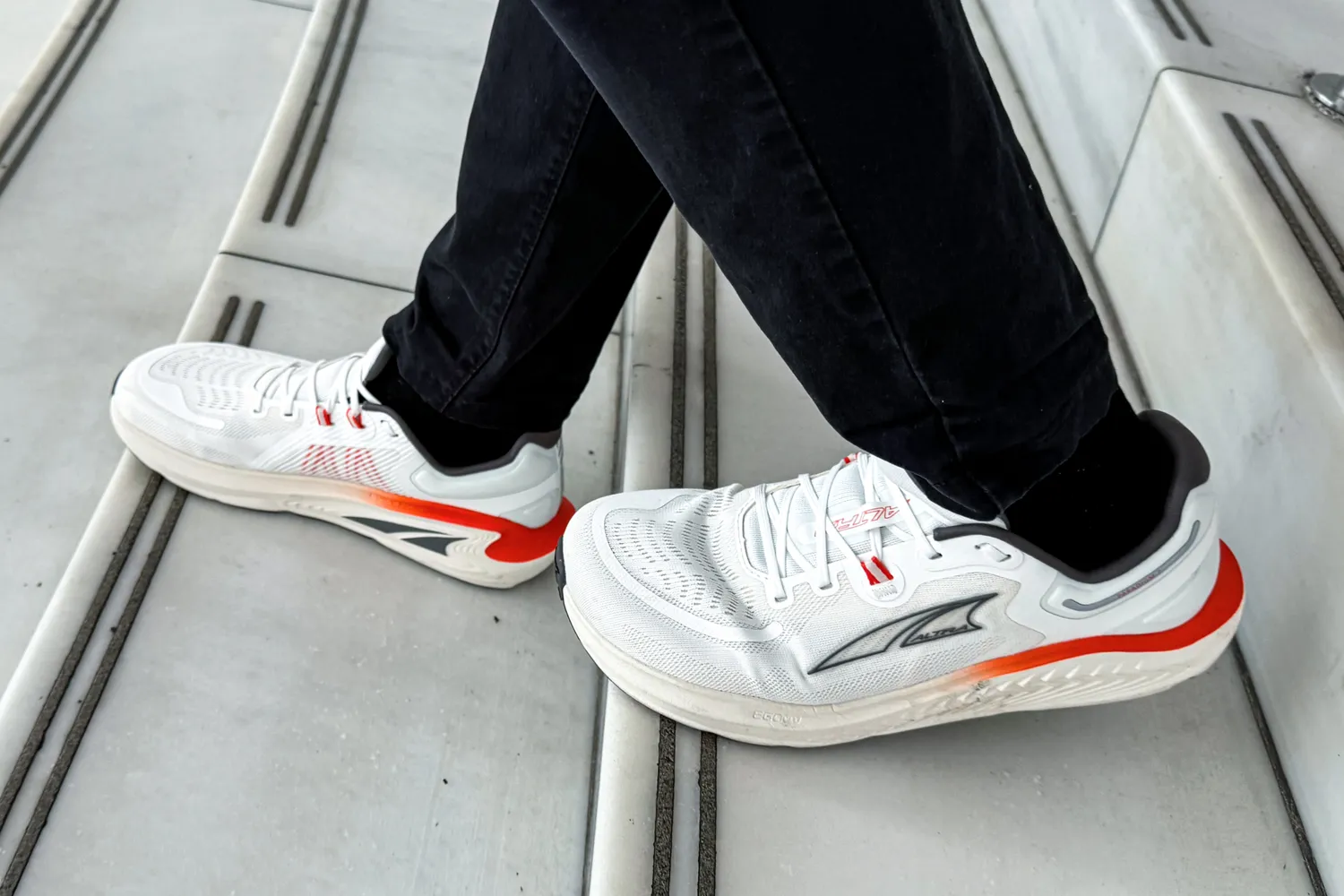
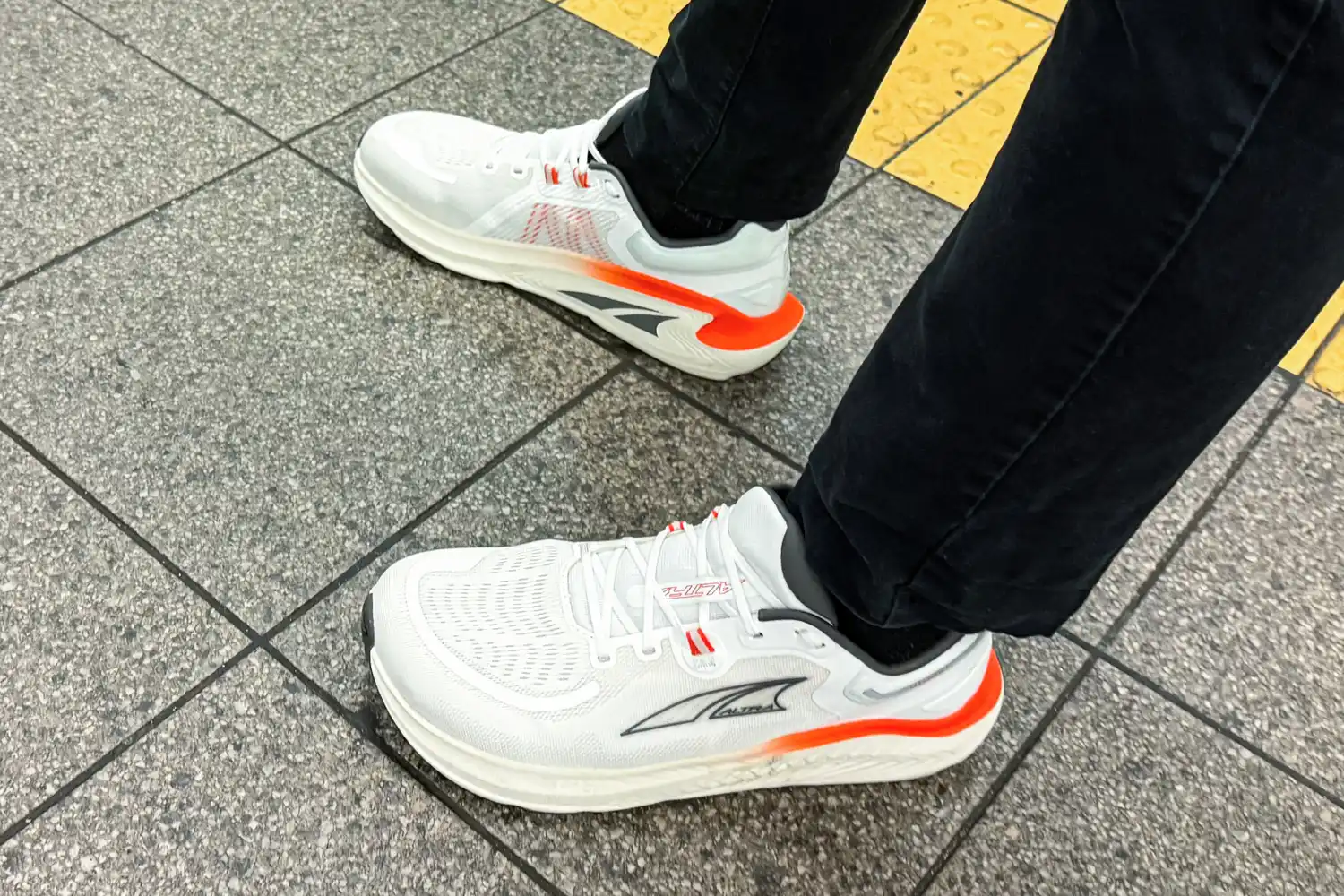
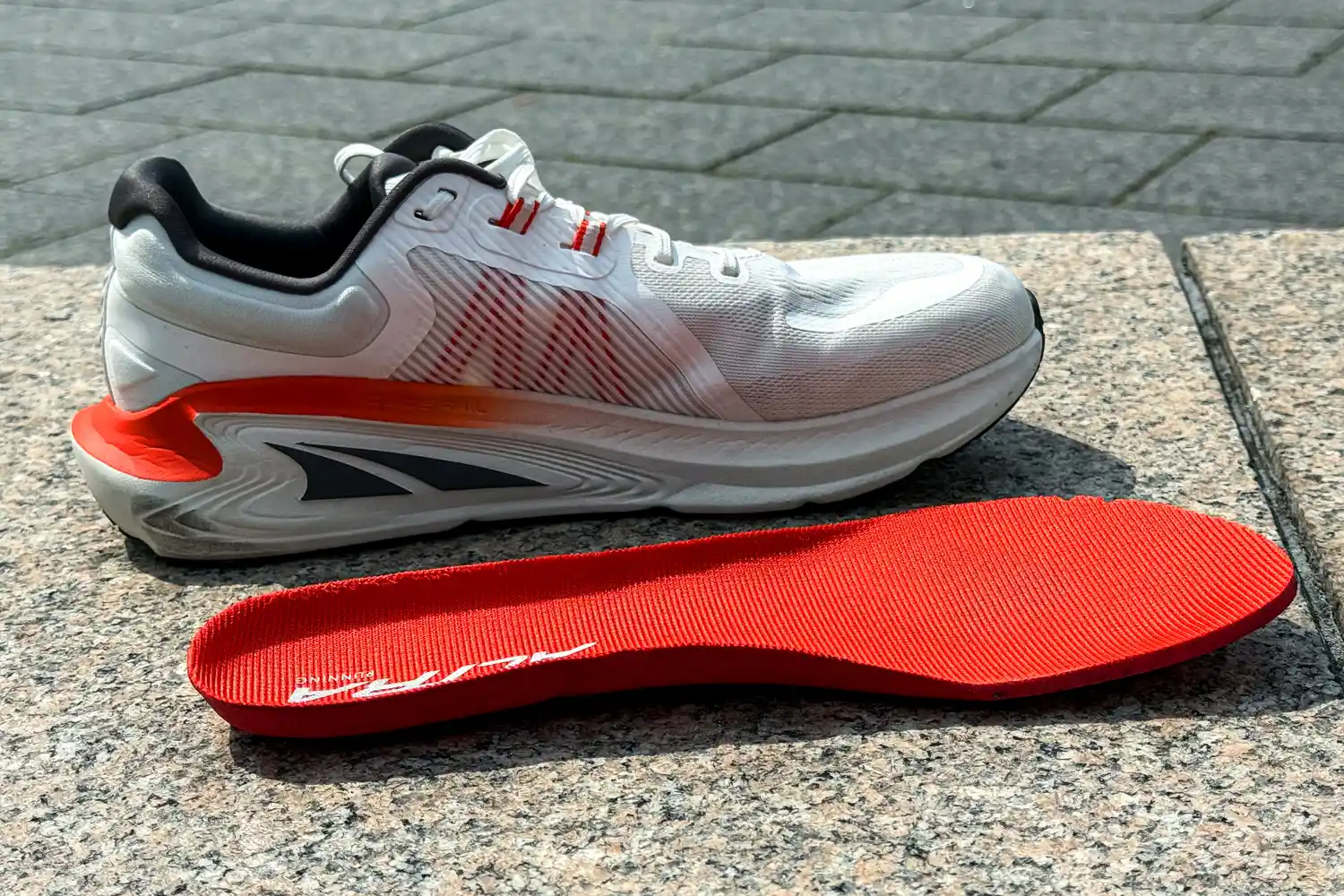
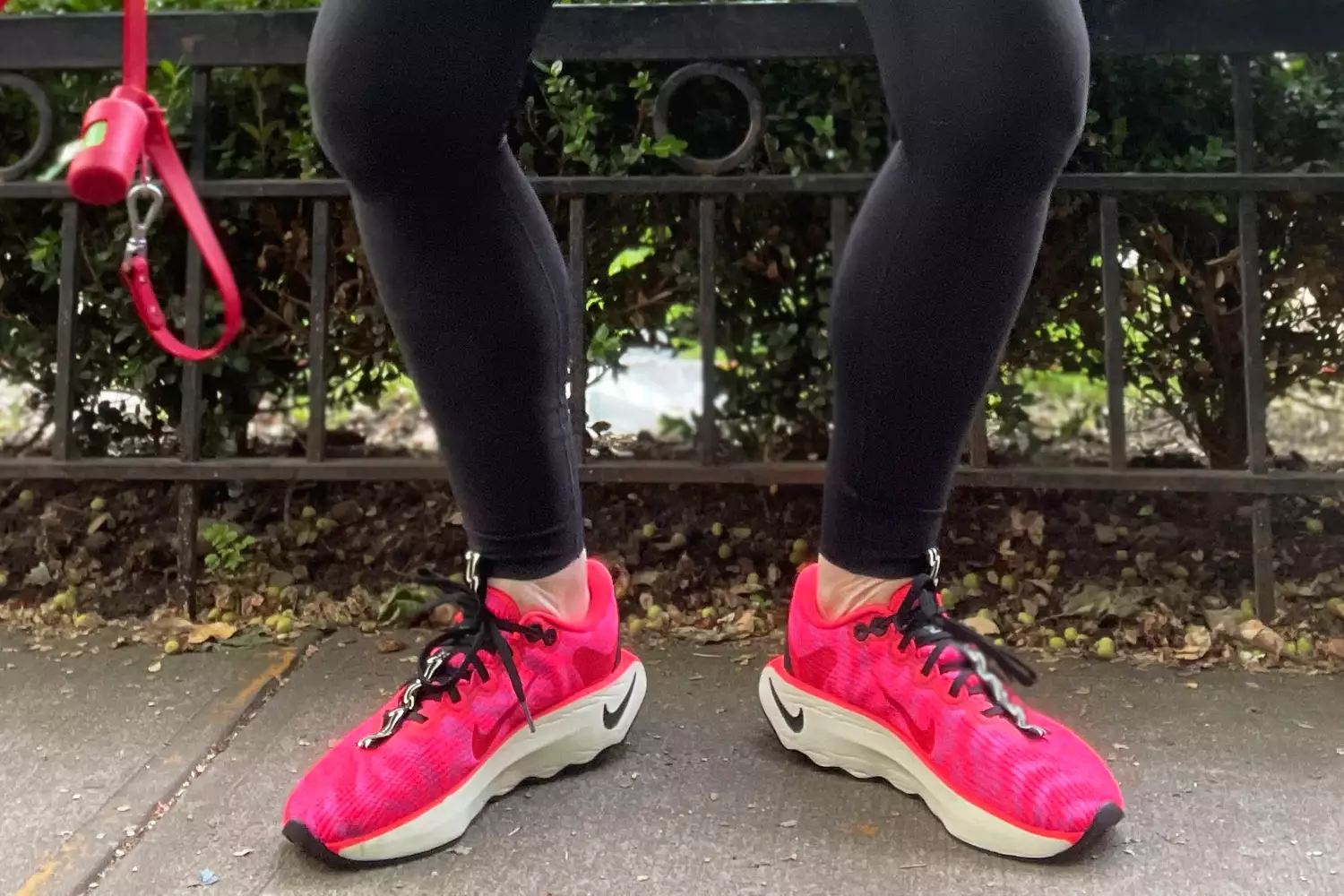
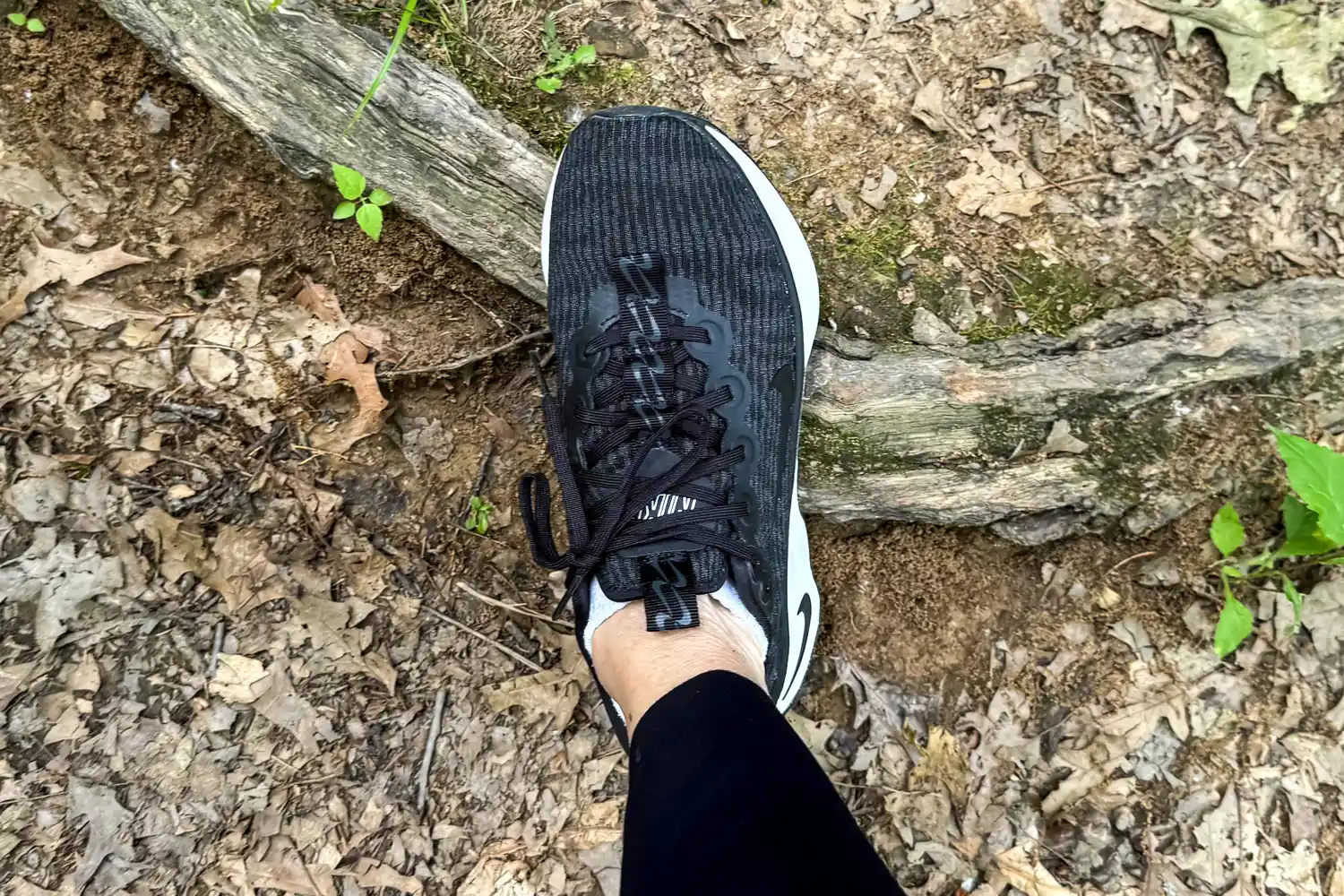
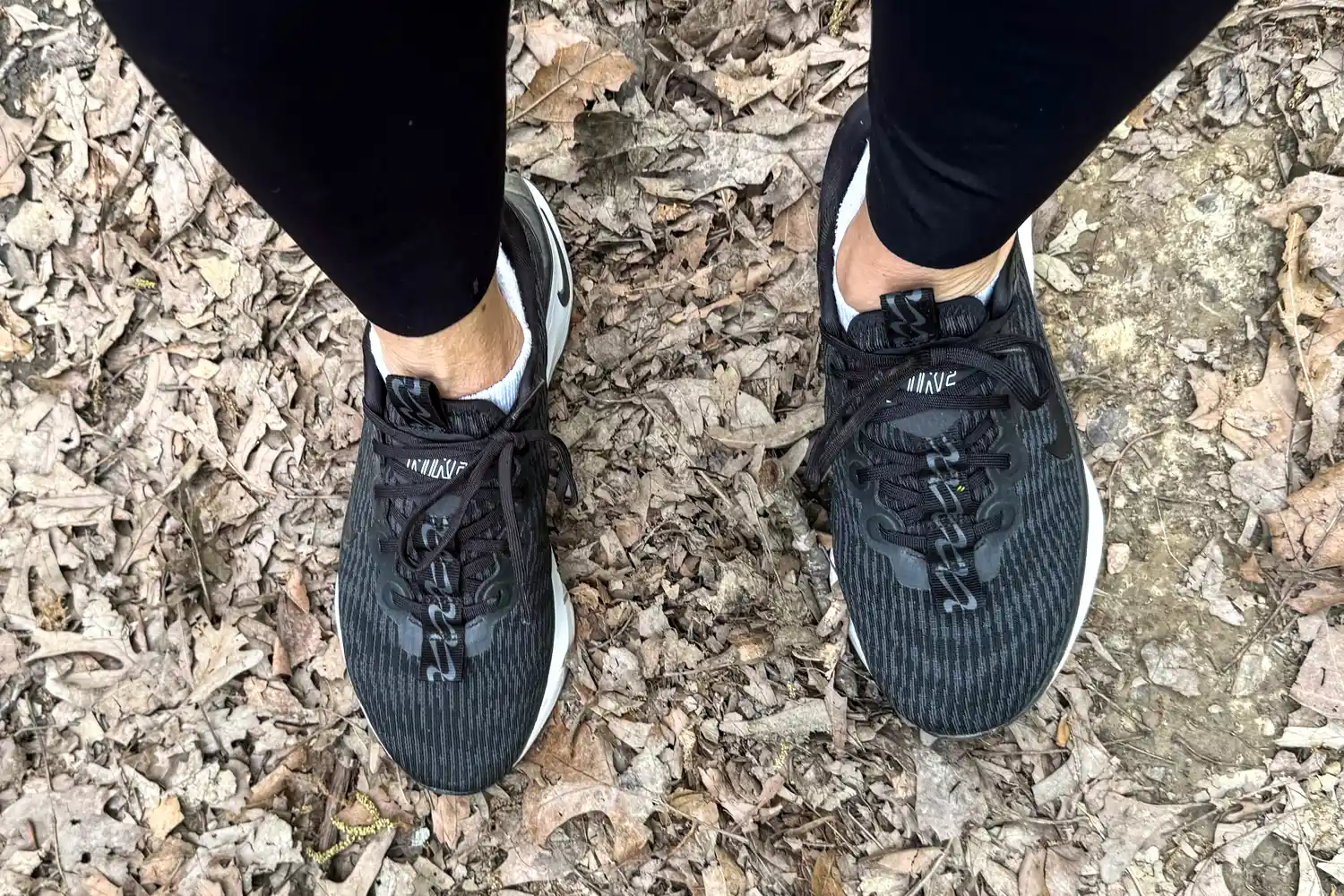
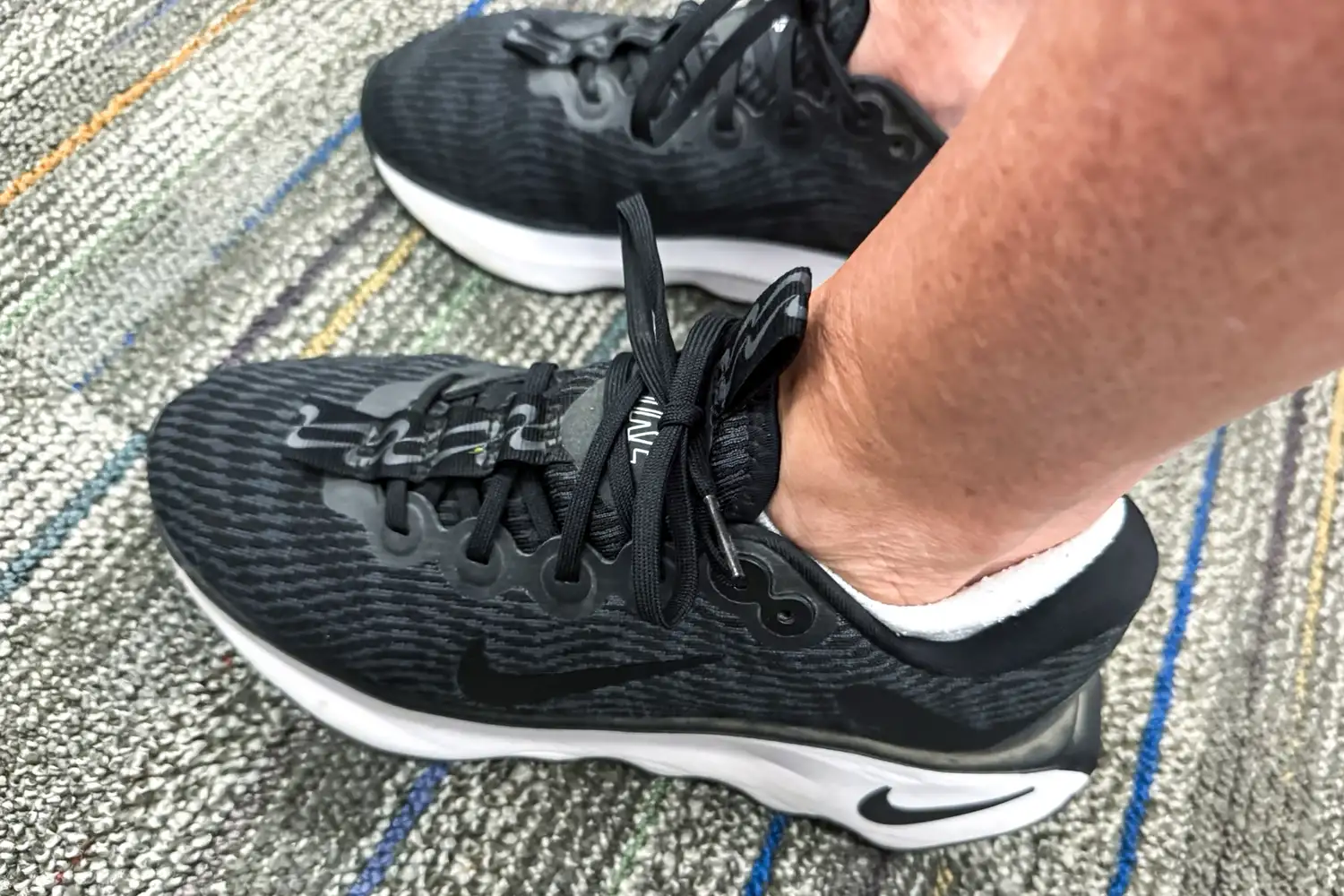
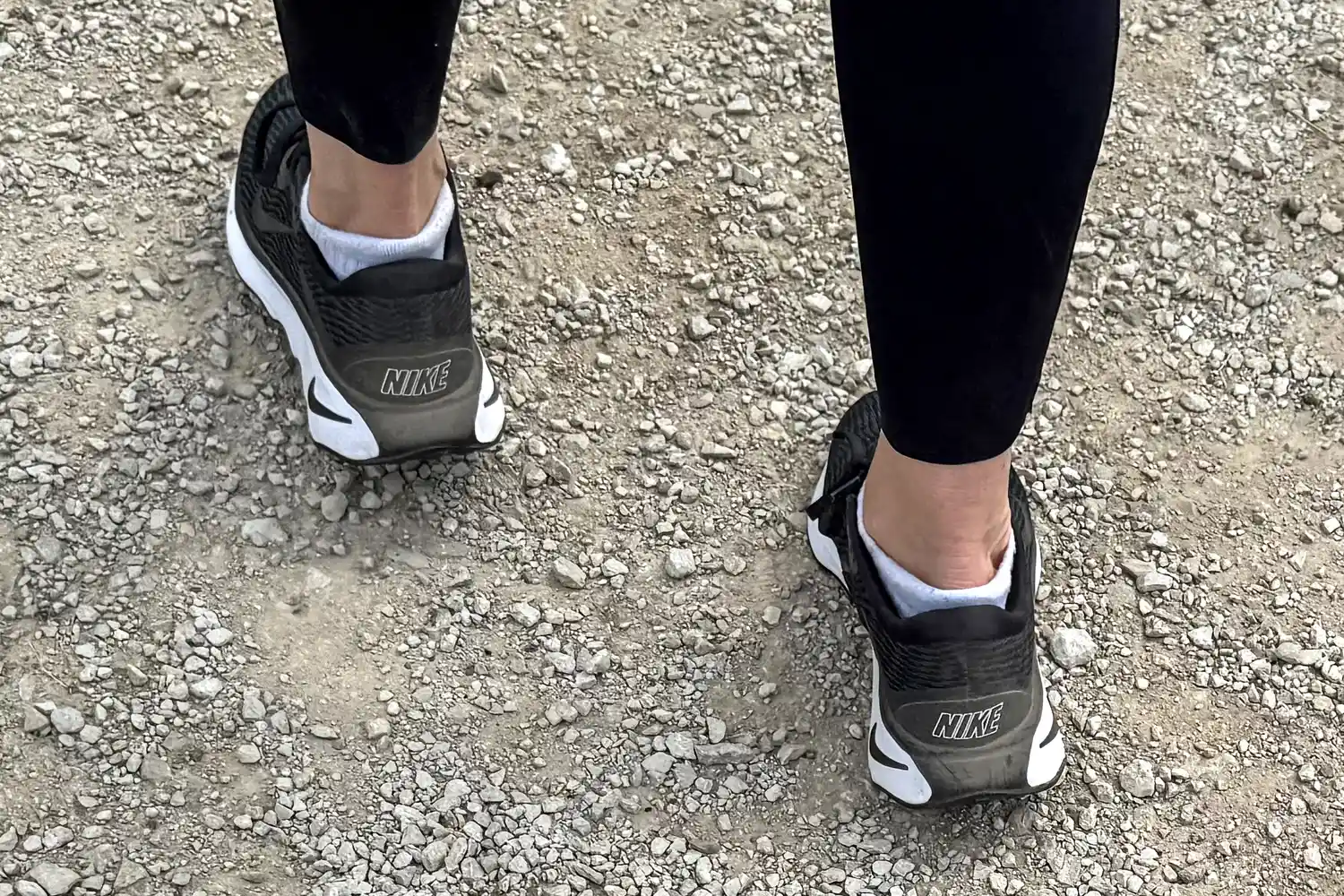
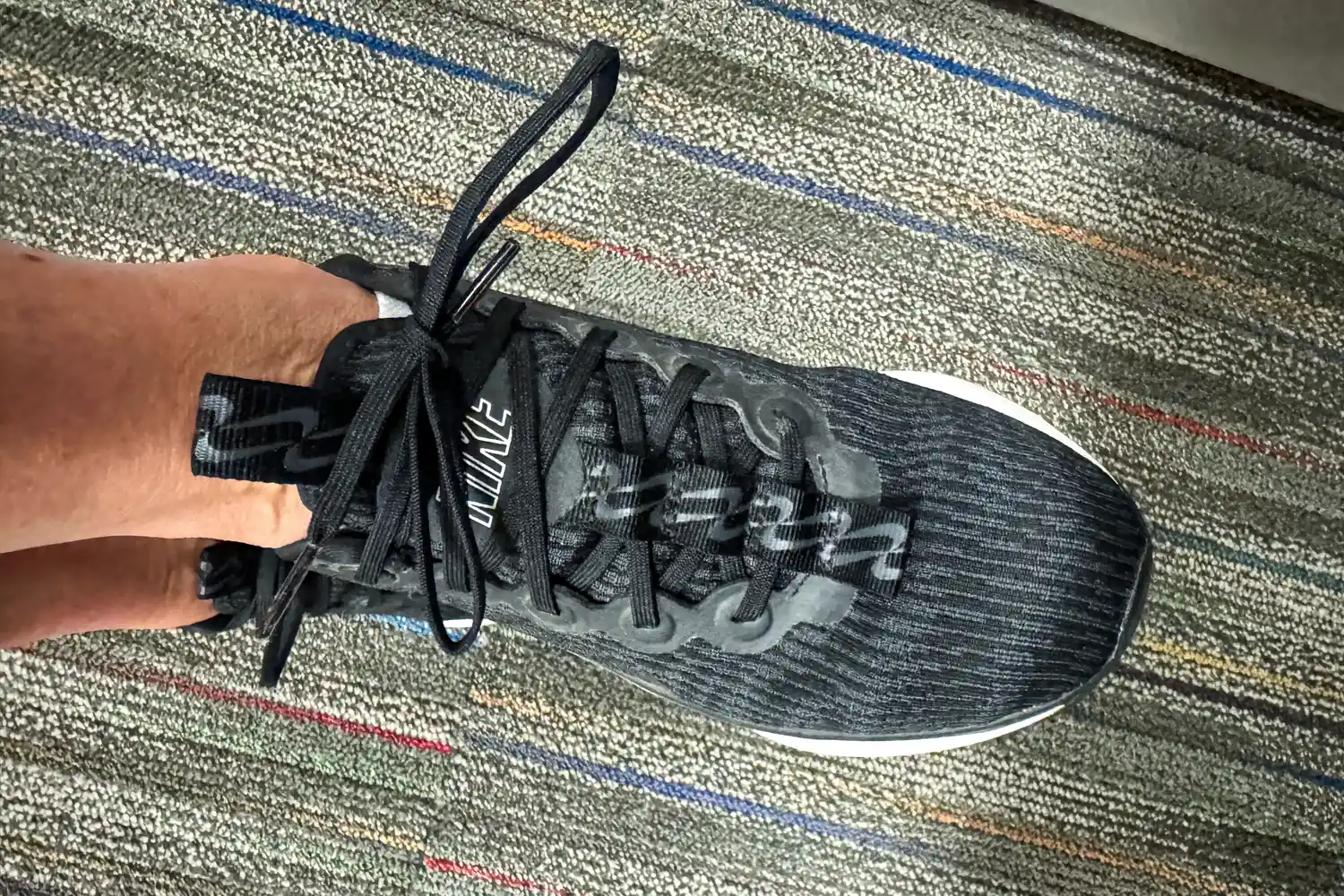
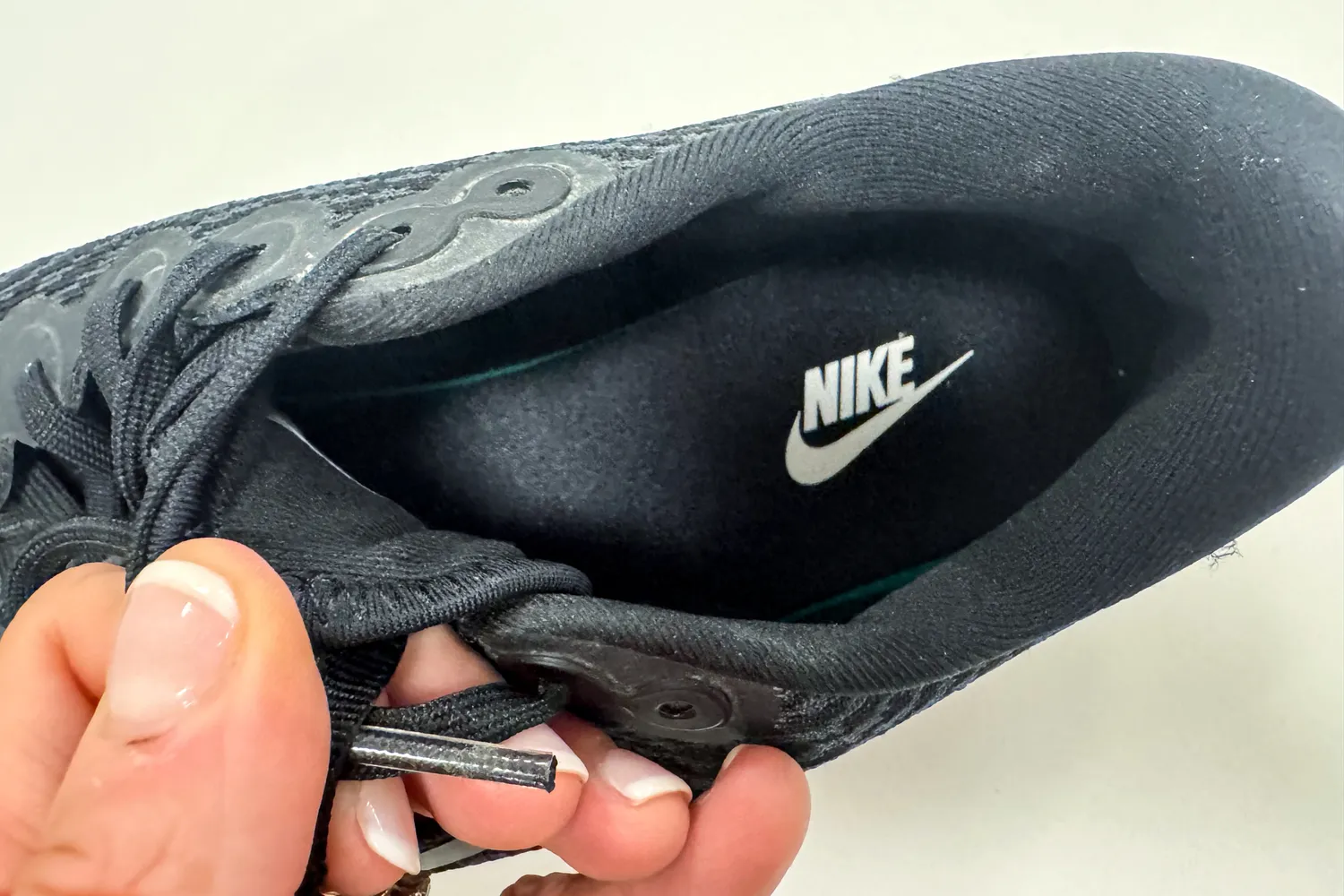
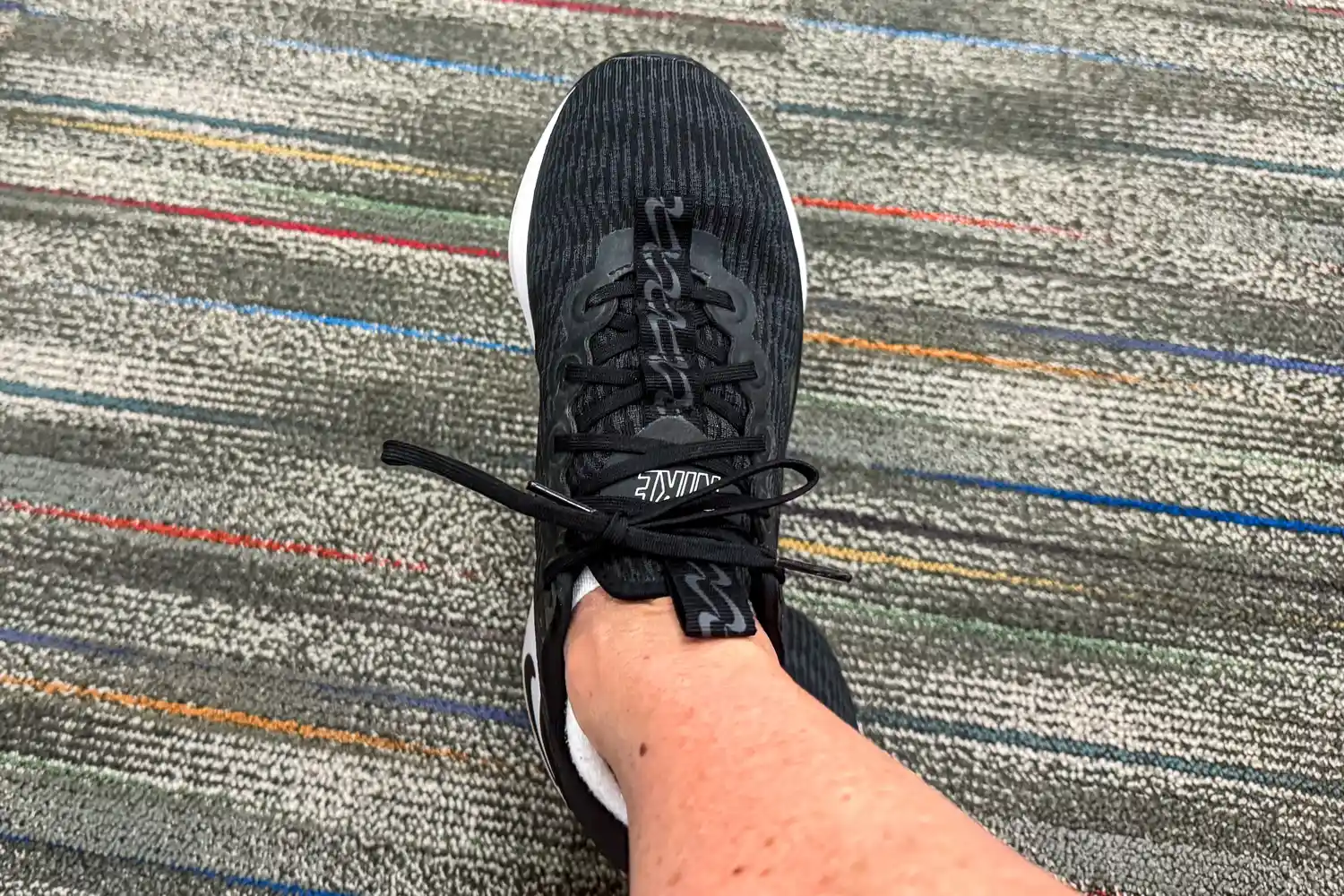
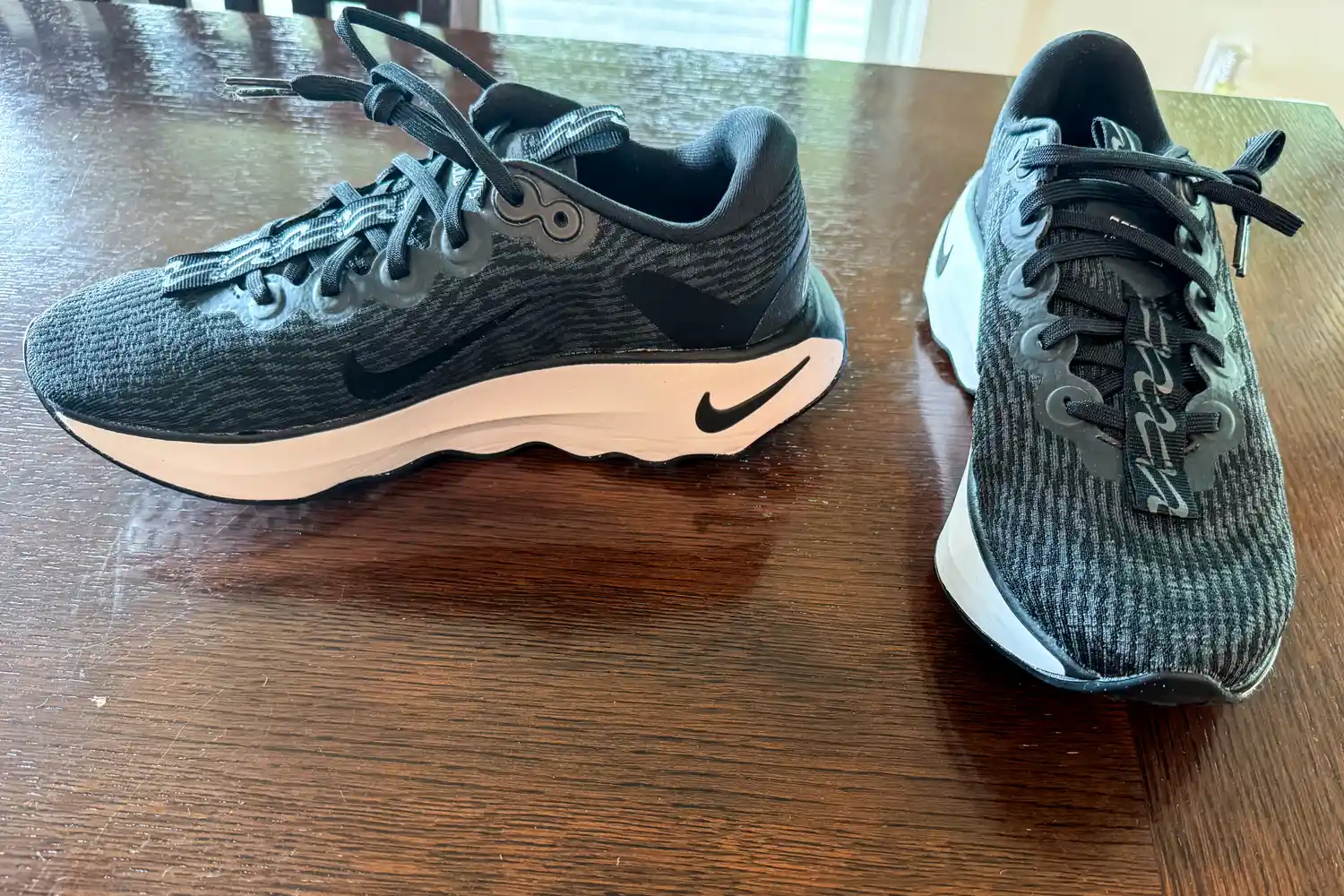
As a marathon runner and someone who walks at least 30 minutes daily while completing errands, fitness walking, and strolling home from work, my feet can feel pretty beat up at the end of a long day, especially since my left foot overpronates (it rolls downward and inward as I walk). The best walking shoes for overpronation offer extra support and stability, keeping my feet pain-free and making them ideal for long-distance walks. Podiatrist Miguel Cunha, DPM, adds that walking shoes for overpronation should also have strong arch support, solid shock absorption, deep heel cups, and cushioned insoles to reduce joint stress and promote proper foot alignment.
I was part of the team testing the best walking shoes for overpronation, evaluating over 100 options from trusted brands during long and short walks on treadmills, trails, city streets, and more. We also spoke with four podiatrists about which key features to look for. We evaluated each podiatrist-approved option based on its fit, stability, cushioning, responsiveness, comfort, quality, and value to find the top pairs on the market.
Top Picks
-
How We Tested
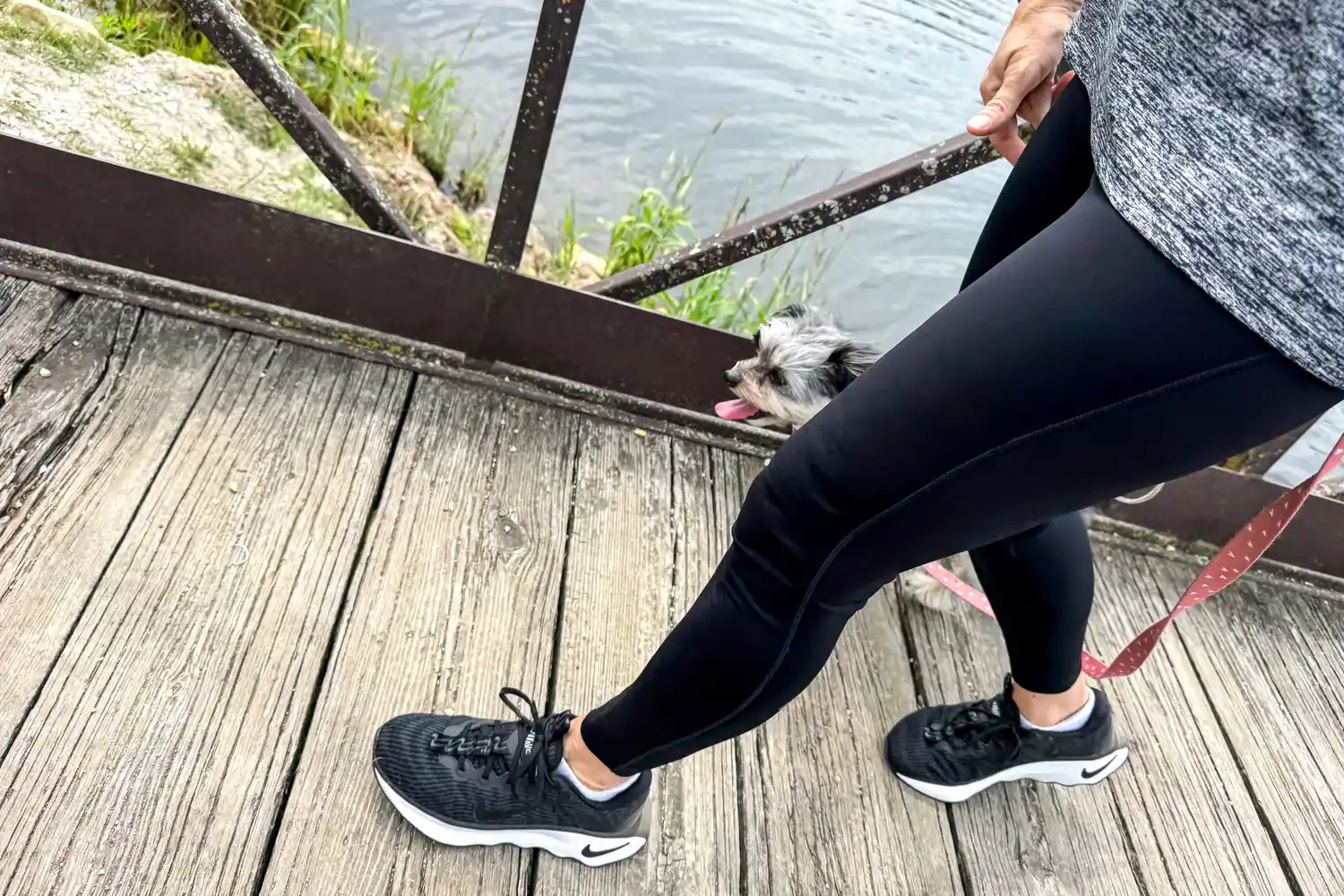
To find the best walking shoes for overpronation, we tested over 100 pairs from popular, trusted footwear brands, wearing them while walking on city streets, uneven hiking trails, treadmills, and more. We often have two people test each shoe to see how it fits and feels on different foot types. In addition to overpronation, each tester has their own unique range of foot conditions and concerns, which may include collapsed arches, bunions, plantar fasciitis, and more. We also consulted with four podiatrists to ensure our top picks are the best options for individuals who overpronate. When we test walking shoes for overpronation, we evaluate each sneaker based on the following key criteria.
- Fit: When we first try on the shoe, we check to ensure there’s enough room in the toe box for our toes to spread out. We also assess how the sneaker feels around the heel and midfoot. These observations help us determine whether a shoe runs large, small, or true to size.
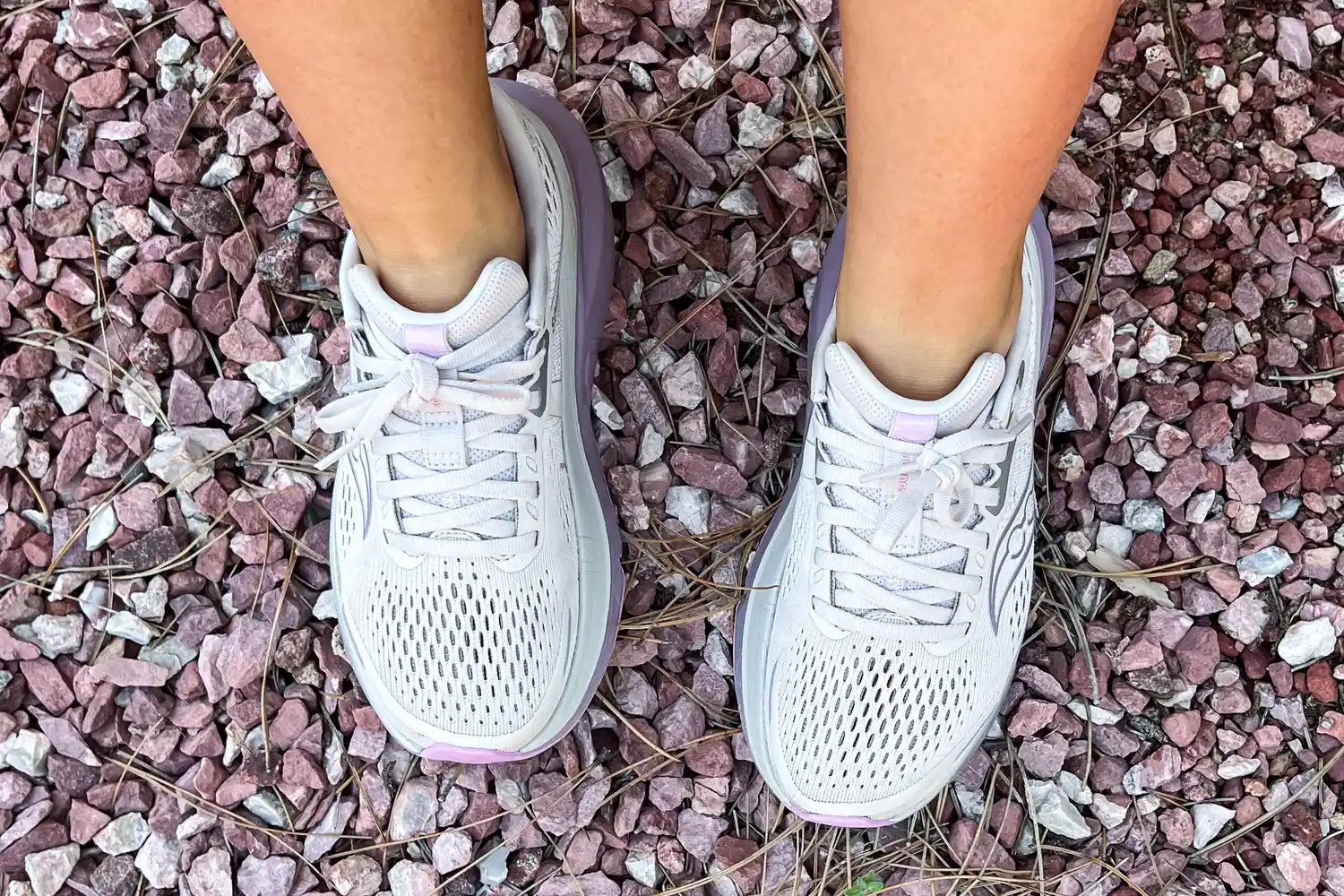
- Stability: While walking in each pair, we pay attention to how the arch support and midsole feel underfoot. Can we walk confidently, or do we slide around in the shoes? How do the sneakers perform on uneven terrain, like grass, sand, and gravel?
- Responsiveness: A responsive shoe has springy cushioning that propels us forward with each stride. During testing, we prioritize shoes that absorb shock and offer smooth transitions between steps.
- Cushioning: When evaluating cushioning, we consider how the midsole feels—is it soft and squishy or firm and dense? Does the shoe have any additional padding in the tongue, arch, or around the ankle?
- Comfort: A walking shoe needs to be comfortable to earn a spot on our list. From the first time we lace them up to the tenth mile of walking, we note how the shoe makes our feet, ankles, knees, and hips feel. Are they lightweight, or do they weigh us down? Do we notice any irritation or blisters? Do our legs feel energized after walking? Do we feel any pain in our joints?
- Quality: We check the shoe’s quality right after we pull it out of the box. How durable does it feel? Does it appear to be made from high-quality materials? Then, at the end of the testing period, we reassess: Does the shoe show any major signs of wear and tear?
- Value: To assign a score for value, we don’t check the shoe’s price until the end of the testing period, after we’ve evaluated it in all other key categories. Based on its performance, do we think the shoe is priced fairly? Or would we only buy it if it went on sale?
Verywell Fit
-
What Is Overpronation?
Overpronation means your arch flattens too much while you walk, causing your feet and ankles to roll down and inward more than is normal, says podiatrist Loretta Logan, DPM, MPH. It can lead to foot, ankle, and knee pain over time. Overpronation can be addressed by wearing supportive footwear, adding orthotics to your shoes, or doing physical therapy that strengthens your feet, ankles, and legs. In contrast, underpronation (or supination) occurs when your feet and ankles roll outward.
-
What Walking Shoes Are Good for Overpronation?
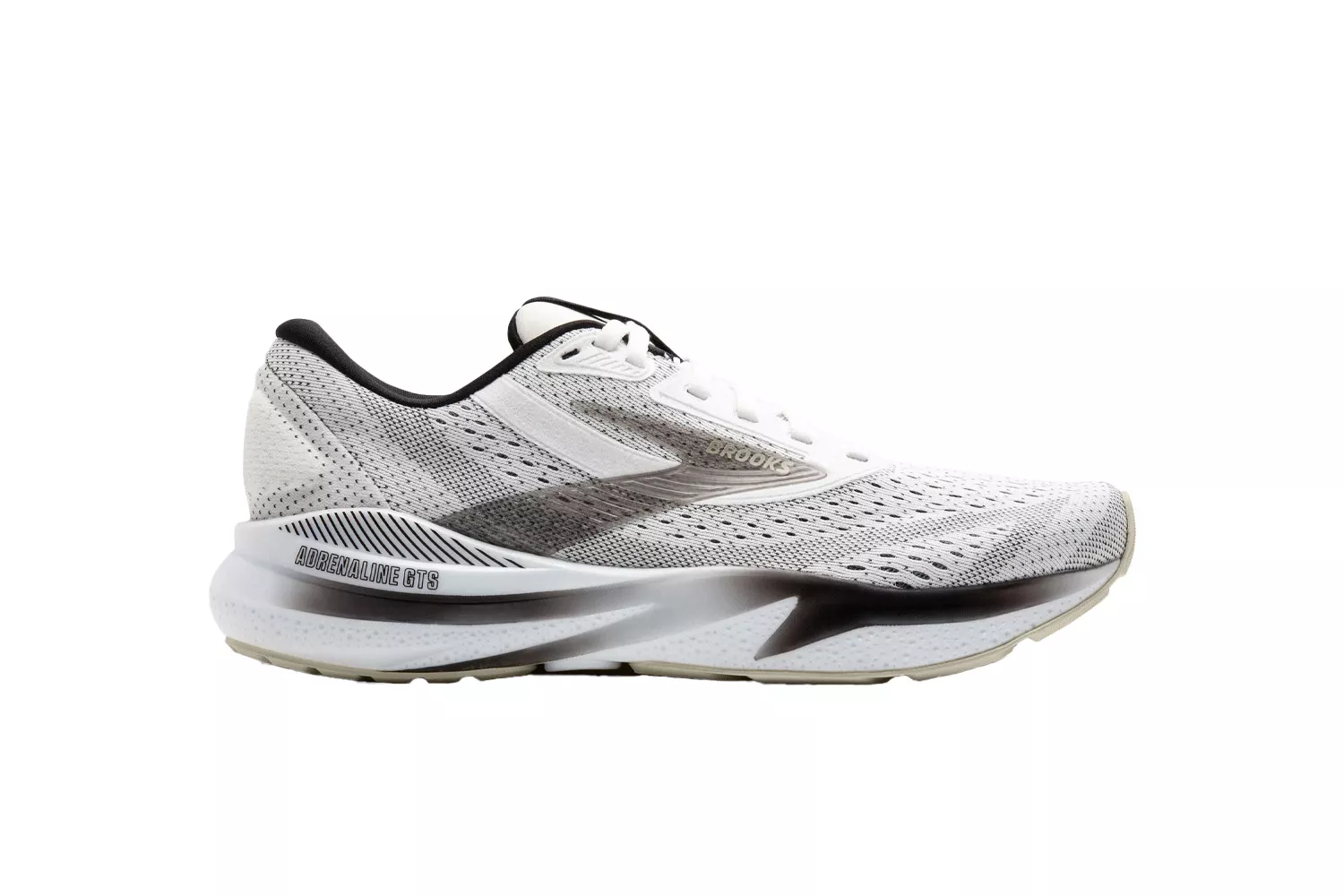
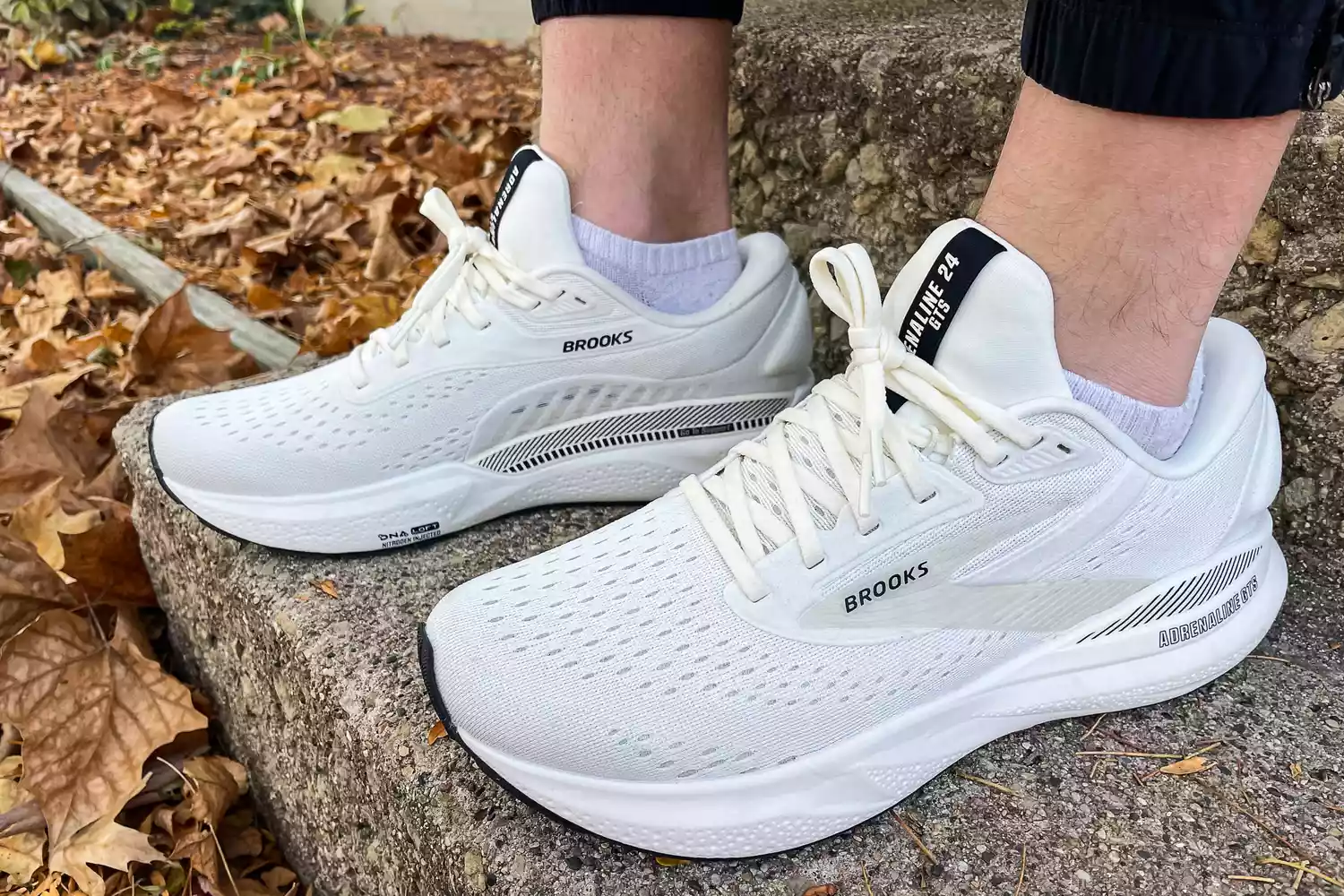
Stability shoes are best for mild to moderate overpronators, while motion control shoes are designed to address severe overpronation, says Cunha. These sneakers limit your foot’s range of motion to help correct your gait, adds Logan. Cunha warns against soft heel counters, flexible midsoles, and shallow heel cups for overpronators, as the wrong footwear can lead to shin splints, plantar fasciitis, and even lower back pain.
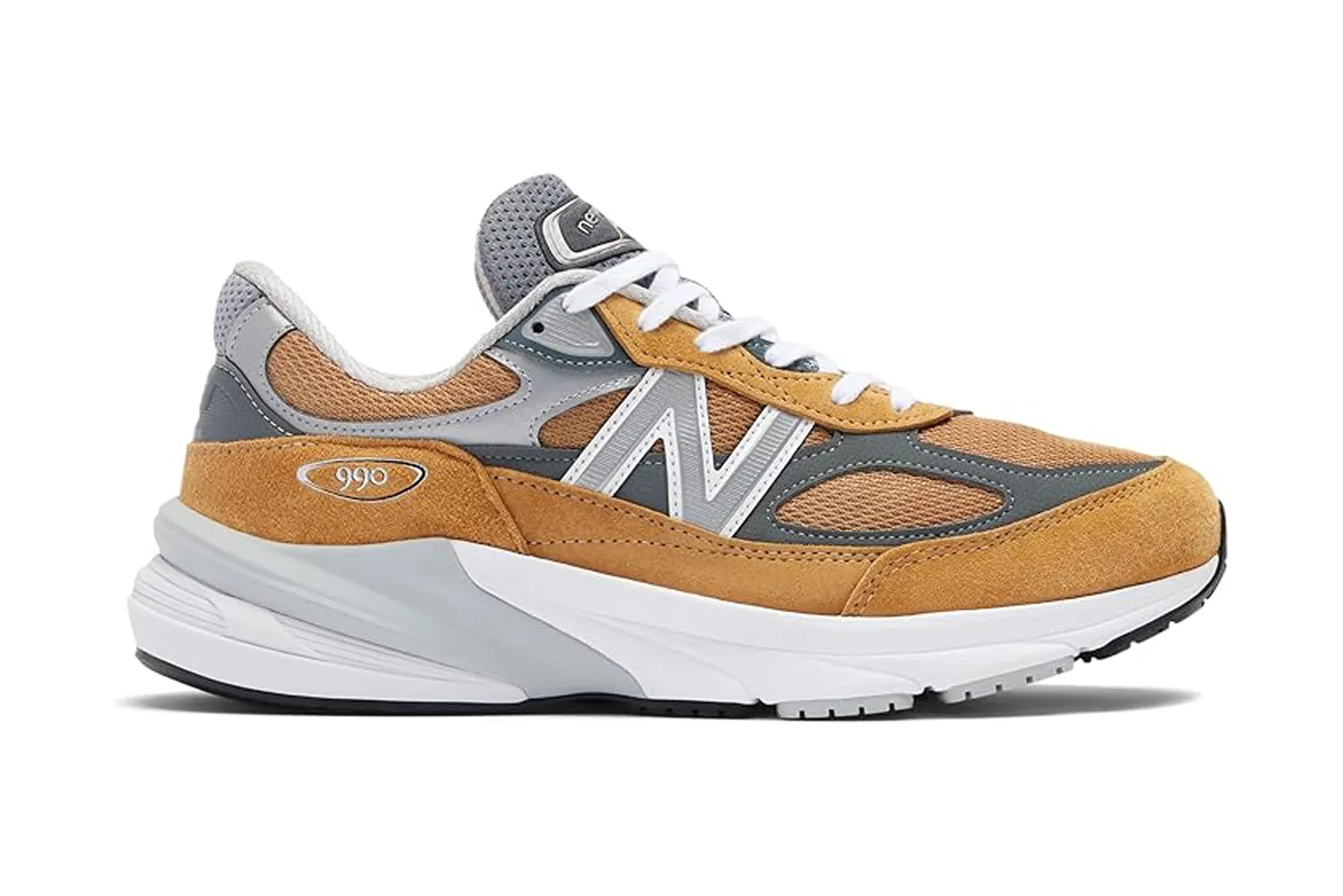
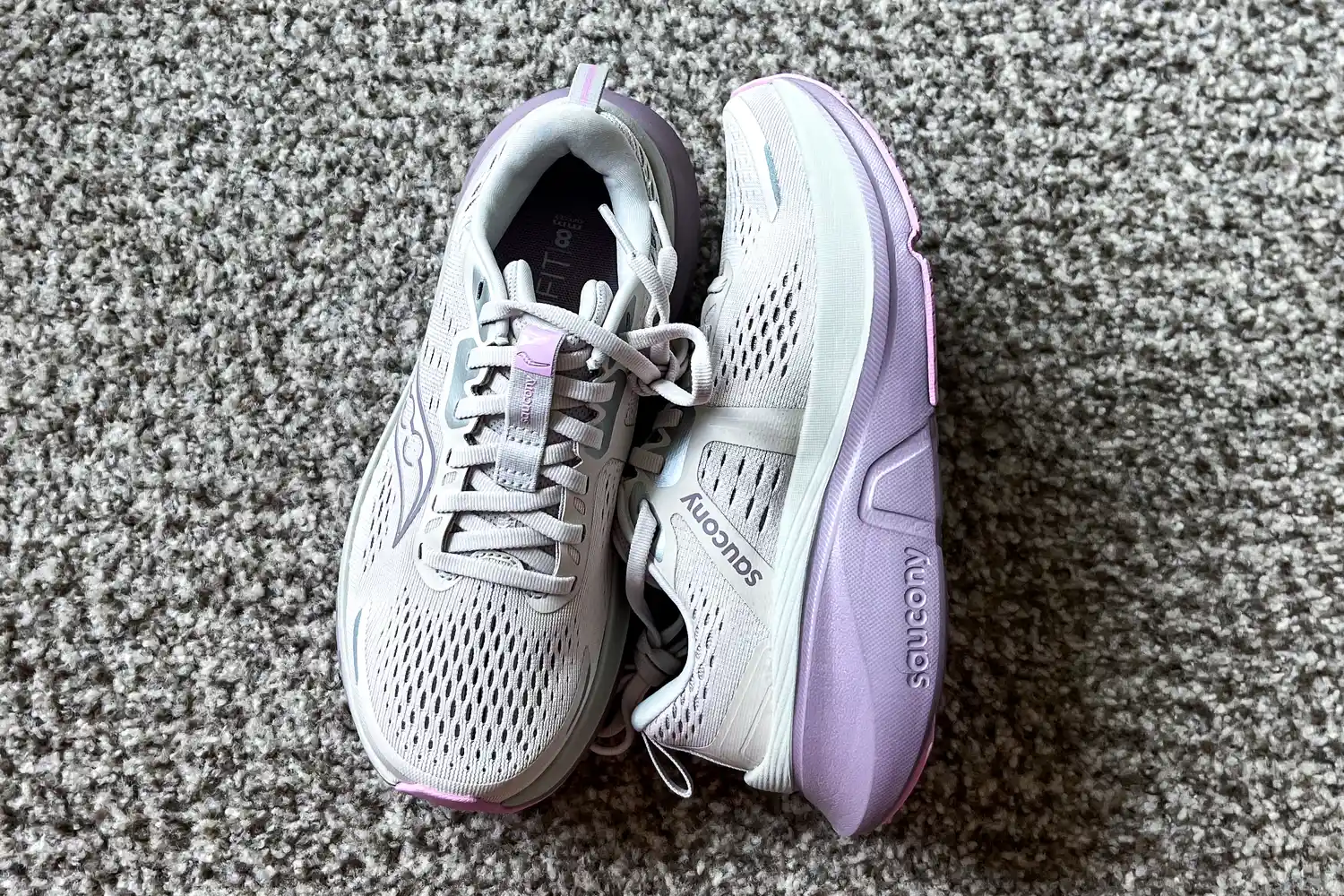
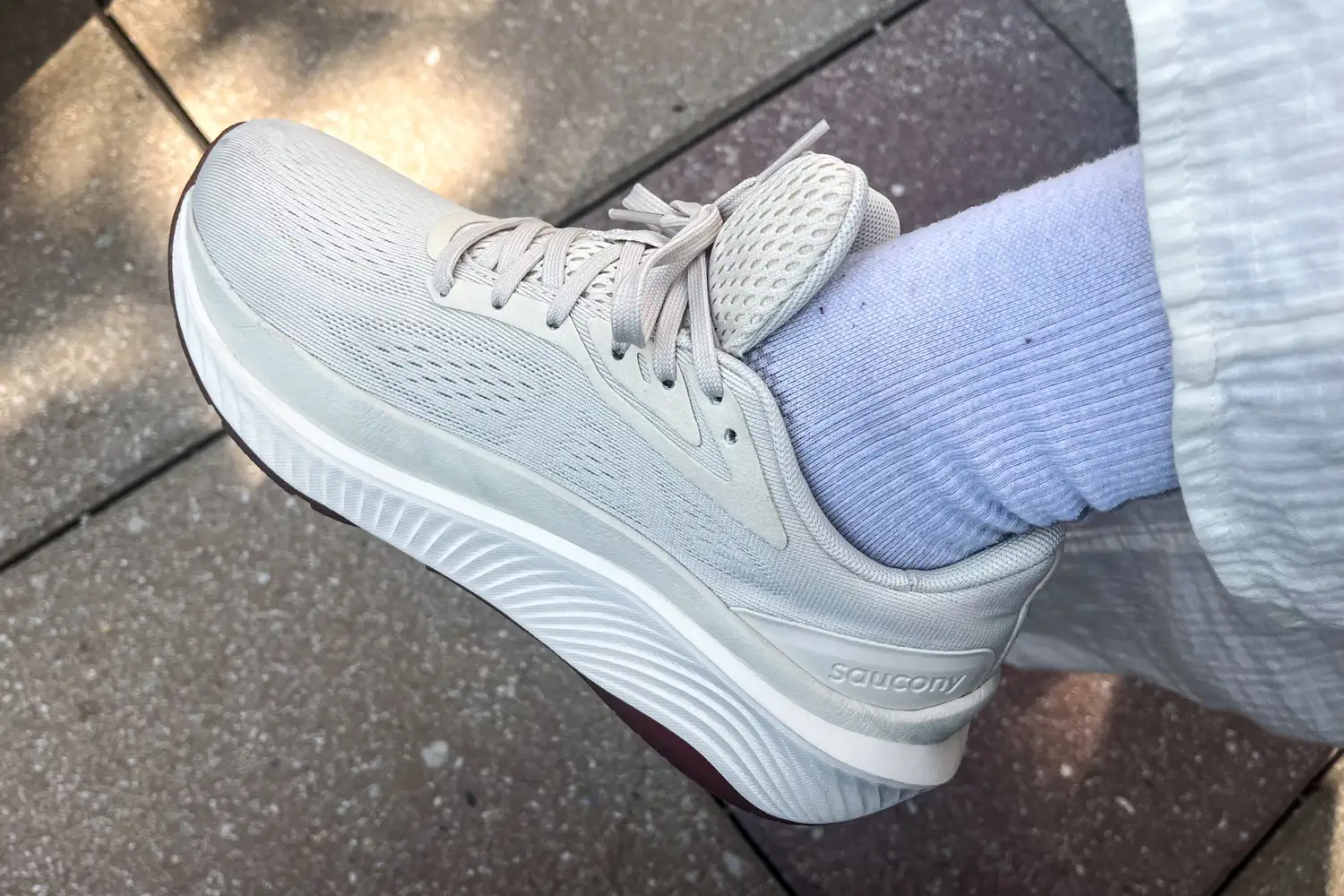
Instead, he recommends shoes with a rigid shank, firm heel counter, deep heel cups, and strong arch support. He specifically recommends brands like Brooks, Asics, New Balance, and Saucony due to their structural designs and consistent inclusion of corrective features that are ideal for overpronators.
Verywell Fit