We Tested the 8 Best Gym Shoes for Men for Comfort and Support

Wearing the right sneakers can help you perform your best while reducing injury risk in the gym. The best gym shoes should be comfortable, well-cushioned, and supportive. When shopping, consider the type of workouts you gravitate towards and any past or current injuries. If you like exercises like boxing or HIIT workouts, you’ll need shoes with solid ankle support. But when lifting weights, choose shoes with a firm midsole that keeps you grounded. If your fitness routine is diverse, choose a cross-trainer, says podiatrist William Spielfogel, DPM.

To find the best gym shoes for men, we first consulted podiatrists and personal trainers to learn what key features every pair should have. Then, we tested 10 pairs of shoes for walking, running, cycling, HIIT workouts, and more. While testing, we consider each shoe's fit, cushioning, responsiveness, comfort, stability and support, blister prevention, and overall value.
Top Picks

Best Overall:
Reebok Nano X4 at Amazon
Jump to Review
Best for HIIT:
Altra Solstice XT 2 at Amazon $130
Jump to Review
Best for Indoor Cycling:
Tommaso Milano Indoor Cycling/Commuter Shoe at Amazon
Jump to Review
Best for Running:
Nike Men's Pegasus 41 Running Shoes at Amazon $130
Jump to Review
Best for Walking:
Brooks Glycerin GTS 21 at Amazon $160
Jump to Review
Best for Gym to Outdoors:
Asics Gel-Venture 9 at Amazon
Jump to Review
Best for High Arches:
Under Armour HOVR Rise 4 at Amazon $88
Jump to Review
Best for Powerlifting:
Reebok Lifter PR III at Amazon
Jump to Review

Best Overall

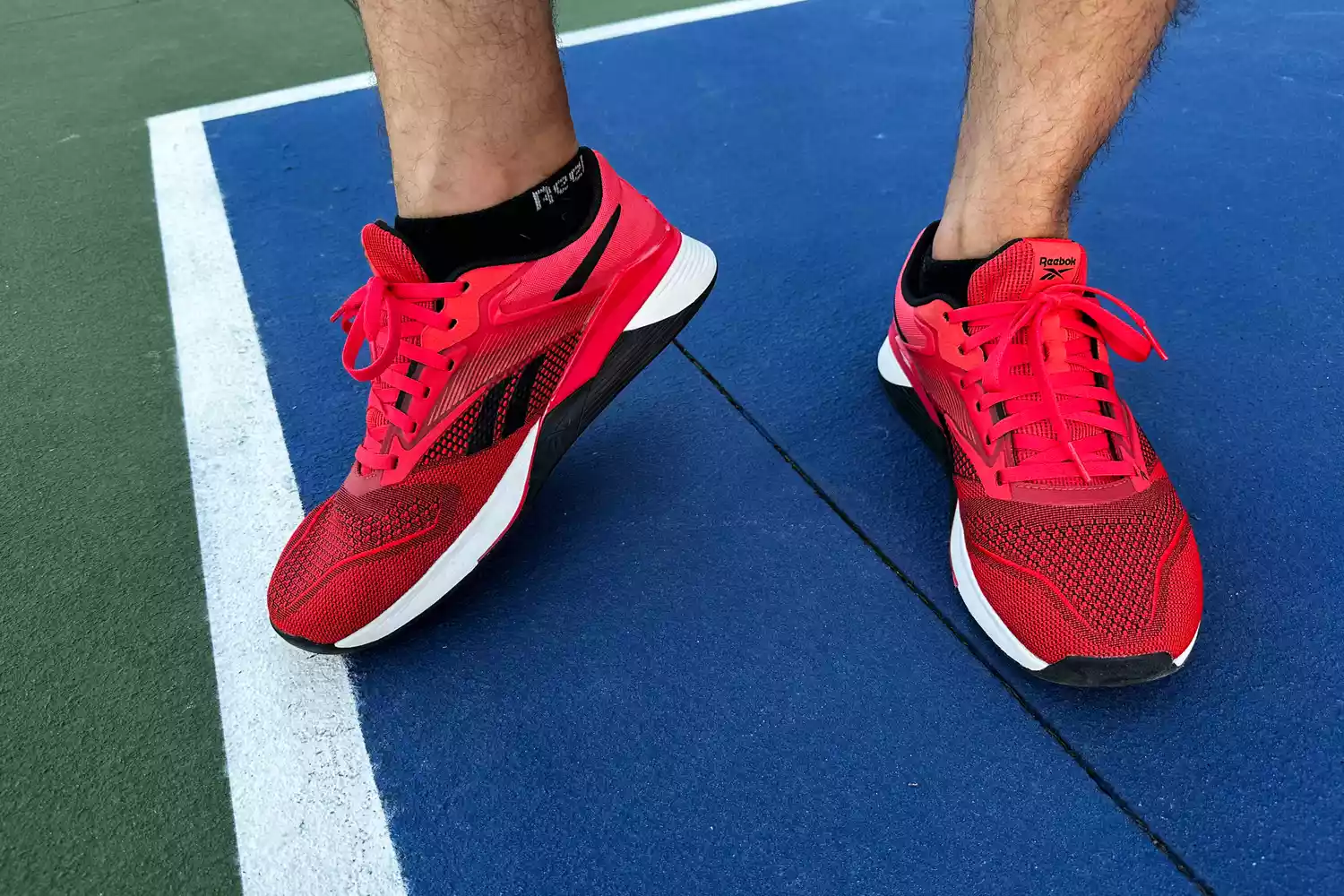
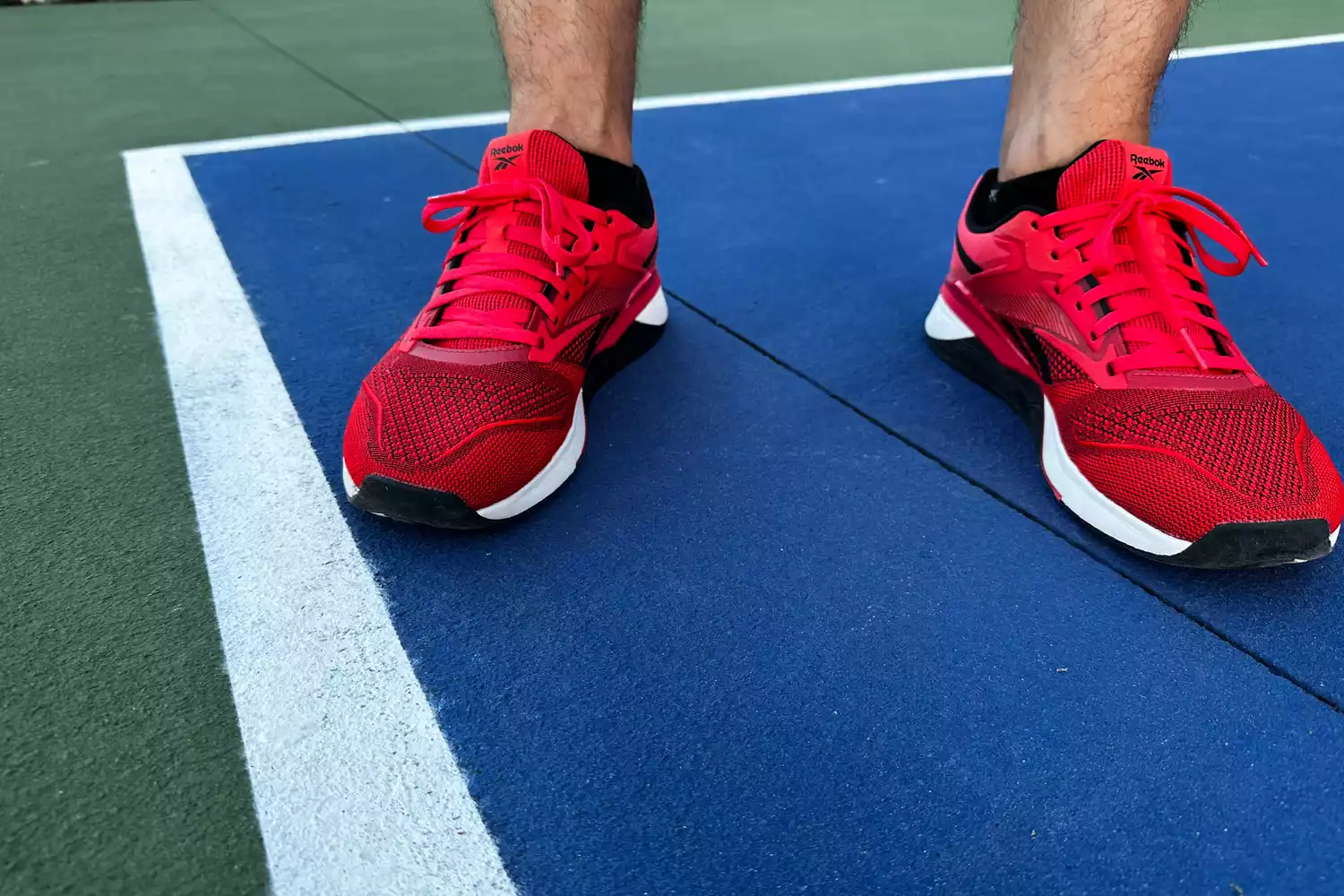
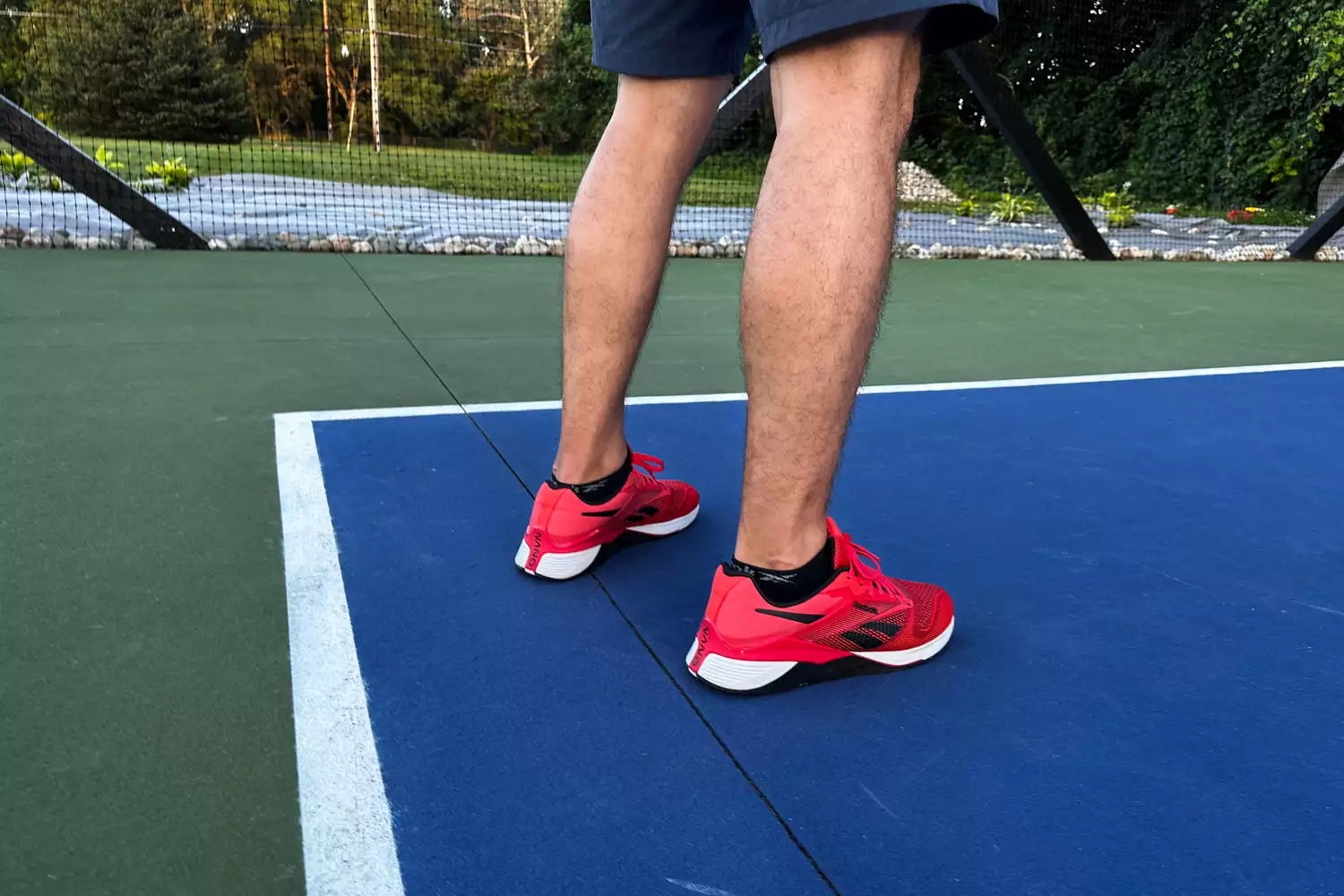
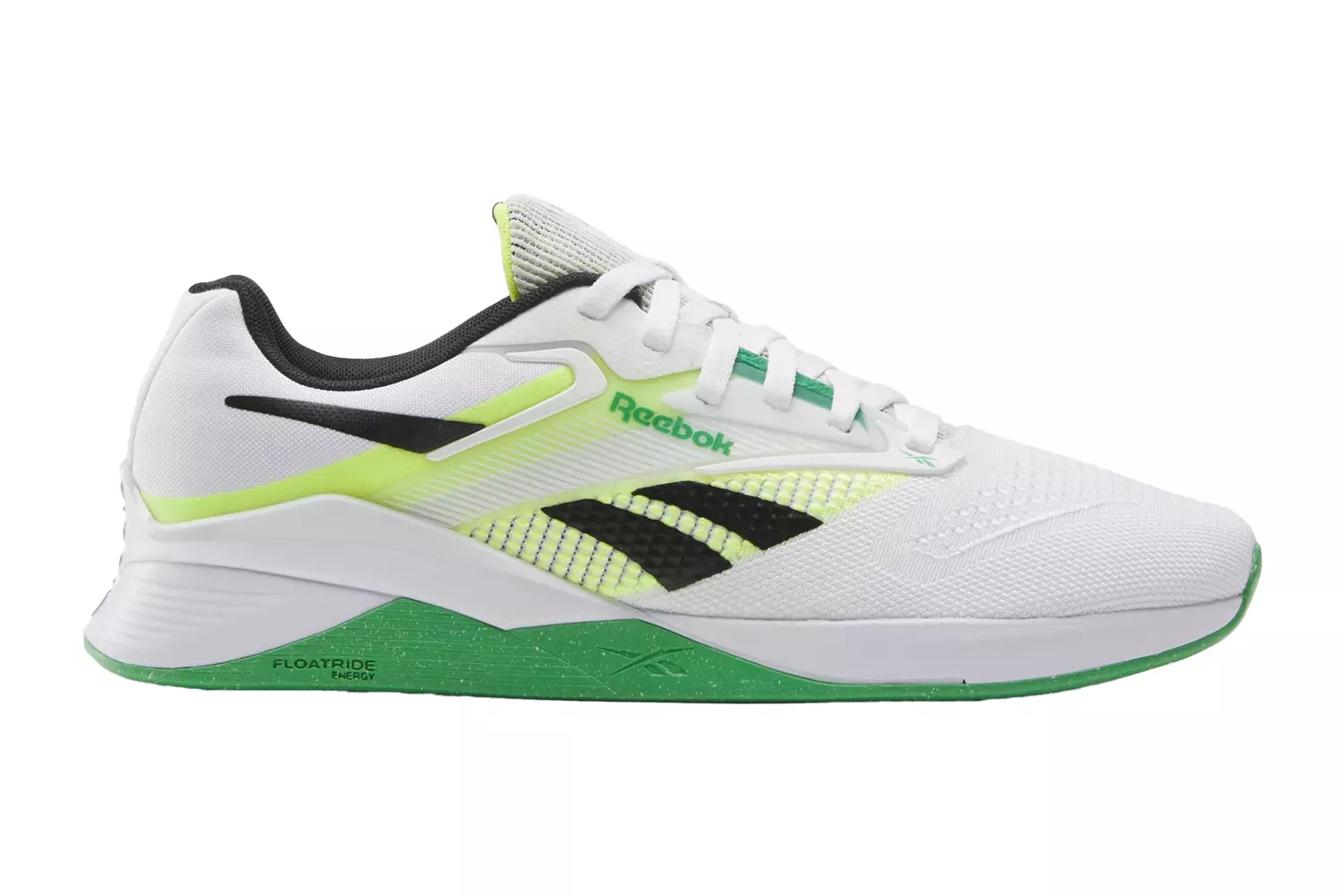
Reebok Nano X4

Reebok Unisex Nano X4 Training Shoes
Credit: Reebok
View on Amazon
$150
$101 at Zappos
View on Reebok.com
Pros
  • Wide toe box for added stability

  • Breathable upper prevents foot sweat

  • Extremely versatile for various workouts

Cons
  • Laces are a bit short

Key Specs

Weight: 9 ounces Materials: Textile upper, rubber outsole Cushioning Type: Responsive foam

Who They're For

Best if you're looking for one shoe that can be worn during a variety of workouts, including weightlifting, short runs, and more.

Why We Love Them

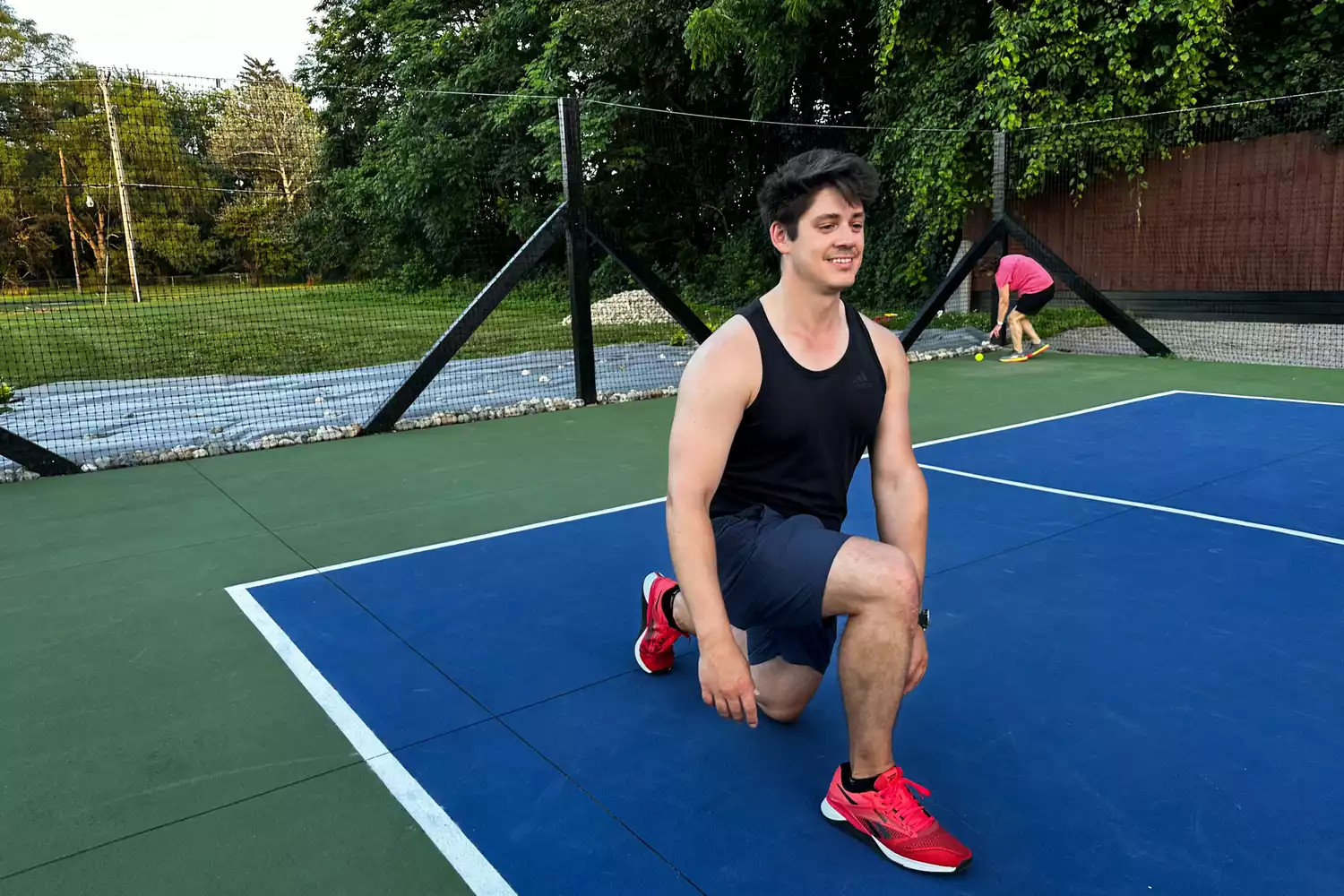
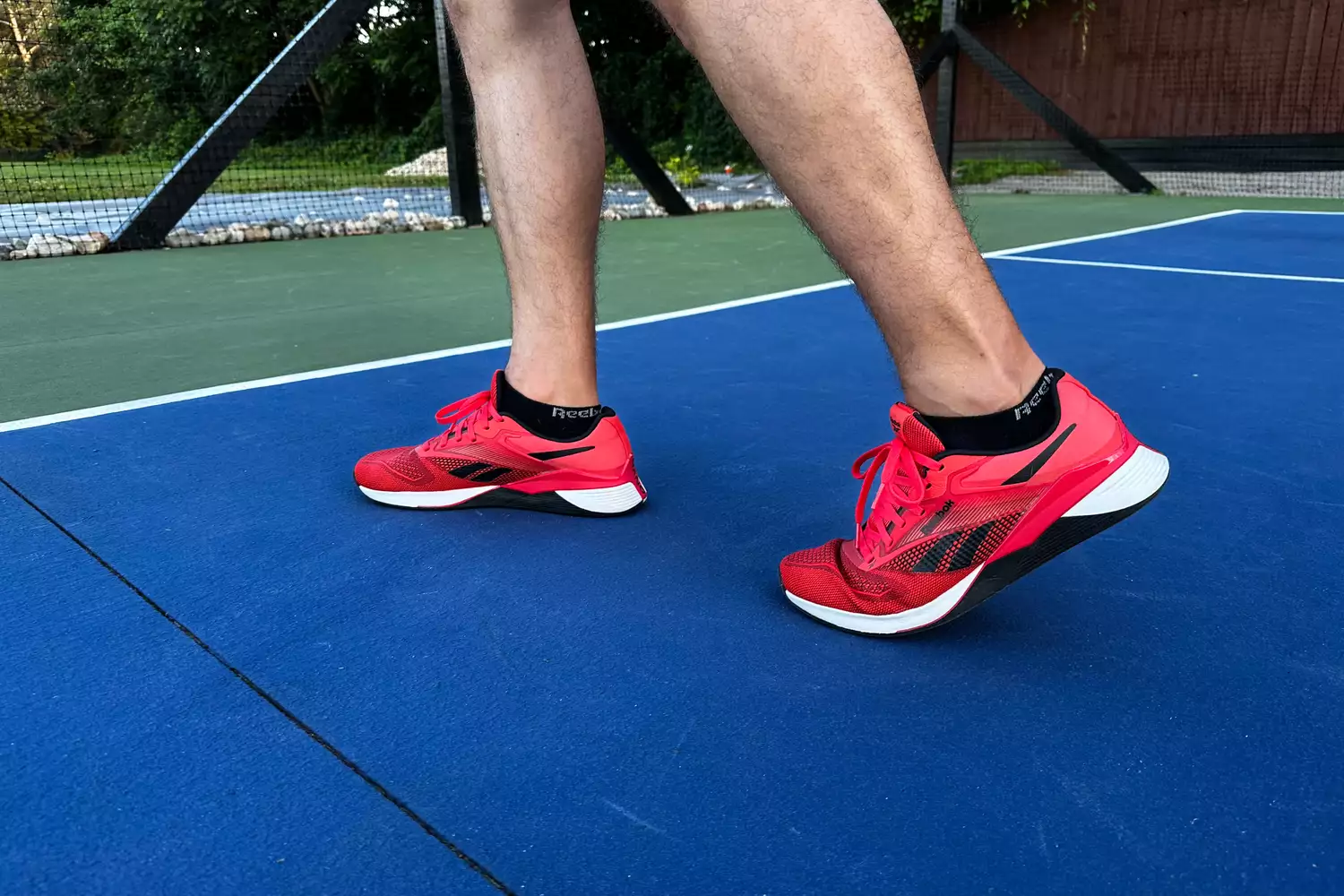
Reebok's Nano X4 Training Shoes are highly recommended by fitness experts, including certified personal trainer Noah Neiman, CPT. After testing the previous version (the Nano X2), we definitely understand why. This is one of the most versatile pairs of sneakers we've tested, letting you easily transition between different exercises. During testing, we wore them for CrossFit, lifting, and cardio workouts.

The breathable upper features a midfoot ventilation panel for maximum airflow, preventing sweaty and smelly feet. And the responsive foam midsole keeps us feeling stable and supported without weighing us down. We also found that the durable rubber outsole ensures secure traction on gym flooring. Plus, a wide toe box and minimal drop provide a very stable base for lifting weights.

Potential Flaws

  • When testing Nano X2, we noticed that the laces were a bit short. If that's the case with this version, you can always purchase longer laces separately.

Expert Advice

“If you’re doing different styles of exercises in one workout, it’s important to choose a more versatile shoe (like the Nano X4) that can keep your ankles safe and mobile through all manner of exercises.” —Noah Neiman, CPT, certified personal trainer and co-founder at Rumble Boxing

Best for HIIT

Altra Solstice XT 2

Altra Solstice XT2
Credit: Altra
$130 at Amazon $130 at Zappos View on REI
Pros
  • Zero heel-to-toe drop promotes proper lifting form

  • Reliable traction on slick gym floors

  • Wide toe box for added stability

Cons
  • Not enough cushioning for running

Key Specs

Weight: 10 ounces Materials: Mesh upper, rubber outsole Cushioning Type: Thin foam

Who They're For

Best for HIIT, cross training, and other non-running activities.

Why We Love Them

For HIIT workouts, you need a shoe with solid stability and tractionAltra's Solstice XT 2 Shoe checks these boxes and more. During our test, it stood out for its exceptional fit and comfort. The shoe’s wide toe box provides plenty of room for toes to splay, providing added stability during lifting and other workouts. And the durable rubber outsole has grippy traction that keeps us even more sure-footed on gym floors.

With just the right blend of firmness and flexibility, the shoe feels supportive but not too rigid. We also appreciate the zero heel-to-toe drop, which means the heel and forefoot are at an equal distance from the ground. This helps promote good form, alignment, and stability. During testing, we noticed a more natural stance for strength exercises while wearing these shoes.

Potential Flaws

  • Since these aren't as cushioned as other options, they may not have enough responsiveness and shock absorption for workouts like distance walking or running.

Best for Indoor Cycling

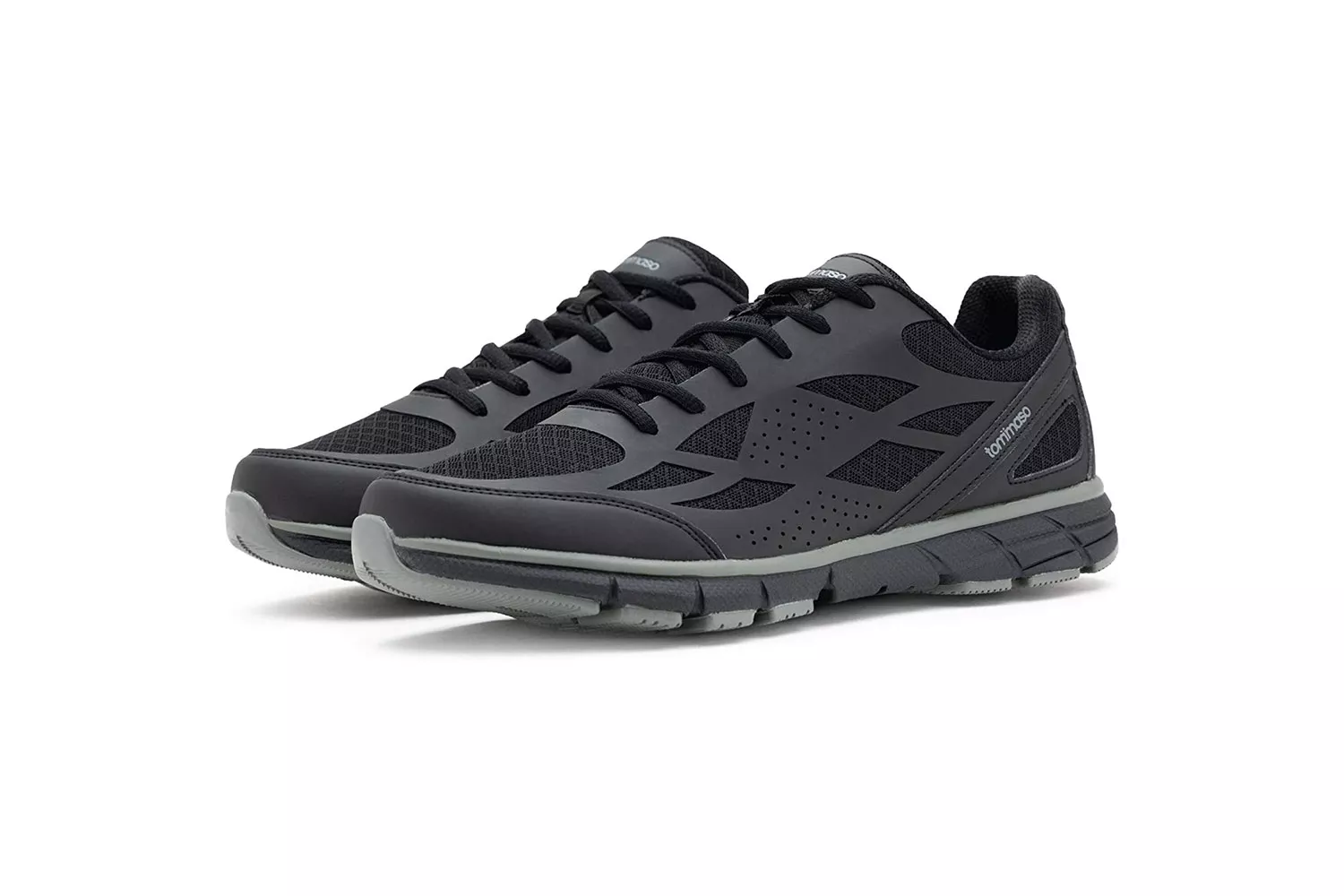
Tommaso Milano Indoor Cycling/Commuter Shoe

Tommaso Milano Indoor Cycling/Commuter Shoe
Credit: Amazon
View on Amazon View on Tommasocycling.com
Pros
  • Custom-like fit

  • Moisture-wicking materials prevent sweat buildup

  • Machine-washable for convenient care

Cons
  • Sole feels stiff at first

  • Cleat attachment feels a bit bulky

Key Specs

Weight: Not listed Materials: Synthetic leather, rubber outsole Cushioning Type: Foam

Who They're For

Best if you need a shoe for indoor cycling bike rides that can also be worn for commuting to and from the gym.

Why We Love Them

Tommaso's Milano Cycling Shoe is designed for indoor and outdoor cycling, but is comfortable enough to wear to and from the gym—no need to worry about overstuffing your gym backpack. It's designed with a unique recessed cleat attachment in the sole, so you won't wobble when you walk. Plus, we love that this pair laces up like regular sneakers, so it's easy to get a custom-like fit.

During testing, we noticed that the rubber outsole provides reliable grip and durability. For an even more comfortable ride, the shoe's lining is made from super soft, moisture-wicking fabric. Conveniently, the cleat attachment is compatible with almost any 2-bolt cleat system. We also appreciate that the shoe is machine-washable and has a lifetime warranty.

Potential Flaws

  • While these shoes are designed like sneakers, they feel a bit stiff at first, more like a typical cycling shoe.
  • During testing, we noted that the recessed cleat attachment feature creates a slight bulge in the front of the foot. So, while convenient for gym commutes, we wouldn't wear these for other workouts outside of cycling.

Best for Running

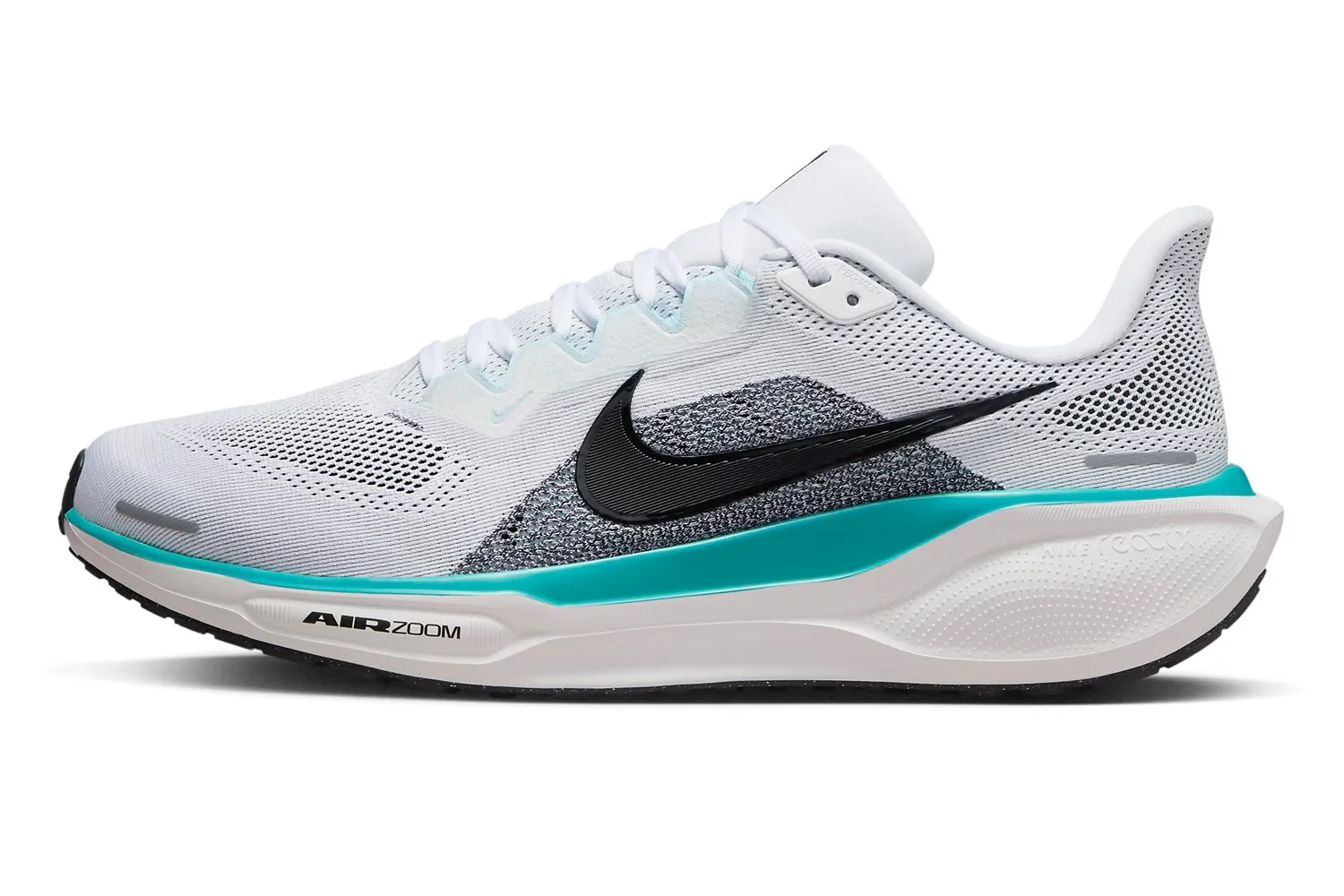
Nike Men's Pegasus 41 Running Shoes

Amazon Nike Men's Pegasus 41
Credit: Amazon
$130 at Amazon View on Dicks Sporting Goods
$145
$93 at Nike.com
Pros
  • Breathable design

  • Versatile for treadmill and road running

  • Responsive midsole cushioning

Cons
  • Narrow toe box

Key Specs

Weight: 10.4 ounces Materials: Synthetic mesh, rubber outsole Cushioning Type: Foam

Who They're For

Best for regular runners who need a reliable shoe for treadmill and road running.

Why We Love Them

We love recommending most Nike running shoes and sneakers—they're comfortable, high-quality, and durable. And Nike's Air Zoom Pegasus 41 Running Shoe is no exception. While we tested the Pegasus 38, the 41 has similar features, with an even lighter mesh upper and foam midsole. These new updates, along with the same responsive cushioning and breathable design, make this shoe even better for running.

During testing, we found that the foam midsole provides a snug fit around our foot for a locked-in feel. We also found that lateral stability and reliable outsole traction make these just as suitable for road running as they are on the treadmill. Another update: This version has a slightly wider forefoot and higher stack height for improved comfort with each stride.

Potential Flaws

  • Since these shoes are a bit narrow in the toe box, they may not be ideal if you have wide feet.

Best for Walking

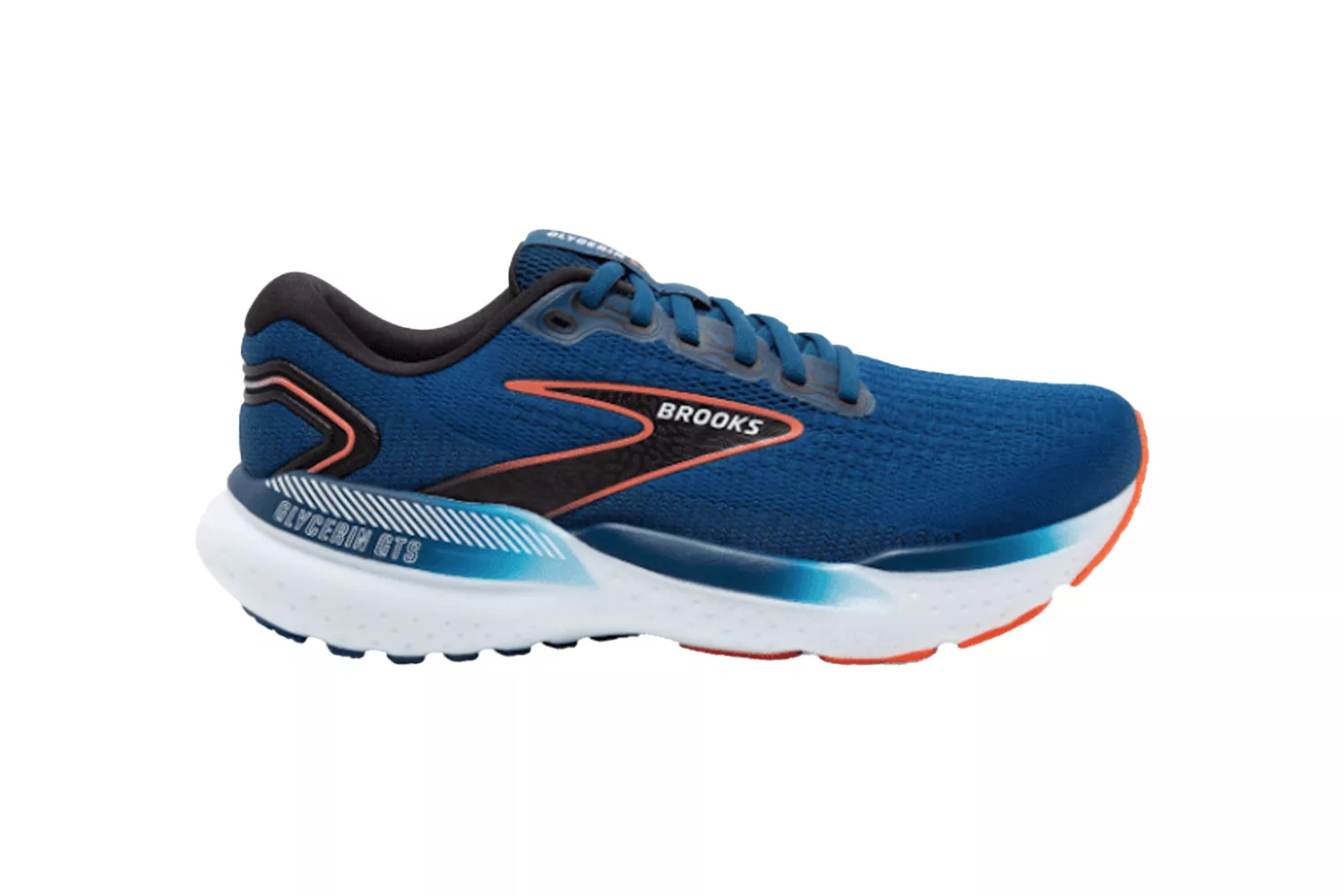
Brooks Glycerin GTS 21

Brooks Men's Glycerin GTS 21
Credit: Brooks
$160
$147 at Amazon
$160 at Zappos
$160
$96 at Nordstrom
Pros
  • Good shock absorption

  • Great arch support

  • Extra heel cushioning

Cons
  • Pricier than other options

Key Specs

Weight: 10.5 ounces Materials: Nylon upper, rubber outsole  Cushioning Type: Thick foam

Who They're For

Best for wearers who walk for fitness or want to reach 10K steps daily in comfort.

Why We Love Them

Whether doing a treadmill workout at the gym or using an under-desk treadmill while working from home, Brooks' Glycerin GTS 21 Shoes are a reliable choice. We tested the Glycerin GTS 20s and noticed the immediate comfort from the thick, plush midsole cushioning. The newer model has an even softer midsole, delivering maximum support, responsiveness, and shock absorption.

The shoe's mesh upper is breathable and flexible, preventing irritation and keeping our feet from sliding around. And a padded collar also provides a close, comfortable fit. While this pick is technically a running shoe, its internal design also lends itself well to walking, especially if you need more arch support than walking shoes typically offer.

Potential Flaws

  • These are one of the most expensive options on our list but, if you need a top-quality walking shoe, we think they're worth the investment.

Best for Gym to Outdoors

Asics Gel-Venture 9

Asics Men’s Gel-Venture 9 Running Shoe
Credit: Asics
View on Amazon
$80
$60 at Zappos
View on Dicks Sporting Goods
Pros
  • Plush cushioning for shock absorption

  • Budget-friendly compared to others

  • Reliable traction on gym floors, pavement, and trails

Cons
  • Not as breathable as other options

Key Specs

Weight: 10 ounces Materials: Synthetic mesh, rubber outsole Cushioning Type: Thick gel

Who They're For

Best for wearers that run outdoors but also need a shoe that can take them to the gym or treadmill.

Why We Love Them

If you’re looking for a shoe that can serve double duty for outdoor running and gym workouts, Asics' Gel-Venture 9 Sneakers are our favorite, budget-friendly choice. We tested the Gel-Venture 9, but this newer model has similar features. During our test, the shoe excelled in cushioning, providing solid shock absorption that can be especially beneficial if you have a history of heel pain or plantar fasciitis. This newer version is even more cushioned, especially around the heel collar and tongue.

As for fit, the shoes are comfortable right out of the box, and the upper conforms to our foot's contours for a locked-in feel. We're also impressed by the shoe’s traction, which offers excellent grip and stability on slick gym floors, treadmills, and running trails. Plus, the Venture 9 has a wider toe box and a higher mudguard in the front for added stability and protection.

Potential Flaws

  • We love that the shoes are water-resistant, but this limits breathability.

Best for High Arches

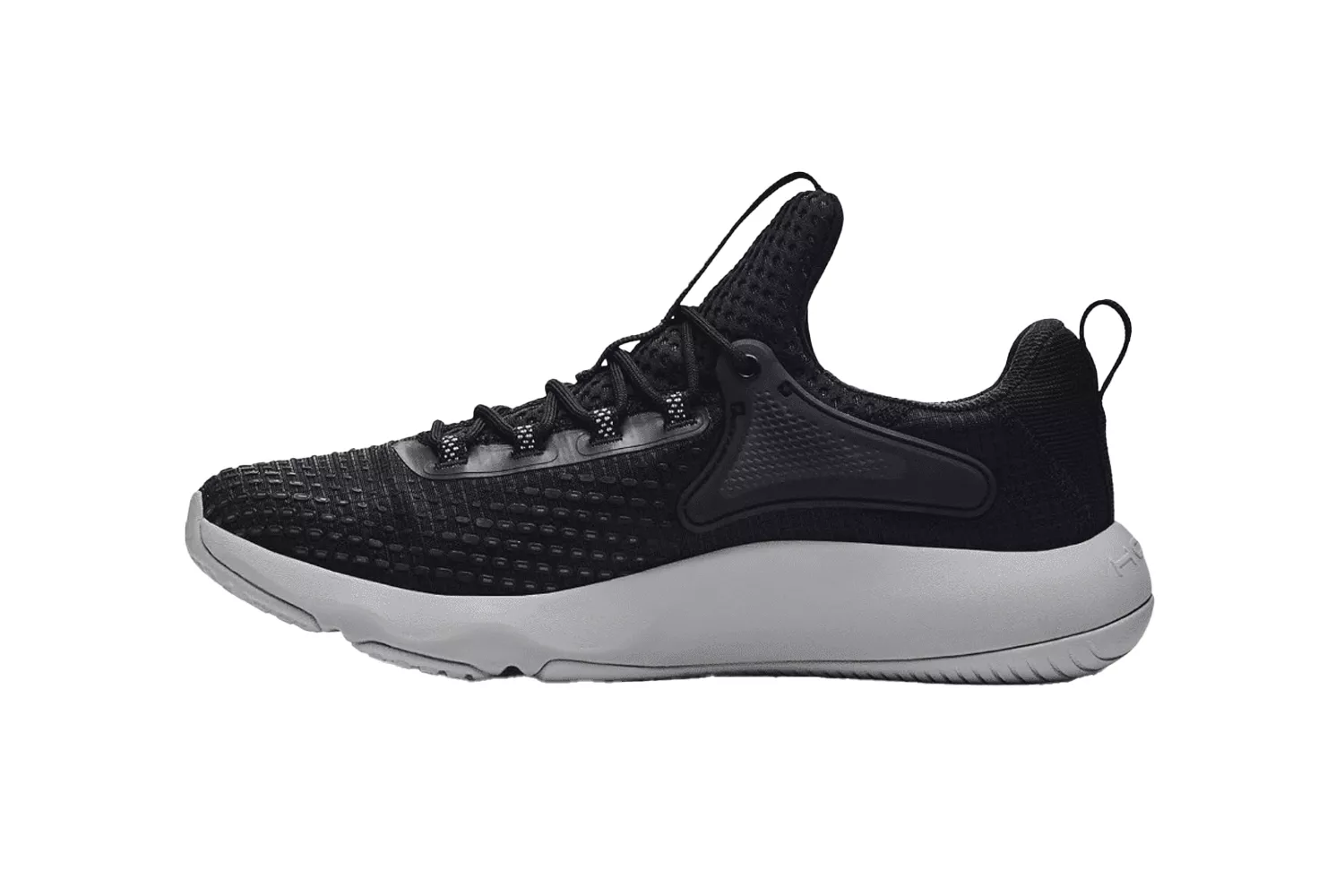
Under Armour HOVR Rise 4

Under Armour HOVR Rise 4
Credit: Under Armour
$88 at Amazon
Pros
  • Comfortable and supportive

  • Extremely versatile for various workouts

  • Reliable traction on slick gym floors

Cons
  • May not fit snugly enough

Key Specs

Weight: 10 ounces Materials: Textile upper, rubber outsole Cushioning Type: Firm, responsive foam

Who They're For

Best if you need shoes for high arches to wear for cross-training workouts, walking, and daily wear.

Why We Love Them

If you have high arches, we recommend Under Armour's HOVR Rise 4 Training Shoes. They provide a seamless balance of support and lightweight cushioning for optimal comfort and performance in the gym. We found that the midsole is firm enough to provide a solid foundation for lifts, while a triangular plate in the sole helps you evenly distribute weight for an even more balanced feel.

While we tested the Rise 3, the Rise 4 has many similar features. Throughout testing, we noticed that the shoe feels comfortable and supportive enough for various workouts, including treadmill runs, HIIT, and weightlifting. Plus, the durable rubber outsole enhances the overall stability, providing reliable traction on gym floors.

Potential Flaws

  • The shoe doesn't have a separate tongue—the upper is all one piece—making it hard to get a snug, custom fit.

Best for Powerlifting

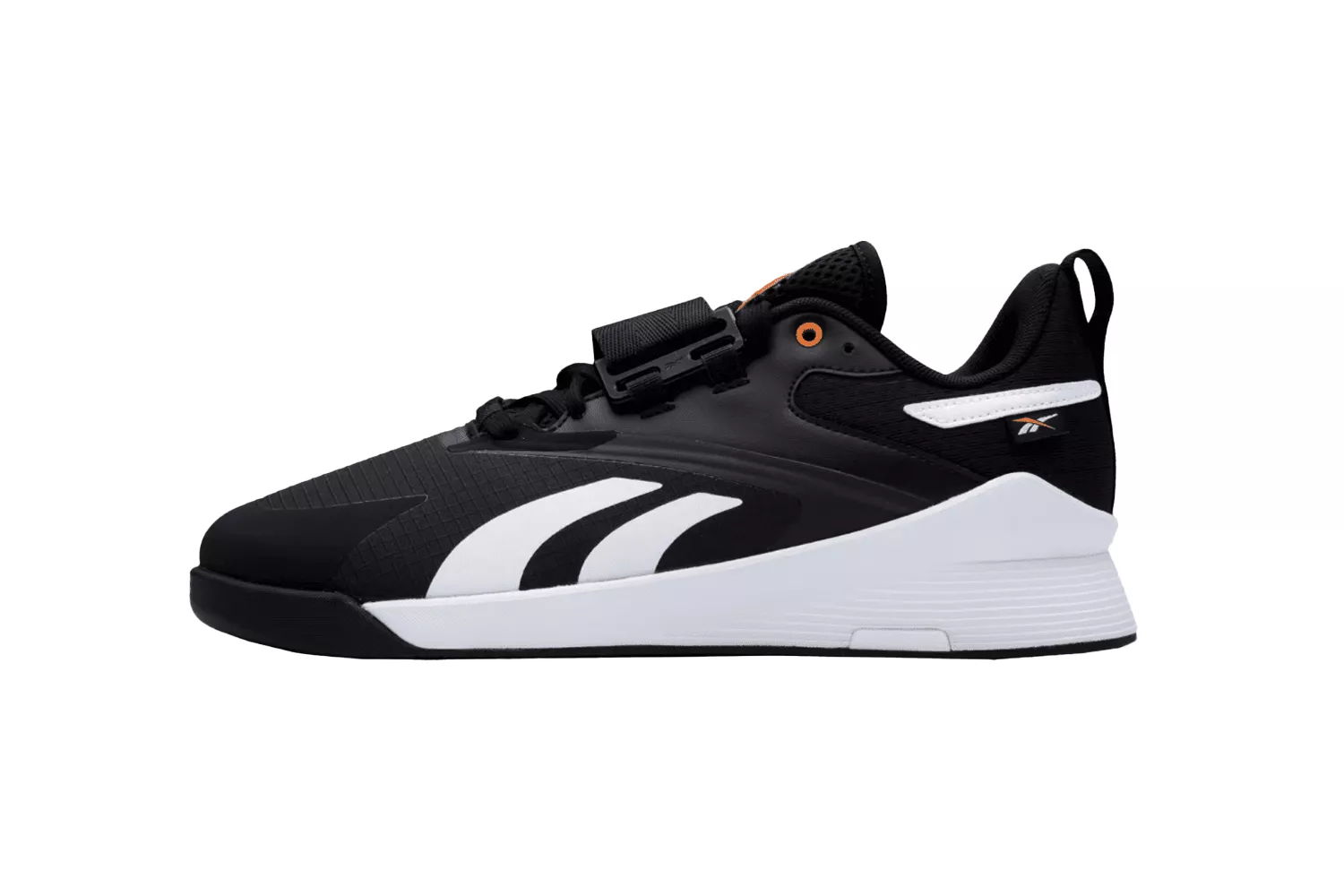
Reebok Lifter PR III

Reebok Lifter PR III
Credit: Reebok
View on Amazon View on Walmart View on Roadrunnersports.com
Pros
  • Midfoot strap for enhanced stability

  • Reliable traction on slick gym floors

  • Extremely stable base promotes focused lifting

Cons
  • Strap may be bulky

Key Specs

Weight: Not listed  Materials: Textile upper, rubber outsole Cushioning Type: Foam

Who They're For

Best for bodybuilding, powerlifting, and other weightlifting sports.

Why We Love Them

For safe powerlifting, choose shoes with a stable base and grippy outsole, like Reebok's Lifter PR III Cross Trainers. While we tested the Lifter PR II, this newer version has similar features with an even better design. The new midfoot strap provides even more stability, while the anti-slip rubber outsole delivers excellent traction—keeping us confident on our feet as we hit new PRs.

We love that these are designed specifically for lifting, with a firm midsole that helps you achieve a sure-footed stance for heavy squats and deadlifts. These are definitely one of the most stable weightlifting shoes we've ever tested. We also appreciate the higher heel, which promotes a free range of motion during lifts. And we found that the snug fit enhances comfort.

Potential Flaws

  • The midfoot strap adds stability, but it can feel slightly bulky at times. Still, we appreciate it for the added safety and confidence while lifting heavy.

What to Look for When Shopping for Gym Shoes for Men

  • Shoe Type: Gym shoes should be sport-specific, Spielfogel says. For example, powerlifters or weightlifters should wear shoes with flat soles that anchor them to the ground. If your gym time involves treadmill running, choose a pair of well-cushioned running shoes. Lightweight and supportive cross-trainers are a great choice for an all-around gym shoe because they’re designed to move between different types of exercises.
  • Support: To choose the right level of support, consider your foot type and preferred activity. If you like running or agility workouts, look for shoes with responsive cushioning and shock absorption. For sports with quick side-to-side movements, like basketball or boxing, pick ankle support shoes with lateral stability. And if you have specific foot issues, you can add condition-specific orthotic inserts, like insoles for flat feet.
  • Grip: Gym workouts require shoes with a durable, grippy outsole that will keep you sure-footed on slick gym floors, treadmill belts, and more. When shopping, look for rubber outsoles with textured patterning. This will provide a strong stickiness and prevent you from slipping and sliding so you can work out with maximum focus, safety, and confidence.

How We Tested the Gym Shoes for Men

To find the best gym shoes for men, we tested 10 pairs through a series of typical gym workouts and activities—totaling more than 50 hours of testing. As we test gym shoes for men, we keep these criteria in mind.

  • Fit: A properly fitting shoe will have a snug (not tight) fit and about a thumb's width of space between your toes and the end of the shoe. When we try each shoe on, we consider whether it runs large, small, or true to size. We also pay attention to how its width would suit different foot shapes. As we work out, we note if our feet slide around and our heels stay in place.
  • Cushioning: A well-cushioned midsole provides comfort, support, and shock absorption. When we first put the shoes on, we note the level of cushioning—does it feel pillow-like or firm? Is the cushioning even throughout the shoe? We also consider whether the shoes absorb impact when our feet hit the ground during various activities.
  • Responsiveness: While working out, we ask: Does the shoe propel us forward with each step? Does it feel springy and bounce back quickly? How fresh do our legs feel after each workout session? Different activities require different levels of responsiveness, so we consider what type of workout each shoe would best suit.
  • Comfort: If your gym shoes aren't comfortable, you will be less motivated to work out in them. During testing, we first make sure the shoes fit securely without being too tight. We then consider whether the upper feels flexible and breathable, noting whether or not our feet feel sweaty after a workout. We also check for any pressure points, hot spots, or irritating seams.
  • Stability: Each shoe's level of stability is dependent on the type of activity it's specifically designed for—from weightlifting to walking. To evaluate stability, we consider whether our ankles and knees feel properly supported throughout each workout. We also perform a bend test by holding the shoe at the heel and toe and twisting it—a stable shoe mostly resists twisting.
  • Blister Prevention: Blister prevention is a high priority in gym shoes, and the fit is a big factor in preventing blisters. After wearing the shoes, especially for long workouts, we take note of any hot spots, irritating seams, uncomfortable rubbing, or painful areas. We also pay attention to whether our feet feel excessively hot and sweaty. We only recommend shoes that don't give us blisters.
  • Overall Value: To determine each pair's overall value, we wait until the end of our testing period, after we have evaluated all other categories, to check the price. Based on the shoe's performance in each key category, we consider if it's priced fairly. We only recommend shoes we'd personally purchase or recommend to a friend or family member.

Our Experts

We spoke to three experts to better understand what features set quality gym shoes apart. We also asked each expert for any brand- or shoe-specific recommendations. While we always choose products independently, we use expert input to inform our decisions.

  • William Spielfogel, DPM, board-certified podiatrist and specialist for The Good Feet Store
  • Noah Neiman, CPT, certified personal trainer and co-founder at Rumble Boxing
  • Lauren Jenai, co-founder of CrossFit

Frequently Asked Questions

How often should you replace gym shoes?

How often you should replace your gym shoes depends on the type, frequency, and intensity of your workouts. In general, lighter shoes (like running shoes) need to be replaced every three to six months or every 300 to 500 miles. General training or weightlifting can last about six to eight months, Jenai says.

Are running shoes good for gym workouts?

Some running shoes may be supportive enough for gym workouts, but they’re probably better suited for the treadmill. Since running shoes are lightweight and designed for forward motions, they may not be supportive enough for other modalities, Jenai says. You’ll get better performance from shoes that are made specifically for your activity.

Why Trust Verywell Fit

A certified personal trainer, running coach, and Verywell Fit writer, Christine Luff, ACE-CPT, spends countless hours researching and testing the latest exercise gear and gadgets. She only recommends products that she can genuinely stand behind and believes would be a good investment for her readers. Christine has tested multiple accessories including running shoes, jackets, belts, water bottles, and socks, plus GPS watches, leggings, hats, and more.

class="comp sources mntl-block">
1 Source
Verywell Fit uses only high-quality sources, including peer-reviewed studies, to support the facts within our articles. Read our editorial process to learn more about how we fact-check and keep our content accurate, reliable, and trustworthy.
  1.  American Academy of Podiatric Sports Medicine. How do I know when it is time to replace my athletic shoes?.